

All The Ways To Clean Your Bathroom With Hydrogen Peroxide & Baking Soda
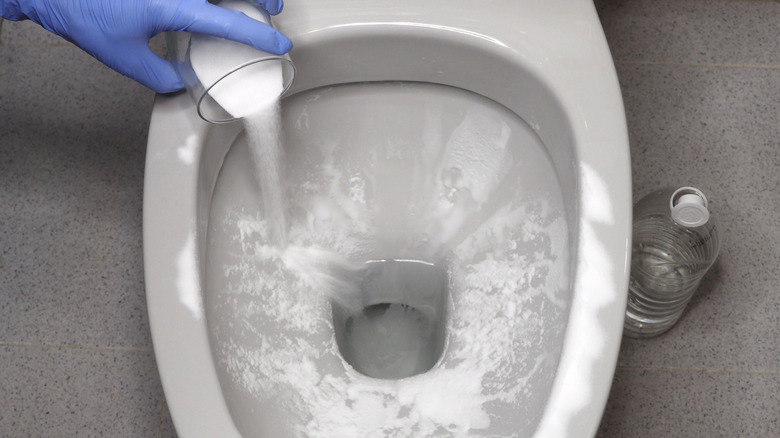
If you're like many people, the bathroom is where you start your day. From showering to brushing your teeth and doing your hair, your confidence begins in the bathroom — which is why having a bathroom that feels fresh is so important. Unfortunately, achieving that sparkling clean bathroom can be an uphill battle. Soap scum, bacteria hot spots, and hard-water deposits can show up even with the strictest of bathroom cleaning habits. However, you don't need to invest in an arsenal of cleaning supplies. Instead, a combination of just two household staples can often do the trick when it comes to lifting grime and reducing germs.
On their own, hydrogen peroxide and baking soda are powerful cleaners with many benefits. When using hydrogen peroxide, wear gloves and work in a ventilated area, and spot-test first; it can help reduce bacteria, viruses, and fungi while lifting stains and odors. Baking soda can also tackle stains and odors, while its natural abrasiveness makes it perfect for stubborn grime. As a result, combining hydrogen peroxide with baking soda can make a multi-purpose cleaner that's perfect for the various areas of your bathroom.
Here are some ways you can use this powerful combo to clean your bathroom, from cleaning your faucets and toilet to restoring your towels and rugs. When working with fabrics or other porous materials, make sure to research that this combination is safe to use first and test in an inconspicuous area.
Clean nail clippers and other beauty tools
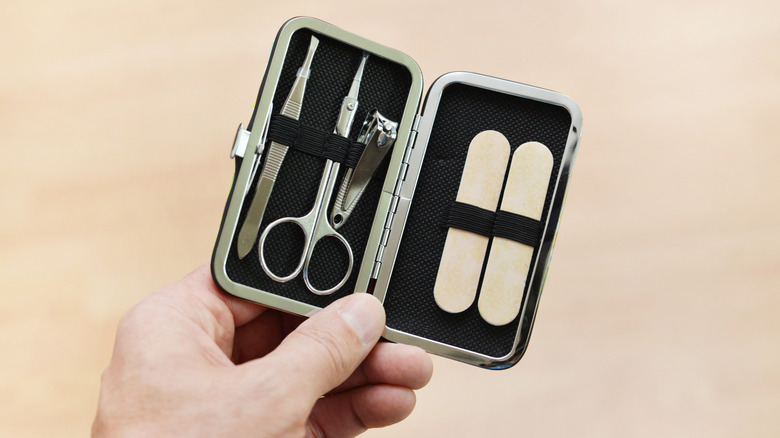
Nail clippers, tweezers, or similar beauty tools can see a lot of action in your bathroom, which can lead to built-up grime over time. Hydrogen peroxide and baking soda provide a cost-effective way to clean your tools, eliminating the need for store-bought cleaners. You can start by submerging your tools in hydrogen peroxide and allowing them to sit, letting the peroxide target any germs. Then, for more stubborn grime, you can use a peroxide and baking soda paste for a gentle scrub.
Whiten yellowed towels
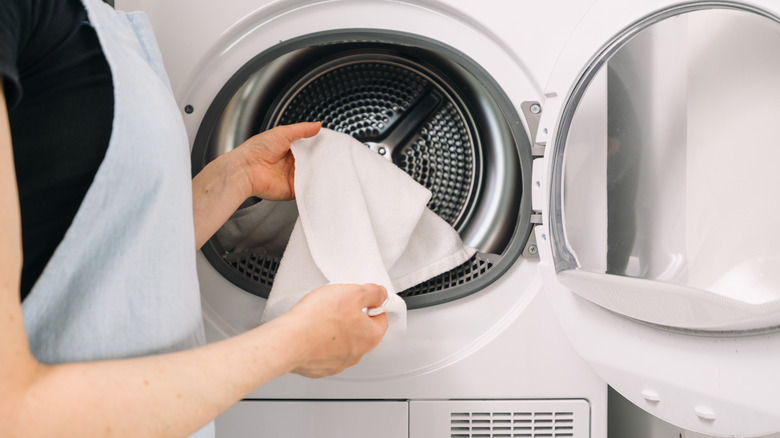
Did you know that hand towels are among the things you should clean daily? If your hand and bath towels have grown dingy with repetitive use, peroxide and baking soda can help restore their bright color while removing any lingering damp odors. Depending on the towel material, peroxide may also be more gentle than bleach, helping keep plusher towels soft. Be sure to spot test peroxide and baking soda on an older towel that you don't care about getting stained. This can help you test for any discoloration or issues that may occur.
Remove odors from bath rugs
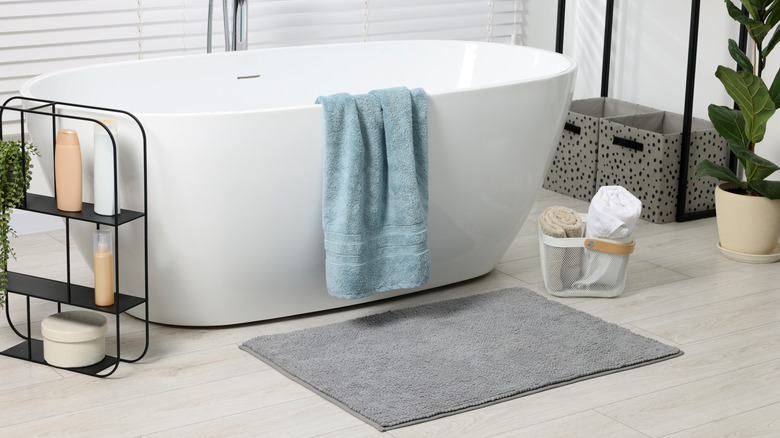
A solution made from hydrogen peroxide and baking soda can work great at lifting carpet stains and odors around your home. For this reason, you may also want to test it on your bathroom rugs. You can spot treat these, as you would with typical carpet, or you can throw them in the wash like your towels if your specific rug permits. Just be sure to vacuum it first to remove any debris that could get in the way of a thorough wash, and be sure to test for complications.
Clean faucets
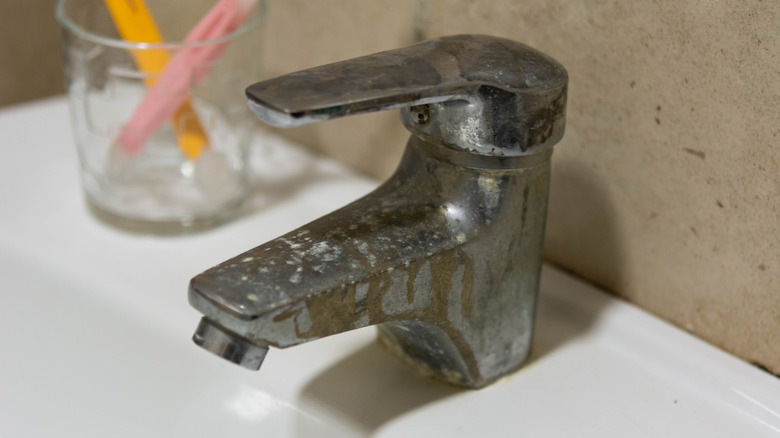
When combined, hydrogen peroxide and baking soda can create a powerful surface cleaner that's tough on grime yet gentle enough for many materials. As a result, it can be a great choice for cleaning the faucets in your sink and bathtub, so long as you double-check the material first. Create a paste by mixing the two ingredients and then gently scrub with a non-abrasive rag or sponge to clean. Once you're done, all you need to do is wash the paste away.
Reduce bacteria in and around toilets
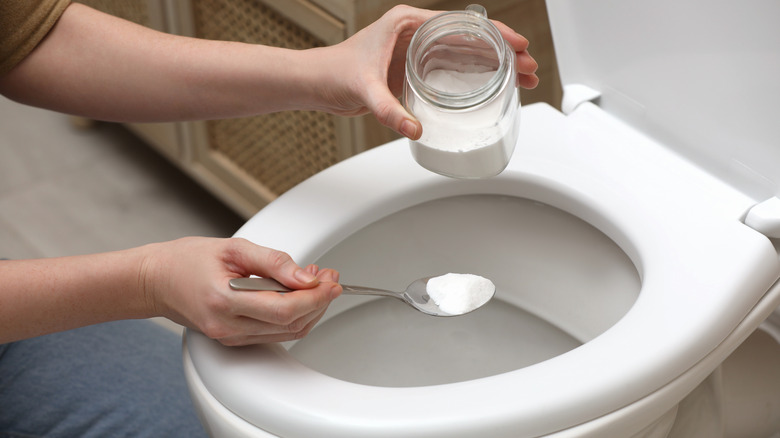
In the same way that you can use hydrogen peroxide and baking soda for faucets, you can also use them to clean your toilet, toilet seat, and surrounding area. However, this process comes with an added benefit as well. When given time to work, hydrogen peroxide can act as a disinfectant against certain bacteria and viruses. You can allow the paste to sit or use hydrogen peroxide alone for a cleaner toilet. Aim to leave it for around five minutes or so for the best results.
Wipe down mirrors
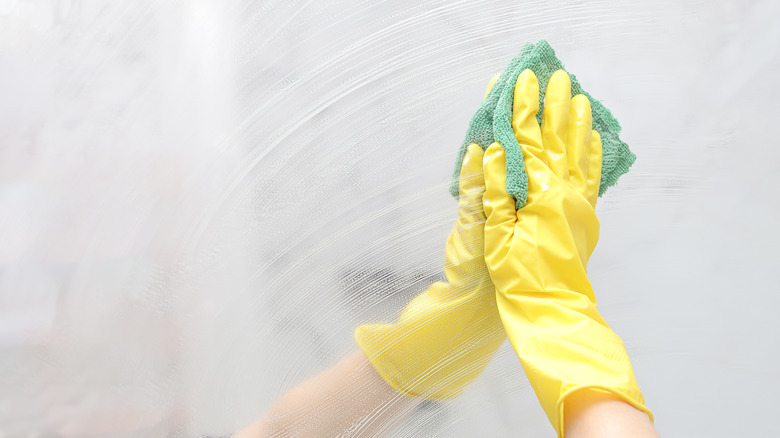
From perfecting your makeup to double-checking your hair before you walk out the door, your bathroom mirror can be your best friend. When it comes to checking your appearance, a clean mirror is key for clear results. Fortunately, hydrogen peroxide can be used as a glass cleaner for a streak-free mirror. Baking soda usually isn't recommended due to the potential for scratching your mirror. However, it can often be used instead to clean the frame and surrounding areas, removing any stuck-on grime.
Clean grout
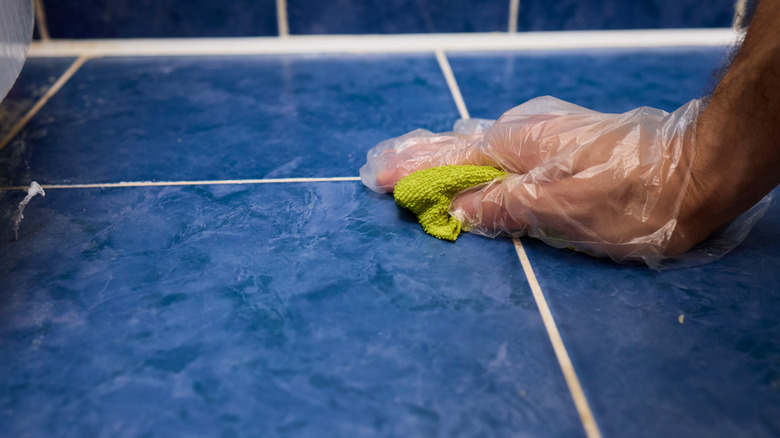
Are your tiles looking a little under the weather, no matter how much you clean? Your grout may be the problem. Because grout is porous, daily wear and tear can take a toll on its appearance. To really get your tile's shine back, a targeted cleaning may be necessary. Like with the toilet-scrubbing paste above, all you need to do is mix hydrogen peroxide with baking soda and get to scrubbing. This can also brighten grout if it looks a little lackluster. Just be cautious and research your bathroom's grout beforehand to ensure this is a safe solution.
Spot treat mild cases of mold or mildew
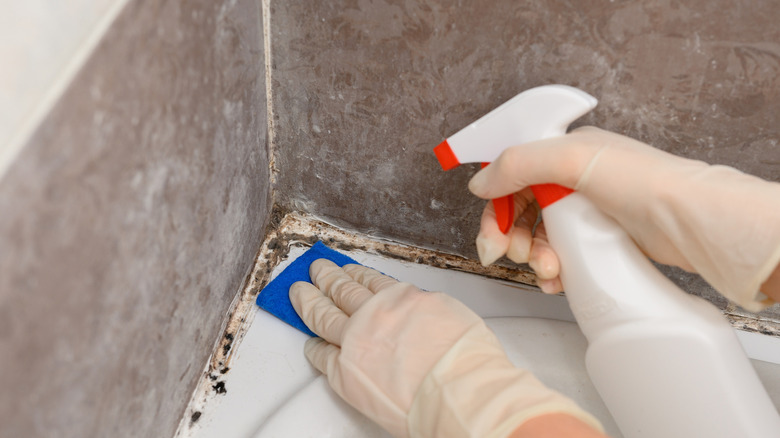
With so much moisture each day, your bathroom can easily become a breeding ground for mold or mildew. If you're dealing with significant or recurring mold, consider speaking with a professional about removal. For spot treating, a peroxide-baking soda paste can be helpful. Simply apply, scrub, and allow it to sit before rinsing. As always, make sure to test this solution in an inconspicuous area first to avoid discoloration or other complications.