

Fight Off The Winter Blues With These 18 Plants
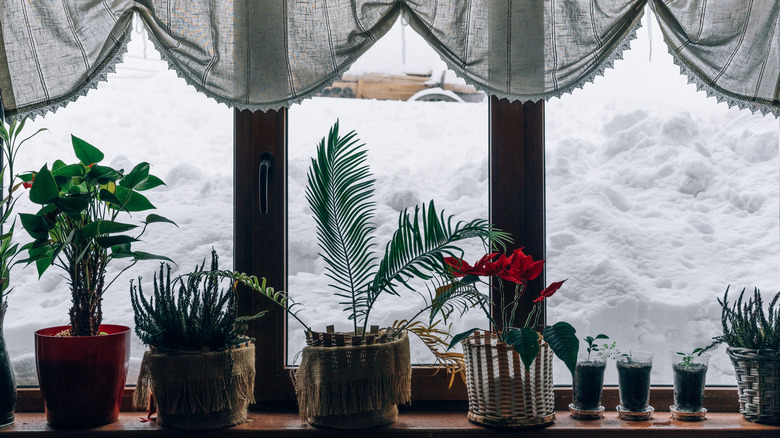
Winter is often thought of as a time of hibernation: trees are bare, the ground is frozen, and your summer and fall gardens are brushed with frost or buried under snow. The outdoor world is dormant, and while it's easy during this time of cold and gray to get a bit of the winter blues, yearning for warmer weather and brighter blossoms, the reality is that your indoor plant life doesn't have to be subject to the same hibernation as outside. There are many houseplants that, when cared for properly, will flourish in these colder months and offer beautifully colored flowers and vibrantly green leaves to brighten your spirit. Nurturing houseplants is also linked to a reduction in stress and an improved mood.
Take, for example, the hyacinth, a famously fragrant, dense cluster of flowers grown from a bulb. These indoor blooms provide a welcome contrast to the grayish outdoor world, serving as a cheerful reminder of the springtime to come, even in the deepest of winter. Or think about the Christmas cactus, the fun, surprisingly bright succulent that prefers moisture to deserts. Of course, there's the classic paperwhite, a popular bulb to force indoors. There are even ways to grow paperwhites without soil, making them an easy wintertime grower. With these plants, and many more, you can beat the winter blues — spring will be here before we know it!
Paperwhites
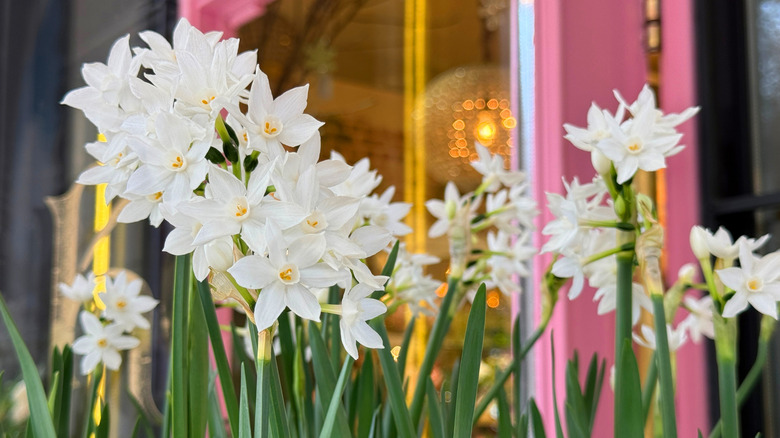
Starting our list off strong, paperwhites (Narcissus papyraceus) are one of the easiest bulbs to force indoors, and their signature fragrance is a speedy cure for the winter blues. Aesthetically, paperwhites are known for their clusters of white or pale yellow, daffodil-like flowers. For successful winter blossoms, plant the bulbs in a dish — they can survive in a number of potting environments from soil to marbles to pebbles — then water moderately. In order to prevent root rot, don't overwater. Place the dish in a cool, lit place, and then in three to five weeks, you'll be seeing blossoms.
Orchids
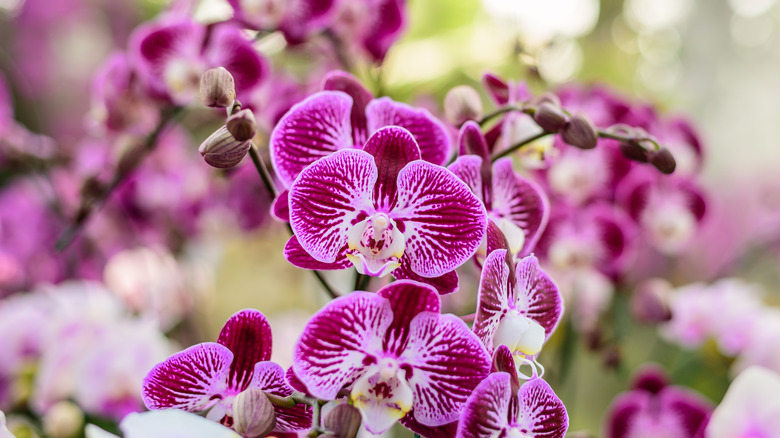
Orchids are perfect for beating the winter blues because these bright-colored, sometimes even fragrant blooms can last for several weeks or even months on end, providing continuous color when other plants are dormant. Different varieties have different looks, of course, but the moth orchid (Phalaenopsis) is among the best for indoor, wintertime displays. Well-suited for normal, indoor room temperatures, moth orchids love a good eastern-facing window for optimal light and prefer routine but moderate watering. They can reach up to 3 feet in height, and if you're diligent with their upkeep, you'll have these beautiful blossoms all season long.
Anthurium
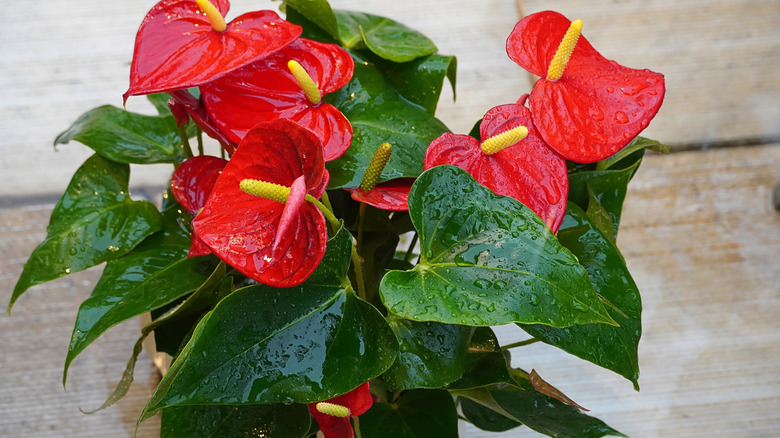
Anthurium (Anthurium andraeanum) goes by many different names — 'laceleaf,' 'flamingo lily,' or 'painter's palette,' — all of which describe its beautifully bold and waxy flowers (really spathes; simply put, a colored leaf) that look more suited for tropical gardens than wintertime windowsills. But in truth, anthurium is a great indoor plant for colder days, as its flowers can last for months throughout the season. In a south- or southwest-facing window (they don't need so much sun in colder months), mist your plants to keep them moist during the dry winter and enjoy their festive colors.
Cyclamen
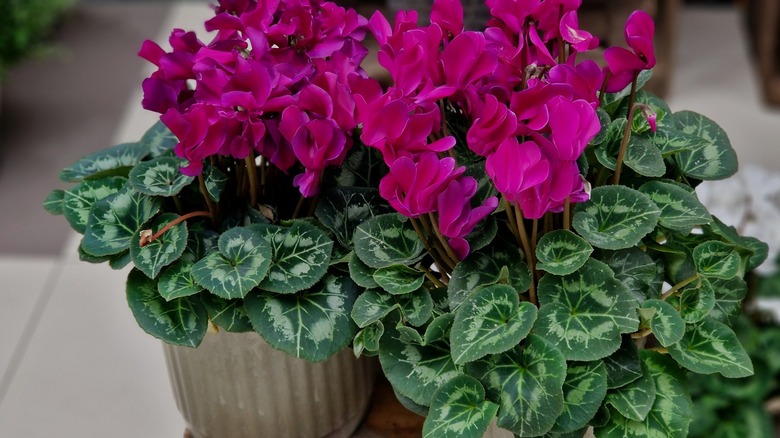
Equally bright are cyclamen (Cyclamen persicum), plants with unique, upswept flowers surrounded by silvery-green marbled foliage. With blooms in pink, red, white, and purple, its delicate flowers will provide vibrant bursts of color in the winter. Preferring cooler temperatures and bright rooms, they'll do well in an unheated space or a slightly cooler window. It's best to water them from the bottom to ensure that their soil is consistently moist and never soggy. Simply place the pot in a saucer of water for half an hour for optimal care. When looked after, cyclamen can reach a foot in height and spread.
Christmas cactus
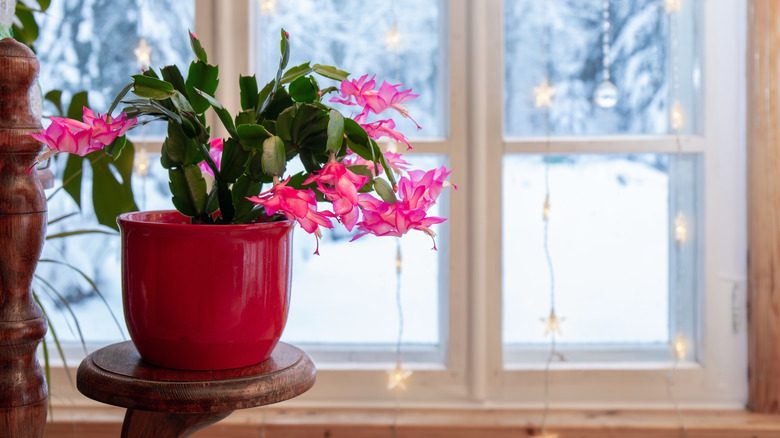
With a festive name like the Christmas cactus (Schlumbergera bridgesii), it's no wonder this plant brings cheer. A succulent meant for the tropics, the Christmas cactus naturally blooms during the holiday season, producing segmented stems and bright pink, red, or white flowers. Over its blooming period, the cactus will droop, creating a fairy tale-like display of leaning blooms. For optimal flowers, place the plant in a dark room in the fall, then in the wintertime bring it out into a bright but indirectly lit space. Most suited to cooler temperatures (around 50 to 60 degrees Fahrenheit), water sparingly during bud formation.
Amaryllis
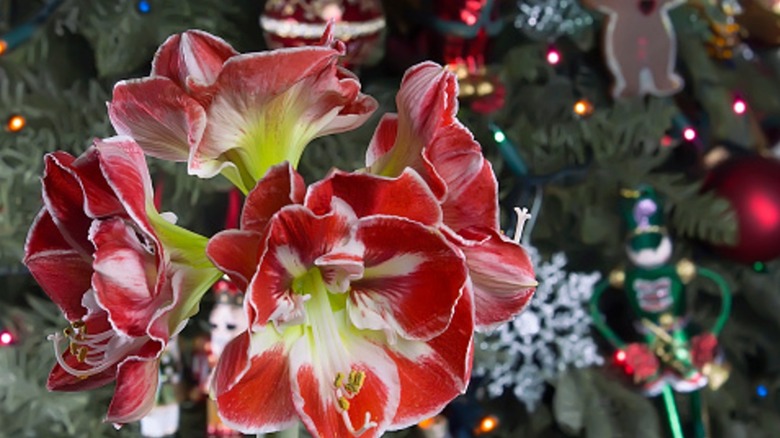
Another great container plant that can be forced in the wintertime, Amaryllis (Hippeastrum) is a dramatic flower with large, trumpet-shaped blooms in bold reds, whites, pinks, or bi-colors. Growing up to two feet in height at times, the scale of the flower — blossoming from a tall, sturdy stalk — provides a vibrant focal point during the winter gloom. For planting, place the bulb in a pot with well-draining material, leaving the tops exposed. Then, place it in a well-lit spot. Water sparingly until the stalk emerges, then regularly. Unlike some bulbs, there's no chilling required; just add warmth and light.
Crown of thorns
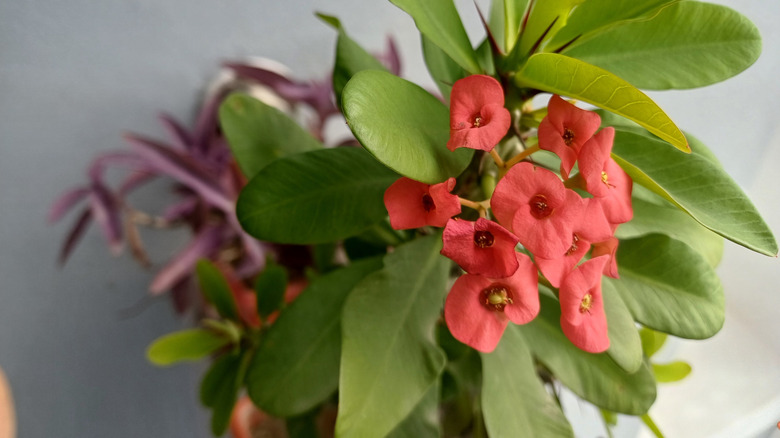
The crown of thorns (Euphorbia milii) may sound like an intimidating plant, but in reality, it's an excellent winter grower and vigorous bloomer. A spiny, evergreen semi-succulent, this plant produces small, brightly colored flowers sitting on top of a woody, spikey stem. It gives a little texture to otherwise delicate-looking flowers, for a truly unique indoor plant. Native to Madagascar, it's very forgiving of dry winter indoor air and thus needs minimal attention. Place it in a sunny window (these plants love at least six hours of direct sunlight) and allow the soil to dry out completely between waterings.
African violets
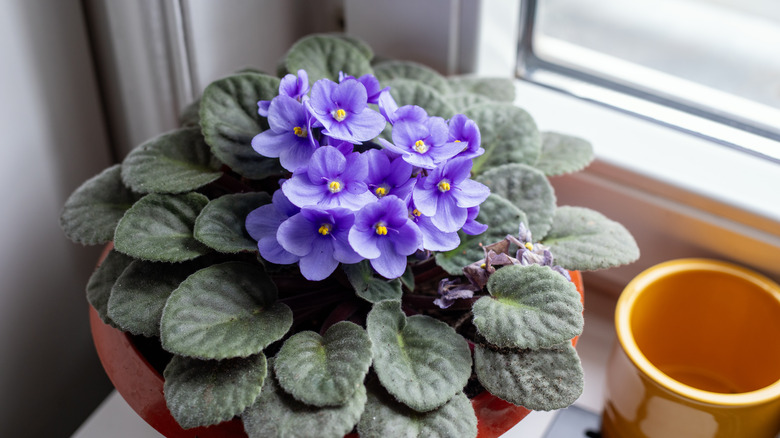
African violets (Saintpaulia ionantha) are the perfect petite bundles of color to shake up winter blues. Since they're native to more tropical climates, growing these indoors means maintaining a comfortable environment, with night temperatures no lower than about 65 degrees Fahrenheit. Since excess water isn't so great for the plant, water moderately and uniformly to keep those violet blossoms happy and perky throughout the winter. To add an extra measure of growing security, add a humidifier in the room the violets are in, or have them sit on a saucer full of moistened gravel.
Begonia
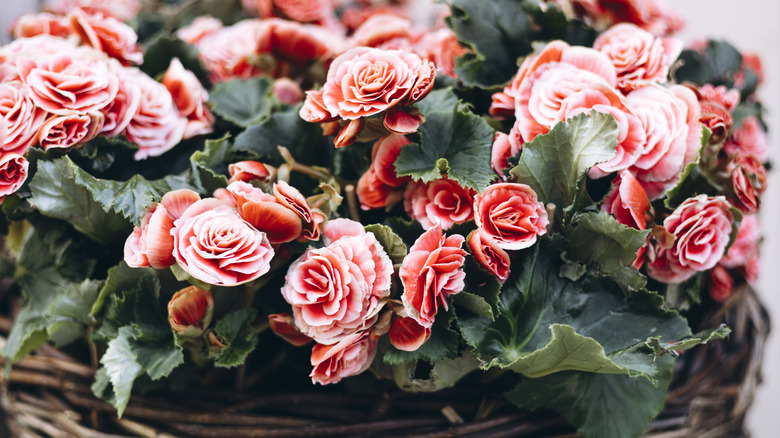
The Rieger begonia (Begonia x hiemalis) is a beautiful year-round bloomer, but in the winter, in particular, its ruffled, rose-like flowers bring a certain cheer when outdoor gardens are dormant. Unlike some of the short-lived bulbs, this plant provides a constant spray of color in reds, pinks, yellows, and whites that combats the gloominess of winter. For ideal care, place your begonias in bright, yet indirect light and maintain a cooler environment, ideally between 60 and 70 degrees Fahrenheit. Water well when the soil is dry, and be sure to avoid getting water directly on the leaves to prevent mildew.
Poinsettia
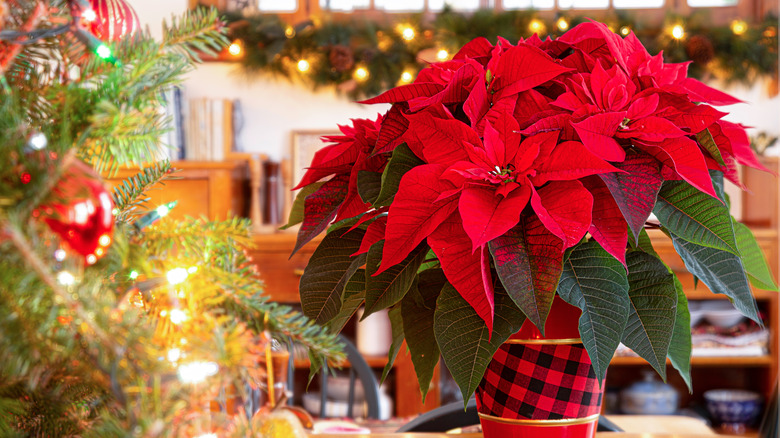
The poinsettia (Euphorbia pulcherrima) is the quintessential holiday decor plant for beating the winter blues, thanks to its festive color. Its brilliant red, pink, or white flowers (well, technically colored leaves) offer a burst of holiday cheer, instantly brightening dreary days. Caring for this plant is pretty straightforward (in the wild, they grow up to 15 feet tall!), a bonus during the busy holiday season. Keep it in bright, indirect light within normal room temperatures, and water it only when the top of the soil feels dry. Also, remember to keep poinsettias away from pets, as they can be toxic when consumed.
Hoya
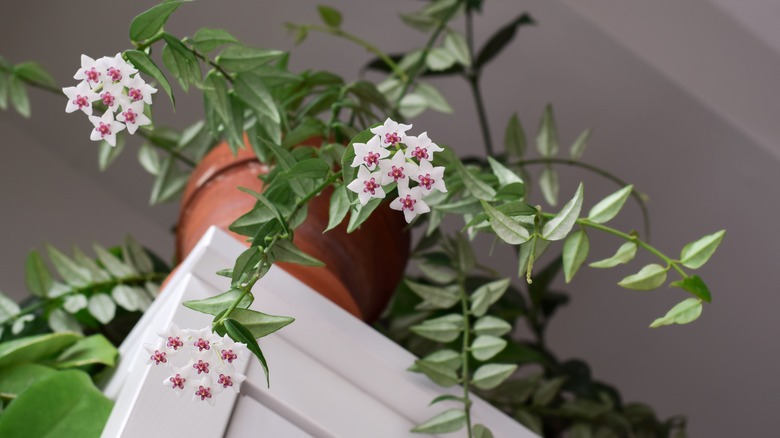
Hoya (Hoya), also more commonly known as wax flower, is a fun, dynamic plant choice for winter displays. With a trailing vine and thick, waxy silver-pink-green leaves, its aesthetic appeal comes from its small clusters of star-shaped, equally waxy flowers. These blooms often produce a sweet, sticky nectar, which releases an aromatic, honey-like fragrance, giving an extra boost to your indoor winter environment. Place them in shaded spots of the house, and let them dry out completely between waterings. And, crucially, avoid cutting the spent flowers, as new blooms will emerge from the same spot next season.
Hyacinth
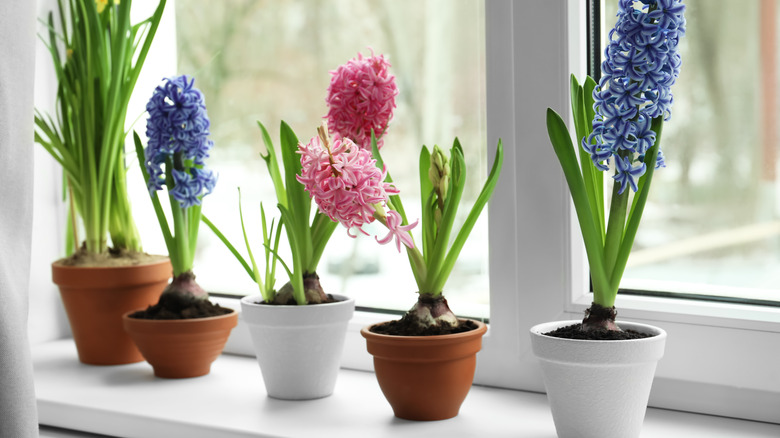
While often associated with the early blossoms of spring, hyacinths (Hyaninthus orientalis) are great winter options indoors, since you can force the bulbs much like paperwhites. First, weather the bulbs by refrigerating them for three months ahead of planting. Then, when ready, plant the bulbs such that the tops are just below the edge of the container, peeking out of the soil. Keep the bulbs brightly lit and well-watered, and within three to four weeks, you'll be seeing clusters of bright blooms that will fill your home with the fragrance of the impending springtime.
Shamrock plants
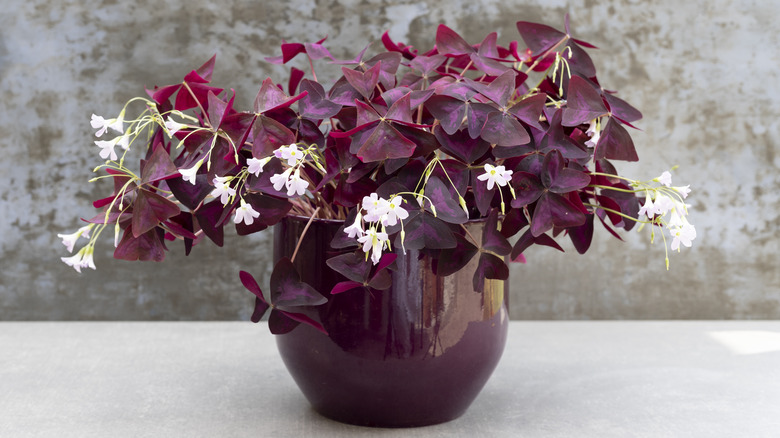
If the groundhog says there's going to be a longer winter, then late bloomers like the shamrock plant (Oxalis triangularis) may be just the thing to beat late winter blues. It's a perfect indoor companion for winter, beloved for its vibrant, clover-like, purple foliage more than its flowers. Shamrock plants thrive in sunlight, so place them on an eastern, western, or southern-exposed sill (avoid north; it won't get sun there) for them to maintain their lush leaves. Don't be alarmed if the leaves curl up — that just means they're settling down for the nighttime.
Flowering maple
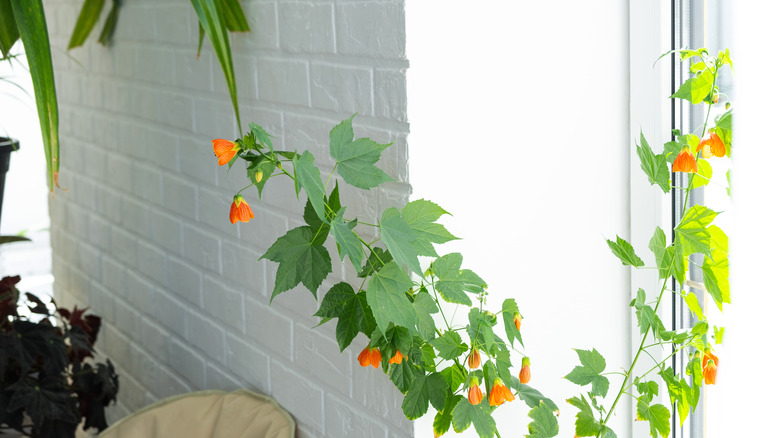
Flowering maple (Abutilon) actually refers to a family of ornamental shrubs that aren't necessarily real maples. Rather, many of these shrubs produce bright, hanging blooms that look like mini Chinese lanterns, with leaves that mimic those of maples. Its vibrancy feels tropical, even when the outdoors feels more tundra. For optimal care and continuous winter flowering, place it in the brightest window you have (a south-facing exposure is ideal). Keep the soil consistently moist but never soggy, and feed it a diluted balanced fertilizer once a month. Prune back stems for a bushier plant and more blooms.
Bromeliads
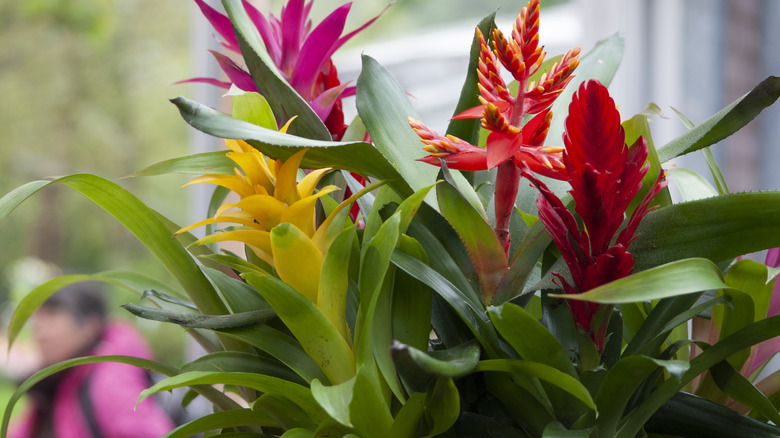
A part of the pineapple family, bromeliads (Bromeliaceae) are the tropical answer to gray winter days. With a striking central flower in shades of red, yellow, and orange, bromeliads keep their color for long periods of time. As a modified leaf (bract) rather than a true flower, it can hold up longer than its more delicate counterparts, so long as it's in indirect sunlight. To correctly grow and care for a bromeliad, keep the central 'tank' of the flower filled, flushing it occasionally, rather than traditional watering. Forgiving of dry winter air, they prefer room temperatures, making it a no-fuss winter booster.
Christmas rose
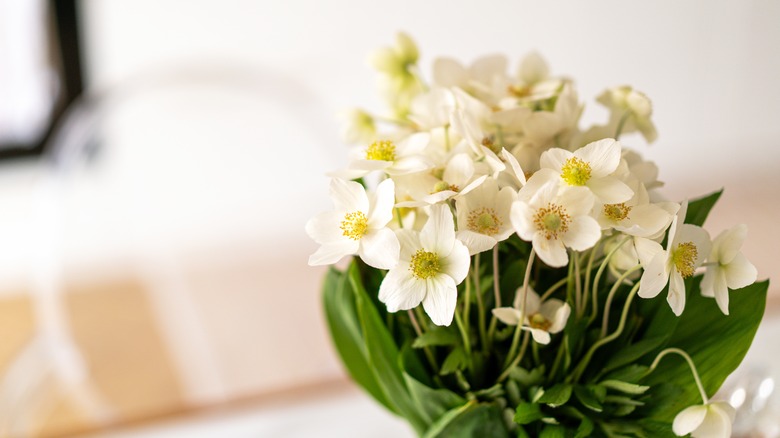
The Christmas rose (Helleborus niger), as its name suggests, is a winter plant that can be forced to bloom around the holidays. With an elegant, star-like pale pink or white flower, their dark green leaves provide a beautiful contrast to their more delicate blossoms. Able to grow up to 12 inches, it does well in a shadier, cooler spot in the home, with occasional bright sunlight. Be sure to keep these plants away from cats, however, as they can be toxic to your feline friends. Its winter flowering makes it a beautiful display against seasonal gloom.
Pothos
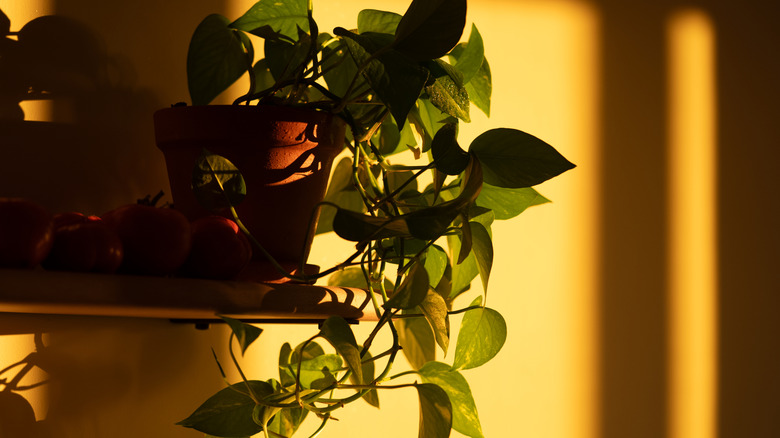
Pothos (Epipremnum aureum) is a classic evergreen that makes great plant companions all year round, but especially in the wintertime. When everything outside is gray and stark, their waxy green and cream leaves create stunning cascades of trailing vines. They love warmer temperatures, so keep them in a heated space in the house, but away from direct sunlight. A victim of root rot if overwatered, be diligent but metered in your watering. Lastly, promote new growth with regular pruning so your pothos thrives all winter.
Snake plant
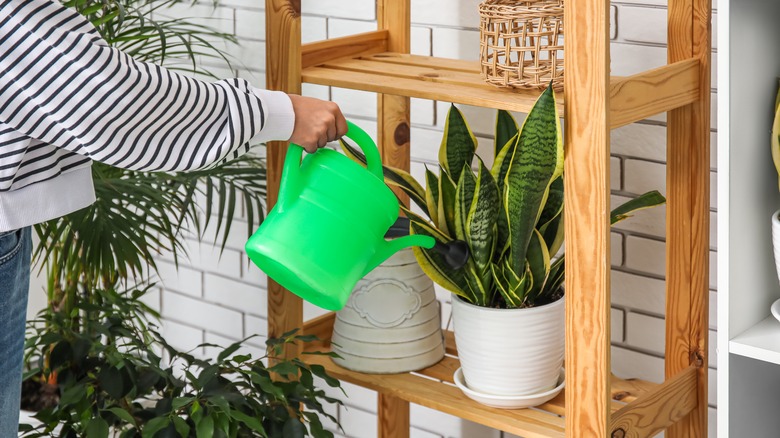
Another evergreen to combat winter blues, snake plants (Sansevieria) are incredibly low-maintenance winter plants. Great for beginning gardeners hoping to brighten up their homes, they require moderate watering if — and only if — the soil feels dry. With different varieties that display their own colors and patterns, each has its own kind of charm. Dracaena trifasciata 'Laurentii,' for example, displays leaves with an almost neon yellow border and variegated green stripes, while the 'Moonglow' variety has broader silvery-green leaves with dark green bands. A sturdy plant, it's notoriously hardy against temperature fluctuations, dry air, and even, not-so-good gardeners.