

Everything You Can And Cannot Do On Your Side Of A Shared Fence

We may receive a commission on purchases made from links.
Fence laws can be tricky. A truly shared fence between you and your neighbor means that it is situated on the line dividing your two properties; if a fence is fully within your property, then it's yours to do as you (for the most part) wish, as long as any chances align with local codes and fence ordinances. If it falls entirely on your neighbor's property, then you might not have rights to things like the side of the fence that faces your yard.
However, a shared fence is a lot harder to understand — and that's because you and your neighbor are typically both responsible for its care, maintenance, and possibly even its replacement. You should be aware of any written agreement between you and your neighbor regarding how the rules for the shared fence are meant to work. It's also a good idea to get your neighbor's written permission for any changes that the two of you agree to make together.
Assuming that you have a shared fence, there are some things you can do without asking your neighbor's permission first — and a whole lot more that you can't do without permission. The exact rights you have over your side of the fence can vary significantly based on location, so always check your local laws (and consult with a professional as needed) before making any changes to your fence. We've put together a general starting point for what you may or may not be able to do to your side of a shared fence. But it's wise to also familiarize yourself with your state laws and shared fence rules.
You can plant up against your side of the fence

As long as you're within your own property, you're free to plant near a shared fence. This is where it's important to know exactly where your property line begins; if the fence is entirely on your neighbor's property, then there may be a small space leading up to the fence that isn't yours to plant on. However, as long as the fence is truly shared, then you can border your fence with plants — within reason. Generally, you'll need to have your plants a small distance away from the shared fence so that the fence can still be maintained, and so that their roots don't grow into your neighbor's yard or cause issues with the fence.
Keep in mind that, no matter what you grow, your neighbor generally has a right to cut any branches or leaves that grow over the fence or through it and into their property. Once a plant extends onto your neighbor's property, they can choose whether they want to keep that part of it there; they may not care, or they may decide to remove it. Make sure to trim your plants regularly or pull their branches back through your shared fence if you want to ensure your plants don't get clipped.
You can hang things from your side of the fence, but you may want to opt for no-damage attachment solutions
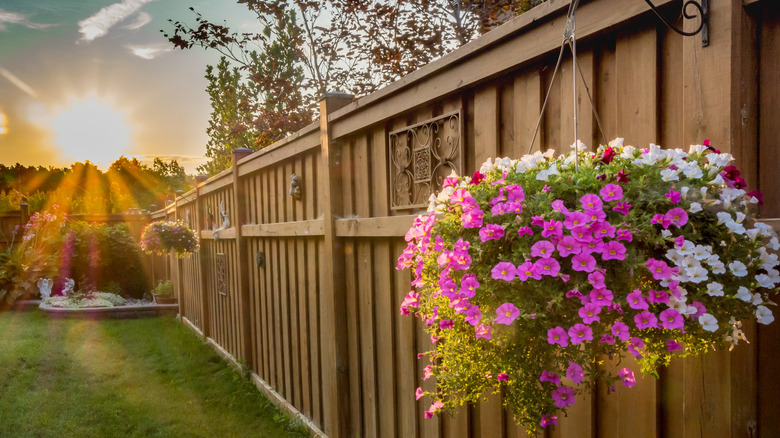
If you have things that you want to attach to your side of the fence — such as hanging baskets and planters — you can technically do so, but there are certain stipulations to be aware of. If something you're hanging is 100% on your side of the fence and does not extend to your neighbor's side at all, then might be safe to put up. But you need to be absolutely certain that these items can't cause any kind of damage to the fence.
If you want to nail any items to your side of the fence, make sure to get your neighbor's consent (and that the nail won't go through the fence and extend to your neighbor's side). Avoid hanging heavy items, as this could potentially cause damage over time. You'll also need to avoid hanging items by draping them over the tops of the fence, since this technically utilizes part of your neighbor's side as well. Your best course of action may be to stick to light and easy-to-hang items that can be put up without any kind of permanent attachment. – and opt for no-drill solutions like metal hooks. Instead of nailing up things like string lights, you can also opt for something like these Hetyue Hooks for Outdoor String Lights that have an adhesive backing. Lastly, a shared fence means shared maintenance responsibility between you and your neighbor; with that in mind, it's only wise that you seal any holes you make in the fence resulting from modifications on your side.
You can add another fence in front of your shared fence
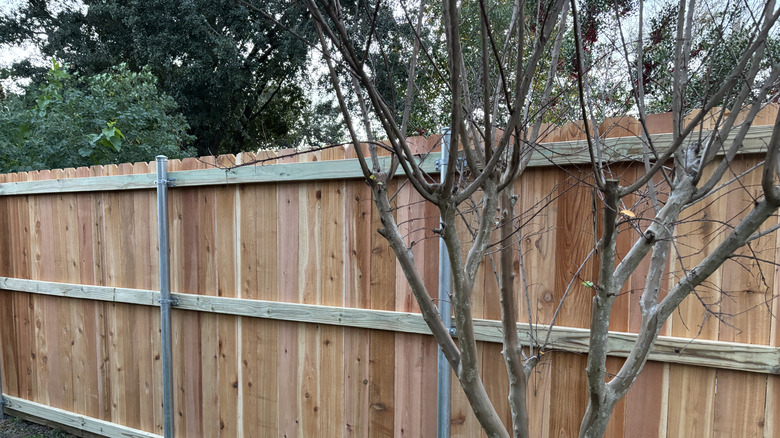
Maybe your shared fence is unsightly, you don't appreciate that the back side faces your yard, or you hate the color or material but don't have the right to do anything about it. Fortunately for you, there's no specific rule that says you can't simply put another fence in front of it (as long as the new fence is completely on your own property). Of course, you'll still need to obtain any required permits to make sure that you're not accidentally erecting an illegal addition in your yard. You might also need to ensure the new fence isn't too close to the existing one.
Additionally, you'd still need to check your local zoning laws (and HOA rules if you live in a planned community) and ensure that your new fence meets all of your area's building requirements. It can also be difficult to maintain both sides of a fence that runs directly up against a shared fence, so consider where you place it and ensure there's room for easy maintenance on both sides. Even after you build a new fence in your yard, you'd still be responsible for maintaining your side of the shared fence.
You can attach lights to your side of the fence
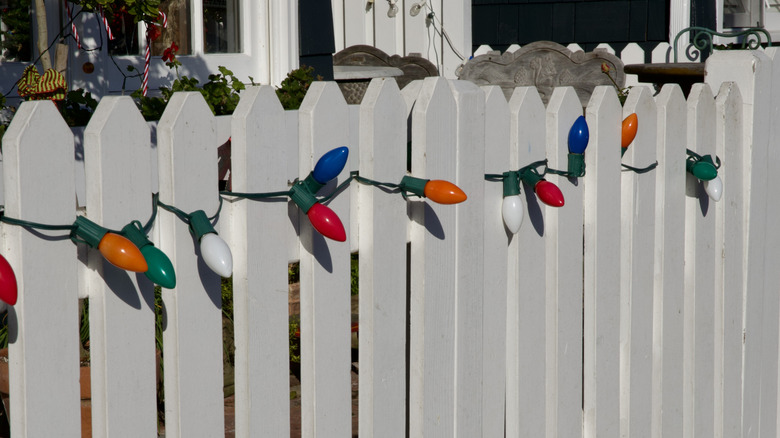
Fences can feel like a great place to hang up outdoor string lights and other light fixtures in your yard. However, a shared fence may not always be the best spot if you don't have your neighbor's permission. That's because string lights can be visible from both sides of a shared fence, and installing them permanently is considered making a change to your side of the fence that you may need to consult your neighbor about. If you are able to install string lights, make sure you pick a durable outdoor option so they're not a fire hazard or damage risk to either side of your shared fence. Any damage that string lights cause will fall completely on you, so be aware of that before installation.
When you're picking out lights to install on your side of a shared fence, it's also important to ensure that they aren't too bright, and that they won't disrupt your neighbor's enjoyment of their own backyard — even if they've already given their consent. Not only is this considerate, but it also decreases any chances that the neighbor might reverse their okay and request that you take down the lights. If your neighbor is able to make a case for how your lights are disturbing their property, they may be able to take action to force you to remove any problematic fixtures from your backyard.
You can't tear down the fence without your neighbor's permission
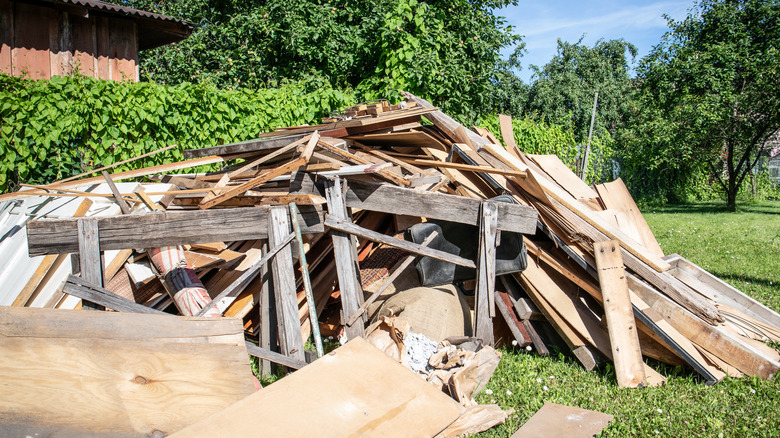
As a partial owner of a shared fence, you don't have the right to tear it down without your neighbor's approval. Fortunately, the same rule naturally extends to your neighbor. If you have a reason for removing (and replacing) the fence that necessitates a full teardown, you'll need to talk to your neighbor about doing so first. Then, you will both need to agree on what should happen in terms of repairs. The cost of regular fence maintenance and repairs should be split evenly between the two of you, though you're free to work out another agreement if your neighbor is up for it.
But what happens if you need to remove the fence because there's a structural or safety issue with it? If the fence needs serious repairs and your neighbor isn't cooperating, that's when it's time to seek legal help to see what can be done. In some cases, you may be able to move forward with the fence removal (after thoroughly and fairly communicating with them on the issue, and documenting these communications). You might be able to lawfully seek reimbursement from your neighbor later, but you should always secure professional help in these cases to avoid any legal issues. A professional will be able to guide you on the correct steps to take, such as what written communications and requests you should furnish your neighbor with, and the right procedure to follow if they ignore these or refuse to cooperate in any way.
You might not be able to make changes to your fence without informing your neighbor
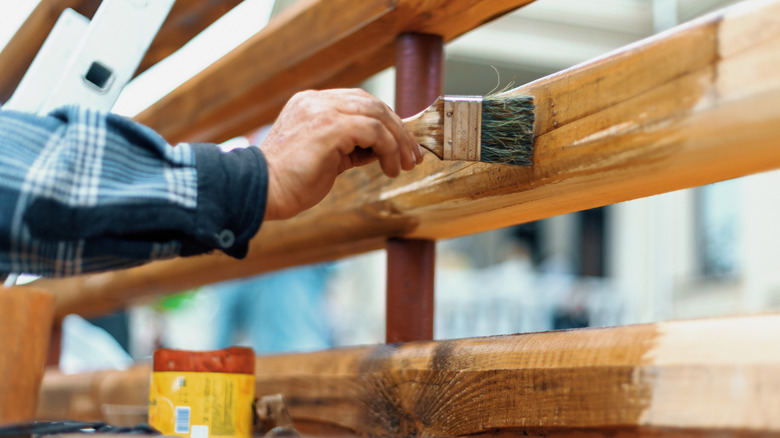
In some areas of the U.S., your shared fence is considered to be shared on both sides — so there is no 'your side' or 'your neighbor's side.' Instead, everything that happens on both sides of the fence needs to be approved by both neighbors. This is why it's so important to check your local laws before treating your side of your shared fence as you please — if you live in an area where the entire fence is considered to be jointly owned, neither you nor your neighbor should simply paint or make changes to individual sides of the fence without consulting each other. That's the case even if it doesn't affect the other person's property, because the sides of the fence belong to both of you.
If you and your neighbor have a good relationship, you may just agree to treat each side of the fence as your own. But if this is not the case, be aware that any permanent changes you make have the potential to get you in trouble. When in doubt, always consult your neighbor regarding any changes or upgrades you want to make, to ensure everyone is on the same page.
It's probably not the right move to paint your fence without asking your neighbor first
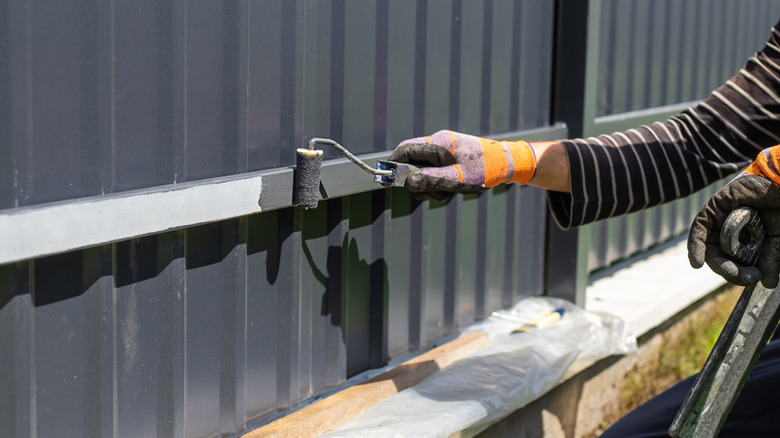
Laws around permanent aesthetic alterations can be tricky. Performing basic maintenance is one thing, but a permanent change to your side of the fence may require your neighbor's permission, depending on the area you're located in. Thus, as with most alterations and upgrades, your best course of action is always to ask your neighbor before painting your side of the fence.
If you want to keep a good relationship with the neighbor, it's advisable to ask if they would also like to have their side of the fence painted at the same time as yours. Painting only one side of the fence could leave the other side more exposed to moisture, potentially causing it to rot and sustain damage. This in turn could, well, put you on the fence for full repairs later on. Generally, the rules around painting a shared fence can also apply to staining, which is another aesthetic change you should chat with your neighbor about. Sealing your fence, on the other hand, likely falls under regular maintenance tasks, which you may not need to reach out to your neighbor for, but it's still a good idea to communicate over. And if the reverse situation is at play, here's what you can do if your neighbor painted your fence and you're unhappy with the outcome.
You can't avoid maintaining your side of the fence
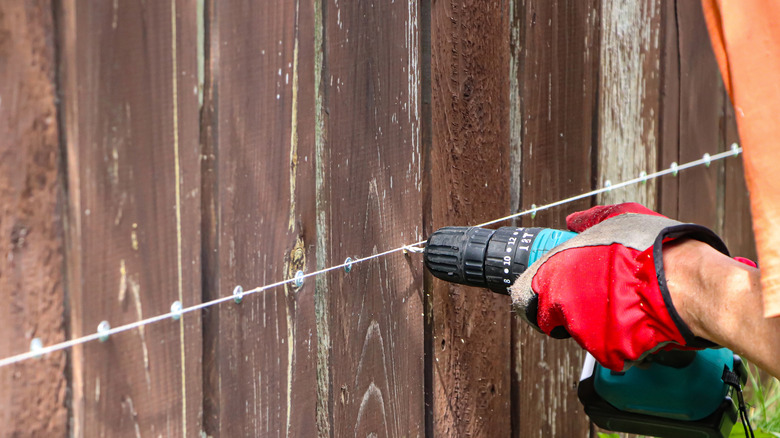
Both you and your neighbor are typically equally responsible for shared fence maintenance. Regular fence upkeep generally falls to the both of you, whether you choose to leverage fence maintenance tips to keep it looking pristine yourself or have it professionally cared for. Keep your side of the fence properly sealed and check for rot and pests regularly. Also, be sure to check your and your neighbor's fence agreement if you have one, as this may detail maintenance tasks that the two of you have agreed to keep up. Bring any issues you find to your neighbor's attention right away so that you can jointly decide on a course of action to fix the fence.
Let's say you didn't maintain your side of the fence properly, and it caused issues for your neighbor (such as structural problems or rotting wood). In this case, your neighbor may pursue legal action, which can easily become a headache for both of you. Keeping your side of the fence well-maintained means that you won't run into these problems with your neighbor in the future. You may want to liaise with your neighbor on plans for fence maintenance, as it can often be cheaper to split the cost of a professional rather than individually maintaining both sides of your shared fence.
You shouldn't build structures that use the fence as support
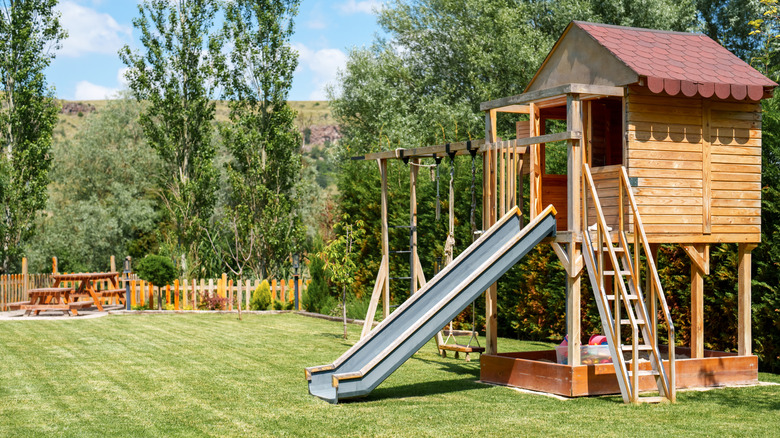
Your shared property line probably comes with setback rules, which means that structures in your yard need to be installed a certain distance away from a shared fence. Besides this rule, it's also a good idea not to attach structures, even if they are smaller-scale constructions like dog pens or play sets to a shared fence — in case this causes damage. If you want to add a dog run or playground to your backyard, be sure to place it a safe distance away from your shared fence, and not use a part of your shared fence for support.
Even if your neighbor doesn't have an immediate issue with an yard feature butting onto the fence, attaching structures to a fence puts pressure on it over time, which can cause damage to your shared fence that you might be on the hook for. Smaller items like pre-built play sets or movable dog kennels might not violate setback rules, but it's still a good idea to check with your city when in doubt. The exact rules here can vary depending on where you live and the type of structure.
You shouldn't pressure wash your side of your neighbor's fence without conferring with them
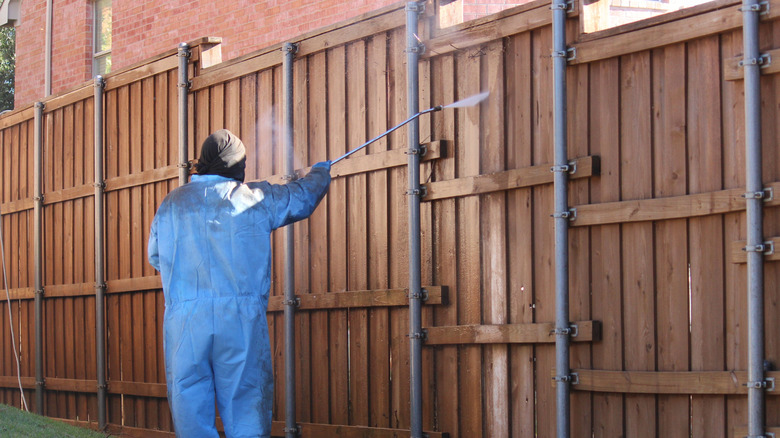
Cleaning a shared boundary fence is part of your regular maintenance responsibility; it can refresh your fence and make it look as good as new again. So, why isn't it a good idea to pressure wash your fence? While it might seem like you should be in the clear to power wash your side of the fence, the reason you need to take precautions here is because power washing could cause problems for your neighbor's property. Water under high pressure can sneak through the gaps in your fence and cause damage to your neighbor's plants, lawn, home, or fence paint.
Always give your neighbor a proper heads-up if you want to pressure wash your side of the fence, and get their okay before doing so. When done right, a pressure wash can be a beneficial part of fence care and maintenance — but not if your neighbor doesn't agree first, and the sheer power of the pressure washer shreds off paint on their side, spurts through gaps in the fence and shreds their plants, kicks up and splatters dirt, etc. Liaising with your neighbors can help prevent disputes, and hopefully allow you to work together to get the fence power washed while causing minimal damage.