

It's Not Your Imagination - Doors Get Extra Sticky In Winter. Here's How To Fix It
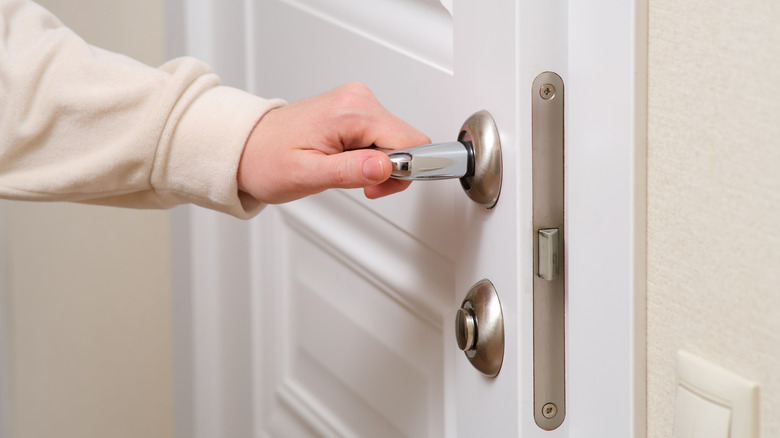
A door that rubs against the frame, sticks, and won't close easily is frustrating. If you have noticed this happening more in the winter months, it's not your imagination. Doors get extra sticky in winter for a few reasons, and wood doors that have not been painted or sealed are the most vulnerable. Fortunately, there are things you can do to unstick your doors — and to prevent them from sticking in the future.
Changing weather can result in doors that stick. Throughout the winter season, snow and rain can cause swelling in wooden doors. When the door is not well insulated, condensation can form when cold outdoor air comes into contact with warm indoor air. This moisture can contribute to wood swelling and doors sticking. Another reason for this is the relative humidity. Humidity levels fluctuate in the winter months due to colder outside temperatures and higher humidity in the heated air inside the house. When this happens, wood doors expand and contract, which can add to the sticky door problem. Causes of increased indoor humidity in the winter include cooking, hot showers, and humidifiers.
How to fix a sticky door
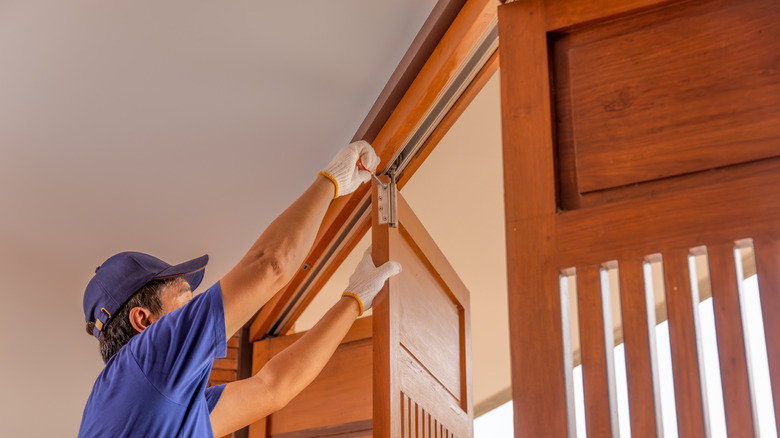
The first step to solving your sticky door problem is to identify the cause of the trouble. In addition to humidity and condensation, a sticking door can be caused by paint that's too thick, loose hinges, improper installation, joints in the door construction settling, or foundation settling. Before assuming the weather is causing the issue, it's important to rule out other potential factors. The next step to fix an annoying sticky door will, of course, depend on the source of your problem. If the screws in your door hinges are loose, the door can become misaligned. Tightening the screws can help the door close properly. In older homes, the screw holes may have gotten larger over time and may not be able to hold the screws. You may need to buy larger screws to replace the loose ones. If thick paint is the issue, you will need to strip, sand, and repaint the door and/or frame.
If you've ruled out loose hinges and construction issues, it's time to move on to a weather-related solution. When humidity causes doors to swell, the solution is to reduce the moisture levels in your home. To reduce condensation-induced swelling, add weather stripping or insulation to doors and windows. Inside the house, you can use fans for ventilation, take cool showers, or run a dehumidifier to lower the humidity.
Preventing doors from sticking
A door that has swelled due to changes in temperature and humidity may return to normal when the humidity level decreases. However, frequent temperature fluctuations or extensive swelling can cause the wood to warp and stick permanently. This is why it's best to take steps to prevent doors from sticking in the first place.
Sticky doors can be prevented by keeping your home's humidity between 35% and 50% during the winter months. Make sure your home is well ventilated and consider using a dehumidifier if moisture continues to be a problem. Because unfinished and unpainted doors are most at risk of swelling, it is a good idea to paint or seal them.
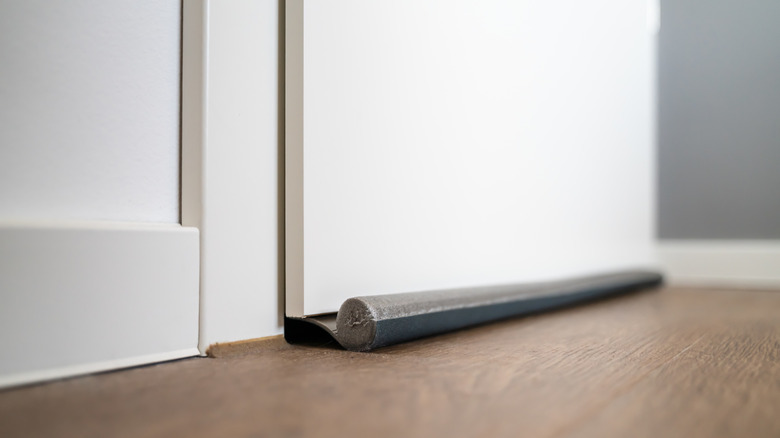
Preventing sticking is one reason why it's so important to seal your door gaps in winter. Installing weatherstripping and a door sweep can help keep the cold out and reduce condensation, which contributes to the moisture issue. Sealing door gaps also offers the added benefit of a warmer home and lower home heating costs.