

Always Keep Your Rice Water. Here Are The Plants That Love It
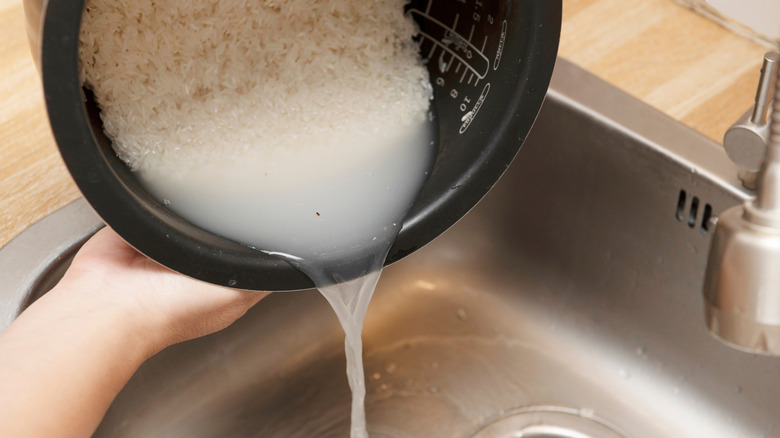
Typically, people garden so that they can cook. Fresh-picked vegetables, fragrant herbs, and fruit trees turn into tasty kitchen creations. But every now and then, the opposite is true. Look at rice, for example. The simple act of washing and boiling it can provide you with liters of natural fertilizer that your plants will love.
This is because rice water is packed with nutrients like potassium, phosphorus, calcium, iron, and nitrogen, which plants love. Adding rice water to soil can help plants grow more vigorously, and it can encourage water absorption. Not only that, but it's also good to encourage healthy bacterial activity in the soil, which makes it much easier for plants to access nutrients. Don't use rice water every time you water, though. Keep it to once a month to avoid hardening the soil.
There are two types of rice water you can make while cooking: rinsed or boiled. This is totally up to you and depends on the recipe you're making. If a dish calls for rinsing rice to remove starch, that water can be used for your plants. Just wash your rice as you typically would, rubbing and agitating the rice grains between your hands in the water. Then, strain the rice and keep the liquid, which should look cloudy and white from the starch. If your recipe requires that you boil and strain rice, like pasta, then that water can be used too, as long as it's unsalted. In both cases, you can store the rice water in a jar or a spray bottle to use later in the week. You should mix it with plain water when using it to make it less concentrated and avoid overfertilizing, so you don't need a lot.
Snake plants
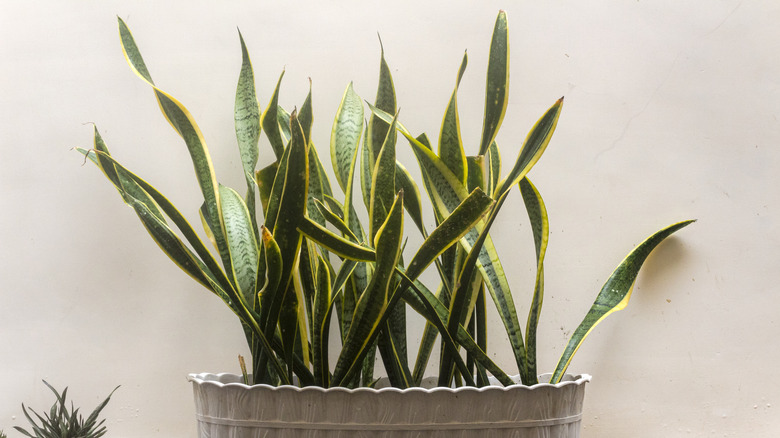
Snake plants (Dracaena trifasciata) are known for being low-maintenance and beginner-friendly indoor plants. These can go up to four weeks without any water, and still look healthy and lush. Nonetheless, they'll appreciate a little boost of nutrients from some rice water every now and then. Keep this to once every two to four weeks at most because snake plants can suffer from both overwatering and overfertilizing. Susceptibility to rot and overwatering is one of the major downsides of growing snake plants.
Monstera
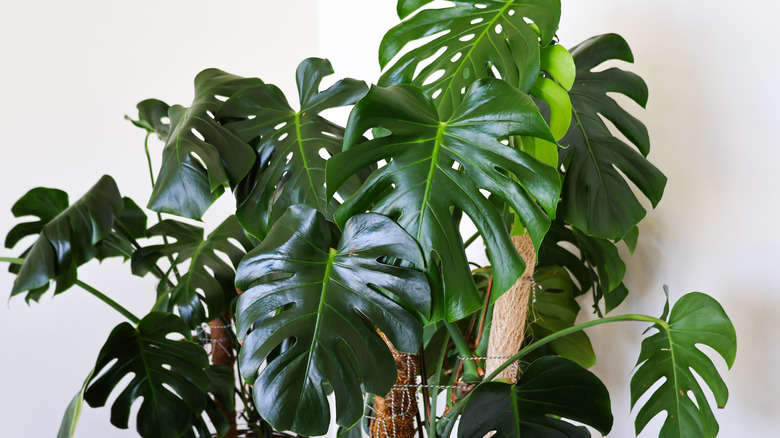
Rice water can also help you keep monstera (Monstera deliciosa) plants healthy. These plants are stunning, with large glossy leaves pierced with large holes that create their trademark shape. They're fairly easygoing and can do well even in low light. However, they like fertilizer every month or so, especially during spring and summer. In order to do this naturally and for free, use rice water instead of store-bought fertilizer. To avoid overfertilizing, mix the rice water with some plain water before watering or misting.
Pothos
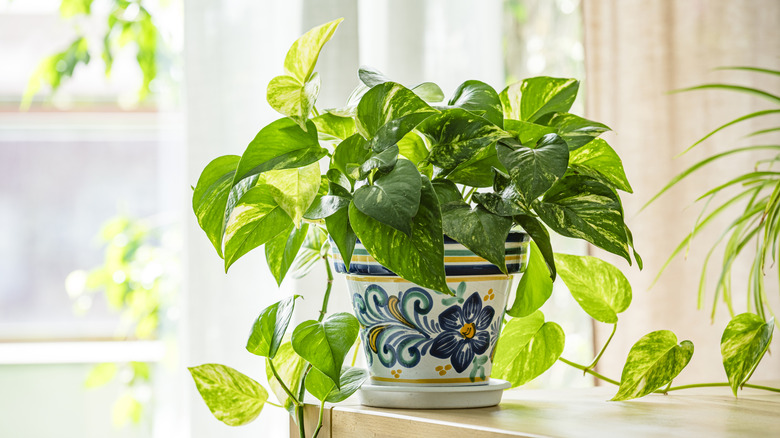
Pothos (Epipremnum aureum) is another one of those popular indoor plants that loves a bit of rice water once in a while. These guys need to be watered slowly and every one or two weeks, and can benefit from year-round fertilizing. For best results, add rice water to your watering routine every month or so in order to successfully care for pothos plants and help them thrive.
Tomatoes
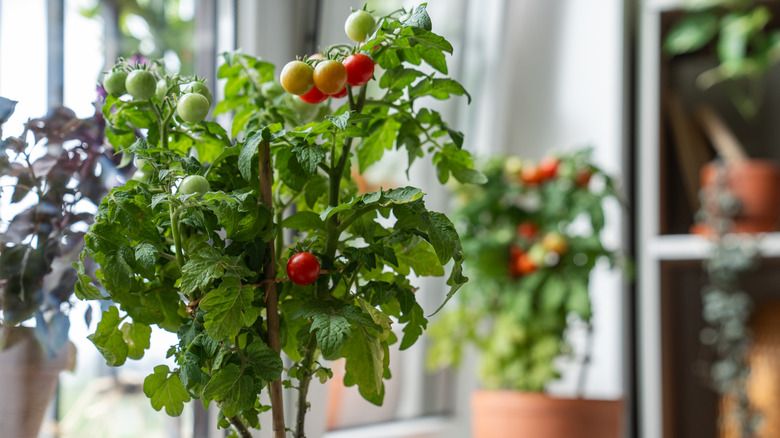
Although we've discussed a lot of leafy indoor plants, rice water is also a great health boost for vegetable gardens. Tomatoes (Solanum lycopersicum), for example, will absolutely love it. First of all, these plants love water, so you won't risk overwatering them by using rice water as a fertilizer. In addition, adding starch to a tomato plant's soil helps to bolster the plant's microbiome, which loosens the soil and helps roots absorb water better.
Pepper
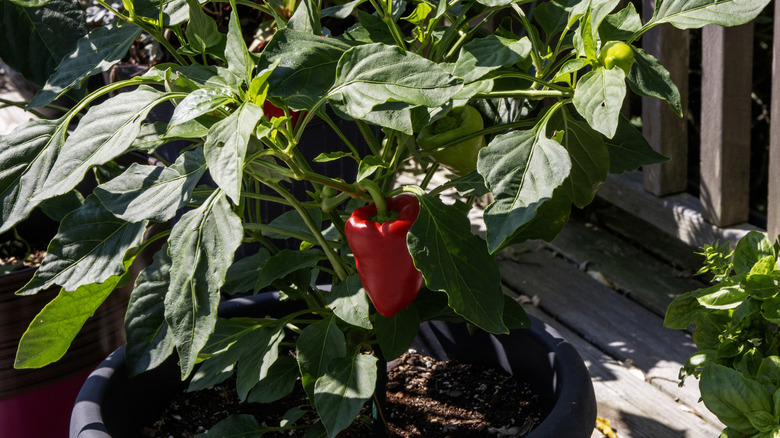
Much like tomatoes, peppers (Capsicum spp.) will grow healthier and stronger if you add some rice water to their soil once in a while. Here again, pepper plants will appreciate the rice water's ability to encourage microbes to grow in the soil, which can help the plants become stronger, more resistant to disease, and overall healthier. This will help the plant absorb water, a major pro as these plants need plenty of hydration when they're actively producing fruit.
Peace lily
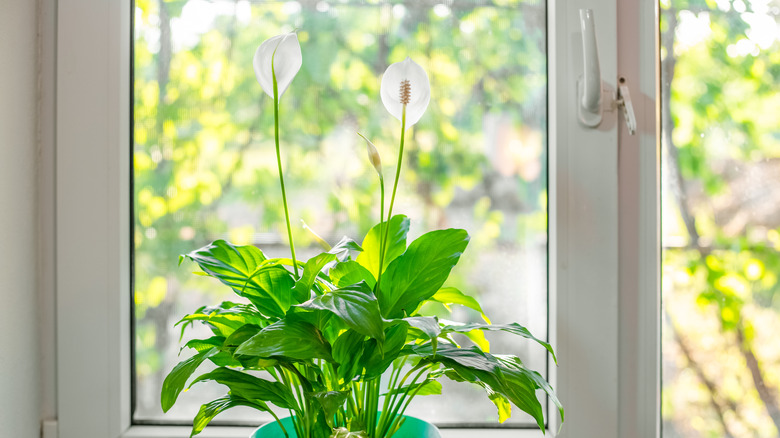
Peace lilies (Spathiphyllum spp.) are the drama queens of gardening. From one day to the next, they might go from healthy and strong to droopy and sad. If you're struggling to care for your peace lily, consider adding some rice water to its life. Thanks to starches and vitamins in the water, they'll benefit from enriched soil. This, in turn, will help make your plant's root system stronger and healthier, which is key to helping it stay strong and, in time, bloom with stunning flowers.
Aloe vera
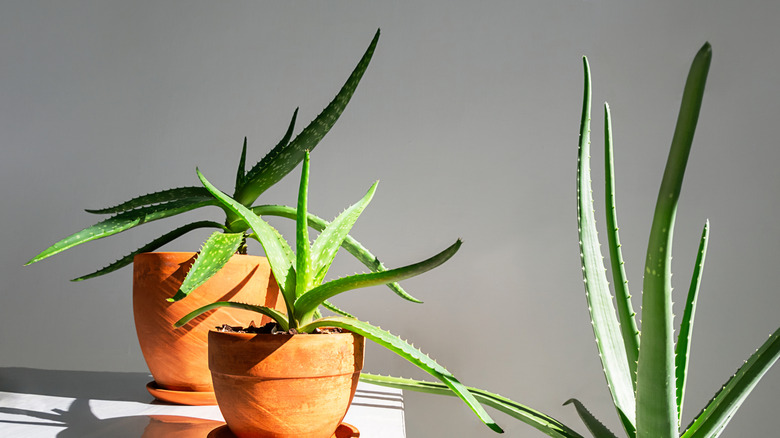
If there's one thing aloe vera needs, it's nitrogen. This will help the plant grow its famous long and strong leaves. Rice water helps increase nitrogen concentration in soils, and thanks to this benefit, rice water can serve as a fertilizer. To do this, you can use water that you've saved from rinsing rice or water that you've boiled rice in. Just make sure that it's unsalted — you don't want to accidentally introduce salt into the soil.
Orchids
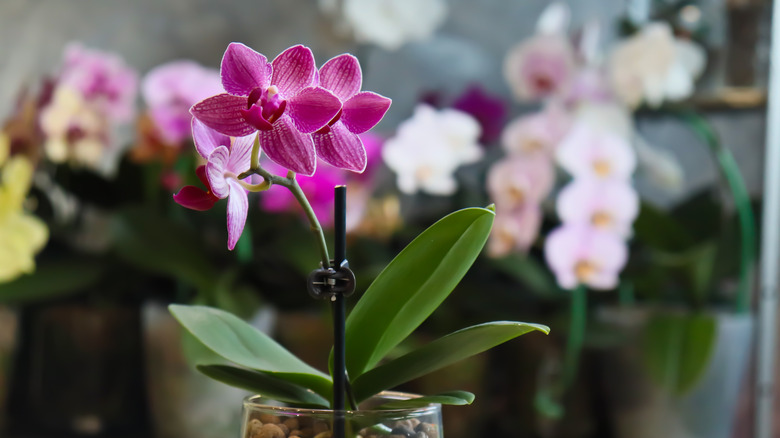
Orchids (Orchidaceae) are stunning, but they're so difficult to keep in good shape. Luckily, rice water can once again come in handy with these temperamental and delicate plants. The nutrients in rice water can help orchids thrive from root to leaf, just as a commercial fertilizer would. Here, it's essential that you dilute the rice water in plain water to prevent root rot from too much sticky starch residue. Repeat this step every month or every two weeks, and alternate with clear water to avoid residue buildup.
Eggplant
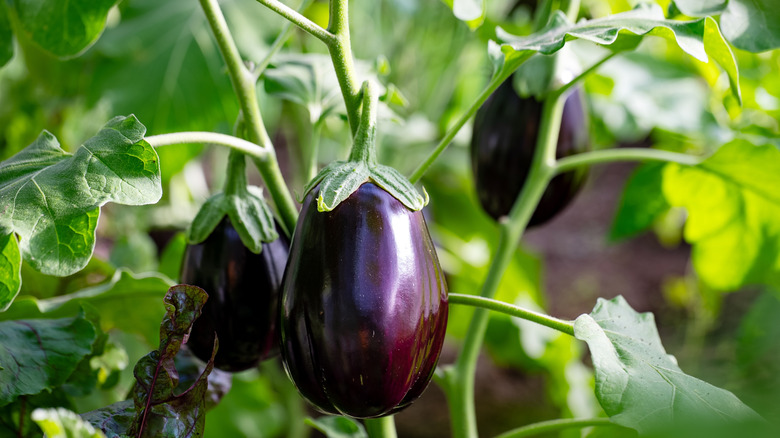
In order to produce a bountiful and healthy harvest of eggplants (Solanum melongena), consider adding some rice water to their regular hydration intake. Eggplants are fruits that require a ton of nutrients to grow, and a bit of a boost from rice water's calcium, potassium, nitrogen, and phosphorus will help them tremendously. However, you have to be a bit more careful with timing here to avoid growing plants with large leaves rather than healthy fruits. Too much nitrogen while the plants are growing can result in big leaves.
Spider plants
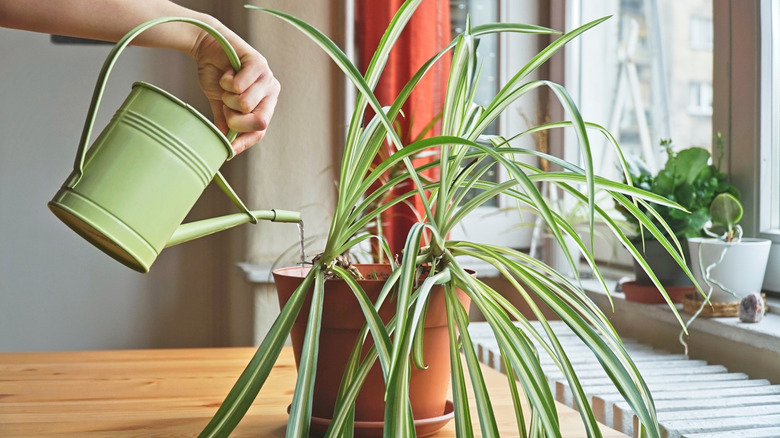
Spider plants (Chlorophytum comosum) are another indoor plant that loves a bit of extra fertilization in order to grow healthy and happy. In this case, it's best to fertilize every month or so in spring and summer, and less in fall and winter. Using some rice water is a watering trick that will help spider plants thrive, so consider using starchy water from rinsing rice or boiling it instead of (or in addition to) commercial fertilizer.