

Remove Snow More Efficiently By Avoiding These 12 Shoveling Mistakes
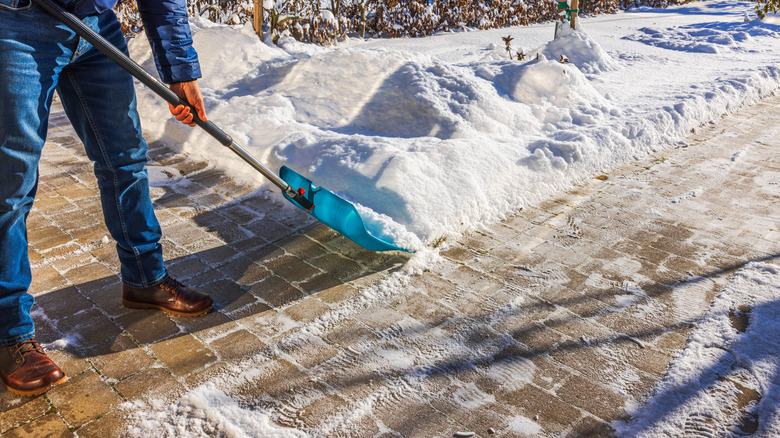
The first major snowstorm of the winter may have you researching moves to Florida, but for now, you're stuck dealing with snow removal around your home. Not only is it necessary to get in and out of your home safely, but it's most likely required by your city — in many municipalities, the homeowner is responsible for shoveling sidewalks within a certain time frame after the snow stops. Shoveling seems simple — scoop and toss. But there are several mistakes you could be making that slow you down or even cause damage (not to mention the risk of injury if you shovel incorrectly).
Effective shoveling all starts with the right tools. You'll need the right type of snow shovel (not too heavy) that's in good shape — and no dull blades allowed. You'll also need to get the timing right, so you don't make more work for yourself. From how to choose the perfect snow shovel that meets all your needs to where to pile the snow, our tips help you shovel the right way this winter.
Failing to plan for snow removal will give you more work in the long run
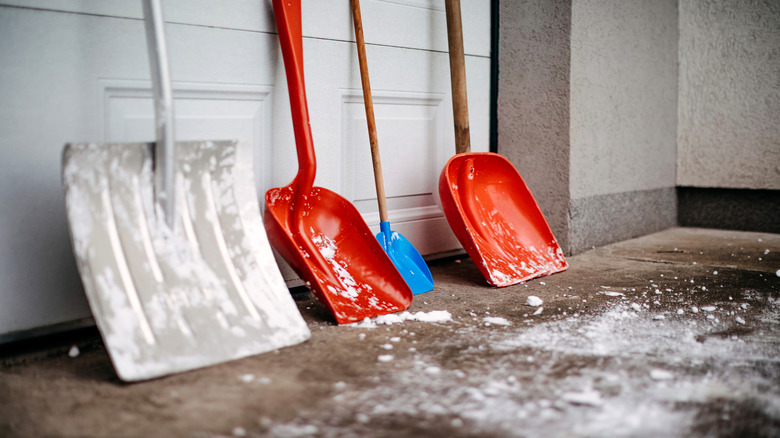
No one wants to think about those early mornings spent shoveling the driveway just to get out of the garage, but ignoring it won't make the snow stay away. Instead, it'll just leave you scrambling when the flakes do fly. Failure to plan is a major problem at the beginning of the season — you won't have your shovels and other snow removal gear ready, and you might not realize you need to replace an aging shovel or stock up on ice melt products. But you can also fail to plan throughout winter. Maybe you forget to wake up earlier on the morning after a major snowstorm, so you end up late to work by the time you shovel yourself out. Not preparing could leave you without the right tools, scrambling to remove snow in a timely manner.
Snow is inevitable if you live in a cold northern climate, so prep for the season before the first blizzard. A good snow shovel is one of the winter tools and essentials to have on hand before snowy weather hits — check your shovels to make sure they're still in good condition. The last thing you want to do is drive to the store on bad roads and fight the other unprepared homeowners for the last shovel. When a snowstorm is on the way, keep up with local weather alerts and monitor the progress of the snow, so you know how to respond.
Thinking all shovels will work for all snow-removal situations

You know snow shovels are one of the must-have tools that make snow removal so much easier, but you might not know how many different types of snow shovels there are. While you can technically remove snow with any snow shovel, they're not all going to be as effective in every situation, which can slow you down or create more work for you. The type of shovel, material it's made out of, the size of the blade, and the design of the handle all affect how well you can use the tool. Grabbing the first snow shovel you find could be a mistake if it's not one that's easy for you to use on the type of snowfall you receive.
First up is push versus scoop shovels: Scoop shovels are the traditional style with a single handle and curved or flat blade, designed to lift and toss snow. Push shovels have wider blades with curved handles, similar to that of a lawn mower. The idea is to plow or push the snow with this shovel, which can be helpful when there's a lot of snow or for seniors and others who may have difficulty scooping. Make sure the handle and shaft are comfortable and the correct length for you to shovel with ease. Curved shovel shafts with extra handles may make shoveling easier. Having a variety of snow shovels on hand gives you more flexibility and allows you to switch tools to improve your snow-removal efficiency.
Using a dull shovel will make your shoveling way less efficient
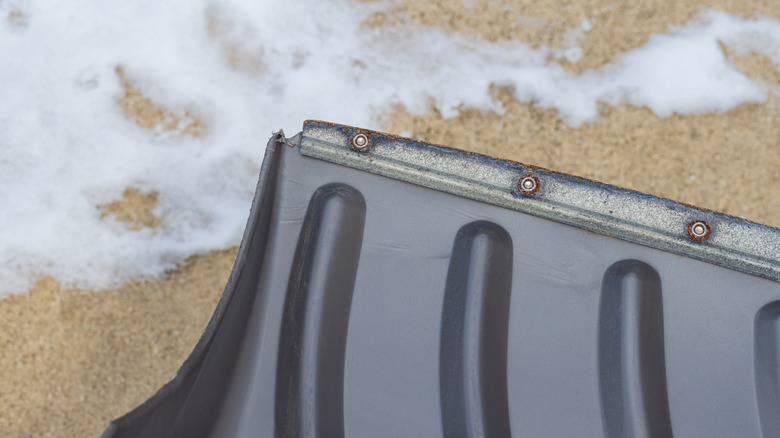
As a homeowner, you're probably familiar with sharpening lawn mower blades and other obviously sharp tools, but you might not consider the importance of a sharp snow shovel blade. If the blade is dull, it'll make it more difficult to break through compacted snow and ice. Not only does that mean you'll have to work harder to clear your sidewalks and driveway, but it'll also slow you down, which makes your shoveling less efficient. Your shovels can become dull if you regularly use them on rough ground or if you leave them outdoors.
Sharpening the blade is an option for metal snow shovels — if you notice your plastic snow shovel is getting dull, it's likely best to replace it. For a dull metal snow shovel, look at the original angle as a guide for how to sharpen it. A 20- to 30-degree angle is common on snow shovels. Use a flat mill file, abrasive stone, or grinder to sharpen the blade.
Using too heavy of a shovel will only make the task more difficult and tiresome
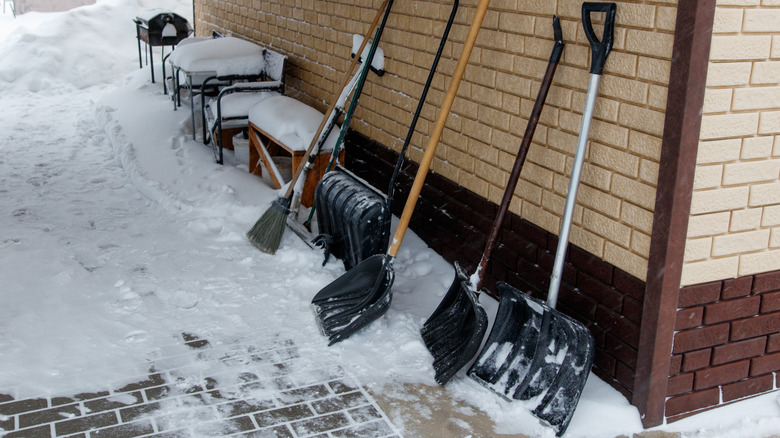
Shoveling snow takes a lot of muscle — the weight of snow varies, but even light, fluffy flakes can add up to about 7 pounds for a cubic foot of snow. When you think about weight, you might not consider how much extra the shovel adds to what you're lifting. But scooping the already heavy snow with a bulky, heavy shovel means you'll need to exert even more effort. That can be particularly overwhelming if you're new to shoveling, have a limited range of motion, or aren't super strong. The overall size of the shovel and the material it's made of impact the total weight.
Weight is one of the considerations in the plastic versus metal snow shovel debate. Plastic-blade shovels are usually the lightest, but they can also break or warp, so they might not last as long. Metal blades are typically stronger, but they add weight, especially if they're made of steel. Aluminum is a lighter-weight metal option, although it bends more easily than steel. The handle material also matters — fiberglass shafts offer a strong yet lighter-weight handle option. The material and weight of the shovel are important, but the size of the blade also impacts overall weight. If you choose a snow shovel with a wider blade, it naturally holds more snow. With each scoop, you'll have a lot more snow weight on the shovel. While you can, theoretically, scoop faster with a larger blade, the extra weight could tire you out and slow you down.
Both overloading and underloading your shovel has its drawbacks
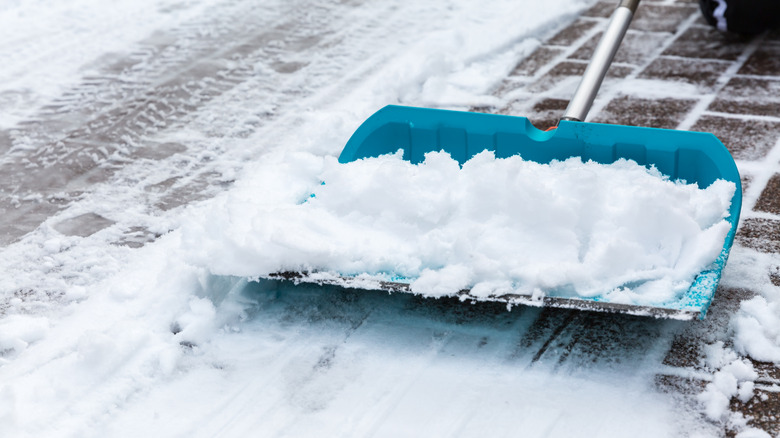
Choosing a large shovel that lets you scoop lots of snow at once might seem like the most efficient option, but overloading your shovel can be a big mistake. The larger amount of snow weighs more, which requires more effort, and you could strain your muscles. Not only is that uncomfortable, but the pain could slow you down significantly on the rest of the shoveling (or keep you from doing it completely). Meanwhile, if you take tiny, dainty scoops, you'll be at it for a lot longer.
If you have a larger shovel that tends to get overloaded with each scoop, consider swapping it out for a smaller option or one that gives you more control over how much snow you scoop. While shoveling, consider the type of snow you're working with. If it's heavier and wet, fill your shovel with even less snow on each scoop — every cubic foot of wet, slushy snow can weigh anywhere from 25 to 51 pounds. As you scoop, pay attention to how heavy the shovel feels. Scale back the amount of snow you shovel on each pass if it's wearing you out quickly.
Skipping other tools and products to make the job easier

Shoveling may be your primary means of removing snow, but it's a mistake to ignore the other options that will make the job easier. For example, if you're avoiding a snowblower for at least part of your snow removal, you're making more work for yourself, especially if you live in a place with heavy snowfall or you have physical limitations that make shoveling a challenge. Using only your shovel to break up ice can also be a mistake that costs you more time.
Consider how well shoveling works for your situation. It might be enough if you only get light snow a few times per year, but adding a snowblower to your collection is beneficial for more significant snowfall, especially if you have a lot of square feet to clear. If you live in an area that gets icy frequently, stock up on some type of ice melt product and a broadcast spreader — these products help thaw the ice, which makes it easier to break apart and remove. There are also several methods for melting ice and adding traction without rock salt during winter. Ice chippers or scrapers are also helpful — the metal blade helps chip away at the packed-down snow and hard ice.
Waiting too long to begin shoveling will leave you with more work than necessary
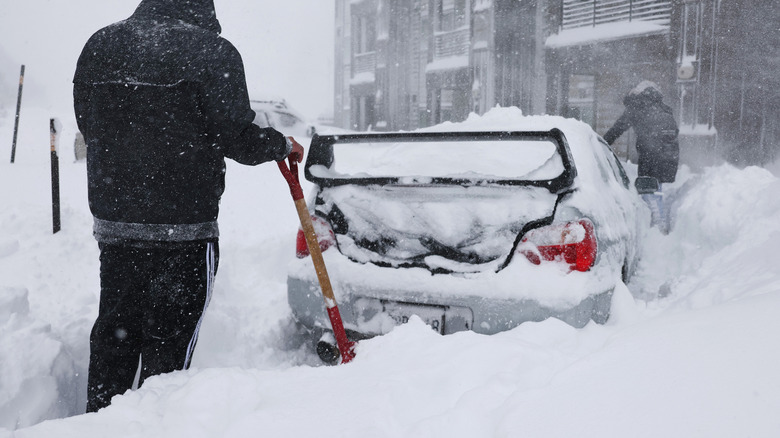
Don't wait too long to shovel snow, as you'll likely end up with more work than necessary. No one wants to shovel the same area multiple times, but waiting until the end of a snowstorm to start shoveling could be a big mistake — especially if the storm deposits several inches of heavy, wet snow. Waiting until the end often makes the snow too deep to shovel efficiently, and you'll likely need to lift more snow with each scoop. Even with smaller snowfall amounts, you don't want to delay your shoveling efforts. If you do, the snow will likely become hard and compacted, which makes it much more difficult to remove.
The best time to shovel snow for easier removal is before it gets too deep or compacted by traffic. If you're expecting several inches, head out after a few inches have fallen to stay on top of the mess. For smaller amounts, start shoveling as soon as the snow stops, if possible. Shoveling within a few hours usually makes the job the easiest because there's less compaction. If it snows overnight, shovel as early in the morning as possible, before people start walking or driving on the snow.
Piling up snow near vents, gutters, and exits could negatively affect your house
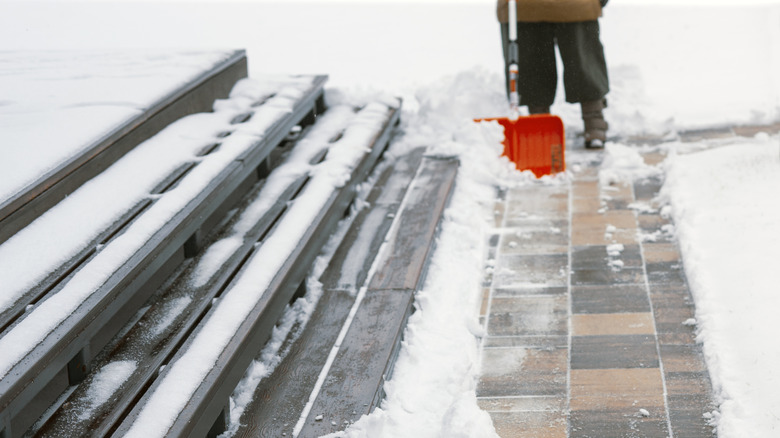
In your efforts to clear a walkway or your driveway, you might pile the snow anywhere you can, often as close to where you're clearing as possible to minimize the effort. That can create more work for you in the long run, as well as potentially dangerous situations. Take exhaust vents, for example. Your home could have several for things like your furnace, dryer, and exhaust fans. If you pile snow near those vents, it could stop them from working properly. That could lead to carbon monoxide buildup in your home. Piling snow near your downspouts can prevent melted snow and ice from draining properly, which could trap it near your foundation, where it can cause water damage. And large piles of snow near entrances can cause slippery conditions or block doors from opening fully.
Before the snow starts to fall, notice those key features of your home and make a mental note of where they are. Next, plan on where you'll put the snow to avoid blocking them. When you're shoveling, check the downspouts, vents, and entrances frequently to make sure they're not blocked.
Blocking your path by shoveling snow where you need to walk will double your work
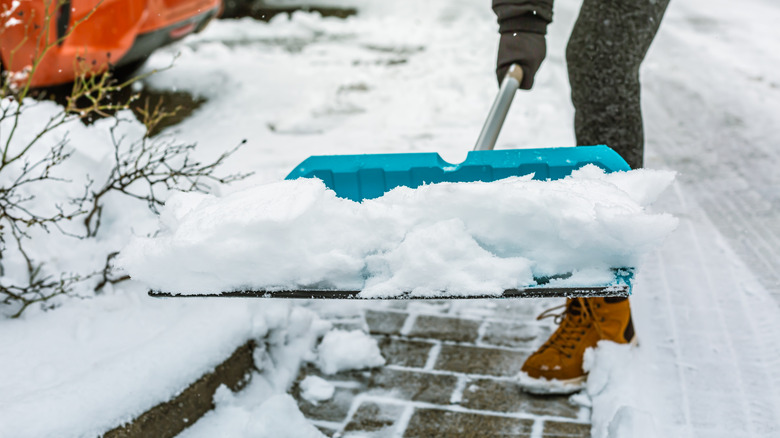
When the snowfall is heavy, it can feel like there's nowhere to put the snow as you remove it. In other cases, you might jump right into the job, without thinking about the best way to approach the removal. That could result in you placing snow where you'll have to shovel it again — you're doubling that work by moving the snow twice. This could happen if you're shoveling your driveway near the sidewalk and toss the snow onto the walkway. Then, when you go to clear the sidewalk, you're shoveling that snow again. It could also happen if you pile the snow too high near your garage, entrance, or other areas. Or, you could block your view when backing out of the driveway if you pile snow near the road. When that deep snow starts to block the way, you'll have to redistribute it.
Before you start shoveling, look at the areas you need to address. Check for where those areas meet, such as where the sidewalk crosses the driveway. Plan where you'll put the snow from those areas so you don't simply move it from one to the other. Keep piled-up snow away from your garage and entrances as well. If you notice the snow getting high in a certain area, find a different place to toss additional snow to prevent it from getting too high.
Shoveling the driveway before the plow comes through may be a waste of time
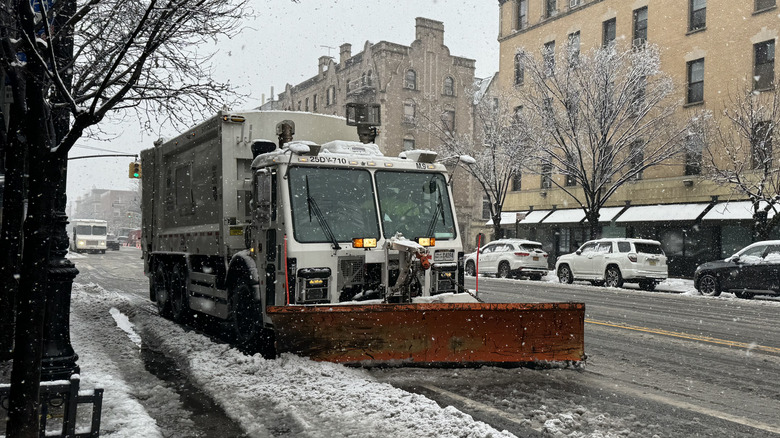
Having snowplows clear the road in front of your house makes your life easier, but it can create more work when it comes to shoveling. Imagine you've just finished shoveling, and your driveway and walkways look perfectly clear. Then, along comes the snowplow, and suddenly, the end of your driveway is once again filled with big clumps of snow and ice. Don't expect the plow to come back and remove that snow for you. You're stuck shoveling that area again.
To make as little work for yourself as possible, wait to make your final pass on the end of the driveway until the snowplow has already come through the neighborhood. You might not be able to wait, especially if you need to leave in your vehicle or you live in a neighborhood that often doesn't see snowplows until long after the snow ends. However, leaving the end of the driveway until the very last part of the job can increase the chances of you avoiding doubling your work.
Not clearing overhangs or branches before shoveling could cause you to shovel twice
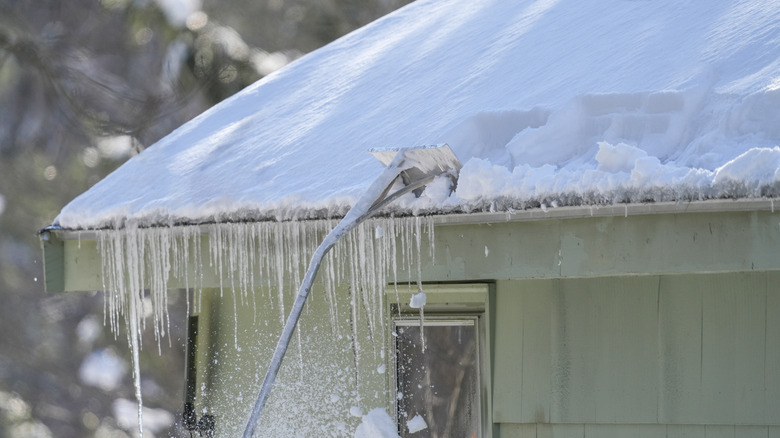
Snow lingering above your driveway and sidewalks could also increase your shoveling workload. Roofs often collect lots of snow, which can cause problems — snow that melts and refreezes could cause ice dams, and large chunks of snow and ice could fall off the roof, potentially causing damages and injuries. Waiting to clear the snow off the roof until after you shovel could force you to shovel some areas again. Tree branches can also hold lots of snow after a major storm — the snow itself or the heavier branches could fall off and onto the areas you've shoveled.
Removing snow from those higher areas on your property before you shovel can prevent problems and eliminate extra shoveling. A roof rake is a handy tool that helps clear snow off your roof and gutters. Use this before you grab the shovel to protect your roof. Trees require a little more care — rough handling can damage the branches. You can gently brush off loose snow using a soft broom, but push upward instead of brushing toward yourself. Removing the snow a little at a time while it's still falling is often the most effective and the safest for the tree.