

20 Of The Most Overlooked Garden Plants
There are an estimated 30,000 edible plant species on our planet, and surprisingly, humans only cultivate about 150 species for food. Most of our diets come from about 30 different plants, narrowing down the diversity even further. The rest are overlooked because modern agriculture favors improving production over increasing diversity. This same trend plays out in our frontyards and backyards. Home gardeners often grow only the mass-produced plants and seeds stocked by big box retailers and garden centers. Yet there are thousands of beautiful cultivars out there that could add color, texture, and variety to your garden. Edible partridge berries, Colorado orange apple trees, and roselle bring color and deliciousness. Delicate or dramatic flowering plants like oca, borage, and chocolate cosmos light up our gardens.
From hostas and peonies to maples and oaks, gardens all over the country continue to be filled with the same old annuals, perennials, shrubs, and trees. At the same time, there's a growing awareness about the importance of biodiversity and its impact on everything from plants and pollinators to wildlife and human health. Looking for the best plants to grow for a biodiverse garden? Bored with all-too-familiar choices? Add one or more of these plants to your landscape and you'll enrich the diversity of your garden's ecosystem. You'll also give pollinators and wildlife the resources they need to survive. This plant list can help you branch out — quite literally — and explore lesser-known cultivars. They're all worth learning about, even if some plants don't fit with your specific USDA Growing Zone or conditions.
'Mount Airy' Fothergilla
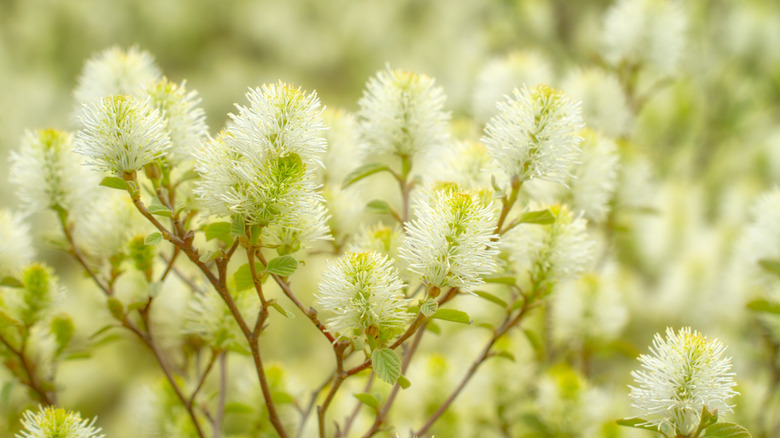
In a plant list that includes a bit of everything, 'Mount Airy' Fothergilla (Fothergilla major 'Mount Airy') is a good place to start. Hardy in Zones 5 to 9, this plant is a good alternative to more popular shrubs like spireas, lilacs, and hydrangeas. 'Mount Airy' is a dwarf mountain witch alder cultivar, reaching only 3 to 6 feet tall. With its white bottle-brush blooms and wide range of fall color, this relative of witch hazel makes an excellent foundation or mass planting specimen. It's also a deer-resistant plant that will bring color to your yard.
'Purple Daydream' dwarf Loropetalum
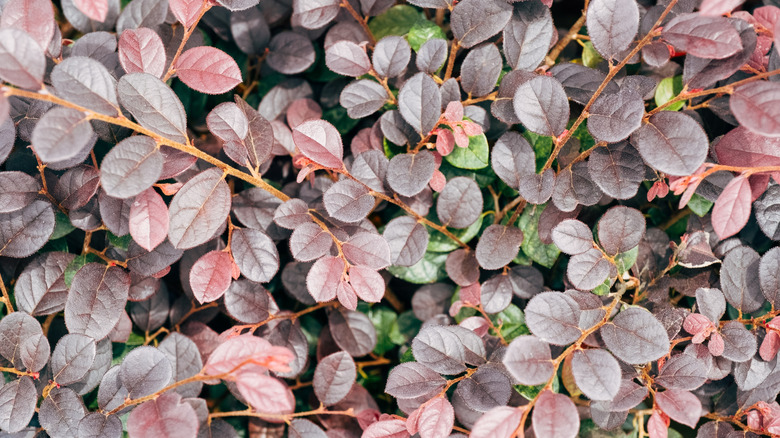
'Purple Daydream' dwarf loropetalum (Loropetalum chinense 'Purple Daydream') is a foundation shrub that pairs nicely with 'Mount Airy' fothergilla. With rich purple foliage and bright pink spring flowers, it's a vibrant evergreen shrub that's perfect for small gardens. Although overlooked, it can do a lot of heavy lifting in your landscape. For starters, it provides year-round interest in Zones 7 to 10. Unlike standard loropetalums, which can get over 10 feet tall and need to be pruned constantly, 'Purple Daydream' stays about 3 feet tall. The plant boasts thick foliage that doesn't need to be pruned.
Partridge berry
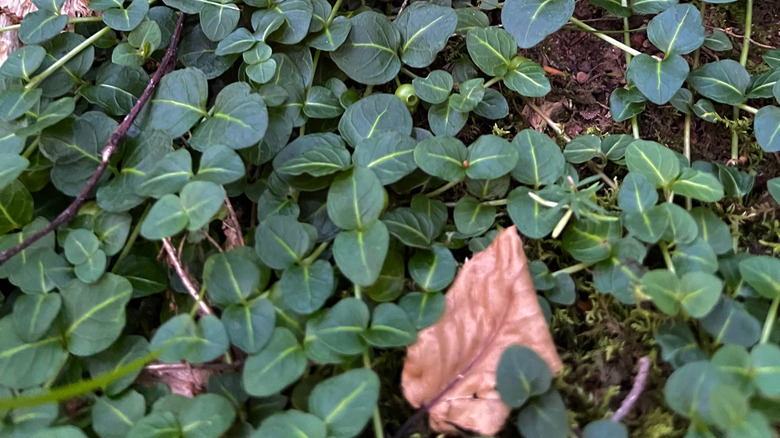
Gardeners are always looking for low-maintenance groundcovers, but one you never see on any of the lists is the partridge berry (Mitchella repens). The partridge berry is a broadleaf evergreen hardy in Zones 3 to 8. It requires part shade to full shade, making it a perfect choice for woodland gardens. This trailing plant provides a year-round mat of foliage about 2 inches tall with white flowers and edible berries. It is native to sandy soils and, rather unusually, tolerates dry soil and heavy shade. It can be challenging to establish sometimes.
'Black Lace' elderberry
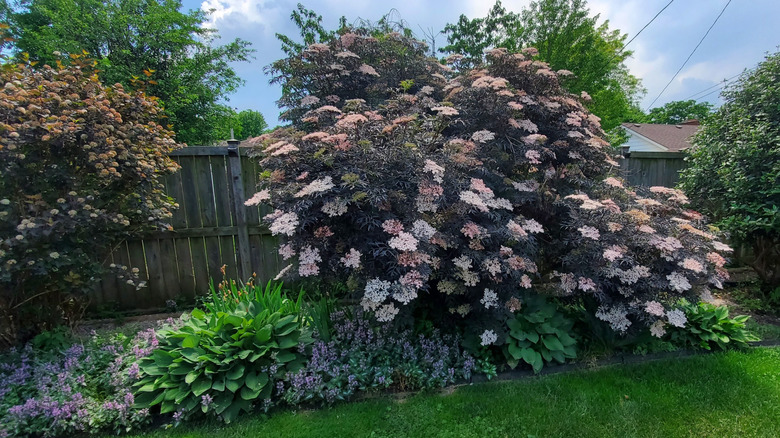
Are you embracing the gothic garden trend? Another plant that doesn't get as much attention as it deserves is the 'Black Lace' elderberry (Sambucus nigra 'Black Lace'). Hardy in Zones 5 to 7, 'Black Lace' has striking purple foliage and delicate, lacy pink flowers. 'Black Lace' grows prolifically, reaching 20 feet tall in some cases, so this is not a small shrub. Prune it to a more manageable 10 feet tall to promote healthy growth and keep it from taking over your yard.
Colorado orange apple tree
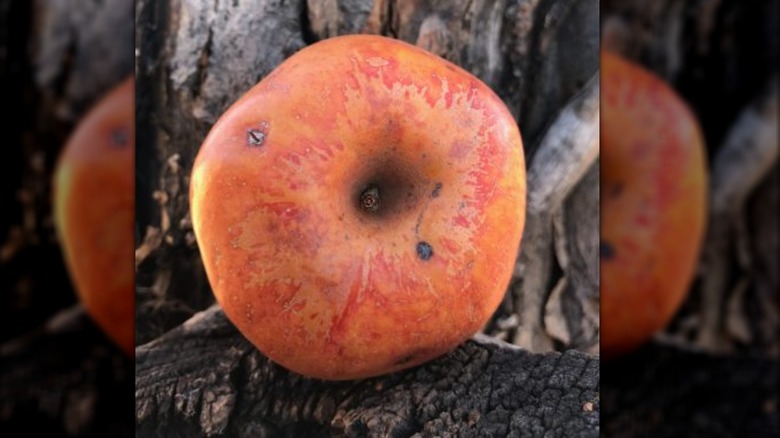
We don't actually know how many species of apples were lost in the last hundred years or so due to simply not planting them. Today, people are searching for and rediscovering these overlooked fruit trees. Several species thought to be extinct have been rediscovered and are making their way into production, including Malus domestica 'Colorado Orange.' Hardy in Zones 4 to 8, this is an orange-colored apple with golden yellow flesh. It was described about a hundred years ago as an extraordinary keeper whose flavor improves as it ripens in storage from December to July.
Cameo apple tree
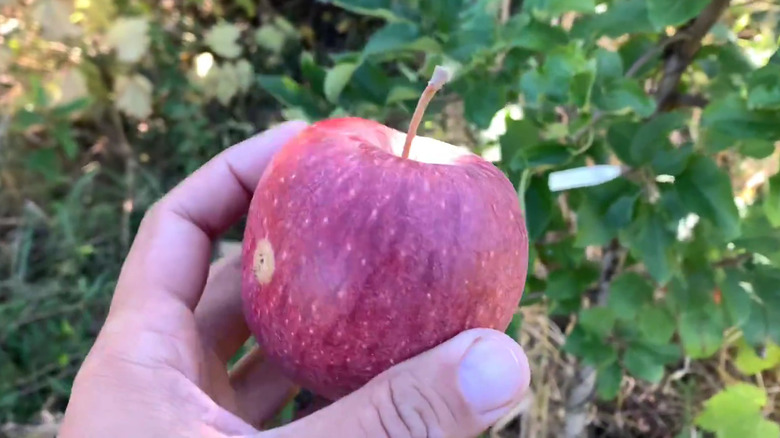
With how important apples are as a food crop, it's worth mentioning another overlooked apple. This one tells a story about how nature creates diversity through genetic mutations. Found growing in the 1980s between two fields of Red and Golden Delicious apples and thought to be a cross between both cultivars, the semi-dwarf 'Cameo' apple (Malus domestica 'Cameo') is a perfect example of a favorable genetic mutation. While it gained some recognition after being discovered in that field in Washington State, it's not really as popular as it should be.
Roselle
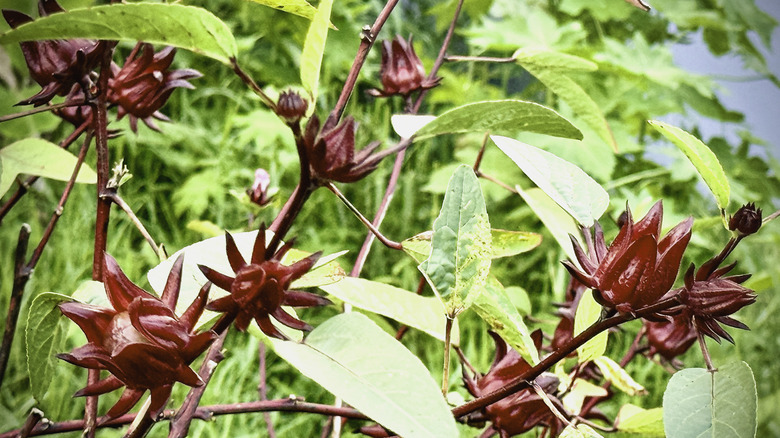
If you're planting a food forest as a good alternative to your lawn, you might appreciate this overlooked plant in the mallow family. Roselle (Hibiscus sabdariffa) is the hibiscus species that's used to make tea. While it's not quite as ornamental as other hibiscus cultivars, it does produce edible maroon calyxes, used to make everything from tea to jam. To grow your own hibiscus tea plant, treat roselle as an annual in Zones 3 to 7 or grow it year-round in Zones 8 to 11.
Oca
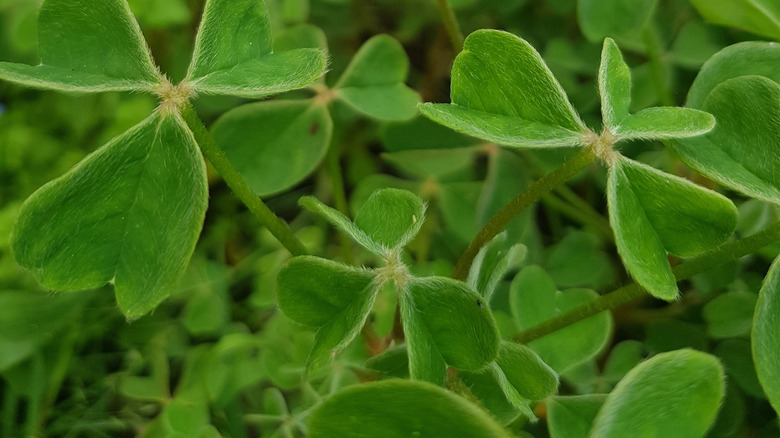
Now seems like a good time to talk about more edible plants that have been overlooked, especially since food forests are the sustainable gardening trend that we hope to see dominate in the coming years. While the potato stole all the glory when Europeans discovered plants in South America in the 1500s, oca (Oxalis tuberosa) continues to be a staple food crop there. However, it's mostly unheard of in the U.S. Rich in carbohydrates, this plant can be grown in Zones 6 to 9 using similar planting and care techniques to those of the more famous potato.
Borage
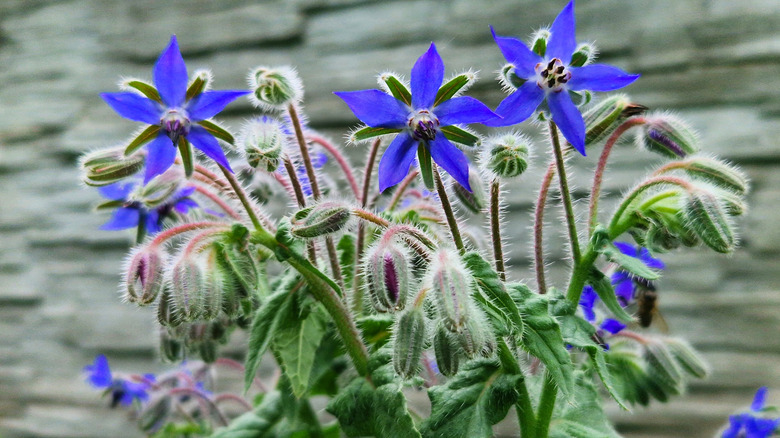
Another plant for your edible landscape is one of the most overlooked herbs, borage (Borago officinalis). This annual, also sometimes called starflower, is easy to grow from seeds and has many uses in the home and garden. It's hardy almost anywhere, growing well in Zones 2 to 11. Plant it as a companion for fruits and vegetables. The violet blue star-shaped flowers are edible and can be used in salads or flower ice cubes for midsummer beverages. You can start borage easily from seed outdoors in the spring or let it self-seed in your garden.
Valerian
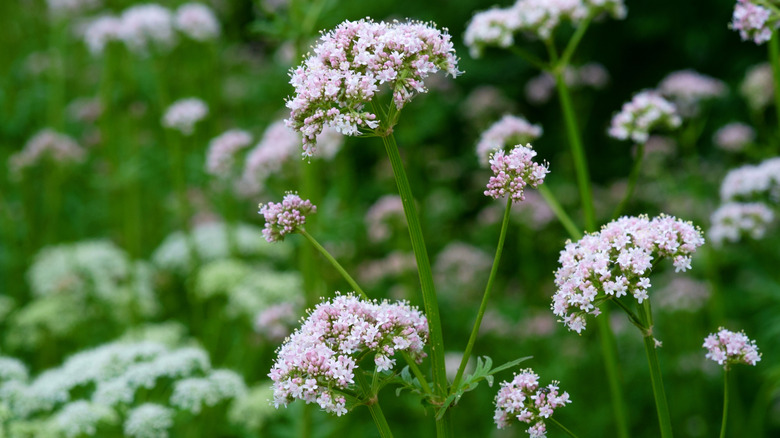
Whether you're growing a wildflower, herb, or cottage garden patch, consider adding valerian (Valeriana officinalis). This herb is often overlooked, despite it being a beautiful plant, especially when it blooms. Valerian, sometimes called garden heliotrope, achieves quite a bit of height; it has fragrant pink and white umbels on stalks that rise 5 feet above the basal foliage. It's deer-resistant and can be a bit weedy. This low-maintenance plant is hardy in Zones 4 to 7 and can be used in butterfly and pollinator gardens. It looks especially charming against a tall wooden fence.
Chocolate cosmos
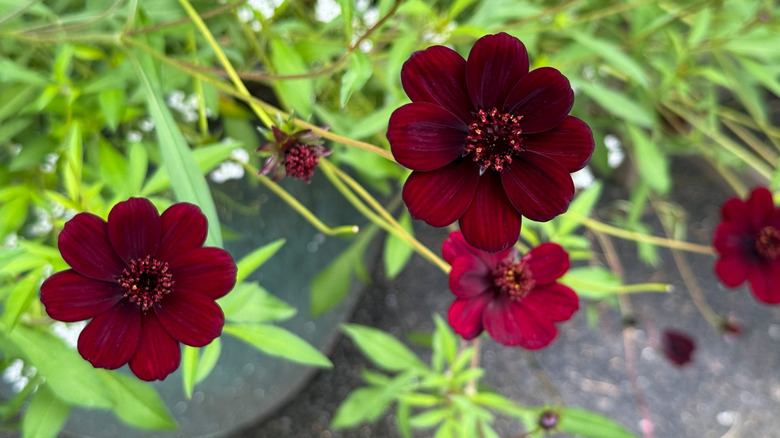
Many gardeners enjoy creating themed gardens, such as pollinator gardens, moon gardens, and tea gardens. You could also try a chocolate theme for an unusual twist on this fun garden practice. Cosmos atrosanguineus 'Chocolate' has rich, dark chocolate-colored flowers with a scent that's surprisingly true to its name. It's hardy in Zones 7 to 9, but can be grown as an annual in higher zones, and will attract pollinators and hummingbirds to your garden. 'Chocolate' isn't nearly as common as other cosmos cultivars, so it can be a little challenging to find.
Vernonia 'Summer's Swan Song'
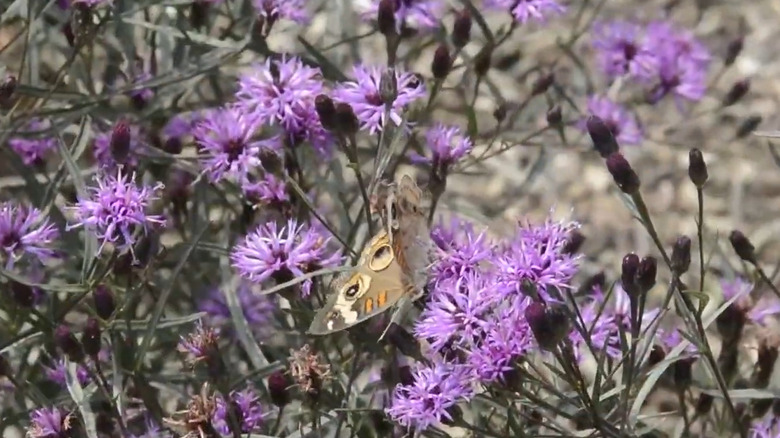
Have you heard of the Garden Club of America's 2026 Plant of the Year, Vernonia lettermannii 'Iron Butterfly? A hybrid of this native plant, called Vernonia 'Summer's Swan Song,' was also developed by the Chicago Botanical Garden. It reaches 2 to 3 feet tall and combines the best traits of 'Iron Butterfly' and Vernonia angustifolia 'Plum Peachy.' With deep purple flowers, this hybrid perennial blooms just as reliably as 'Iron Butterfly.' It's hardy in Zones 4 to 9 and offers advantages such as powdery mildew resistance and a long bloom period starting in late summer.
'Red Satin' Coreopsis
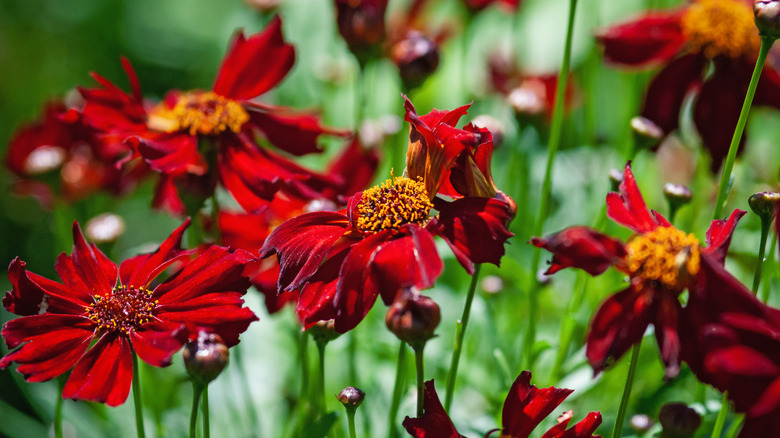
Golden tickseed (Coreopsis tinctoria) is a commonly cultivated and widely distributed naturalized annual. However, there's another cultivar in this plant genus that deserves a lot more attention. Often overlooked in cottage and meadow gardens, Coreopsis 'Red Satin' produces showy flowers from summer to fall. It also has sterile seeds that won't self-sow. Hardy in Zones 5 to 9, 'Red Satin' is resistant to drought, deer, and poor soils. Whether you plant it in cutting beds, borders, and containers, shear it back after the first blooms and it will delight you with ruby red flowers all season.
Smooth coneflower
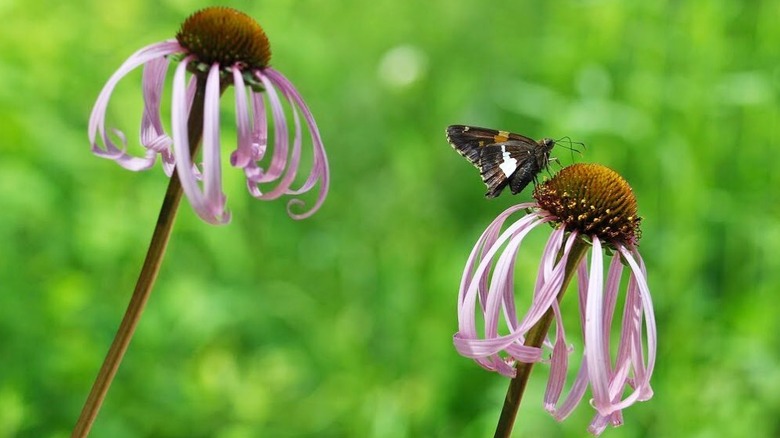
It seems like every year the garden nurseries have another exciting variety of echinacea to offer. However, one coneflower that's been around a lot longer than these trendy cultivars continues to be overlooked. The smooth coneflower (Echinacea laevigata) is federally listed as endangered due to habitat loss and competition from other non-native plants. Hardy in Zones 3 to 8, the smooth coneflower currently only grows wild in ten Virginia counties. If you decide to grow this cultivar, be aware that it hybridizes easily with other echinacea species. Give it plenty of room to protect its genetic diversity.
Blue star
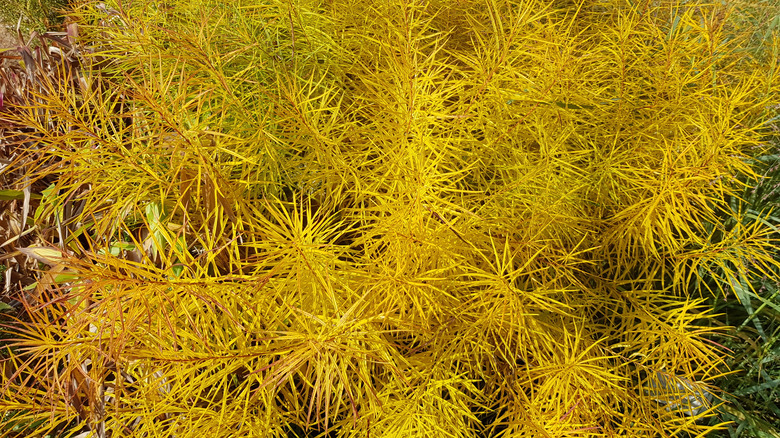
The next species on our list of overlooked plants wasn't even discovered until the early 1940s. It was found in the Ouachita Mountains of Arkansas and Oklahoma. With its delicate blue flowers, feathery green foliage, and golden fall colors, blue star (Amsonia hubrichtii) deserves more recognition. Hardy in Zones 4 to 8, this plant is deer-resistant and can tolerate a wide range of soils. Give it full sun to part shade and avoid over-fertilization or the plant will flop. You can also cut it back after it flowers to prevent this problem.
Summer snowflake
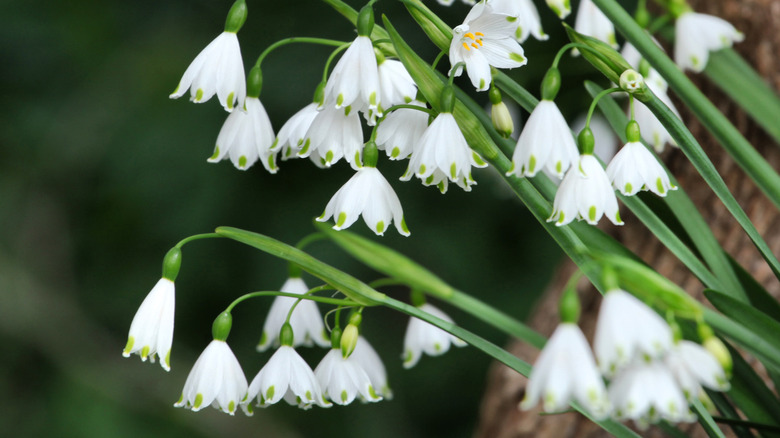
Although Leucojum aestivum is called summer snowflake, it blooms in late spring, just after flowering bulbs like daffodils and tulips have finished stealing the show. Gardens are bursting into color at this time of year, so it's easy to see how white-flowering plants like summer snowflake can get overlooked. If you stop to notice it, you'll appreciate the gentle beauty it brings to your early-season flower beds. A member of the onion family, summer snowflake is hardy in Zones 4 to 8.
'Blue Danube' Camassia
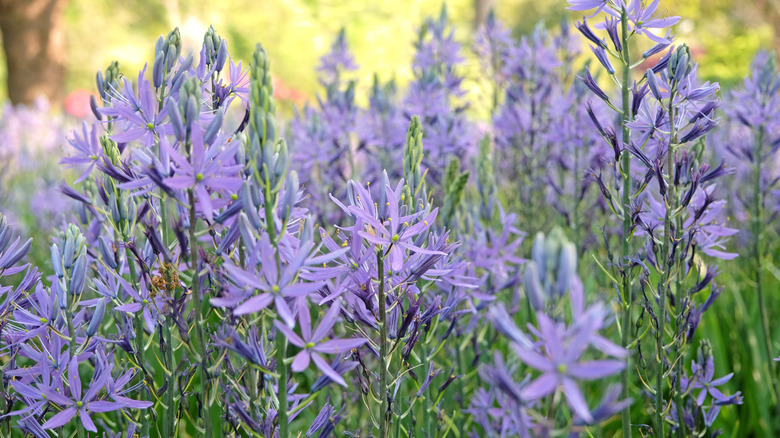
'Blue Danube' Camassia (Camassia leichtlinii 'Blue Danube') is the perfect spring flower to plant under cherry blossom trees. It's also a cultivar of a native plant that was once a staple food crop of indigenous North Americans. Like summer snowflake, camassia is a late spring flowering bulb that bridges the gap between early spring flowers and summer blossoms. It's often overlooked when people plant their fall bulbs. Camassia is a good choice for moist soils, is hardy in Zones 3 to 8, and remains well-behaved once it naturalizes.
Dog-toothed violet
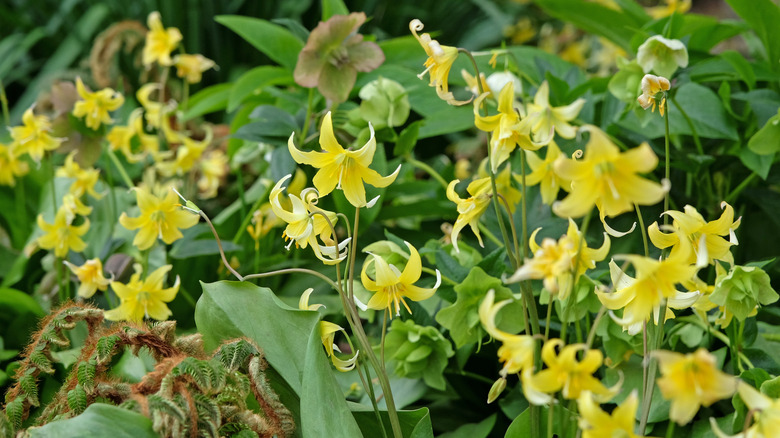
In the same vein as the camas lily, the dog-toothed violet (Erythronium americanum) is a native perennial wildflower with various cultivars throughout North America. Dog-toothed violet roots are also edible. However, while the camas lily produces tubers, the dog-toothed violet has rhizomes or corms that you can easily transplant under the right conditions. You can also grow this plant from seed, although it takes several years. It's hardy in Zones 3 to 8. Dog-toothed violet's ephemeral qualities may have contributed to it being overlooked: after it blooms in the spring, it goes dormant.
Giant allium
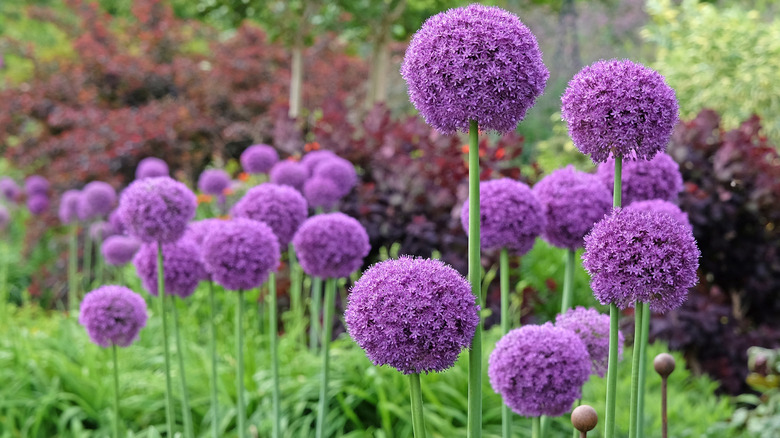
It's plants like onions, chives, and garlic that have stolen the show in the Allium genus, leaving other species overlooked. There's a variety of allium you should be growing for the largest possible blooms: giant allium (Allium giganteum). Varieties like 'Globemaster' and 'Gladiator' have blossoms the size of a dinner plate, making them some of the biggest showstoppers in a garden. It's hard to fathom why they don't get more attention, especially considering that they are deer-resistant, easy to grow, hardy in Zones 5 to 8, and large enough that you quite literally can't miss them.
Giant rhubarb
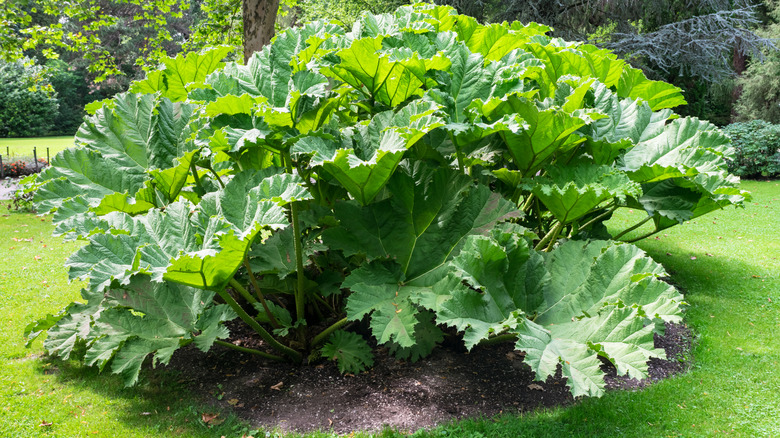
If big plants are your thing, you'll want to take notice of Gunnera manicata, also known as giant rhubarb or dinosaur leaf plant. Despite its size, this standout plant is often overlooked. You can grow this dramatic landscaping plant in Zones 7 to 10. With a spread of up to 14 feet, a single giant rhubarb could almost take up an entire small front yard. It's most striking when paired with ornamental grasses. Since it likes permanently wet soil, it's a good choice for the moist area in a rain garden.