

20 Gorgeous Hydrangea Varieties Recommended By Our Professional Gardener
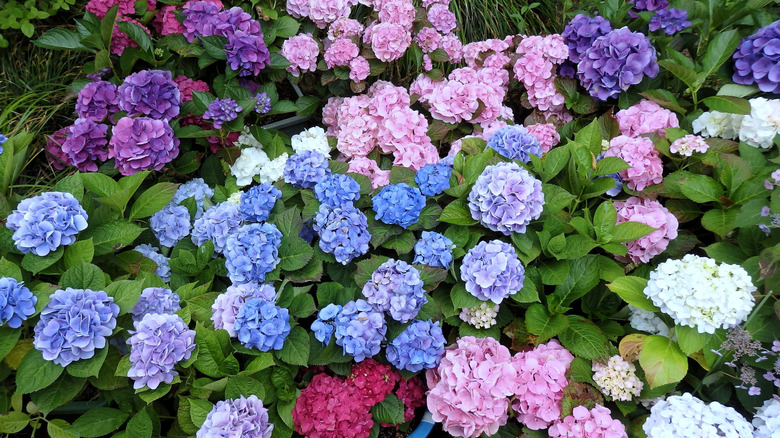
Hydrangeas are a versatile shrub in the garden, with a long season of bloom and color interest. As a professional gardener, I care for many different kinds of hydrangeas and have had to learn about the best ways to care for them including pruning, mulching, and the best soil and sun conditions for them. I gathered a list of some of my favorite hydrangeas, and what are in my opinion some of the most beautiful ones you can grow.
There are several types of hydrangea, including broadleaf, panicle, oakleaf, smooth, and mountain, and these include sub-types based on flower shapes, like mophead and lacecap. There are dozens of cultivars to choose from, with new ones being introduced every year, and patented product line, such as 'Endless Summer' and 'Invincibelle.' I tend to prefer classic hydrangeas but some of the newer introductions have become my favorites (like the 'Mini Mauvette' in my garden).
Hydrangeas are fairly low maintenance shrubs. Most hydrangeas tolerate clay soils, but a top dressing of compost or aged manure in the fall will improve soil drainage and keep them thriving. Soil amendments can shift the bloom colors of broadleaf hydrangeas: more acid soil for blue (coffee grounds, peat moss, pine needles, or aluminum sulfate), more alkaline soil for pink (lime, baking soda, crushed eggshells). Using shredded pine bark mulch helps increase acidity as it breaks down into the soil, and it also insulates the roots over the winter.
'Nikko Blue'
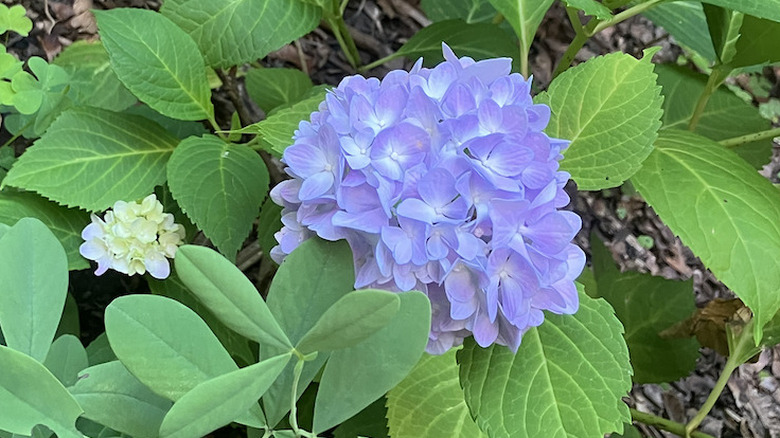
This classic, well-loved blue-flowering hydrangea grows up to six feet tall and wide, with long-lasting flowers that first appear in June. 'Nikko Blue' is cold hardy in USDA Zones 6 through 9, and it's best to plant this broadleaf hydrangea near a wall or fence for winter protection from wind. Mulch in winter with shredded bark, pine straw, or leaves. The flowers emerge pale green touched with periwinkle blue, and then turn rich cobalt blue at summer's peak. In less acidic soils, the flowers may have some pink or purple tones, but 'Nikko Blue' is reliable for its blue blooms.
'Twist-n-Shout'
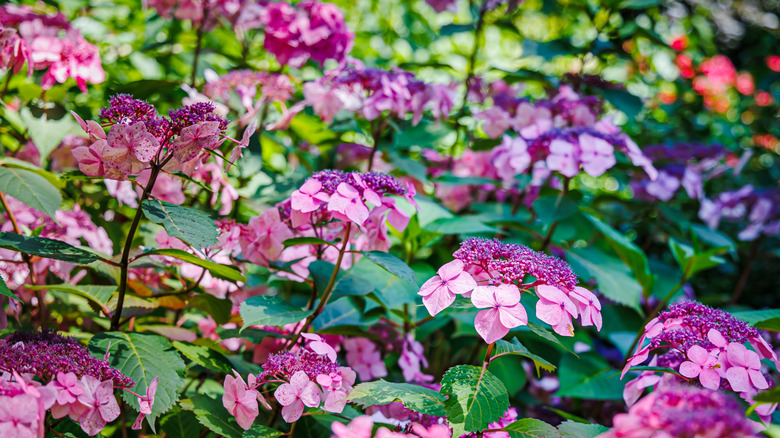
The beautiful lacecap (broadleaf) hydrangeas have flower heads with tiny florets in the middle and larger delicate blooms surrounding them, offering gorgeous texture. The 'Twist-n-Shout' lacecap is hardy in zones 4 through 9. It's from the 'Endless Summer' line of hybrids and is one of the more cold-hardy lacecap varieties available. The flowers of 'Twist-n-Shout' can bloom pink, purple, or blue, depending on soil acidity, but their default color is pink with a hint of lavender.
'Annabelle'
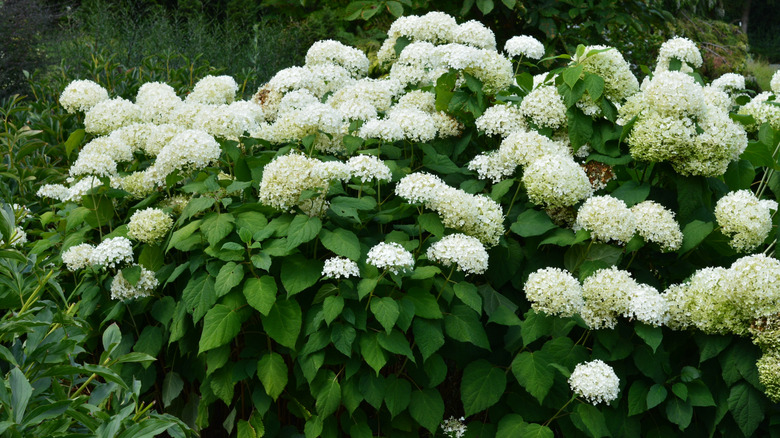
The big, fluffy flower heads of smooth hydrangeas (Hydrangea arborescens) bloom for weeks in summer. 'Annabelle is a popular, cold hardy (zones 3 through 8) medium-sized cultivar that thrives in partial shade gardens, loved for its long-lasting blooms. The buds have subtle green hues as they open in June, and the creamy white flowers last all summer. Unlike panicle hydrangeas, these white flowers don't take on rosy pink tones in fall, but their faded tan flowers have a delicate beauty all the same. Prune the spent flower heads in late winter, or leave intact for winter interest.
'Bloomstruck'
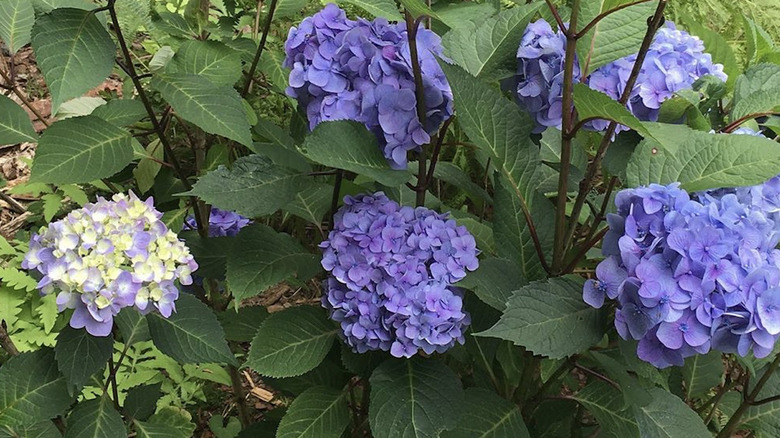
Some gardeners complain about the 'Endless Summer' hydrangeas, which aren't always cold hardy enough to bloom reliably in zone 5 or below. However, I've found the 'Bloomstruck' cultivar to be a great bloomer in zone 5b, though I'm told we're transitioning into being zone 6a (eek). The color shifts in this hydrangea's flowers are stunning: from pale green and blue; to deeper blue tinged with violet; to violet-purple. Then, in fall, deep burgundy to dusty crimson in November. They only need a quick light prune in early spring to removing old blooms as new buds emerge.
'Mini Mauvette'
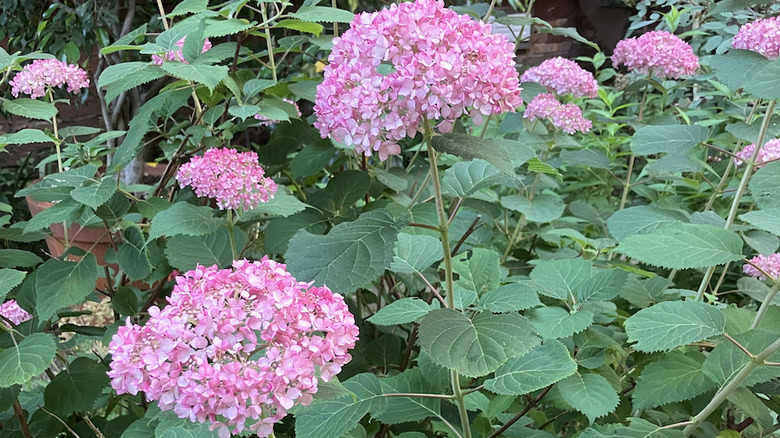
This recent hybrid introduction is perfect for Northeast gardens and other colder zones. This smooth hydrangea (Hydrangea arborescens) is hardy to zone 4 and blooms happily in partial shade. I got a small potted one a few years ago at a botanical garden sale for $12, and now, it's 4 feet tall and grows more stunning with every season. The tiny flowers of 'Mini Mauvette' form full, lush flower heads in a soft mauve pink color that is captivating in the garden. It needs no special care other than deadheading after the blooms fade.
'Pinky Winky'
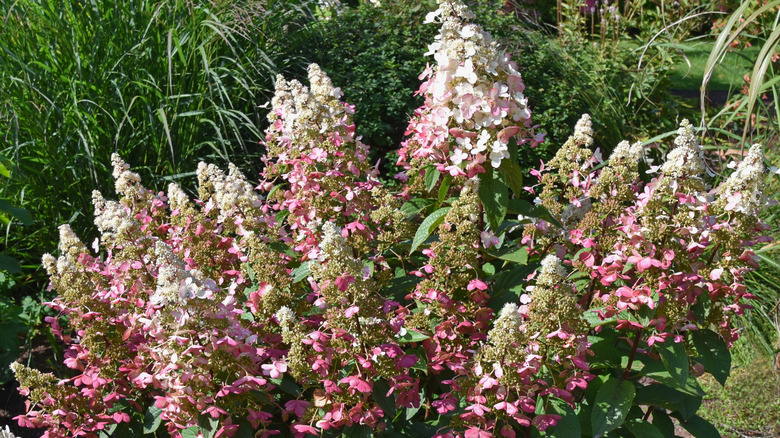
Despite is diminutive-sounding name, 'Pinky Winky' is known for its huge cone-shaped panicles of creamy white flowers that bloom all summer and turn rosy-to-hot pink in autumn. Panicle hydrangeas (Hydrangea paniculata) are cold-hardy, which makes them an excellent foundation — it's a three-season beauty that piques winter interest. You can leave the flower heads through winter and trim them in early spring, if desired. There's a "new improved" version called 'Pinky Winky Prime' that grows up to 9-feet-tall and wide, and it's hardy in zones 3 through 9.
'Penny Mac'
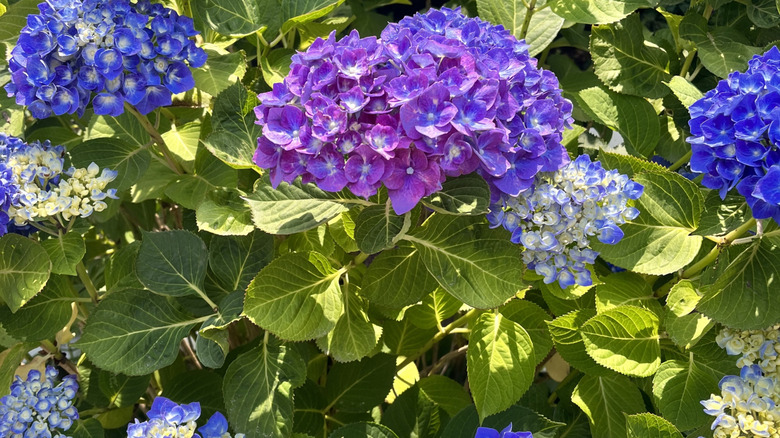
The 'Penny Mac' hydrangea is a beloved broadleaf variety with full mopheads of flowers that bloom bright hues of blue, purple, and pink, sometimes all on the same shrub. The flowers will tend to be more pink in alkaline soils, and you can add soil amendments to try and shift the colors. This easygoing hydrangea grows 4 to 6 feet tall and wide. It's hardy in zones 5 through 9, thrives in partial shade, and produces new flower clusters all summer, putting on a glorious color show.
'Vanilla Strawberry'
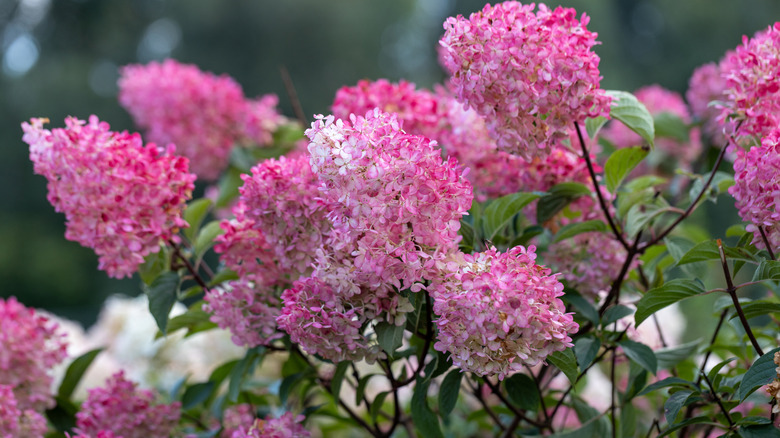
Sometimes referred to by its French name, 'Vanille Fraise,' the 'Vanilla Strawberry' cultivar is a lovely panicle hydrangea whose flowers turn from warm white to clear bright pink over the summer. The sweet color show sometimes includes white, pink, and burgundy flowers all at the same time as new buds continue to form through the season. This is a large shrub (6 to 7 feet tall) and performs well in partial shade. Like all panicle hydrangeas, it's very cold hardy in zones 4 through 8, and makes an excellent specimen or foundation shrub.
'Ruby Slippers'
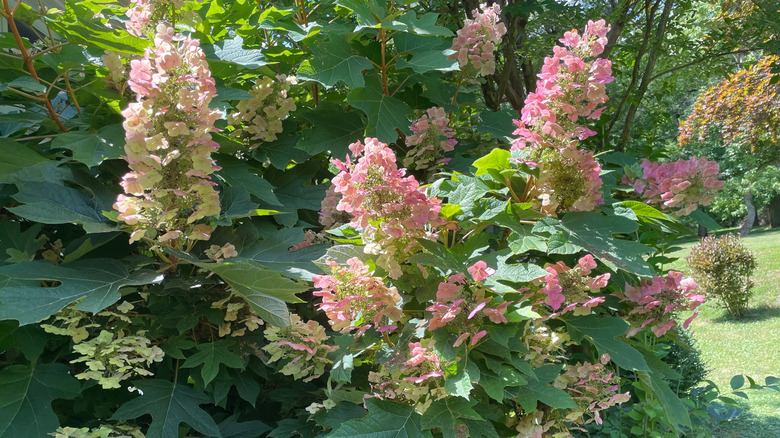
This oakleaf hydrangea (Hydrangea quercifolia) is compact in size (unlike most oakleaf cultivars), so it can be tucked into smaller spots easily. 'Ruby Slippers' has large cylindrical-shaped clusters of flowers that progress from creamy white to rose pink-tinged with green, similar to the color shifts of panicle hydrangeas. One outstanding feature of oakleaf hydrangeas — in addition to their robust cold hardiness and suitability for partial shade — is their gorgeous autumn foliage color: The leaves turn brilliant shades of rust and burgundy. The dense leaf habit also provides shelter for songbirds.
'Let's Dance Lovable'
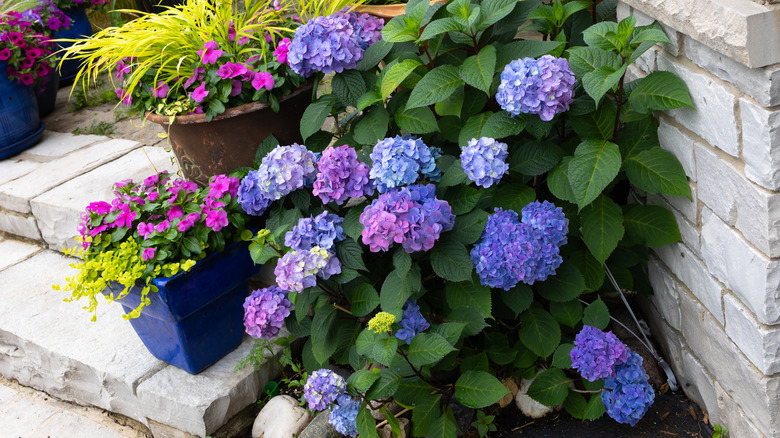
The 'Let's Dance' broadleaf hydrangea series contains robust bloomers featuring colorful cultivars like 'Sky View' (pastel blues and pinks), 'Rhythmic Blue' (with square-shaped violet-blue flowers), and 'Can Do!' (a lacecap with double flowers of pink and blue). The 'Lovable' mophead blooms in rich shades of pink, lavender, blue, and purple, sometimes all at once (pink or blue tones may vary depending on your soil pH). What's more, this one reblooms in late summer, and the leaves turn a beautiful burgundy in autumn. A stunning, compact, cold-hardy (zones 4 through 9) shrub to feature prominently in your garden.
'Limelight'
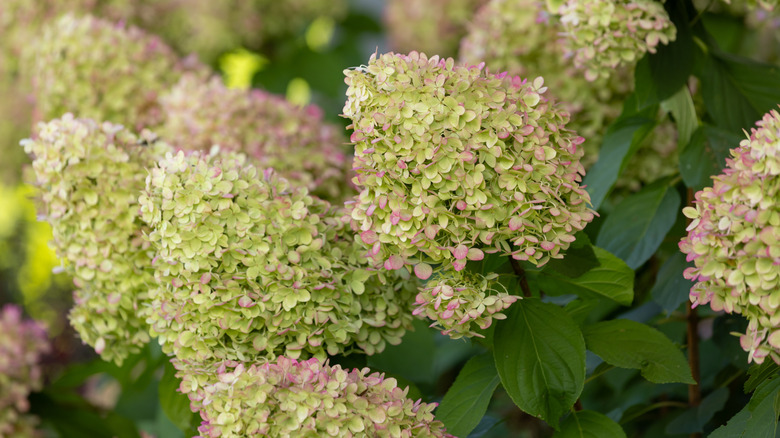
The 'Limelight' hydrangea is a very popular panicle hydrangea, loved for its huge flower heads and non-stop color show. The flowers open a delightful pale green, turn creamy white, and then mature to dusty pink and burgundy. The large leaves turn burgundy in autumn, too. These large shrubs (6 to 9 feet tall and wide) are cold hardy in zones 3 through 9, and they are very easy to care for. Give them some space, partial- to full-sun, and some shredded pine bark mulch to keep them happy.
'Glowing Embers'
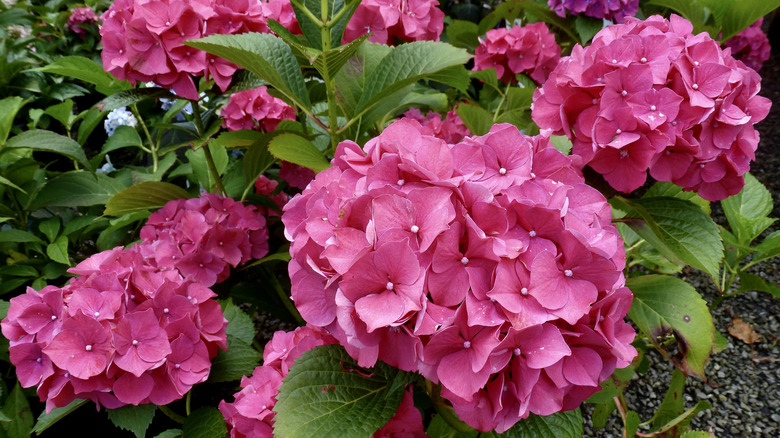
This compact broadleaf hydrangea is shade-friendly and bred to be drought-tolerant. The flowers of 'Glowing Embers' are large and showy, starting out white tinged with green. Then, they turn warm raspberry pink to burgundy red, but can produce blue blooms with more acid soil. Morning sun is best, and a bit of mulch in winter helps insulate their roots. Their suckering habit requires a bit maintenance to control size and spread, but divide easily for replanting. Leave the hollow cane-like stems intact until spring for native pollinators to shelter for winter.
'Snowflake'
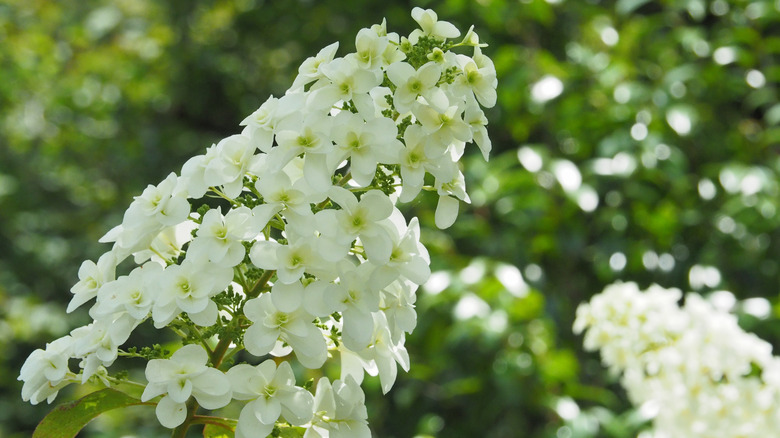
The 'Snowflake' cultivar is a stunning oakleaf hydrangea with huge panicles of double flowers of creamy white tinged with green. It develops rosy pink tones late in the season. The leaves turn deep red and wine hues in the autumn, making this a three-season show-stopper. It's hardy in zones 5 through 9, and it's of a flexible medium size with a maximum height and spread of 5 or 6 feet.
'Blue Enchantress'
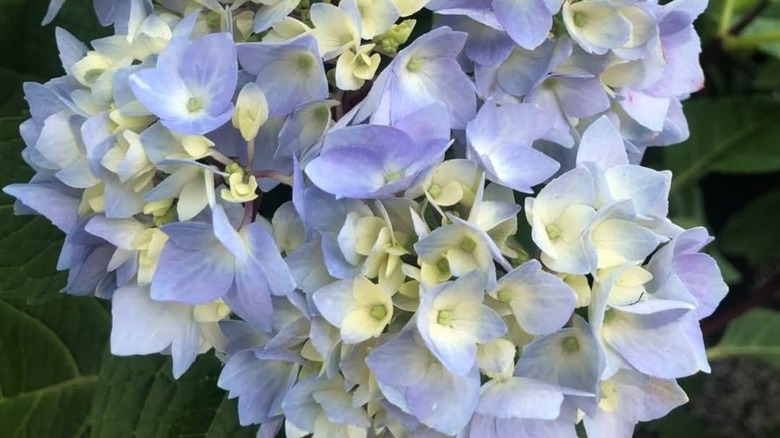
I first saw these for sale in Lowe's and I'm still wishing I'd bought one. This gorgeous mophead was first called 'Monmar' and then 'Enchantress', but now the 'Blue Enchantress' cultivar is trademarked by Monrovia. The dark reddish stems are striking, and the pale blue flowers have touches of cream and pale green (alkaline soil may make flowers more pink than blue). It's cold hardy for zones 4 through 9, but some winter protection from cold winds is still a good idea, as is mulching lightly after the first hard frost to ensure better bud survival.
'Strawberry Sundae'
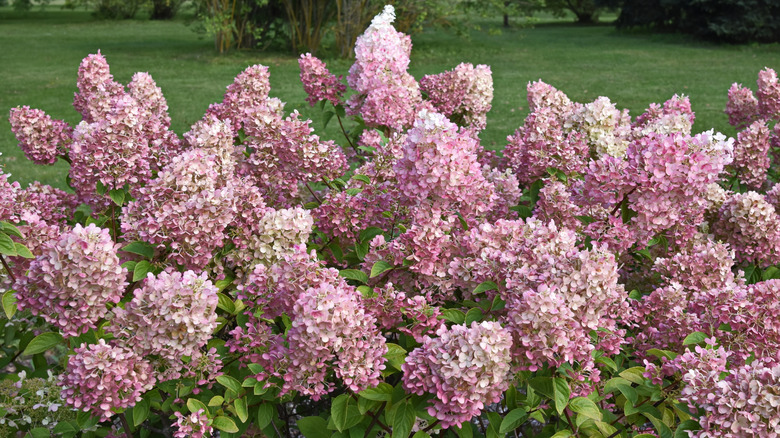
I haven't grown this one yet, but I'm very excited to try it. The smaller size (4 to 5 feet high and wide) and mauve-pink hued flowers make it similar to my beloved 'Mini Mauvette' — ah, but 'Strawberry Sundae' is a panicle hydrangea, meaning the color shifts are more dramatic. The flowers start out creamy white before taking on pink tones, and then turn to raspberry red, making a glorious late-season color show. This one also requires very minimal pruning and thrives in partial shade to full sun.
'Love'
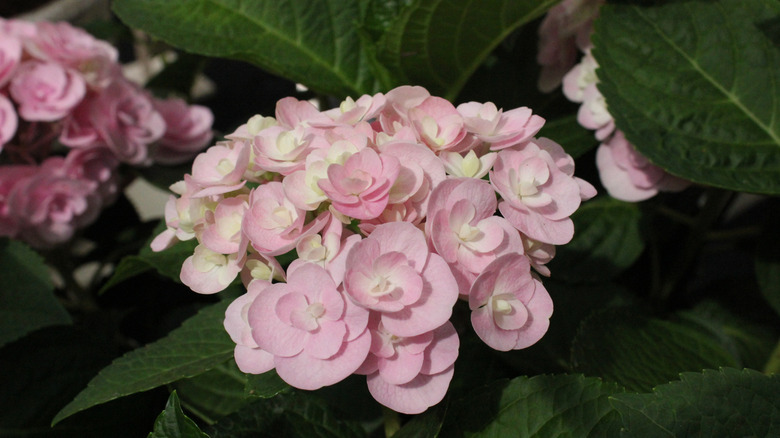
This recently introduced broadleaf hydrangea has uniquely double blooms in a fetching shade of pale lavender-pink that glows against the rich dark green of its leaves. Its compact size (2 feet tall and 3 feet wide) make it perfect for the front of the border. It's cold hardy (zones 4 through 9) and thrives in partial shade to full sun. The aptly-named 'Love' hydrangea is becoming a fast favorite with gardeners for its strikingly beautiful flower form and easy care. It prefers a moist but well-drained soil.
'Ayesha'
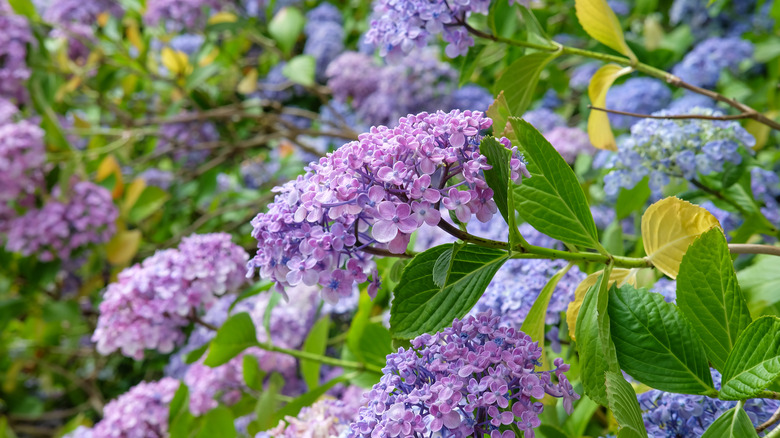
The flowers of this recently-introduced broadleaf mophead hydrangea have an uncommon cupped shape — similar to lilacs — that make them striking and distinctive. Like lilacs, the flowers are also fragrant, which is unusual in a hydrangea. The delicately-scented flowers of 'Ayesha' also have a tendency to bloom pink, blue, and purple on the same plant, making for a gorgeous display of rich pastel colors. 'Ayesha' is cold hardy to zone 6, and it does best in partial sun.
'Mystical Flame'
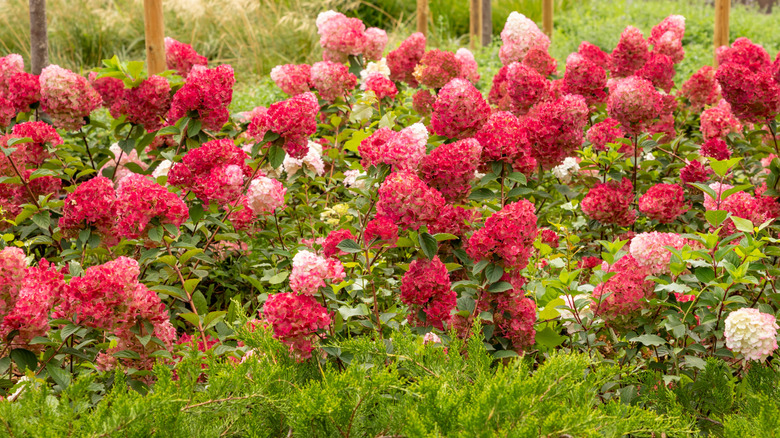
This colorful panicle hydrangea is a compact cultivar that grows 3 to 4 feet wide and tall. The large white flower clusters transition to pale pink and then rose red as summer progresses. 'Mystical Flame' is perhaps one of the most colorful panicle hydrangeas available, and the late season red tones are highly sought after by hydrangea enthusiasts. This one is hardy in zones 4 through 9, and it prefers full sun. Planting several of these along a walkway or fence makes a lovely flowering hedge.
'Little Lime'
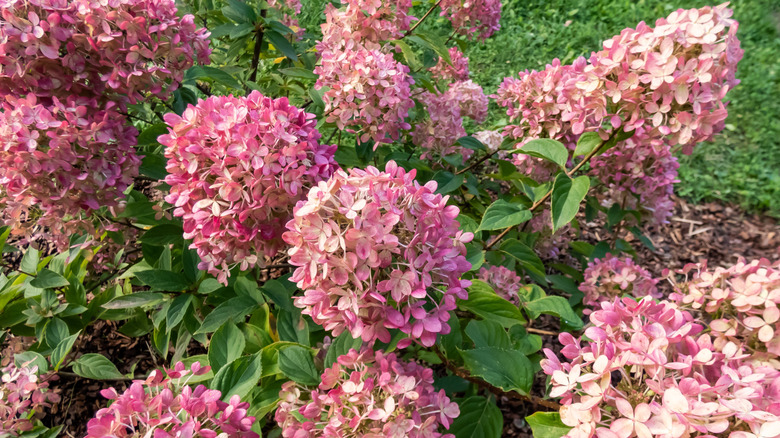
The 'Little Lime' panicle hydrangea has all the charm of its cousin, 'Limelight'. The full clusters of long-blooming flowers morph from green-tinted cream in early summer to blush pink in mid-summer to dusty rose in late summer and autumn. However, this newer cultivar is a much more compact size, and at 3 to 5 feet tall and wide, it can easily fit into smaller garden spaces. It thrives in partial shade to full sun, and it requires very minimal pruning (remove dead flower heads in late fall or early spring).
'Magical Crimson'
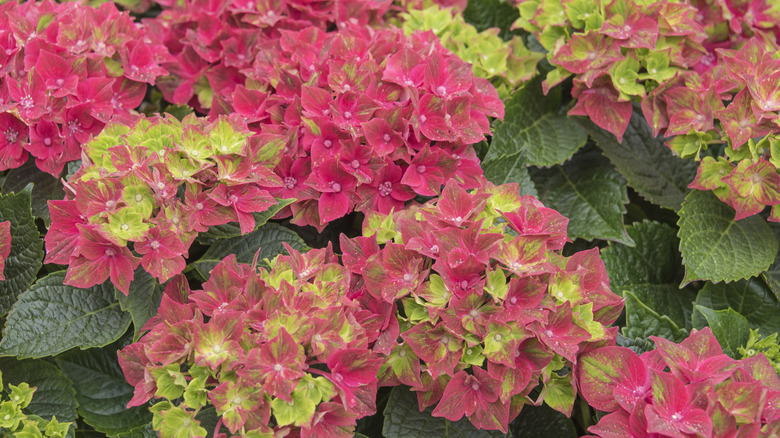
The 'Magical' hydrangea cultivars are wonderfully colorful, and 'Magical Crimson' is one of the most showy and alluring. Depending on soil pH, the blooms start out lime green and turn a dusky blue or red, and then shift to cobalt blue or bright crimson before fading again to green in autumn. You may get burgundy- or plum-colored flowers on this one, too. A compact shrub, it's perfect for the front of the border or tucked into a cottage garden. It's cold hardy to zone 6, and it does well with a bit of winter protection.