

Common Mistakes To Avoid When Starting A Fire In Your Wood-Burning Stove
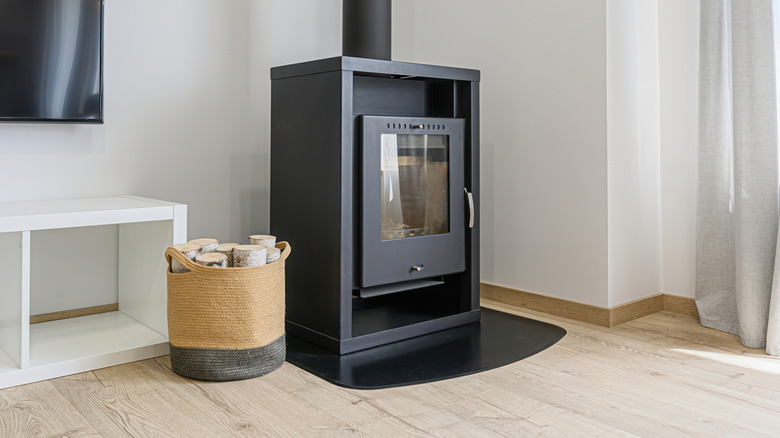
As the temperature drops late in the year, we all start considering our heating options. Wood-burning stoves are a cozy and efficient way to heat a home. But burning wood as a heat source has nuances you may not get with other home heating systems. Mistakes like improper lighting techniques, burning bad wood, and limiting airflow may result in health issues or even something as serious as a house fire. Learning about these mistakes is the first step in avoiding them and ensuring your stove burns cleanly, efficiently, and, most importantly, safely.
Lighting a wood-burning stove improperly can lead to excessive smoke, poor ventilation, or dangerous creosote buildup in the chimney. This increases the risk of chimney fires. There are also a surprising number of things to avoid burning in your fireplace. Burning the wrong materials can produce toxic fumes or cause dangerous flare-ups that are difficult to control. Additionally, failing to establish a good draft before lighting the fire inside your wood-burning stove can cause smoke to back up into the home. This may create a breathing hazard and damage indoor air quality. In fact, the future of wood-burning stoves in homes is uncertain in the U.S. due in part to these concerns.
Don't make these wood-burning stove fire-starting mistakes
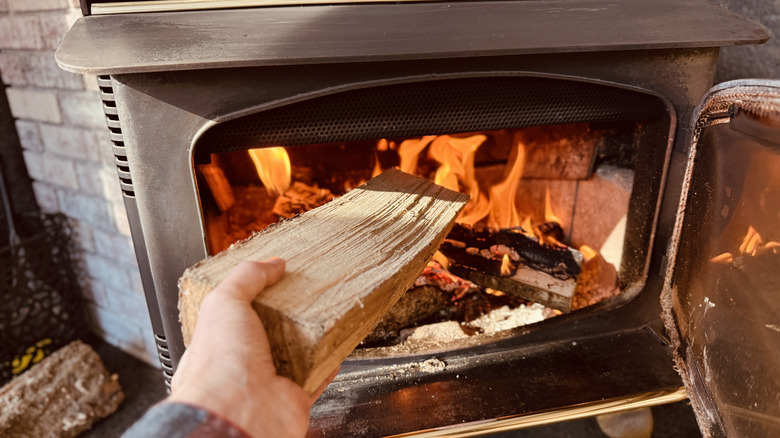
There are lots of practically free tricks for staying warm and cozy in your home during winter. For those with a wood-burning stove, avoiding fire-lighting mistakes is one of the most important ways to stay safe and efficient. If you're starting your fire for the first time after a long summer, check for smoke backups or a blocked draft. Most often, these issues are caused by a chimney blockage or an incorrectly positioned baffle. This metal piece, which traps heat in the chamber for improved efficiency, can sometimes block smoke from exiting. Don't skip your annual chimney inspection and cleaning. This service is invaluable for preventing these issues. Failing to open the air intake (or damper) to create an upward draft and to improve fire control is another simple error.
When you're ready to start a fire, don't make the mistake of burning the wrong materials. Dry, seasoned wood is the only firewood you should be using for your wood-burning stove. Burning things like fabric, plastic, treated wood, and even wet wood can release toxic fumes into your home. You don't want yourself or other family members breathing them in. Plus, damp logs in particular are highly inefficient at heating. Don't use inappropriate fire starters, either. Lighter fluid, for example, is exceptionally dangerous, as it ignites quickly and the resulting fire can be hard to control. Lighter fluid's vapors can also accumulate in the firebox or chimney, risking dangerous fires and explosions. Fatwood, paper, and wood chips are much safer kindling options. Finally, as with any fireplace, never leave your wood-burning stove unattended once it's lit.