

16 Things That Aren't Worth Moving To A New Place

Throughout our lives, we experience several transitional periods — moving out for college, starting a new job, becoming a parent, and retiring for a slow life. Such moments often involve relocating to places better aligned with our desired lifestyles and finances. In fact, an American citizen changes their home more than 11 times in their lifetime, according to the Census Bureau. Naturally, not all the stuff you're currently using can accompany you to this new phase, unless you want a repeat of the same story and version of you.
So, to help ease your next move, we've compiled a list of items you can leave behind in your old nest, along with the reasons for it. The underlying philosophy? If the cost, effort, space, or risk of moving an item is greater than its actual value, usefulness, or condition, it's not worth taking with you. In other words, items that are easily replaced, such as toiletries and cleaning supplies; or are too bulky, such as furniture and mattresses, may be edited down. Damaged or outdated equipment, old books collecting dust, duplicates, and hazardous items should also be nixed and accordingly sent off to recycling centers or local charities. When in doubt, ask yourself if you would want these things in your new life, guilt and sentimentality aside. With that in mind, here are 16 things we recommend not moving to your new home.
Run-of-the-mill, bulky furniture
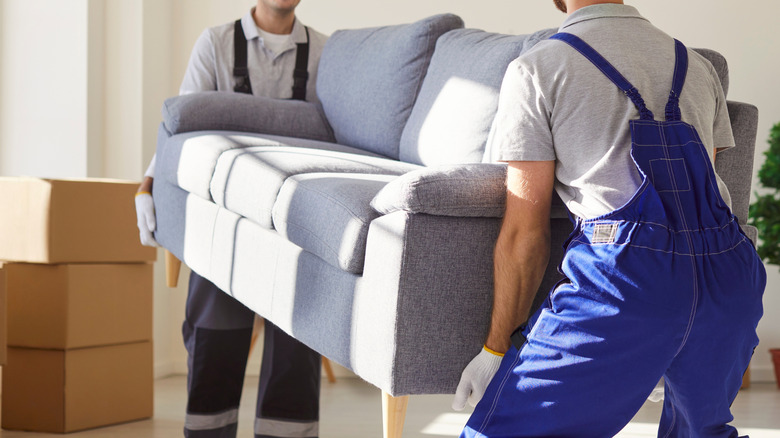
Unless it's a designer piece, an heirloom, or of a premium make, hauling your old dilapidated couch, oversized sectionals, and bulky furniture across city or state lines isn't worth the hassle. Odds are it might not even fit the dimensions of your new digs. Plus, it's usually cheaper to buy a new set from the next IKEA than pay moving costs (however, compare prices before making the final call). Bonus advantage: you can retire the tired furniture trends that are now becoming a thing of the past and furnish your new space with chic pieces you truly like.
Old mattresses
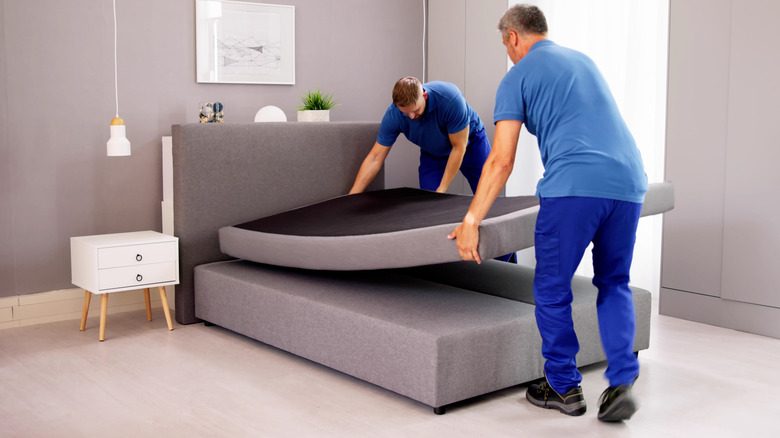
Old mattresses tend to lose their form over time and can become unsafe for use due to accumulated dust mites, dander, and allergens. So, if they're nearing their useful life — between six and eight years — shipping them to your next apartment may not be the brightest idea. They may easily rip or start to sag during the move. If they're still usable, but the transportation cost approaches what you would pay for a new one, consider selling the old one. You may not make a profit, but you will save on valuable trunk space and moving costs.
Unopened boxes from your previous move

If you've moved frequently, you probably have a few unopened boxes stored in your basement. They might contain souvenirs from your travels, keepsakes from childhood, farewell gifts from former jobs, miscellaneous office supplies, or favorite items of your toddlers (who are now old enough to start their own families). If you haven't gone through this box since your last move, perhaps due to emotional fatigue or simple procrastination, you're unlikely to miss it in your new home. If you're still hesitant, review the items, keep the best ones, and purge the rest.
Garden tools
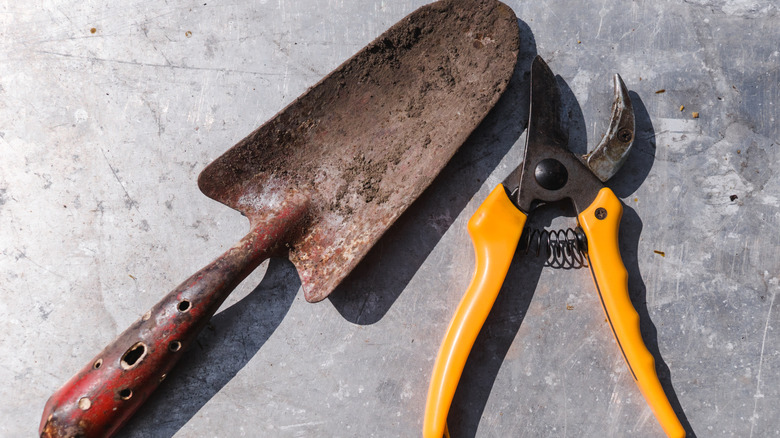
If you're downsizing to a small apartment due to rising living costs or to lead a more frugal lifestyle, you may have little need for essential gardening tools and equipment, such as shovels, lawn mowers, hoses, aerators, and such. In such a case, distribute functional items among your gardening friends or donate them to the community garden. Otherwise, remove any gardening tools that are awkwardly shaped (like a rake), which won't stack up efficiently, are cheaply replaced, or have become rusty. After all, you don't want your pruning shears to break in your hands when setting up a new garden.
Lawn chemicals
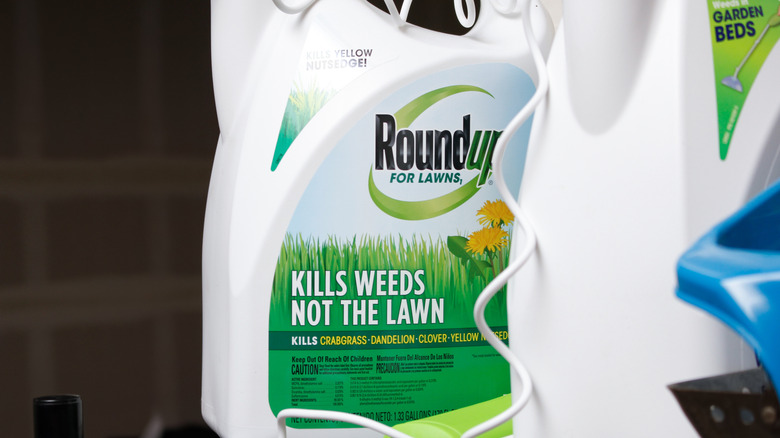
Many moving companies refuse to carry lawn chemicals, such as fertilizers, weed killers, and pesticides, and, depending on the state, they might even be legally prohibited from transporting them unless licensed. The reason? Chemicals can degrade when exposed to heat. And the bags can tear, scattering material on your household equipment, creating an unjustifiable mess and a safety hazard. Considering they've a short shelf life and are inexpensive to replace, you're better off sharing any half-filled containers with your friends and neighbors or dropping them at a waste disposal center.
Books and bookshelves
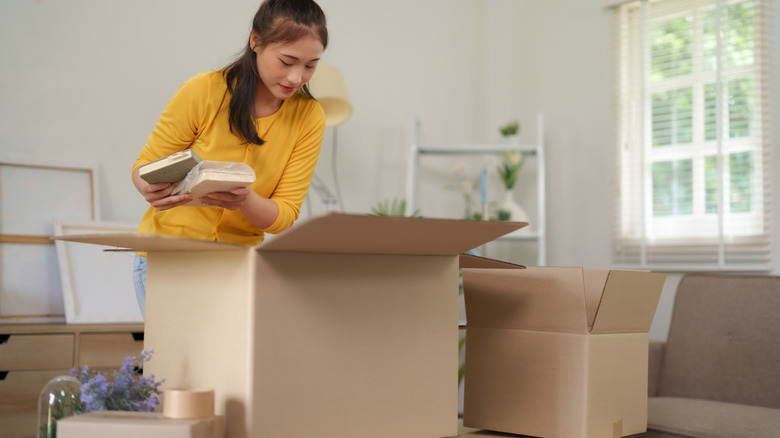
Before your next big move, consider editing your book selections. Books are bulky, take up lots of space, and can be expensive to transport if you're being charged by weight. Besides, if you haven't carved out the time to finish your unread titles in over a decade, you're unlikely to do so in the next location. Donate them to the local library instead. And, no, you won't need your college and educational texts in your next home — they're already outdated. Similarly, if you own a well-loved, though cheap, pair of bookshelves that you're certain won't survive the move, give those away.
Cleaning supplies
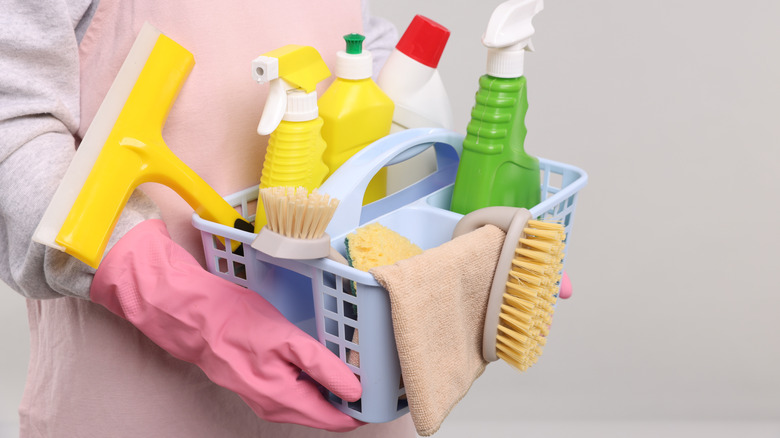
Let's be honest: do you really want to go around touching ratty rags, half-folded sponges, stinky mops and buckets, thistly brooms, or used plungers in your new home? We think not! So, do yourself a favor, and use your old cleaning supplies to give your old house a nice wipe down to earn brownie points with potential homebuyers or to make things pretty for the next renter. Then, toss everything. That way, you'll get rid of half-finished and crusted bottles without the guilt of wasting any product and can focus on stocking fresh supplies tailored to your new home's surfaces.
Pantry items
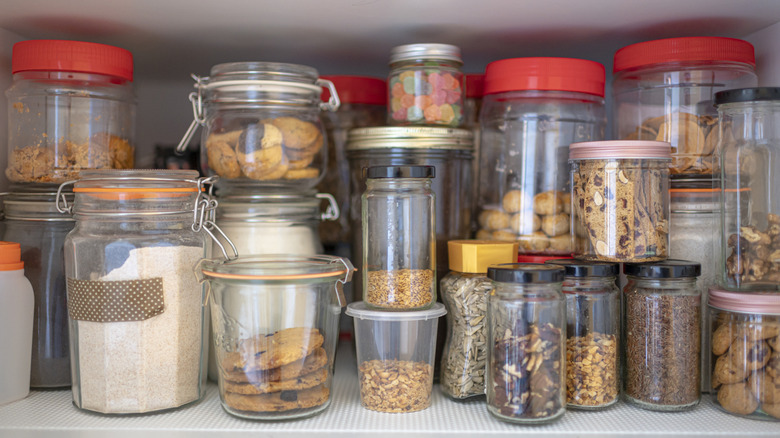
That collection of exotic spices gathering dust doesn't deserve a spot in your hauling truck. Assuming they haven't already lost their potency, they imply a huge waste of space and effort for things you won't be using anytime soon. You must similarly get rid of pantry extras, such as soups, half-eaten flour bags, perishables, and other consumable items nearing expiration. They'll cost a few dollars to replace, but the cost will be higher when moved. To minimize waste, avoid stocking up months before the intended relocation and consume them in earnest. Alternatively, donate them to the local charity.
Paint cans
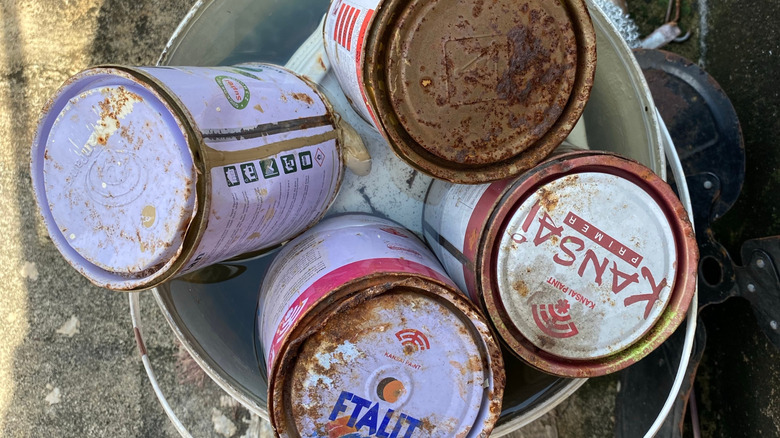
Avoid carrying any half-full or unsealed paint cans in your moving van. If not secured tightly, lids can come undone, spilling paint all over the interior, which can be expensive to clean. Besides, they can be hazardous if transported in larger quantities (over 15 gallons in some places) due to fumes. You may also want to ditch them if the colors won't fit your new home's aesthetic. If you would like, leave the cans behind for the next homeowner so they've the matching paint to carry out the required fixes. Otherwise, leave them at a drop-off site in your local area.
Old paperwork and magazines
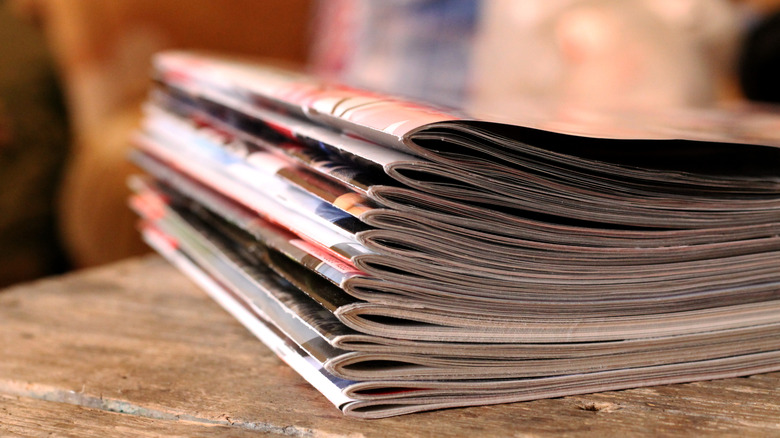
Once upon a time, collecting magazines and retaining paperwork made sense — you never knew when you would want to reference some niche news item or old employment and health records. But now things have been digitized and are searchable online with a subscription. Besides, with a small fee, you can receive official certificates. So, moving old or irrelevant paperwork that's just dead weight makes little sense. Use this move to declutter obsolete medical documents, pay and tax stubs, bills, handwritten greeting cards (unless sentimental), manuals, and instruction booklets.
Bathroom extras
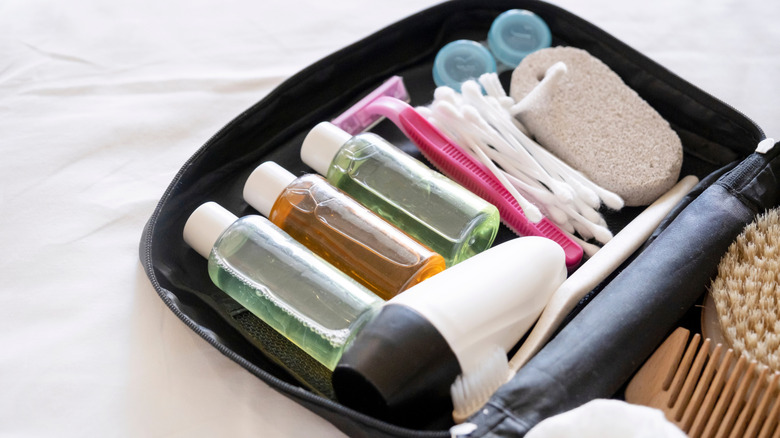
You could also lose some moving weight by discarding bathroom extras. The wide selection of shampoo bottles collected from hotels you stayed at, perfume samples you didn't enjoy, or travel-size products you can't help but buy because of their cute packaging all fit the category. If they haven't expired already, share them with the community center where they can go to people who will use them, and trash the ones past their prime. Eliminating them will free up premium real estate for the items you must carry into your new home.
Functional items that're no longer useful
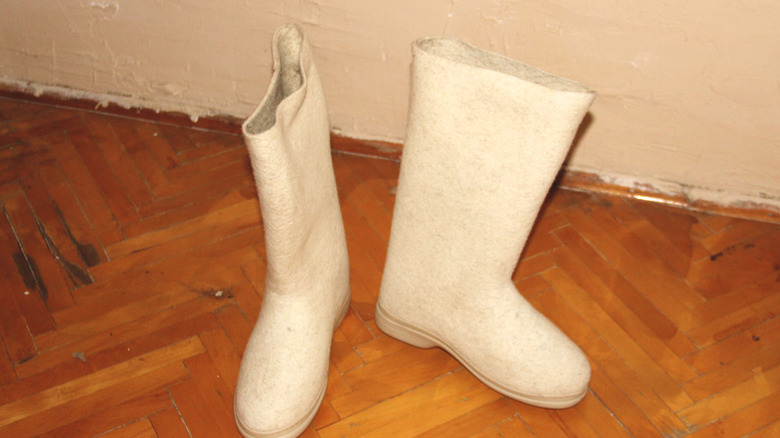
Avoid taking things that you won't require in your new home or won't match up to your climate and lifestyle, even if they're functional. Take snow boots or ski equipment, for instance. You won't need them if you're moving in a snow-free zone. You may similarly get rid of baby gear and toys if you've no intention of having another child. Festive décor that hasn't seen the light of day, even during holidays, and mismatched crockery should stay out of your moving van, as should the items from your miscellaneous hobbies and DIY projects you haven't undertaken in years.
Duplicate items
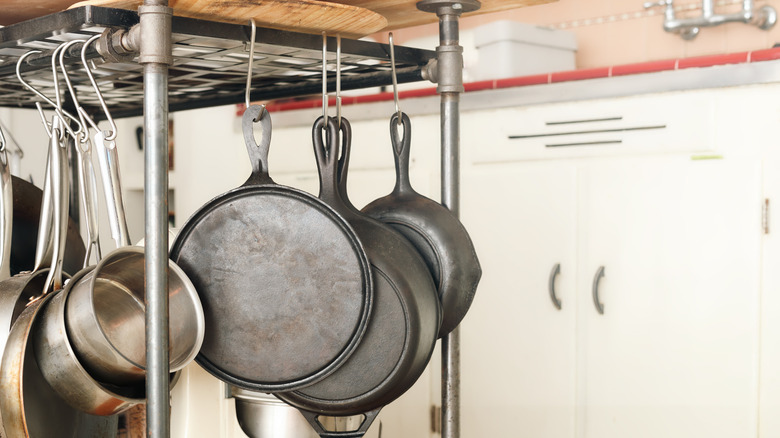
Moving is the perfect time to pare down duplicates and redundant gadgets you accumulated over the years. You don't need to carry three can openers when one would do. Similarly, you shouldn't have to furnish your home with the same set of dressers if you're looking for a refresh. Oddly-shaped cast-iron pans or small appliances that can't be efficiently packed and won't cost much to replace should also be let go. Now's the time to play favorites and pick tools you reach for regularly, or have used in the past year, and ditch the rest.
Broken and damaged appliances
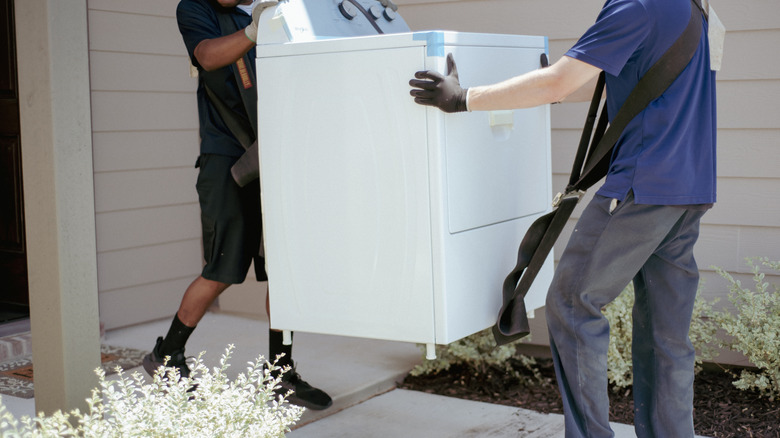
The big downside to taking appliances with you when you move is that they're usually quite heavy and need lots of space. But since most are expensive to replace, there's no way around carrying them. However, if said items are broken, such as your old air purifier or the blender with the missing blade, and you haven't gotten around to fixing them in years, save the room in the moving box for something better. These dead items are eating into your moving budget while providing zero value. Be responsible and just drop them off at an e-recycling facility.
Old clothing and bedding
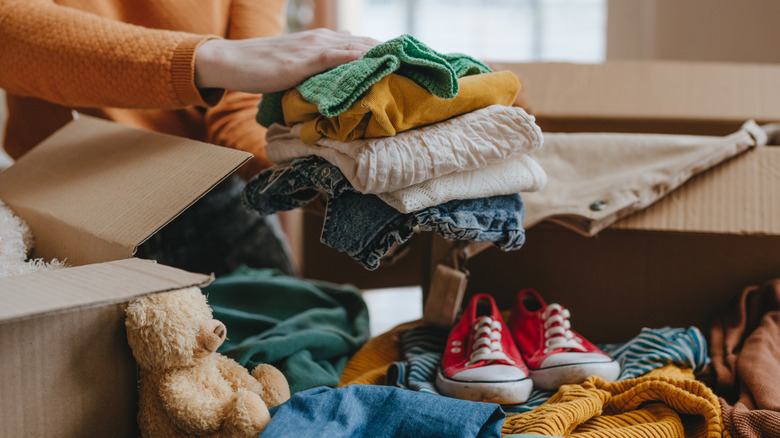
If your linen closet is stacked high with stained sheets, punctured pillowcases, and threadbare towels that you wouldn't offer to your guests, why carry them to your next home? Likewise, why not use this opportunity to trim down your clothing? Any clothing saved for when you lose the necessary pounds or old hand-me-downs that can't (or shouldn't) be handed down, should stay out of the moving parcel. Devote the space to items you truly love and are in constant rotation. Then, donate the less-loved items that are still in decent condition to animal shelters for bedding. Call ahead first to make sure they accept these items.
Houseplants

Most houseplants don't take well to temperature fluctuations, which they'll undoubtedly experience during a relocation. Even if you could ensure their survival, there's also the problem that their soil and pots add a lot of weight. Unless you're dealing with an exotic, expensive specimen that's typically difficult to source, you might want to reconsider moving your houseplants. Moreover, certain moving companies refuse to move live plants. In the case of faux plants, follow the same rule: If they're an unwieldy size or have only gathered dust for years in your home, save yourself the extra weight.