

The Reasons Your Heating Bill Is Rising (& It's Not Due To Your Home)

Does it seem like your heating bill has started to spike, even though you definitely haven't been cranking up the thermostat? You're not imagining things, and you're definitely not alone. According to data recently released by the National Energy Assistance Directors Association (NEADA), families who rely on electricity to heat their homes are facing bills up 10.2% from last year. But much of that increase has surprisingly little to do with what's happening inside our houses, because homeowners aren't the only ones putting pressure on the grid anymore.
Power companies across the country are in the middle of grid maintenance and upgrade projects. At the same time, AI demand, data centers, and high-tech infrastructure are using unprecedented amounts of electricity, which is reshaping how utilities manage their pricing. Natural gas prices are also rising sharply, impacting individual households and the power companies relying on it to generate electricity. Without a doubt, these costs are passed along to consumers through rising retail rates month after month. So while your heating habits may not be changing, how much you can expect to pay for a warm house this winter definitely is.
Even though many of these larger forces aren't within your control, they're largely to blame for why your heating bill is through the roof. There are some simple actions you can take to lower your utility costs, like installing smart thermostats that optimize your usage and lowering your hot water temperature to reduce ambient heat loss. But as the energy market keeps drastically shifting, it's equally important to understand the bigger picture to help you feel more prepared for (and less blindsided by) the costs ahead.
Blame outdated infrastructure, technology demands, and natural gas prices
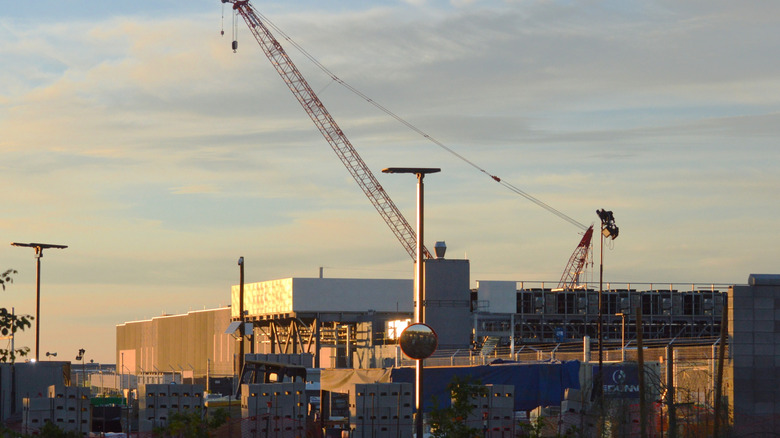
As huge bills seem to arrive out of nowhere, you may be wondering how this happened. The first major factor is the age of our power grid. She's old. Most of the country's transmission system was built decades ago, requiring utility companies to replace outdated technology and expand capacity with equipment that can stand up to ever-worsening weather events. When regulators approve utility commission requests to recoup those costs, they get added straight to your monthly bills, whether or not you experience any significant difference in your service.
Technology demands are adding to the problem. Data centers are popping up everywhere, often pulling as much electricity as entire towns. Your favorite AI tools are designed to be simple, but they require constant and significant power. That forces utility companies that are already trying to upgrade their existing infrastructure to also add new substations and transmission lines, which sends prices up even further.
Worse yet, even if you heat with electricity, natural gas still plays a role in your heating bill. It's a major fuel for generating electricity, and as prices rise because of local weather-driven demand or global market instability, those increases drive up costs, too. Fortunately, understanding these forces can help you plan realistically, prioritize efficiency upgrades that really matter, and stay proactive instead of panicked. You can certainly let your local commissioners know your thoughts about proposed data centers or utility upgrades, but these broader trends aren't likely to slow down any time soon. Along with knowing the ideal thermostat settings for each season, staying informed is one of the best moves a homeowner can make.