

Not Once A Day Nor Once A Week, Here's How Often To Water An Inch Plant In Winter
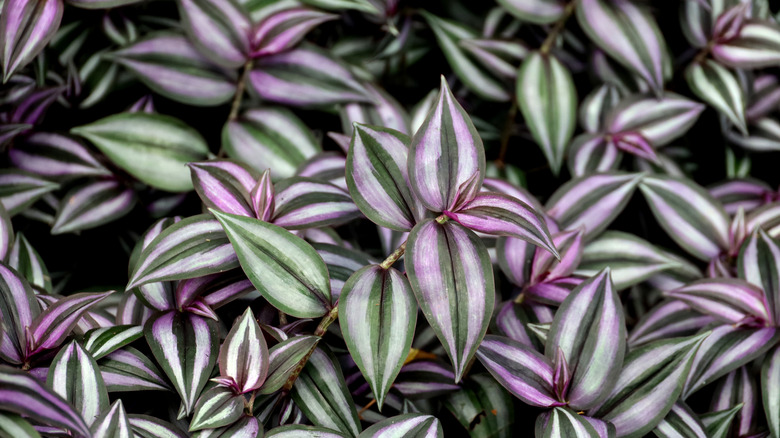
If you're caring for an inch plant through the colder months, the biggest mistake you can make is sticking to a rigid watering routine. Instead of watering on a strict daily or weekly schedule, let your inch plant tell you when it's thirsty by testing the moisture of its soil. The easiest way to do this is just by sticking your finger into the dirt — this method, called the "finger method," is used by most Master Gardeners — though you can also use a moisture meter. If the soil is damp, allow it to dry out before giving it more water — inch plants can become susceptible to root rot and stem rot if its soil is kept too moist, which can kill the plant. You want to wait until the top 1 to 2 inches of potting mix feels dry, or the plant looks wilted, before watering, which typically works out to about every 1 to 2 weeks in winter, depending on the material of your plant's pot, and your home's light, temperature, and humidity levels.
Tapering the amount of water you give your inch plant in winter is an important part of adjusting to your plant's seasonal needs. When the days are shorter and the light is weaker, houseplants' growth slows as they receive less light, causing them to absorb water more slowly, making overwatering a much more common problem than underwatering. Keep an eye out for yellowing leaves — that's often an indication the soil has stayed too wet. If your plant still looks worse for wear after making these adjustments, you might want to look into other common reasons why your indoor inch plant is dying (and what to do).
Help your inch plant survive the cold with these winter-specific tips
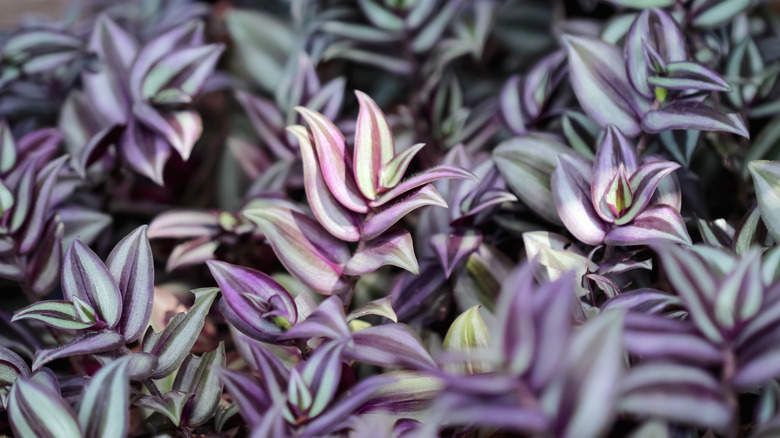
What worked for your inch plant in the summer is unlikely to go over well come December. Because so many environmental variables are at play, there's no one-size-fits-all winter schedule. Therefore, a flexible, soil-first approach is key: if the top layer still feels damp after a week, wait. Your plant needs more time to absorb the water already present in the soil. Letting your plant properly dry out is important for multiple reasons: not only does it prevent overwatering, it allows oxygen to penetrate to its root system, which your plant needs just as much as water. Though its growth slows in the winter, the inch plant still lives up to its reputation as a fast-growing houseplant that turns dull corners into vibrant spaces, bringing a lush, lively look to indoor rooms all season long.
Dialing in your winter watering is essential, but a few extra care adjustments can keep your inch plant looking even more vibrant until spring, letting you add sparkle to your home with color-changing inch plant varieties no matter the season. Water in the morning so excess moisture can evaporate before nightfall, keep leaves dry when top-watering to prevent mildew, and always empty saucers right after watering so roots don't sit in stagnant water. Cut back on fertilizer entirely, since plants aren't growing much at this time of year, and if the foliage still looks crispy despite proper watering, consider adding supplemental humidity to counteract the drying effects of indoor heat.