

The Flowering Shrub You Should Prune In Winter For Full & Lush Spring Blooms
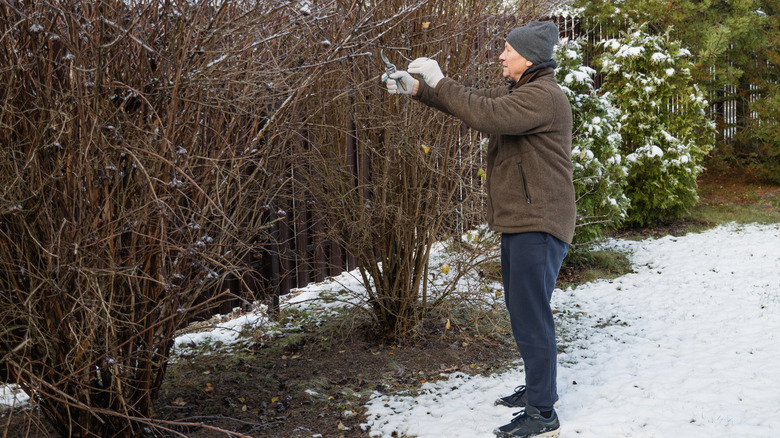
Winter is usually a quiet time for most gardens, with many plants and trees in their dormant phase. However, there are some things you can do during the winter to get ready for spring. One garden task that many gardeners routinely add to their winter yard work is pruning. Certain shrubs will produce fuller, more abundant blooms when pruned in the wintertime. Since winter is their dormant time, winter pruning is a lot less stressful as well. A great example of a flowering shrub to prune in the winter for great results in spring is the American elderberry shrub. American elderberry (Sambucus Canadensis) is native to North America. It has the added benefit of being part of a group of shrubs that will attract birds to your yard for fun, feathered sightings during the growing season, ideal for avid bird watchers.
Wintertime pruning is one of several important tasks that will ensure your yard thrives during the colder months, offering plenty of benefits to your plants and shrubs. Pruning when shrubs have no leaves makes it very easy to see the shrubs' structure and identify any underlying problems, such as dead or diseased branches that need to come off. Pruning in the winter encourages your American elderberry to direct its energy toward growth in the spring so you have lush spring blooms to enjoy. Pests and some plant diseases become inactive during the cold months, so pruning at this time will reduce the chances of attracting any pests to the fresh cuts, giving your elderberry shrub time to heal.
How to prune your American elderberry in winter for beautiful spring blooms
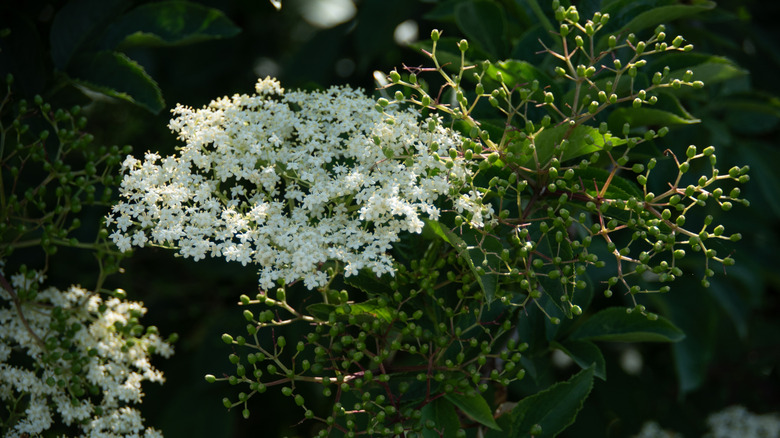
When you prune your American elderberry in the winter, start by removing all the dead, weak, or diseased branches throughout the shrub. If your elderberry is less than two years old, that's the only thing you should do in the way of pruning. Removing these dead or damaged branches will keep the shrub healthy and encourage new growth. After it passes the two-year mark, you can add light shaping to your pruning routine, which will help your shrubs stay nice and under control and not look unruly. You should also cut any branches that are 3 years old or more; this will encourage the elderberry shrub to produce more canes that bear fruit. You shouldn't do any hard pruning until your American elderberry is 4 or 5 years old.
With the proper pruning tasks and the right timing, you can look forward to springtime when your American elderberry shrub starts growing again. Because you've removed all the dead, weak, or diseased branches, all your shrubs' energy can be directed toward producing fresh shoots that will start appearing as the weather gets warmer. As the shrub starts to fill in with a fuller, more robust shape, your elderberry will be set up to produce a ton of blooms. Your winter pruning has also helped air circulation, as the sunlight can reach all areas of your shrub. Improved sunlight exposure and air circulation also reduce the chance of diseases and pest infestation. Taking the time to prune your American elderberry in the winter will lead to lush spring blooms for you to enjoy all during the growing season and, best of all, it will have the cardinals flocking to your yard!