

13 Things You Should Never Store In Your Garage During Winter

If you live in an area that experiences harsh winters, it may be tempting to store some of your belongings in the garage to keep them out of the inclement weather. They'll be out of the way and dry, right? Plus, we don't all exactly have the room inside to house all of our items for an entire season. However, the garage is not always the best place to keep certain products, like paint, food, electronics, and paper items.
While some belongings and tools can withstand the cold temperatures, like your lawnmower, garden tools, and shovels, others are more fragile and should be moved indoors. Items like food and batteries can "expire," while paper products and electronics can be easily damaged by moisture. Ideally, you have the space to move these items indoors. If not, it may be time to de-clutter your garage.
Paper products
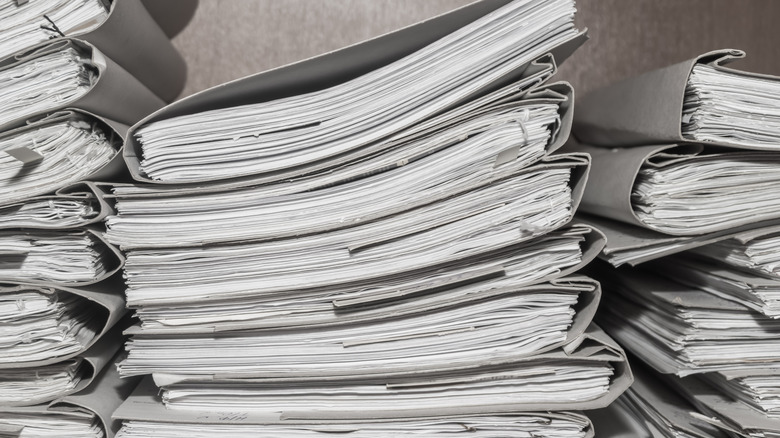
If you keep any important documents or other paper items in your garage, you may want to relocate them over the wintertime, depending on how intense your area's weather tends to be. Besides the risk of damage from moisture, paper products can also fall victim to rodents or other pests that may chew through them or use them for nests. These items should be kept in sealed containers — preferably indoors.
Electronics
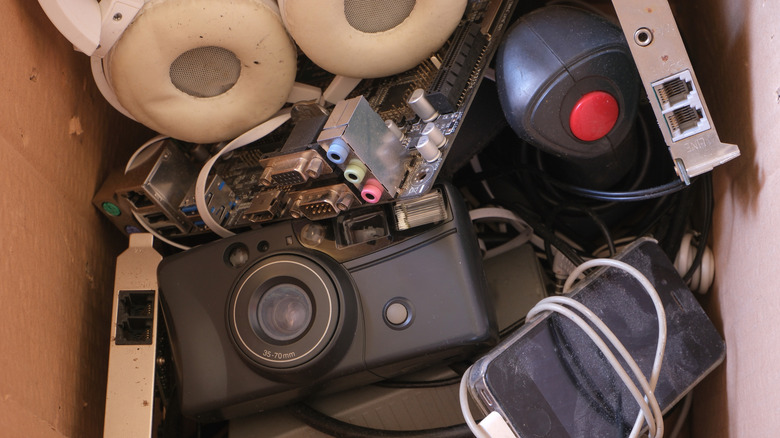
You don't want to keep electronics stored on your balcony or in your garage, and not just in the winter, but year-round. Not only can these items, like gaming consoles, computers, or other gadgets, be damaged by moisture and rust, but the extreme temperature fluctuations can further break down these products and shorten their lifespans. Keep electronics you plan to use or sell carefully wrapped in padding and stored in a climate-controlled space.
Paint
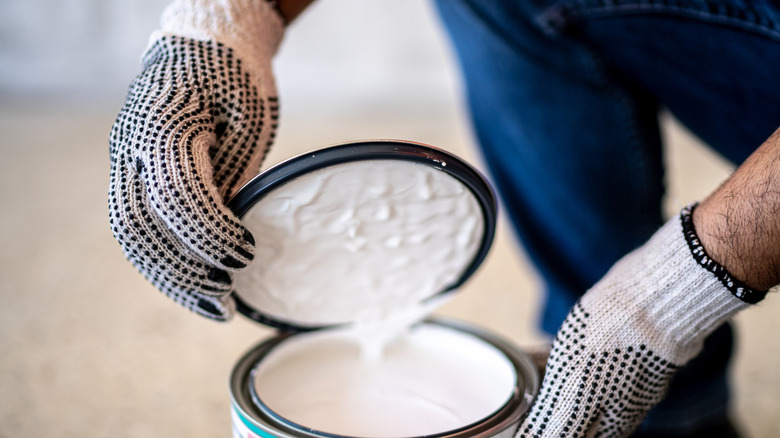
If you're someone who regularly uses paint, solvents, stain, or sealant, the garage may seem the most likely place to store them. However, it's advised to keep these types of products out of your garage during the winter. When kept in cold temperatures for too long, these items can become unusable, and water-based paints can actually freeze. When winter comes, it's best to move paint cans indoors, or at least keep them in an insulated garage cabinet if there's no other option.
Food
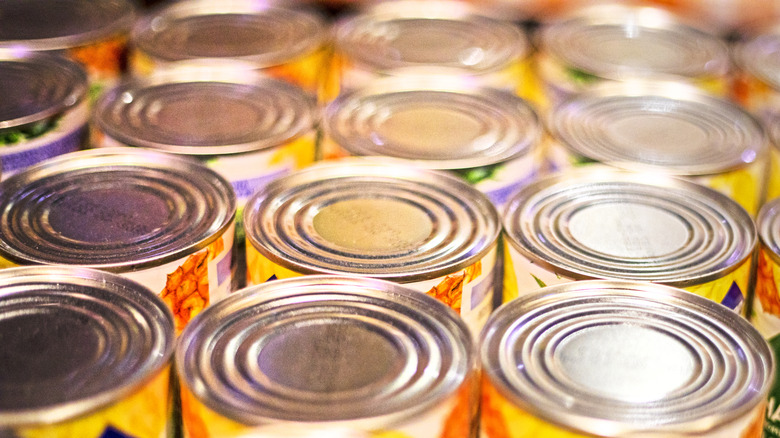
It's common for canned goods, pet food, and shelf-stable items to be stored in the garage. However, during the wintertime, these items can become a hazard, attracting pests like mice, rats, insects, and more. Plus, the fluctuation in temperatures can spoil your food, risk bacterial growth, and impact the nutritional value. Both perishable and non-perishable items should be stored in a dry, temperature-controlled environment, ideally your kitchen, basement, or pantry.
Power tool batteries
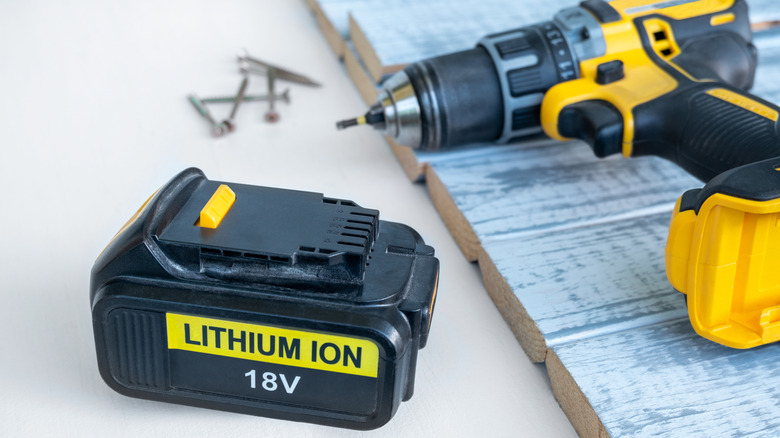
When power tool batteries are stored in environments that fluctuate in temperature, more specifically, environments that drop below freezing, they can lose their longevity. Most likely, they will no longer properly charge, and their overall lifespan will decrease. If your garage's winter temperature stays above freezing (even better if it's above 50 degrees Fahrenheit), your power tools can be safely kept in the garage.
Wooden furniture
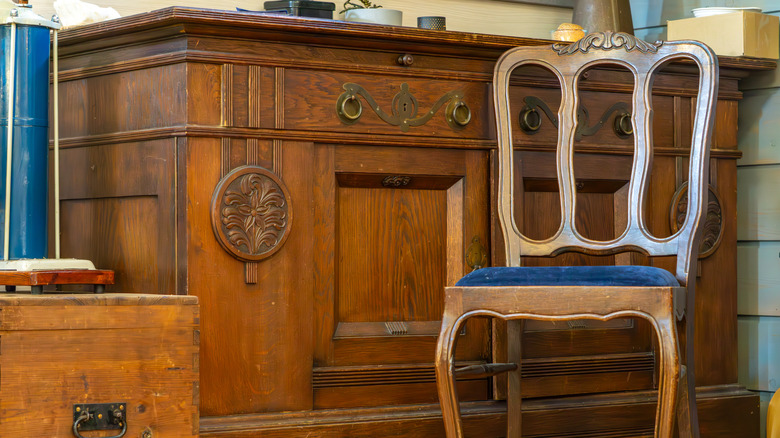
When the colder temperatures come around, you will want to move any wooden furniture you have stored in your garage indoors. As inconvenient as this chore might be, you don't want to risk ruining your wooden items due to fluctuating temperatures. Chairs, tables, and desks can warp, thanks to the potential dampness in your garage. Plus, wooden furniture can attract pests, mold, and fungus, the latter of which can turn to wood rot.
Vinyl records

If you store your collection of old vinyl records in your garage, you will want to bring those inside before the cold weather hits your area. These precious items are likely to be damaged during their stay in this environment, as inclement weather can increase the chance of mold growth on your records. Records are also very sensitive to temperature changes and can become brittle or warped when exposed to extreme cold, decreasing their playability and value.
Cleaning supplies
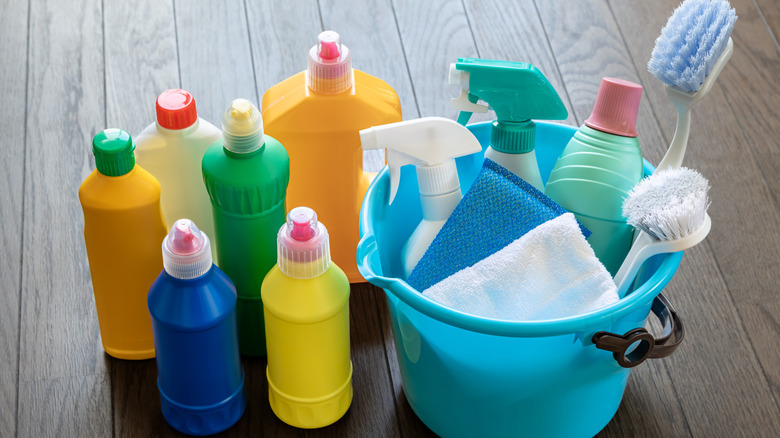
Chemical cleaning supplies are additional household items that should be moved indoors before the cold weather hits, especially if they're already opened. When temperatures change quickly in your garage, your cleaning products can experience degradation, pressure buildup, or leakage, all of which can be a safety hazard. Some may not work properly after exposure to extreme temperatures. Aerosol cans are in danger of freezing. Ideally, these types of products should be kept in room temperature environments.
Propane cylinders
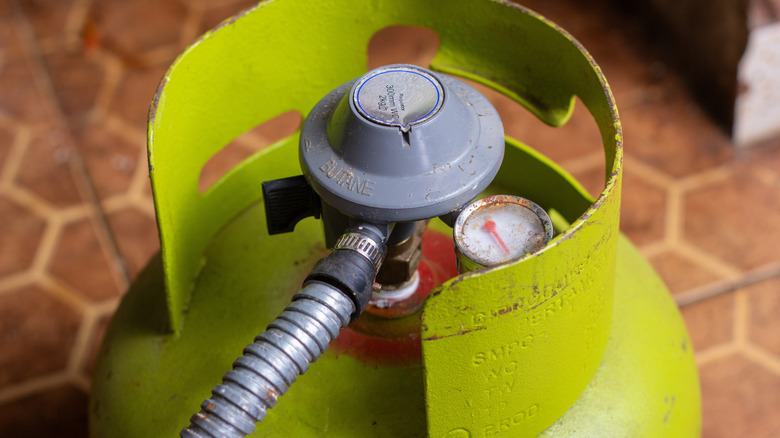
The issue with storing propane cylinders in your garage over the wintertime isn't due to the low temperatures. Propane can be kept in cold temperatures; however, the problem comes with its proximity to the rest of your home. You don't want to store your propane tanks near any enclosed area attached to your house. You could be risking a leak or a small spark, which could be a fire or an explosive hazard. Store propane tanks outdoors or in a shed a good distance from your home.
Photographs
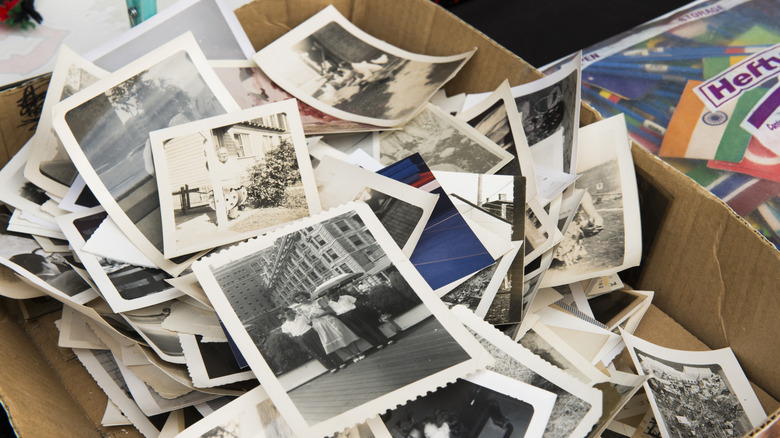
If you have boxes of old photographs stored in your garage, move them indoors before the temperature starts to drop. Photos are likely to discolor or warp when exposed to cold temperatures. Humidity and a damp environment can cause mold or mildew. In general, any priceless mementos like photographs should not be exposed to the elements, but instead, should be stored in stable, room-temperature areas.
Wine

While the garage can be a great place to store extra soft drinks and bottled water you've purchased for holiday get-togethers, wine should be kept elsewhere. Wine can oxidize when temperatures fluctuate — causing it to taste flat, or worse, like vinegar. Although you may not have the budget for a climate-controlled wine cellar, storing your bottles safely indoors is the next best thing.
Garden hoses
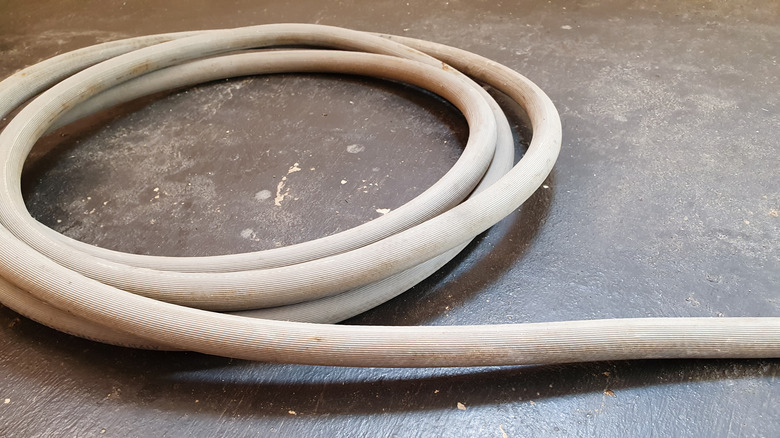
You probably know to unhook and drain your hose before the first frost, to keep it from freezing and cracking. But if possible, you will want to move any garden hoses from the garage to a temperature-controlled environment inside. These items are typically made of materials like vinyl, metal, or rubber that erode in cold weather. Added moisture can corrode the metal parts of the hose, expand the inside, and make it unusable when springtime comes around. However, if your garage temperature remains above freezing, you can store your hoses inside.
Firewood
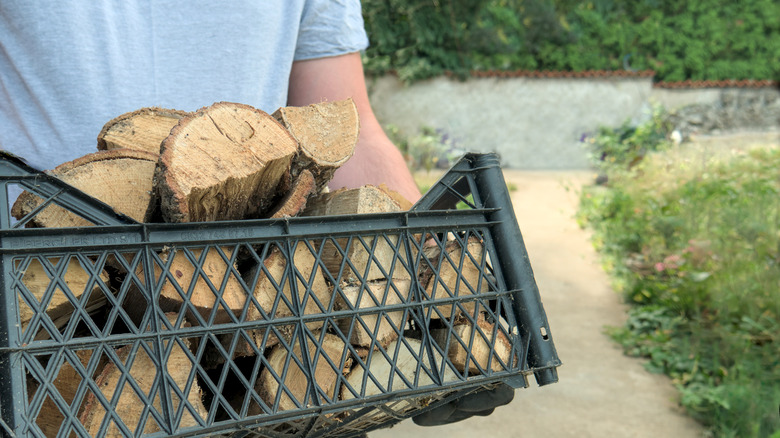
Generally, it is not advised to store firewood in your garage over the winter. The wood can attract pests like termites and rodents, as well as risk mold growth from improper ventilation. Plus, the shifting temperatures in your garage can harm the wood, potentially moving the wood fibers and causing bending. If you don't have any other storage options, make sure to keep the wood elevated to reduce the risk of moisture or pests.