

This Old-School Kitchen Gadget Is Still Around, But It Looks Nothing Like The '50s Version
We may receive a commission on purchases made from links.
They just don't make tin foil and wax paper dispensers like they used to. Midcentury interior design is beloved for its unique home gadgets, including custom built-ins like wall toasters or chrome swivel toothbrush holders. Inspired by the space age and advancements in technology, folks of the time were adding integrated and hidden compartments for storage and other utilities all around their homes. In the kitchen, one such gadget, the foil and paper dispenser, improved the ease of cutting individual sheets for cooking. These dispensers were often built into the kitchen wall and hidden behind a chrome or steel door. While nostalgic kitchen decor from the '60s and '70s can instantly bring back all the good vibes, many of these built-in features disappeared from homes, going out of style as interior design tastes changed.
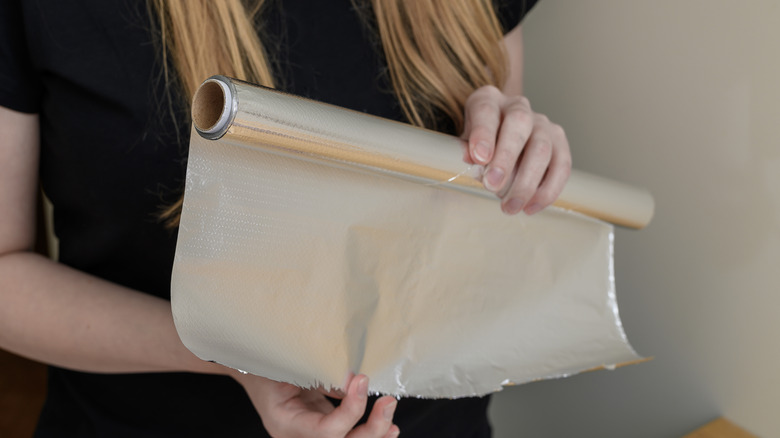
Today, foil and wax paper dispensers are still prominent, but they're no longer integrated into the kitchen in such an innovative manner. Dispensers today are rarely recessed or built in. Instead, they're hung on the wall or stashed in kitchen drawers. While sourcing and installing a recessed dispenser could be a creative way to bring midcentury modern design into your kitchen, many folks prefer the ease and affordability of today's wall-hung dispensers.
The unique kitchen invention of built-in foil and wrap dispensers
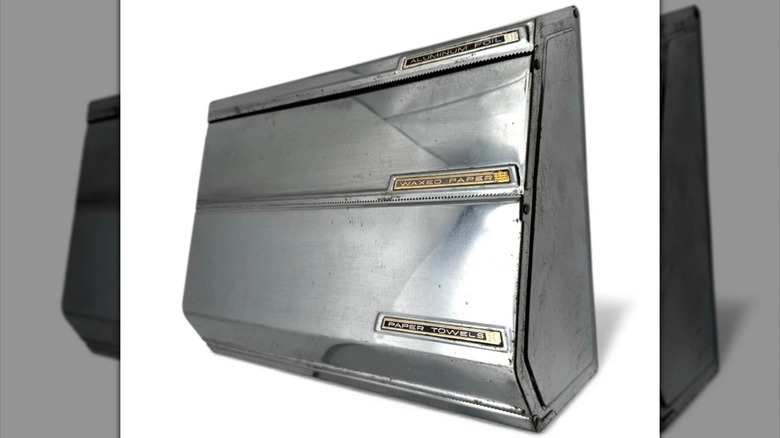
Recessed storage units might be a vintage kitchen accessory that's making a comeback, but these items have their pros and cons. For example, not only did vintage dispensers eliminate the ugly look of packaging for cooking materials, but the recessed dispensers provided an on-trend, futuristic look. They also improved kitchen functionality by making it easier to tear away the cooking material without having to hold onto the original packaging. However, as technology advanced and companies began manufacturing differing roll sizes, these dispensers became much less universal and, at times, even obsolete. Plastic had also become a trendy addition to interiors, replacing outdated metal ensembles. However, these plastic dispensers likely weren't as durable as metal alternatives.
Eventually, built-in dispensers and other gadgets fell out of favor both stylistically and functionally, which is why many are fascinated by the recessed gadgets in midcentury homes today. Still, folks prefer foil and wrap dispensers over these products' original packaging. Today's dispensers can hang on a wall or go in a kitchen drawer. If displayed, they're also easy to move or replace, unlike their built-in predecessors. They also eliminated those glaring metal rectangles on the wall. Instead, you can hide these dispensers away for a more seamless, clutter-free look.