

Want To Fill In Your Pool And Turn It Into A Garden? Here's What You Need To Know First
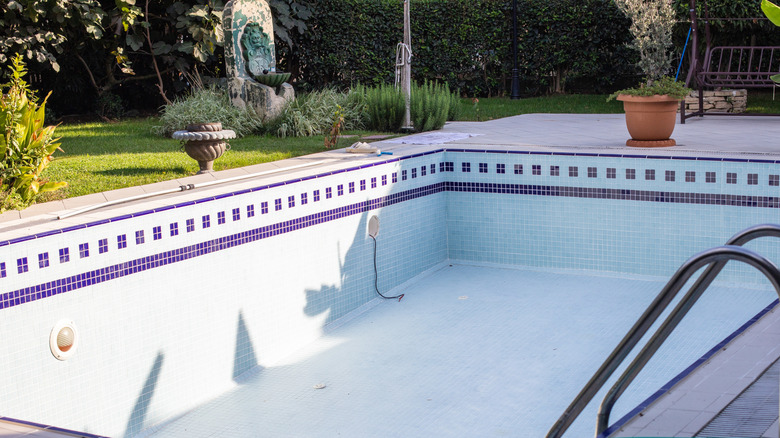
Owning a pool is a dream for many people, and there are few better places to relax on a hot afternoon. However, pools are not without their downsides. As utility prices continue to rise, they can be expensive to maintain and heat. The use of all that water also raises environmental issues, and while there are ways to make your backyard pool more sustainable, for some the cost is just too high. If there are young kids around, there may also be safety concerns. On the other hand, maybe you just want to fill in your pool to grow more plants and vegetables, or you want to transform that part of your backyard into a party space.
Whatever the reason for wanting to fill your pool, getting a load of dirt and tipping it in the hole could be a big mistake. The first thing you need to know is that you probably need a permit, so it's important to check with your local authority. Permits are often free, although that's not always the case. There might also be rules about how you fill in the pool. For instance, in some areas complete removal may be required first. The other things you need to know are what steps to take before filling, the tools and equipment you might need, and the best materials to use for the fill itself. Let's take a look at these aspects in more detail.
What you need to do before you can fill your pool
Let's assume you have the necessary permit, and filling is okay. If you just dump a couple of truckloads of dirt in your pool, you'll end up with a bog or marsh. Not only will it look unpleasant, and probably smell bad, but nothing much will grow (except weeds and maybe rice).
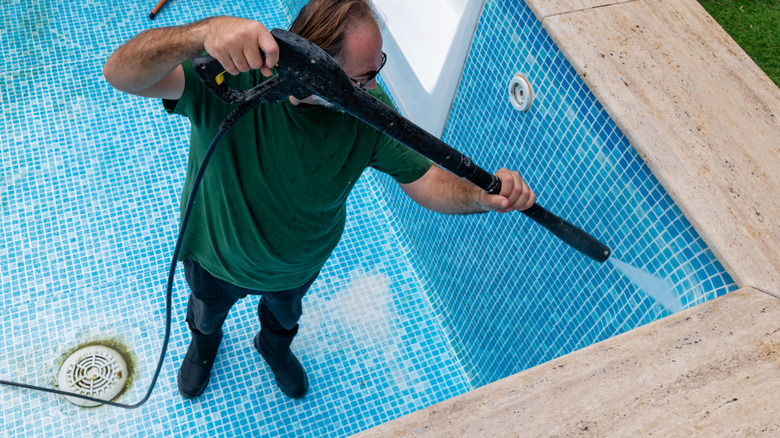
First, turn off the power to any pool facilities like pumps and heaters. Disconnect them, then drain the pool completely. A submersible pump is useful for this. There might be regulations concerning disposing of high volumes of water in your area, so again you need to check. Then remove all equipment, including pump, ladders, lights, diving boards, etc., until all that's left is the shell. You may want to clean the pool at this point. This might sound strange, but you don't want any residue from pool chemicals leaching into the soil and potentially poisoning your new garden.
All through its life you wanted a pool that didn't leak, now you want the opposite. You need to break up the pool sides and bottom to allow for proper drainage. If it's concrete and tile, an SDS hammer drill or jackhammer will make life easier. Don't worry about disposing of the waste, just leave it in the hole. Fiberglass or vinyl liners can be cut through or punctured and any supports dismantled. Be thorough — you don't want areas where water will collect.
Fill your pool properly to avoid future problems
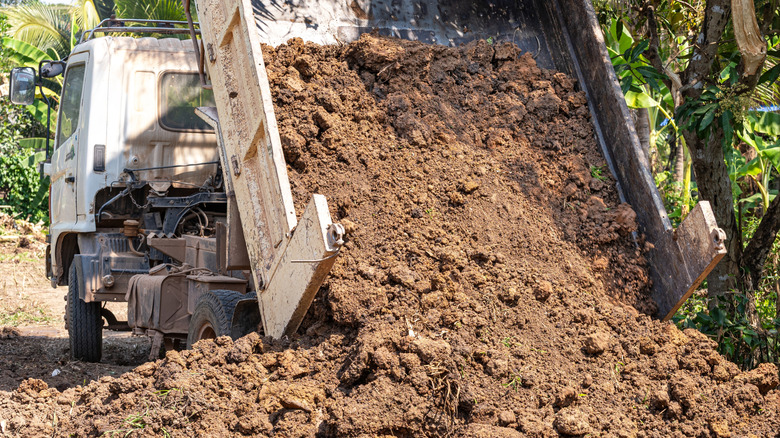
You are now ready to start to fill your pool, but if you just dump a load of dirt in there, you'll end up with areas that sink or voids that could collapse later. First, fill with a foot or so of gravel to help ensure good drainage. Next add dirt or sand in layers, six to twelve inches at a time. Use a plate compactor (you can hire these for about $100 a day), to make sure each layer is stable before adding the next. Finally, fill the top few inches with topsoil, ready for your new garden. Many of the tips for renovating yard space after removing an above-ground pool will work equally well here.
There are a couple of other things it's useful to know before you start. First, there's the cost to think about. If you include tool rental and fill materials (the latter will depend on the size of your pool), you'll need to budget for several thousand dollars, perhaps more. There's also the time. Even if you get a couple of buddies to help, it's not the kind of job you'll do in a weekend, and shifting all that sand, dirt, and gravel will be backbreaking work. There are contractors who can do the job for you, and while it's bound to cost more than doing it yourself, it could save a lot of time and effort. Professionals should be happy to provide a free estimate.