

12 Popular Cleaning Products Professional Cleaners Avoid At All Costs

We may receive a commission on purchases made from links.
Want to clean up your act? Start with the items stashed under your sink. Because, as it turns out, the products that are meant to leave your home spick-and-span can have some serious downsides. Whether you've been using the same set of basic cleaners for years, or are trying to zero in on which new items to add, you might be curious to know which ones the pros avoid, and why.
House Digest conducted exclusive interviews with four experts to clean things up around which wares, uh, scrub them up the wrong way. Our experts agree that some supposed cleaning powerhouses are far from flawless. One pantry staple often touted as a cure-all (spoiler alert: It's vinegar) can actually be really damaging to certain surfaces. And there are a handful of ingredients that can truly do you dirty, causing irritation to your skin, eyes, throat, and even your lungs, or wear down finishes, damage textiles, and more.
Vinegar can damage some materials

While this pantry staple is often proclaimed as a cleaning cure-all, "It's surprisingly risky for the average person to use," Carly Castro, founder of Clean With Carly and owner of FreshLee Cleaning Co., shares in an exclusive interview with House Digest. Castro explains that "it's not compatible with most surfaces like stone, wood, or glass with protective coatings. Because it's acidic, it can cause gradual damage that often goes unnoticed until it's too late."
Kathy Cohoon, operations manager at Two Maids, agrees that any vinegar-based solutions shouldn't be used on natural stone, such as marble, granite, or quartzite. With a pH level hovering close to 2.5 (for reference, 7 is a neutral pH), the highly acidic solution, she tells House Digest in an exclusive interview, "can etch the surface, leaving dull spots that are expensive to fix."
However, vinegar can be a versatile cleaning tool – provided you know how and where to use it. The acetic acid in vinegar might damage sensitive surfaces like hardwood finishes and natural stone, but it can be useful for descaling fixtures with mineral build-ups of calcium carbonate, or disinfecting fresh kitchen produce. It's also a handy substance for dissolving rust build-up and stains.
Steel wool pads can scratch and stain
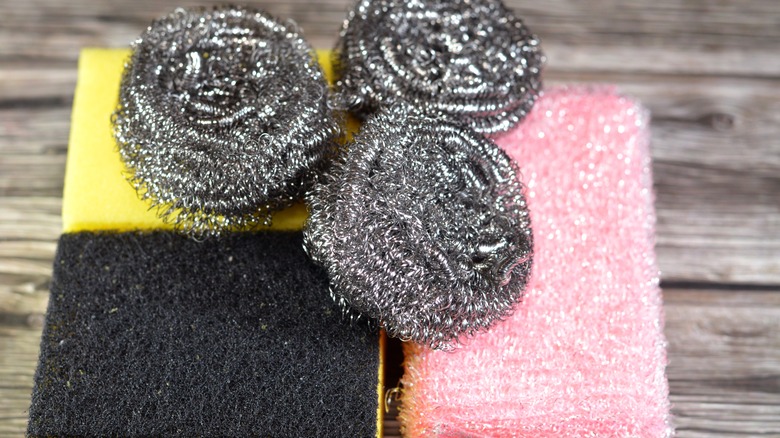
There's a reason people talk about having nerves of steel. The material is tough stuff. Steel wool pads "go viral on CleanTok all the time because they're affordable and satisfying to use," Castro acknowledges. Most steel wool grades are on the coarser end (#3 or #4, versus professional-grade steel wool that clocks in at #0000).
"They can scratch glass, brushed stainless steel, porcelain, fiberglass, acrylic," Castro notes, "the list is long." And that's not their only source of destruction. "The dyed soap inside can sometimes even stain tubs and oven racks," adds Castro. "These cheap pads can cause expensive damage."
But, don't assume that steel wool has zero use: This household item can do way more than just clean your kitchen. You can use the very fine flexible steel filaments for everything from removing stubborn rust off your tools to scrubbing hard water deposits from shower enclosures. The key is in choosing the right grade. With eight ranging from super fine #0000, meant for buffing woodwork and varnish (and which can be used on glass shower enclosures, with caution), to extra coarse #4, best for removing rust and cleaning engines, the material can help you ace restoration projects. Just don't use it indiscriminately on all surfaces during your regular cleaning routine.
Spray and mop floor cleaners can make floors dirtier
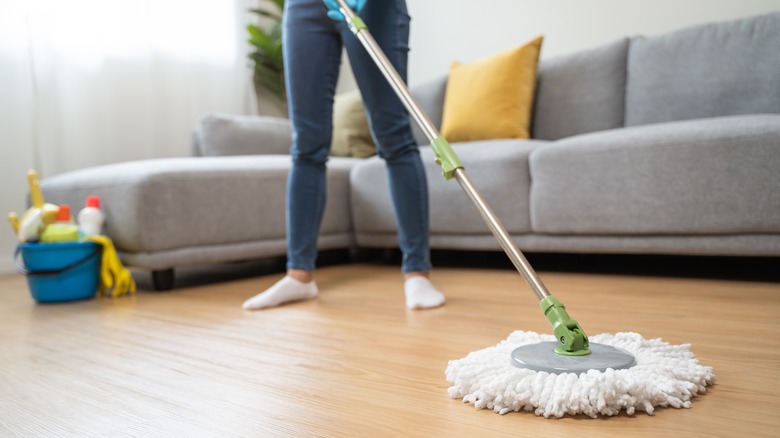
Spray floor cleaners, while handy seeming solutions, mightn't be worth your money, according to Castro. "They look convenient," she acknowledges, "but they tend to leave a film that makes floors appear dirtier over time." It may be a technique issue; the convenience of being able to spray directly at the touch of a button is actually the drawback, notes Castro. "Because you're spraying directly onto the floor, most people tend to over-apply, which leads to sticky or cloudy build-up."
Instead of relying on a one-size-fits-all solution, do the research into the best way to clean every type of flooring in your home. Both real hardwood floors and laminate flooring, for instance, can be kept tidy with dry mopping, while a pH-neutral soap diluted in water is best for marble tiles. And for travertine, ceramic, or porcelain, it's best to do a weekly clean with a solution of warm water and dish soap.
Chemical drain cleaners are harsh and ineffective
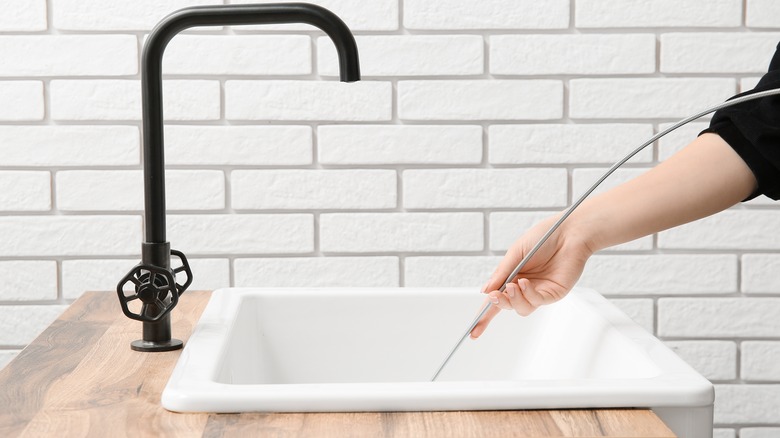
Experts agree these supposed clog-busters are akin to pouring money down the drain. Investigative chemist and owner of Chemistry Cachet, Alexis Rochester, explains in an exclusive interview with House Digest, "These contain highly corrosive chemicals such as sodium hydroxide that can release toxic fumes and damage pipes."
Since they're packed with acids, during an exclusive interview with House Digest, Jill Koch, creator of Jill Comes Clean, wholeheartedly agrees. The pro warns that chemical drain cleaners "can burn our skin, eyes, and lungs if they splash back onto us." As if those weren't enough downsides, Rochester explains that drain cleaners often don't even manage to complete the job, and that continual use can result in residue build-up, which in turn can actually make the problem worse, triggering more clogs.
A much more effective solution is relying on a bit of elbow grease. Castro says, "A simple drain snake is cheaper, safer, and much more effective." For particularly stubborn clogs, try using a wet/dry vacuum. Thanks to its intense suction power, the vacuum sucks the clog upward strongly enough to break it loose in some cases.
Bleach can irritate your skin, lungs, and eyes
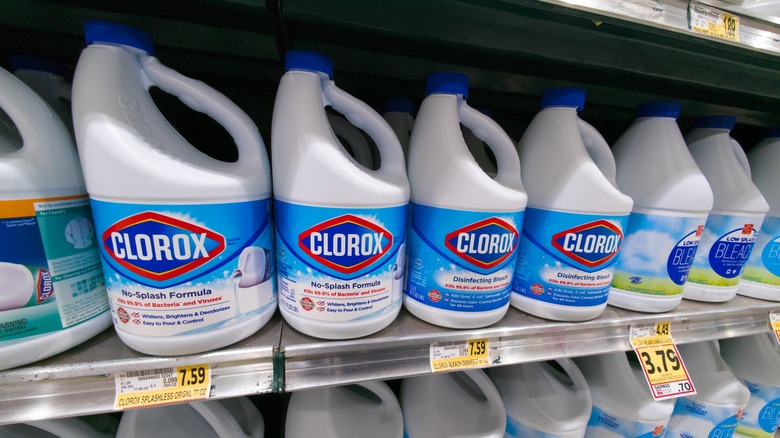
While bleach can do a thorough job of stripping stains from materials and bacteria from various surfaces, it's also a very strong chemical that can be a significant irritant that spells trouble for your nose, throat, and eyes. "Also, many people don't realize you can't mix it with other cleaners, and doing so can result in harmful fumes that can be dangerous, if not deadly," says Koch.
What's more, operations manager at Two Maids, Kathy Cohoon, stresses that bleach doesn't actually clean. Though it's meant to disinfect and whiten, "if you put bleach on a dirty surface, all you're doing is spreading germs around," Cohoon explains. "You need a cleaner first, then disinfect if needed."
Koch prefers to reach for peroxide when she needs to brighten whites and remove stains, or rubbing alcohol if she needs to disinfect. If you're looking for a less harsh, but effective, purpose-built stain removal agent for laundry, you could also consider an oxygen bleach product like OxiClean. But take note: Although it's typically gentler than regular bleach, there are still some mistakes to avoid when using OxiClean, such as mixing it with vinegar (which can create a corrosive agent called peracetic acid).
Dusting sprays can lead to a buildup
When it comes to dislodging dust from her surfaces, Jill Koch gives any sort of spray the brush off. "In my experience, they tend to just create a waxy buildup on my surfaces over time, which can actually leave the finish of wood furniture looking dull," explains Koch. "Not to mention many have toxic ingredients that aren't good for us to be breathing in when we are spraying them throughout our home."
Instead of reaching for a can of Pledge, Koch relays to us that she's swapped dusting sprays for microfiber cloths. "It's been a great, affordable nontoxic replacement," she shares. If you're down to make the switch, here's an important tip: To ensure you capture the maximum amount of dust (versus spreading some of it around), wet the cloth a little first. Using a damp cloth instead of a dry one is an old-school dusting trick that comes from a time before microfiber tools entered the fray, but it's still an effective method for making sure you don't inadvertently swirl dust around your space.
Ammonia can be harmful to your health
Much like bleach, ammonia doesn't pass the smell test for Koch. "It's a very strong, toxic chemical with strong fumes," she explains, "and if mixed with other cleaners it can be harmful to our health." The colorless gas doesn't play well with others, agrees Alexis Rochester, explaining that this volatile base can release vapors that can irritate the body. Plus, "it also has a high pH which can damage certain surfaces and coatings by breaking down protective finishes and dissolving some metals or organic materials."
Additionally, when using this hardcore cleaning compound, you'll need to be very careful to avoid the dangerous ammonia cleaning mistake of mixing it with vinegar or bleach, which creates chloramine gas and chloramines (respectively) that can cause chest pain, nausea, wheezing, and other respiratory distress. If you're also feeling leery of ammonia, opt for less aggressive alkaline cleaning substances, such as baking soda, borax, or washing soda.
Oven cleaners can have toxic fumes
One ingredient Jill Koch has no interest baking into her home-cooked meals: Any of the chemicals found in traditional oven cleaners. "Many have toxic fumes," explains the pro, "and I don't love the idea of coating my oven with them and then baking food in it afterwards, even if I do get it thoroughly cleaned out." So, she likes to get things cooking by using a steam cleaner that can loosen stuck-on messes until they're easy enough to clean off.
Besides harnessing the power of steam, you can also clean an oven with baking soda. Make a paste with baking soda and water, and apply it to the oven interior, letting the paste sit for at least 30 minutes. Then wipe it clean with a damp cloth, spraying with vinegar for an extra spritz of cleanliness. Stubborn areas might still require some scrubbing. For gunky racks, try soaking them in hot water and scrubbing clean with dish soap.
Air fresheners can cause irritation
To Alexis Rochester, these fragrances in a can aren't exactly a breath of fresh air. "They often contain synthetic fragrances and volatile organic compounds (VOCs) that react with indoor air to form harmful byproducts like formaldehyde and ozone," the chemist explains. "Not only can this irritate your respiratory system, but it also just masks odors rather than eliminating the source of the bad odor."
Instead, Rochester says she prefers to whip up her own homemade air freshener or opt for a non-toxic, plant-based room spray instead. You can make an all-natural air freshener by adding a few drops of vanilla extract to a half cup of baking soda. Or, spice things up by turning fresh-smelling rosemary into a DIY air freshener for your home. Alternatively, if you don't have time or energy to DIY a spray, opt for a product that's free from synthetic fragrances, such as Mrs. Meyer's Clean Day Lemon Verbena Air Freshener, or try out an odor-absorbing solution, such as these Bamboo Charcoal Air Purifying Bags.
Multi-surface cleaners can leave a residue

Touted as a do-it-all workhorse, multi-surface cleaners aren't always as multi-purpose as they might seem. Kathy Cohoon says she steers clear of any multi-surface cleaners "that feel sticky or leave a film behind." While those sprays might make surfaces appear sparkling at first, Cohoon shares that this slight sheen of residue "attracts more dust and fingerprints, so you end up cleaning the same area again sooner."
And, as it turns out, the key to sparkling clean kitchen countertops may just be hiding in your medicine cabinet. When combined with baking soda, hydrogen peroxide can disinfect, deodorize, and help you ditch stuck-on grime. After lightly spraying 3% hydrogen peroxide onto your surfaces, form a paste by sprinkling baking soda on top. Then scrub with a microfiber cloth to lift any dirt and debris. To be safe, you'll want to test the mixture on a small patch of countertop and never mix with other cleaning liquids like vinegar, bleach, or ammonia. And for surfaces that simply need a light clean, a drop or two of dish soap in warm water and a microfiber cloth should get the job done. You can also make a DIY spray mixture by combining dish soap with water in a spray bottle, and adding a few drops of essential oils. Some recipes advise adding vinegar, but it might be best to avoid this if you're cleaning surfaces that are sensitive to acids, such as marble countertops or hardwood floors.
Abrasive powders shouldn't be used on delicate surfaces
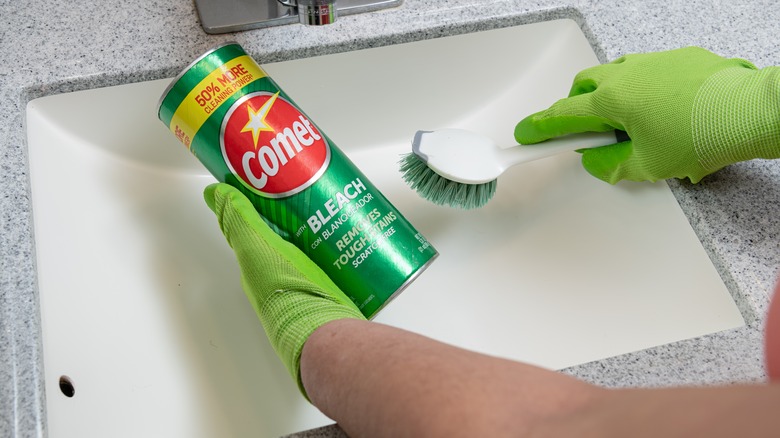
An oldie, but a goodie, abrasive powders like Ajax, Comet, and Bar Keepers Friend are good at getting the gunk out of particularly dirty surfaces. But when used on delicate surfaces like stainless steel or glass, notes Kathy Cohoon, "they may cut through grime, but they also leave tiny scratches that dull the finish and make the surface harder to clean over time."
That being said, these classic products can still be worth reaching or if you need to tackle severe cases of build-up that won't budge via gentler means. For instance, Bar Keepers Friend can be an easy, budget-friendly way to bring dirty grout back to life. Thanks to oxalic acid — a natural, organic compound — Bar Keeper's Friend can help lift rust, tarnish, and hard water stains. If you do choose to use an abrasive cleaning powder, just be aware of its potential to create micro-scratches and wear down surfaces. For instance, using it on old, worn, gunky, and moldy grout (where the sealant has already worn away) probably won't be a problem, but if your grout is newly sealed, then scrubbing at it with an abrasive powder could wear away the sealant.