

How To Convert Your Basement Or Attic Into A Legal Apartment
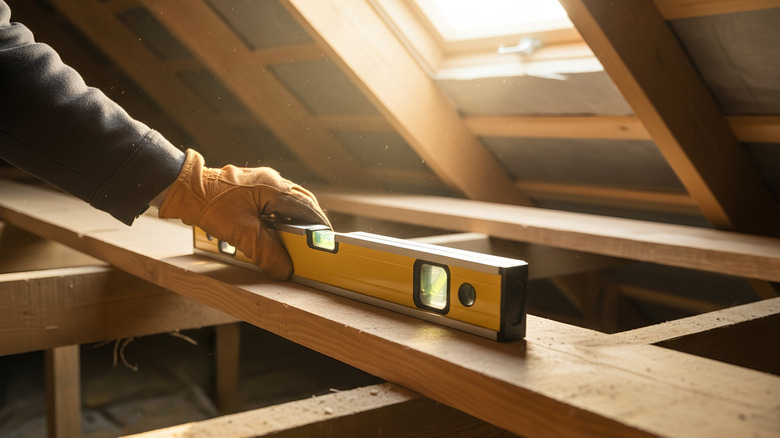
Creating an apartment in part of your home, whether you need a space for an aging parent, see an opportunity to add to your monthly income, or you just want to give an unused area in your house a purpose, isn't a weekend project. Because of the housing crisis, some jurisdictions are easing their regulations on converting unused spaces into living spaces, but you'll still need building and housing permits, even if the rules are relaxed. Your state, county, and city may each have different rules and regulations for converting your space and becoming a landlord — you will want to check with them all before starting.
Imagining what the finished space will look like and putting that on paper is one of the fun parts of the process. The permitting office will most likely need to see your plans for the new apartment, anyway, so just having a plan doesn't mean you're ready to start demolishing walls and picking out tiles. At its most basic, the apartment will need a bathroom, a kitchenette, independent heating and cooling, a water heater, and a private entrance. Your permitting office will let you know what the local requirements are for things like egress windows. If you're designing for someone who plans to age in place, Americans with Disabilities Act (ADA) accessibility features are desirable, even if local rules don't require them.
Budget considerations for a basement or attic apartment
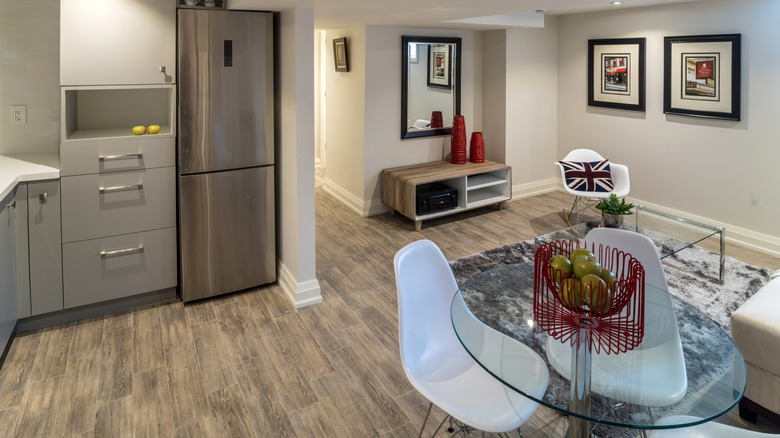
You need a realistic budget that balances what you can afford and what you want the final apartment to look like. An important piece of the budget puzzle is finding out how much you'll be able to charge for your apartment if you intend to rent it. If rents are low in your area, expensive high-end finishes in the apartment may not be your best financial choice. Get an estimate for the job from a contractor or two and budget a little extra to cover unexpected expenses. One of the benefits of converting your basement or attic rather than a garage or even building a tiny house in the backyard is that you can tap into the existing plumbing and electrical systems in your house. But, if you're not at least moderately skilled at doing this sort of work, budget for an expert.
If you're renting the space, a one-bedroom apartment commands more rent than a studio, but if you only have room in your basement or attic for a studio, consider adding space-saving amenities like a Murphy bed or a breakfast bar rather than a dedicated dining area. A furnished apartment attracts short-term renters who appreciate the convenience of being able to move right in. Long-term renters prefer unfurnished, and you'll have to furnish the space if you're thinking of very short-term rentals like an Airbnb apartment. Extras like in-unit laundry, maximized storage space, and smart home features make the apartment more valuable.