

Always Keep Your Wood Ashes — Here Are The 15 Plants That Love Them
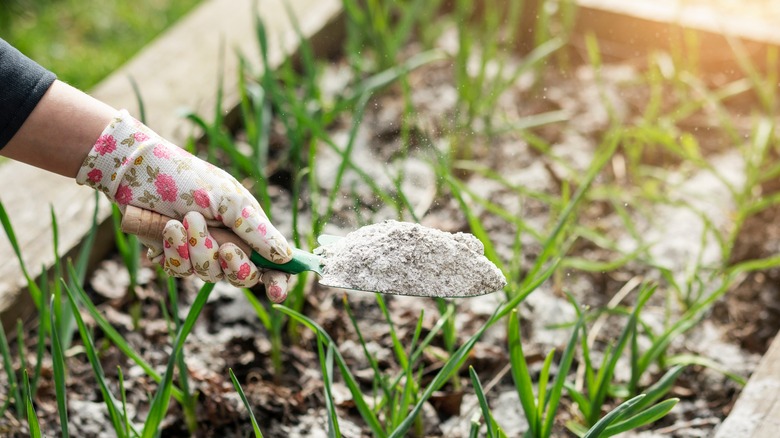
Wood ash, left behind in the fireplace or after a bonfire, is often overlooked as a natural fertilizer. However, it's actually an invaluable tool for enriching soil, boosting plant health, and improving yields. When applied correctly, wood ash provides a powerful combination of potassium, calcium, and trace minerals that help strengthen plant cell walls, strengthen disease resistance, and support flowering and fruiting. Wood ash is also naturally alkaline due to its high concentration of calcium carbonate. When added to acidic soils, wood ash increases the pH level, making it more alkaline.
Wood ash is not beneficial for all plants, though, so it's important to know when it's appropriate to use. Plants that love acidic soil, for example, will be harmed by increased alkalinity. Whether you're growing vegetables, fruit trees, or ornamental plants, understanding why soil acidity matters and how to use wood ash to fix imbalances can help you get healthier soil, more blooms, and bigger harvests in your garden.
Tomatoes
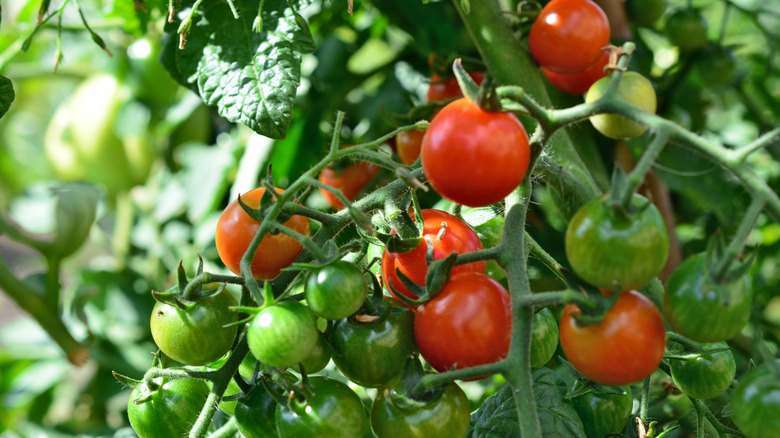
Juicy summer tomatoes (Solanum lycopersicum) require a lot of nutrients and thrive when the soil's pH level is neutral to slightly alkaline. Wood ash supplies calcium and potassium, two nutrients that are important for fruit development. Supplementing with calcium and maintaining the right soil pH can also help prevent blossom-end rot, a common disease in tomato crops. Wood ash should be applied lightly around the base or worked into the soil before planting for the best results. Remember to water thoroughly after application.
Peppers

Just like tomatoes, many pepper (Capsicum) varieties will benefit from the nutrient boost that wood ash provides. The potassium and phosphorus from wood ash helps increase the plant's fruit yield. Plus, if your soil is on the acidic side, it can improve nutrient availability. Moderation is key when adding wood ash to your vegetable garden. You don't want to increase the soil pH too much, so add just a little bit at a time.
Alliums

Did you know that onions and garlic are related? Onion varieties and garlic are part of the genus Allium. Alliums need neutral to slightly acidic soil to thrive, so if your soil is very acidic, wood ash can help. Alliums also need potassium to prevent disease, and wood ash comes in handy here, too. Signs of potassium deficiency in alliums include thick necks, soft bulbs, thin skins, and brown leaf tips.
Brassicas
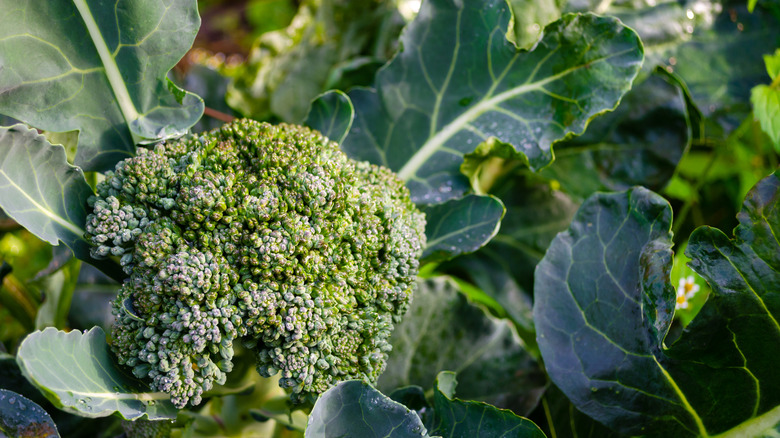
Just like onions and garlic are related, vegetables like cabbage, broccoli, and cauliflower are part of one family, brassica. Brassicas do well in slightly alkaline, nutrient-rich soils. In acidic soils, brassicas can develop a common disease called club root. Symptoms of club root include stunted growth, purple foliage, and a swollen root system. Brassicas also need lots of nutrients, like magnesium, potassium, and calcium, which wood ash can provide. As a result, these heavy-feeding vegetables benefit from light wood-ash amendment before planting.
Spinach
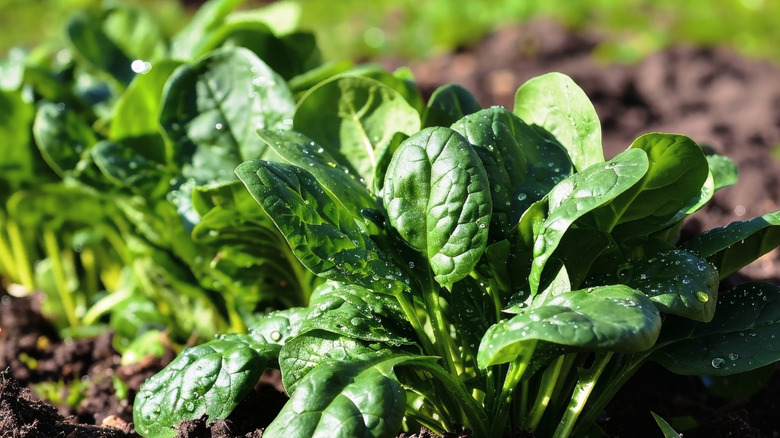
Creating optimal soil conditions is key to growing a successful spinach (Spinacia oleracea) crop. Spinach needs neutral to slightly acidic soil to thrive. In overly acidic soils, ash can help raise pH toward neutral, which often improves nutrient uptake. That being said, because wood ash can alter nutrient balance, it should be used cautiously, especially if soil is already near neutral. Spinach is also a heavy feeder, so in instances where pH amendment is needed, wood ash can also help supplement potassium.
Carrots
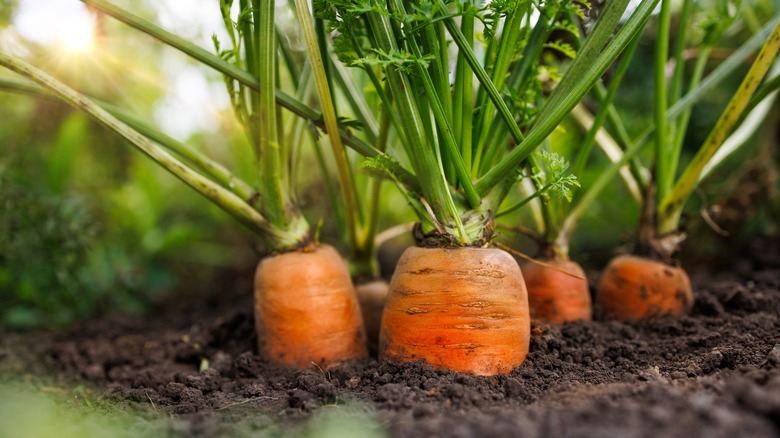
When soil is too acidic, carrots (Daucus carota) can suffer from stunted growth, poor root development, and susceptibility to disease. Help your carrots thrive by providing soil that is neutral to only slightly acidic. Wood ash also provides extra calcium, potassium, magnesium, and trace elements that are essential to cell wall formation and healthy roots. By providing a more balanced mineral profile in slightly acidic soils, wood ash can help carrots grow more robust roots and produce larger, more flavorful yields.
Asparagus

Asparagus (Asparagus officinalis) is another common garden vegetable that prefers a neutral to slightly acidic soil, so a light application of wood ash can help maintain that pH level. Wood ash will also supply extra potassium, a nutrient that asparagus needs. Asparagus is a unique vegetable in that it's perennial. An asparagus can last up to 15 years, so periodic, moderate ash applications in appropriate soils can support its long-term health.
Apple trees
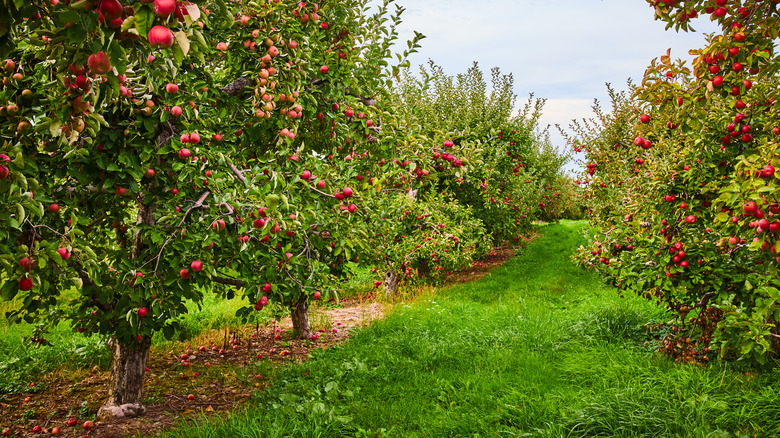
The ideal soil for apple trees (Malus domestica) is neutral to slightly acidic, so an application of wood ash can help amend acidic soil around your trees. Wood ash also amends the soil with calcium and potassium, two nutrients that help increase fruit production and improve overall tree health. You should apply wood ash in late winter or early spring, before growth begins, or in the fall, after a harvest. When applying, make sure to use wood ash sparingly, monitor the soil's pH level, and be consistent in your application to see the best results.
Stone fruit trees
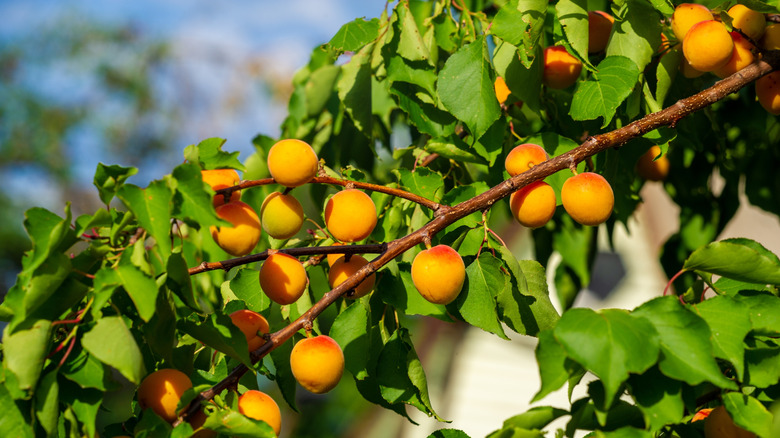
Named for their large, stone-like pits, stone fruits include fruits like pears, cherries, and plums. These fruit trees thrive in a soil that's neutral to slightly alkaline and can also benefit from wood ash if you're working with acidic soil. Wood ash will also add potassium and calcium to support better flowering and fruit production. Use the wood ash sparingly and monitor the soil carefully to make sure it doesn't become too alkaline.
Roses

You can use wood ash in more than just vegetable gardens. It can help your rose garden flourish, too. Roses (Rosa) respond well to wood ash in soils that are too acidic. They prefer only a slightly acidic pH, around 6 to 6.5. Wood ash also provides a boost of trace nutrients like calcium, which supports strong stems, healthy growth, and more abundant blooms. Plan to amend your soil in the spring before the growing season for the best results.
Lilacs

Another garden favorite, lilacs (Syringa vulgaris) do well in slightly alkaline soil. Wood ash can help shift soil pH in that direction and improve nutrient availability, which can support stronger growth and more vibrant blooms. If your garden soil leans acidic, a modest ash application before planting lilacs or similar shrubs can help them thrive. Lilacs also rely on calcium for strong stems and willappreciate the extra dose that wood ash provides.
Lavender
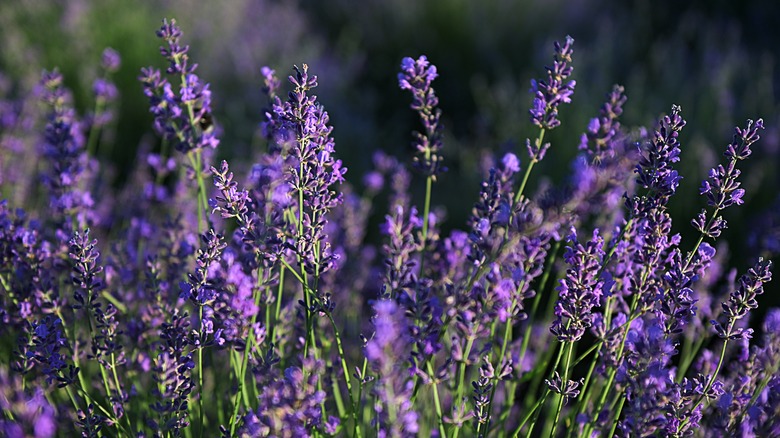
Lavender (Lavandula) is another example of a flower that prefers neutral to slightly alkaline soil. Because wood ash raises soil pH and adds a boost of potassium, it can help create ideal conditions for lavender to grow, especially in soils that would otherwise be too acidic. Unlike some other flowering plants, lavender doesn't like soil that's too rich, so apply wood ash sparingly to avoid overfertilizing.
Clematis

Some perennials and ornamental vines like clematis varieties prefer neutral to slightly acidic soils. If your garden soil's pH level is below 5.5, a light application of wood can help create better conditions for these plants. Wood ash also provides potassium, which supports overall plant vigor (but should not replace a balanced fertilizer.) Clematis benefits from regular feeding during the growing season, so continue using your usual fertilizer while applying wood ash sparingly, when soil tests indicate a need.
Yarrow, Russian sage, and other drought-tolerant perennials
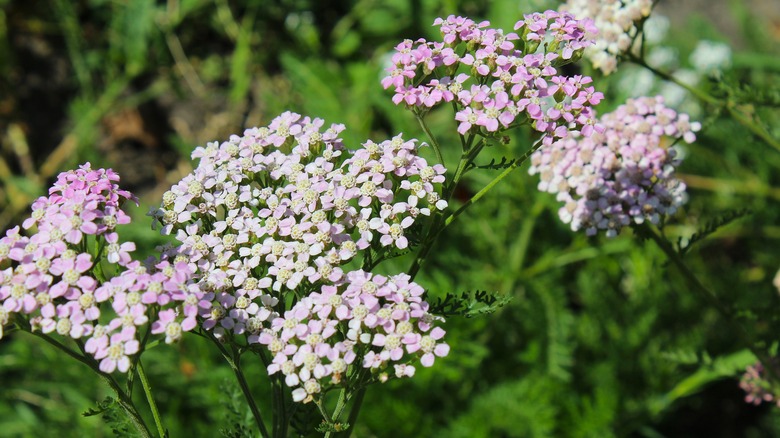
Some hardy perennials, like yarrow (Achillea millefolium) and Russian sage (Salvia yangii), naturally grow in poor, dry, alkaline soils where many other plants struggle. Wood ash can help maintain or create those soil conditions in gardens where soil acidity or fertility is higher than ideal. While these plants are able to grow in poor soil, in the garden they will appreciate the extra boost of potassium.
Aloe vera
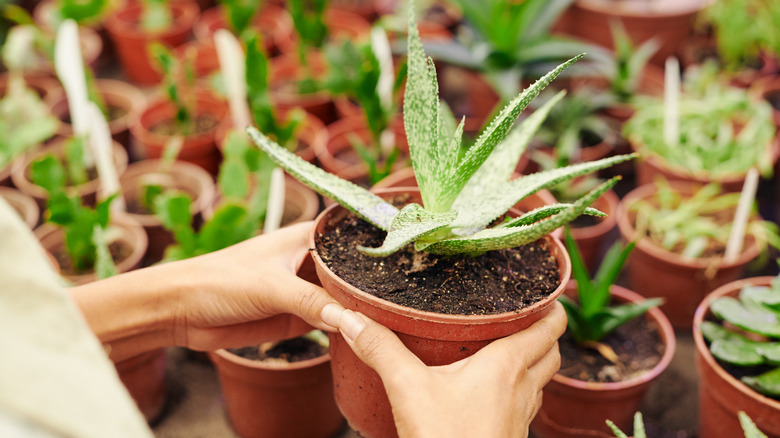
Aloe vera is a unique desert plant with numerous skin care uses, like soothing sunburn. If you want to keep your aloe vera plants happy and healthy, you'll need to provide neutral to slightly alkaline soil. Wood ash can help achieve that range. During growing season, aloe plants will benefit from the extra calcium, potassium, and magnesium. These nutrients are essential for root development, cell wall formation, and photosynthesis.