

How To Identify Hailstorm Damage On Your Roof
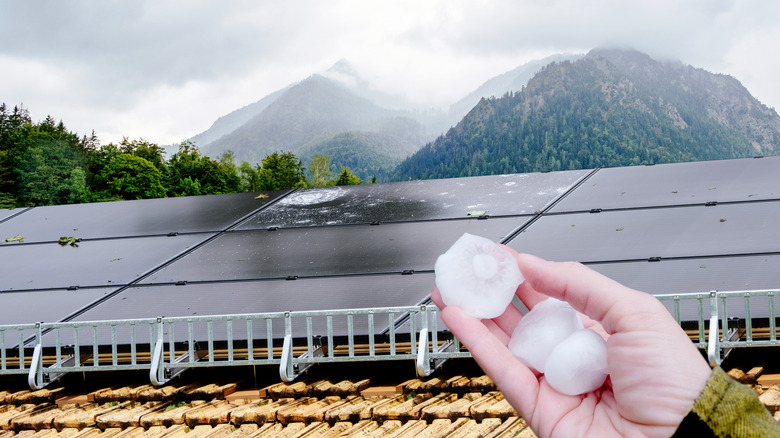
When a severe storm passes through, beating your home with wind and hail, one of the first things you worry about is the damage. The moment those hailstones start falling, the risk of damage to your roof becomes a very real possibility. How to identify hailstorm damage on your roof is a question many homeowners face after the weather clears. The aftermath of a hail storm can leave your roof looking undamaged from the ground, but you can't tell until you actually take a look around and search for signs of damage. Waiting too long to check for damage can lead to structural problems, leaks, and much bigger issues in the long run.
Understanding storm damage is related to knowing how often you should replace your roof. Hail impacts, even if they don't cause sudden issues, can make your roof wear out much faster than it should. You can save yourself some significant problems by understanding where to look and recognizing the signs of storm damage. This involves checking both the surrounding areas and the roof itself (with binoculars) for proof of hail damage. Taking the time for an inspection can help you better understand what you need when you call a roofing professional.
Start your roof damage check by inspecting the surrounding areas for clues
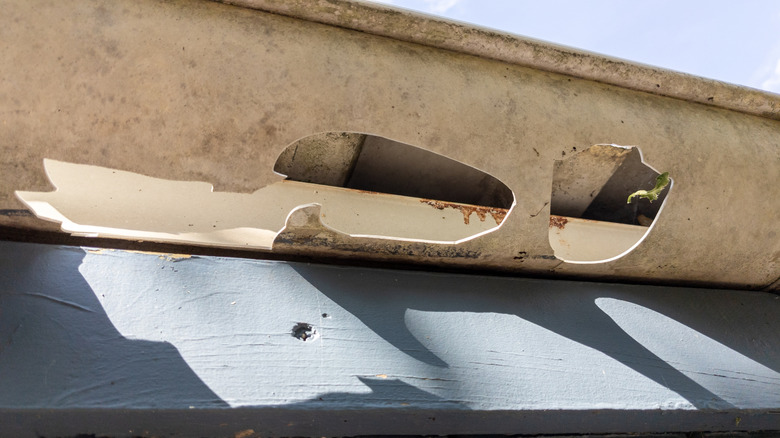
One of the best tips for extending the life of your roof is to be proactive after a hail storm. Before you even think about climbing onto the roof, which is best left to trained professionals due to safety risks, you need to look at the area around your home for signs that the hail was large enough and heavy enough to cause damage. A good starting point is to examine your siding, downspouts, and gutters. If the hail was significant, you may find indentations in the siding material, along with dents in the aluminum downspouts and gutters. Finding dents in metal is often a sign that the impact was strong enough to damage shingles or other harder roofing materials.
You should also check other items like air conditioning units and vents. Looking at these metal components for any pitting or indentations can confirm the severity of the storm. If items like siding, wooden decks, or painted areas show signs of chipped paint or pockmarks, it's pretty likely that your roof also has similar damage. Hail damage usually appears inconsistent. For example, a roof section facing the direction the storm came from will often have severe damage compared to more sheltered spots. When doing a ground-level inspection, be sure to check around your entire home to get a full picture of the affected areas, paying close attention to debris from asphalt shingles you may find near the base of downspouts or on the ground below eaves. This type of inspection is important for assessing the overall damage to your home before beginning the process of having a professional look at the roof itself.
How different roofing materials show their own signs of hail damage
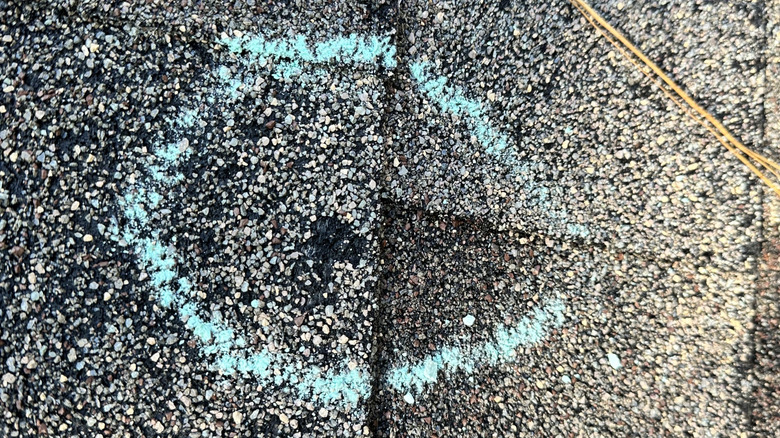
The way hail damages a roof varies depending on the roofing material, which means homeowners need to know the specific signs to look for on their particular type of roof. For homes with asphalt shingles (the most popular roofing material), hail damage often looks like random, circular indentations where the textured granules have been forced off, exposing the black asphalt underneath. These spots feel mushy to the touch because the fiberglass matting beneath the asphalt has been damaged. This can reduce the lifespan of the shingle, which leaves it vulnerable to UV rays and water problems.
Damage to wood shingle roofs typically shows hail damage as splits or fractures in the wood, especially along the grain. The hail impact can create noticeable patterns of splits that have the color of freshly cut wood instead of the faded and aged look of older materials. Metal roofs will have noticeable denting or pitting, especially on the ridges or seams. These dents can range from small, barely perceptible indentations to large, obvious marks, depending on the thickness of the metal. This vulnerability to cosmetic damage is one of the more apparent metal roofing downsides when storms hit.
For tile and slate roofs, the damage is usually more obvious, with broken or cracked tiles or slates. Even a minor fracture can weaken the material and allow water to get in. Knowing the signs of hail damage for your roof type helps you to communicate with your insurance agent and contractor, and gives you a good basis for understanding the severity of the storm's damage.