

10 Best Pepper Plant Varieties To Grow Indoors For A Year-Round Harvest
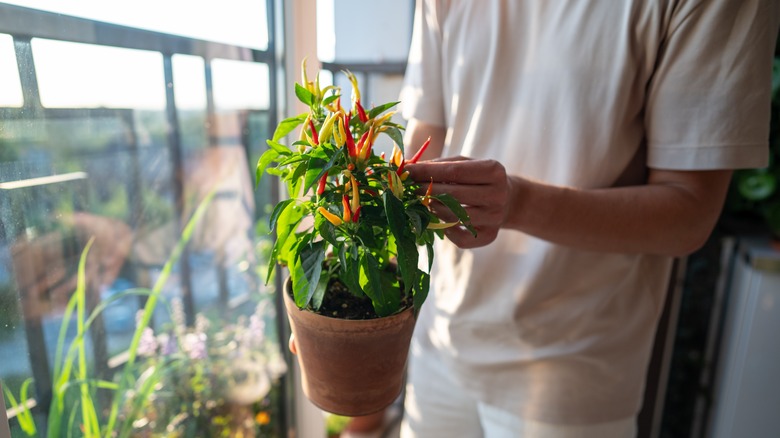
Peppers (Capsicum annuum) are easily one of the most popular veggies to grow at home — and while they can do well both indoors and outdoors (USDA Zones: 4-11), growing them indoors is often better. This not only saves you from the trouble of worrying about hardiness zones but also allows you to maintain favorable conditions for their growth all year round, which can help increase yield and prolong the harvest season. Some of the hotter pepper plant varieties you can grow indoors include Thai Chilli, Carolina Reaper, and Serrano. If you want mild and medium-heat varieties, Jalapeño, Shishito, and Biquinho are some good options. And it's not just chili peppers you can grow indoors, either: Some bell pepper varieties — like Redskin, Mohawk, and Lunchbox — can also be grown indoors.
When growing peppers, make sure to familiarize yourself with the harvest size and color of the pepper variety that you are growing. This is important as peppers are one of those plants that produce fruit continuously when harvested regularly. In carefully tended indoor setups, they can produce fruit for as long as 10 months. Also, keep in mind that peppers need plenty of light — at least eight hours a day. This means that you may need to add artificial grow lights for indoor plants.
Thai Chili Pepper
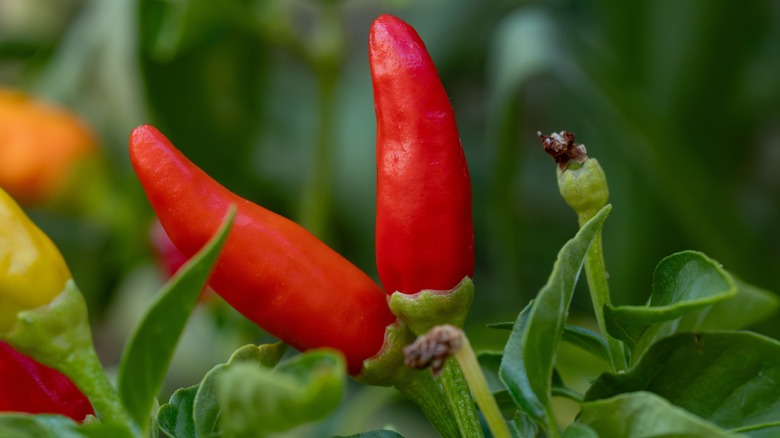
Thai Chili Pepper, also called Bird's Eye Chili, stands out for its intense heat and punchy flavor. It grows only about 8 to 10 inches tall, which makes it ideal for growing in containers indoors. Even better? The plants only take 85 to 90 days to mature and become ready to harvest. Just make sure that you put them in well-drained soil with plenty of sunlight. Also, when growing indoors, make sure that the temperature stays around 80 degrees Fahrenheit. It will keep the plants healthy and thriving and increase their yield.
Carolina Reaper Chili
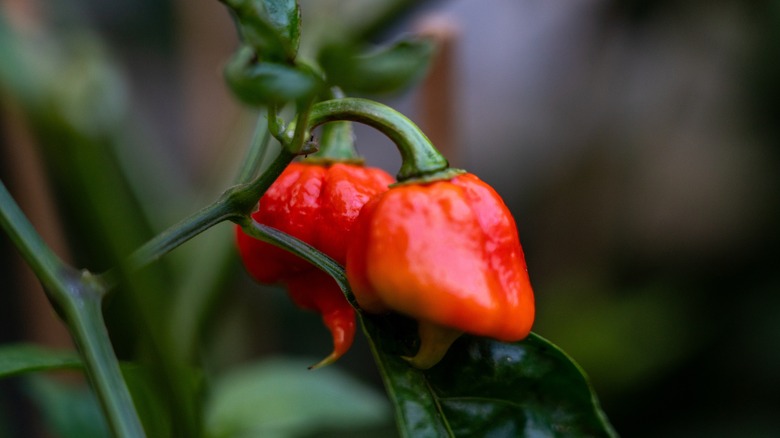
Carolina Reaper chili once held the world record for being the spiciest chili. It grows about 4 to 5 feet in height and takes around 110 days to mature and be ready for harvest. You can also grow them indoors in pots, just make sure that the soil stays evenly moist, especially while the plants are producing fruit. The peppers become orange to deep red when they are mature and ready for harvest. And make sure to avoid the common mistakes everyone makes when growing peppers if you want to get maximum yield out of these plants.
Serrano Pepper
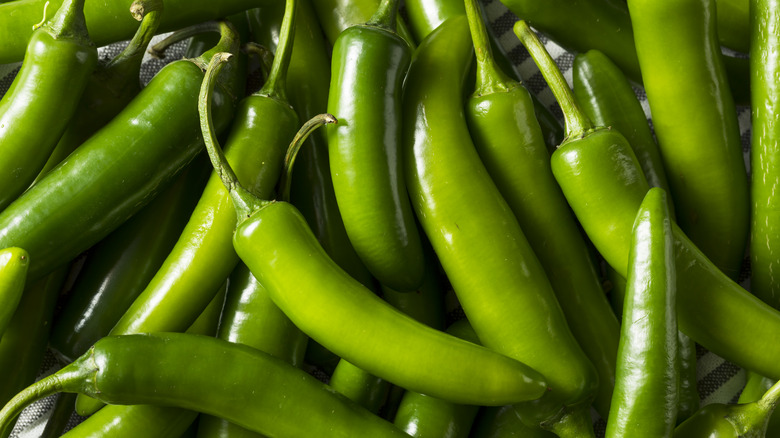
Serrano peppers are a go-to hot pepper in cooking, and they are pretty easy to grow indoors without any trouble. The plants grow to about 2 feet tall, and a container with a diameter of about 10 inches and a depth of about 10 inches should be more than enough to house them. Given good care and growth conditions, the pepper plants take about 85 days to mature, and pinching off the first blossoms could help keep plants healthy and more productive. Also, keep a lookout for powdery mildew and don't let the soil get soggy to avoid root rot.
Jalapeño Pepper
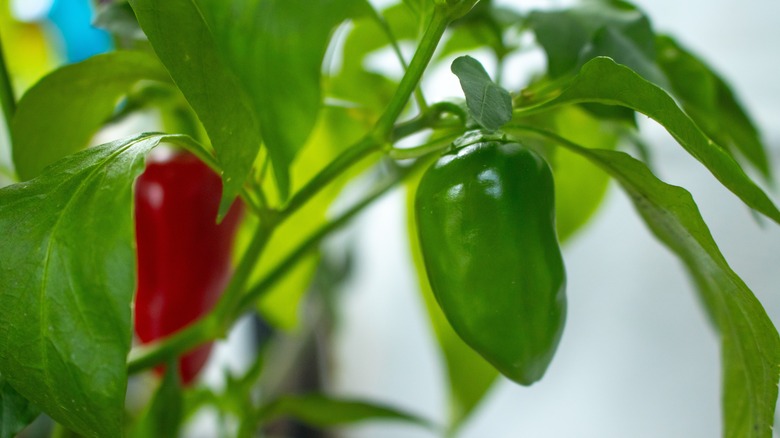
If fiery heat and spicy flavor are not your thing and you are aiming for something mild, the Jalapeño Pepper is probably one of the best to grow indoors. When planted from the seed, germination takes place in about 10 to 20 days, and the plants will mature in about 60 days. Just make sure that they are adequately cared for and receive plenty of light. You need to maintain a consistently warm environment around the plants. If they get too cold, they will not flower.
Shishito Chile Pepper
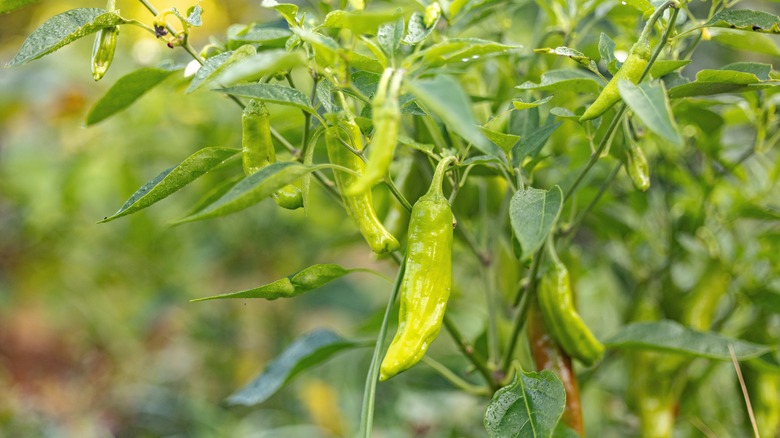
The Shishito Chile Pepper is another excellent option to grow indoors if you want mildly hot peppers. The plants grow to about 2 to 3 feet tall and produce 2 to 4-inch-long, curved, and slightly wrinkled peppers. For best growth and yield, plant them in somewhat acidic soil and place the containers in warm and well-lit environments. Indoors, you can place them on a windowsill, but no window will be bright enough to provide adequate amounts of light for peppers to grow indoors, especially in winter. So, make sure to add some grow lights as well.
Biquinho Pepper
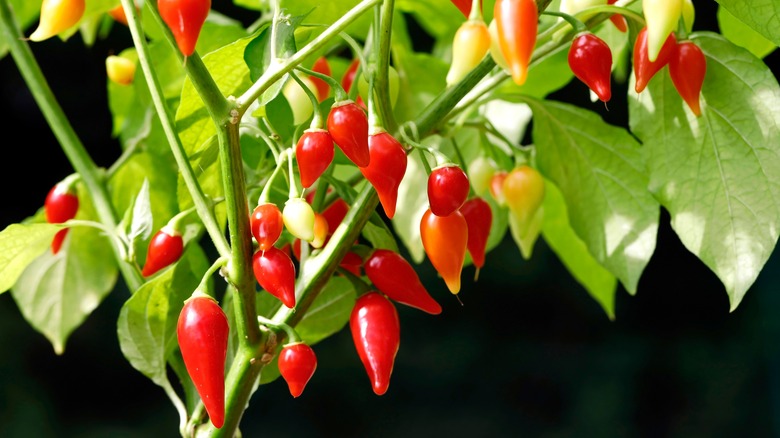
Biquinho peppers are tiny with a teardrop shape and are sometimes also called button peppers because of their cute, rounded look. Just like other pepper varieties, you can grow them indoors as long as you provide them with adequate light and keep them warm. The plants grow about 2 to 3 feet tall, but despite their small size, they produce an abundant harvest. Given the right conditions, you might be able to harvest hundreds of peppers per plant in a single growing season. Just keep an eye out for aphids and cutworms, which can be a problem sometimes.
Banana Pepper
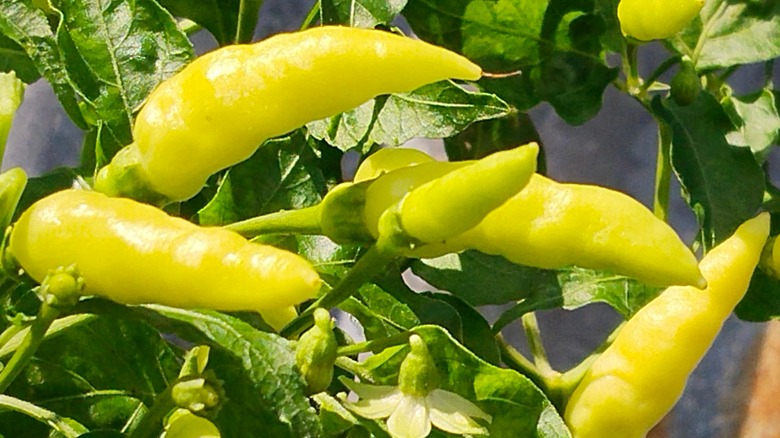
Banana peppers get their name from their bright yellow color and long, curved shape that resembles a banana. They grow best in fertile, moist, but well-drained soil. So, make sure not to let the container dry. It takes about two weeks for its seed to germinate, and the plants will mature in about two months. The plants produce abundant fruits that turn from pale green to yellow and ultimately red as they ripen. If your plants get weighed down with fruit, consider adding stakes or a small cage to give your plants some extra support.
Redskin Bell Pepper
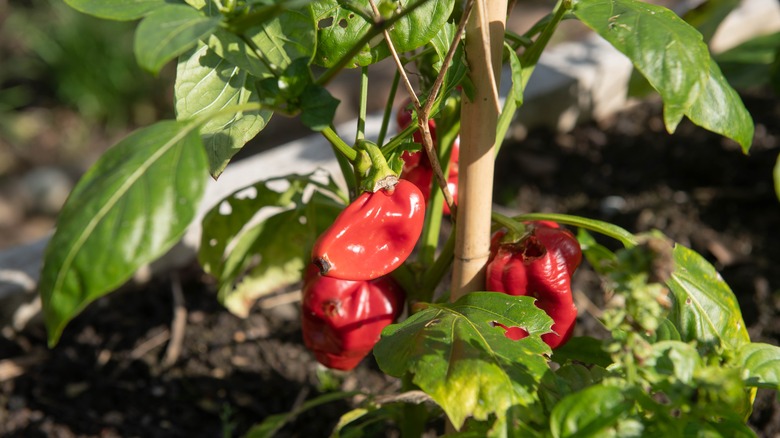
If you want to grow pepper plants in containers for a bountiful harvest in a small space, you cannot go wrong with the redskin bell pepper. It grows easily indoors on a sunny windowsill and does well in pots, containers, or even hanging baskets. The plants stay compact, just 2 to 4 feet tall, but they produce lots of blocky, bright-red fruit. These fruits can add a bold splash of color to any spot. As for the harvest, you can pick the peppers green, but leave them to ripen red if you want a higher vitamin C content.
Mohawk Bell Pepper
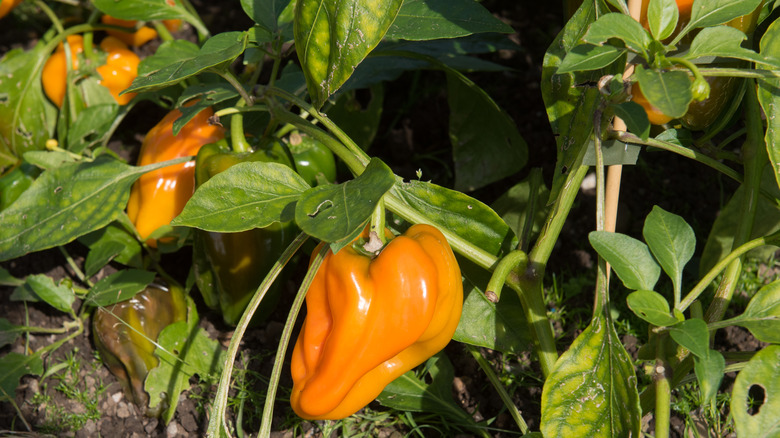
Mohawk pepper is another sweet bell pepper variety that you can grow indoors. Its semi-trailing growth habit makes it a perfect choice for hanging baskets, creating a cascading effect that looks beautiful indoors. Each pepper grows to about 3 to 4 inches in size and can grow up to 40 grams in weight. So, you might need to support the plant to keep branches from bending under the weight of the peppers. Just make sure to water deeply and keep the soil pH between 6 and 6.8.
Lunchbox Bell Pepper
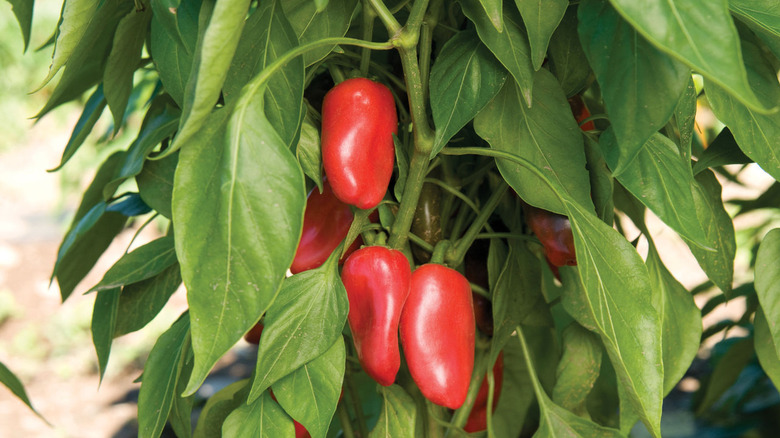
Last on the list are the Lunchbox bell peppers. These peppers are well-known for their extraordinary sweetness and flavor. You can grow them indoors in containers as long as they get plenty of sun. Just keep the soil consistently moist but not soggy. This helps plants develop a strong root system, which ensures they grow well and produce lots of peppers. You can also try pinching off the early blooms to help your pepper plant produce even more peppers. And keep the soil warm, around 80 degrees Fahrenheit, when sowing the seed for good germination rates.