

Avoid Weeds Growing In Perennials With A Method That Plant Lovers Will Be Happy To Try
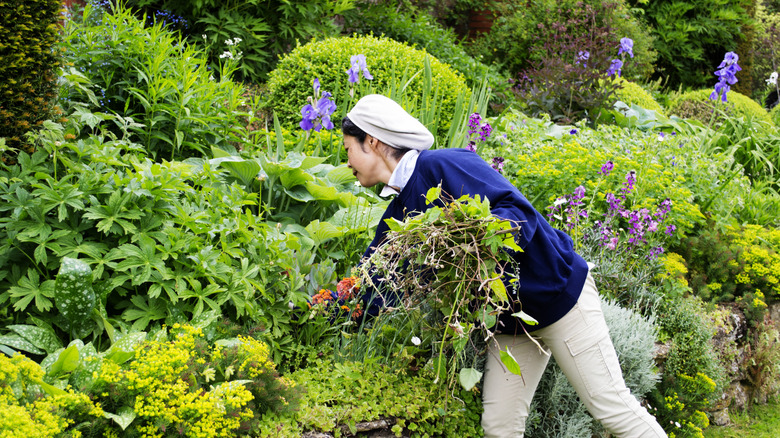
Weeds are relentless, clever, opportunistic intruders that won't let go of any chance to pop up in your garden. No matter what you do, they seem to find a way in. And it is especially tough to watch them invade your perennials that have been blooming and fruiting in your home for years. Now, using a herbicide might seem like a quick fix to the problem, but as it turns out, there is a better method. And it doesn't even require the use of any materials, let alone the harmful chemicals. Just grow your perennials more tightly, leaving as little space as possible between the plants.
This method works because it leaves little to no space for the weeds to grow and invade. Perennials packed tightly in a garden compete with the weeds for light, water, nutrients, and space far better than the perennials grown sparsely with bare soil in between them. And if you are wondering if it is even worth it or how effective it is, you will be surprised to know that this dense-planting method is so effective at suppressing weeds that it can even outperform any of those store-bought weed killers and their alternatives that you might have seen people use to get rid of weeds.
Packing perennials tightly the right way to keep out weeds
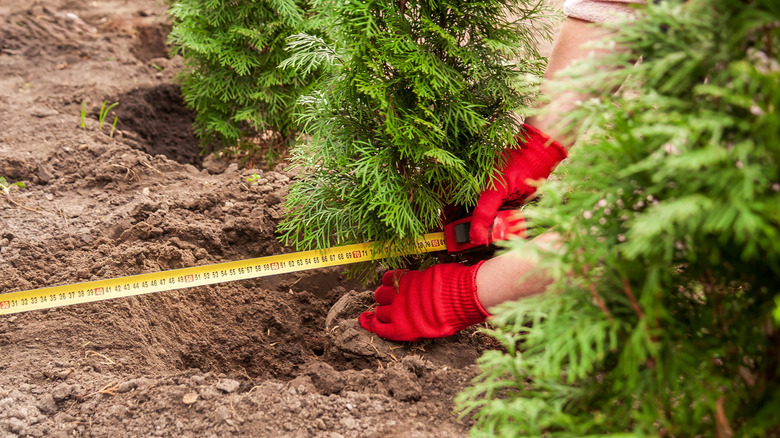
Now, as great as planting densely is to avoid weeds growing in perennials, you don't want to plant too densely either. After all, you don't want to overcrowd your plants. So, when planning, make sure to research the height and spread of your perennials and set plant-to-plant distances accordingly. Ideally, you want to plant the spacing in such a way that achieves coverage in one to two growing seasons while still leaving room for the plants to grow to their full size.
But the problem is that it doesn't matter how much time you spend trying to determine how many plants can fit into your garden; perennials often have a mind of their own. For instance, a plant you expected to thrive might suddenly wither, while another can explode with growth and turn into a sprawling, unruly clump you never saw coming. In such times, you will either need to replace the dead perennials or thin and divide the ones that are getting too clumpy.
Thinning too dense plantings is also necessary because if you don't, it can block or restrict airflow and raise the humidity. This can lead to an increased risk of plant diseases like powdery mildew. Another good practice is to incorporate variety into your dense plantings of perennials rather than creating thickets of monocultures. When you mix different plants together, they stay healthier overall and do a much better job of holding off weeds from taking over.
Benefits of dense perennial planting beyond weed control
Beyond weed control, there are several other benefits of packing perennials too closely. For instance, in dense plantings, very little sunlight will reach the soil. This not only suppresses the weed seeds from germinating but also lowers the amount of water that gets evaporated. This can save you from the trouble of watering your perennial beds every day. Also, the shading effect of the plants will keep the delicate root system of shallow-rooted perennials protected from heat during the hot summer months.
Other than that, densely planted perennials also play a critical role in preventing soil erosion. This is especially helpful if the terrain is sloppy and/or in the way of flowing water. The interlocking roots of closely spaced perennials will keep the soil particles held together firmly in place, and they won't wash away even during heavy rain.
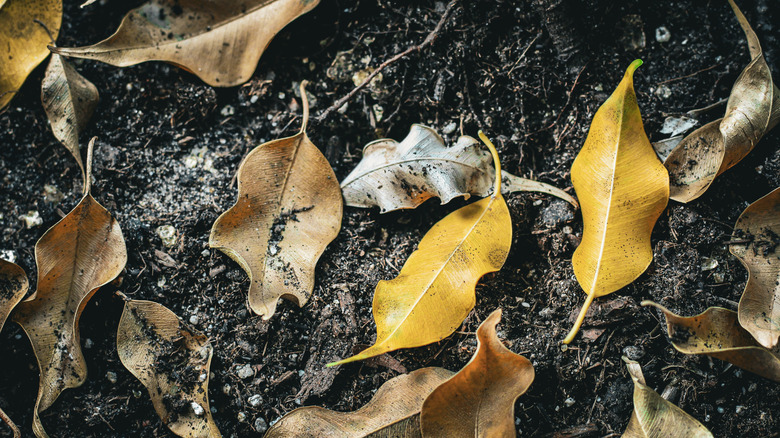
And lastly, the falling leaves in a dense planting can also contribute directly to soil fertility. As they fall and decompose, they will return nutrients to the soil, keeping the soil healthy and reducing the fertilizer needs. Just make sure not to turn your garden into a breeding ground for pests by letting the leaf debris get too thick.