

The Landscaping Design That's Unknowingly Attracting Snakes To Your Yard
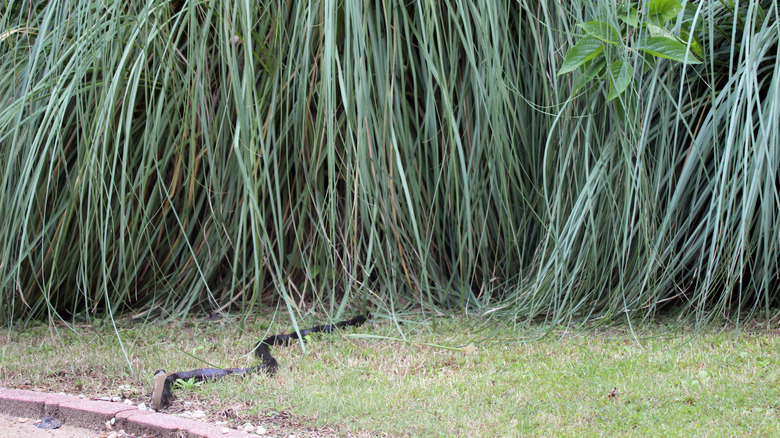
There's nothing like constantly scanning the lawn for snakes to keep you from enjoying your outdoor space, and unfortunately, a popular landscaping feature may be encouraging them to settle in: tall grasses clumped up against your house. Though lush, ornamental grasses — especially pampas grass, ivy, and similarly overgrown groundcover — look great, they are some of the most reliable snake magnets in residential yards.
This is because these voluminous grasses and dense groundcovers offer snakes everything they need to thrive: camouflage from predators, a cool, shady environment, and a place to hunt. The tall, arching blades of grass spill over to the soil, forming little tunnels and pockets that stay dark and full of moisture, even while the rest of the lawn is baking — perfect for both snakes and their primary food sources, small mammals, and insects alike. If you're concerned you might unwittingly be harboring a snake condo, you might want to find out what plant snakes are most attracted to in your yard.
While you're unlikely to be in any danger if a family of serpents has taken up residence in your clump of pampas grass, their hissing, wriggling presence isn't exactly a welcome one. Though there are some snakes you do not want to see in your yard, the average yard snake, such as a garter or gopher snake, is non-venomous. Cutting back or removing huge plant clumps close to patios, decks, or home foundations is often necessary. The best time to do this is in late winter or early spring, when snakes tend to be less active. Cut the tall grasses right down to their bases, and wait for a day or two to give any wildlife time to clear out before cleaning it up.
Keep your yard snake free with these serpent-deterring landscaping tips
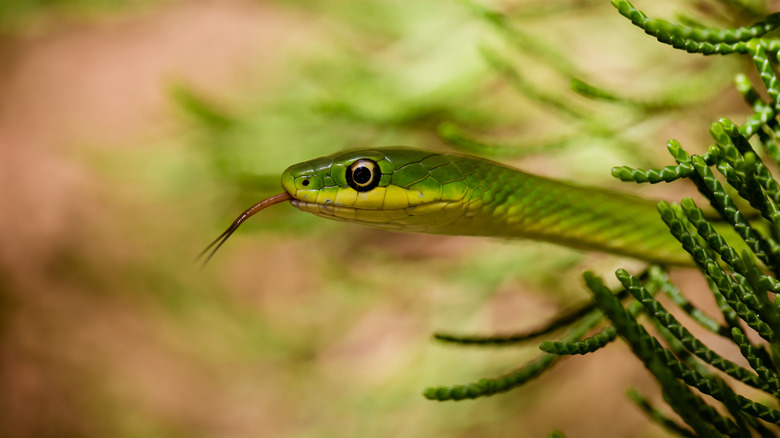
Keeping snakes out of the yard isn't about fighting the animals themselves — it's about removing the conditions that attract them with simple but effective ways to deter snakes from your yard. To keep them from coming back, replace the oversized grasses with lower, more open plantings that allow you a clear, unobstructed view of the ground. More visible soil, better airflow, and fewer places for rodents to hide all add up to a landscape that signals to snakes that they're unwelcome.
Lemongrass, and its closely related cousin vetiver, are great snake-repelling options to replace your tall grasses with. They have similar tall, lush clumps of leaves to pampas grass, but give off a citrus smell that snakes dislike. A clean, open yard also disrupts the food chain. Removing leaf piles, stacked wood, or dense groundcovers makes it harder for small animals to move unnoticed, while keeping grass trimmed low removes the cool, shaded pathways snakes prefer.
Mulch and large rocks may look tidy, but they also create an inviting habitat for snakes and the prey they feed on. Swapping them for smaller materials such as gravel or river rock reduces the gaps where reptiles can hide. Water features, ponds, and water gardens add another layer of snake attraction, offering both drinking sources and hunting grounds, so avoid them if snakes are a concern. Addressing leaky hoses or standing water prevents yet another attractor. When these basic environmental cues are removed, snakes simply have fewer reasons to linger.