

The 11 Worst Places To Install Home Security Cameras
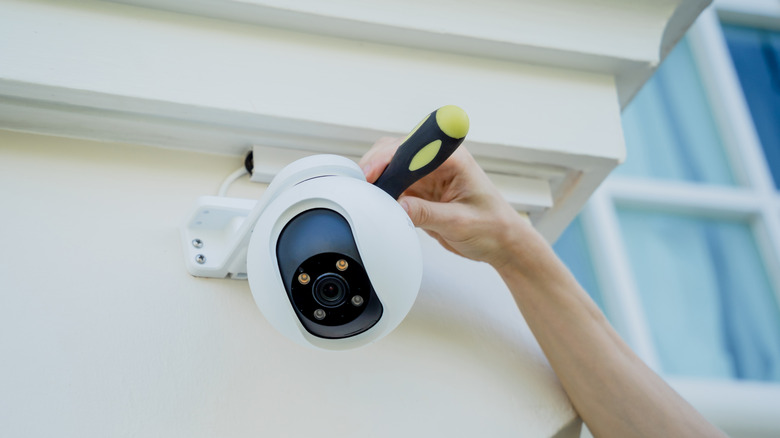
Installing a new security camera means deciding on the optimal location for visibility and reliable monitoring. You may already know the best place to install a security camera in your home, but what about the reverse: the worst places? A camera isn't suited for every nook and cranny outside your home, and poor placement can result in bad images, poor reception, and even accidental privacy violations if you're not careful.
As of 2025, more than 50% of U.S. households have at least one security camera, per Safehome.org. Once considered an expensive home upgrade, today's security cameras have evolved significantly. Many modern models don't require an extensive installation process and can be hardwired or wireless, offering you more flexibility; however, it comes with caveats. You should consider where to place your home security camera for maximum results. Experts advise mounting a camera 8 to 10 feet high off the ground to keep it out of easy reach. As you mount it for the first time, it helps to know the areas that can reduce its effectiveness, such as near obstructions, placed next to a heat source, or exposed to direct sunlight. If you're opting for a DIY install, avoid these 11 spots for the best, legal results.
Directly pointed at your neighbor's property
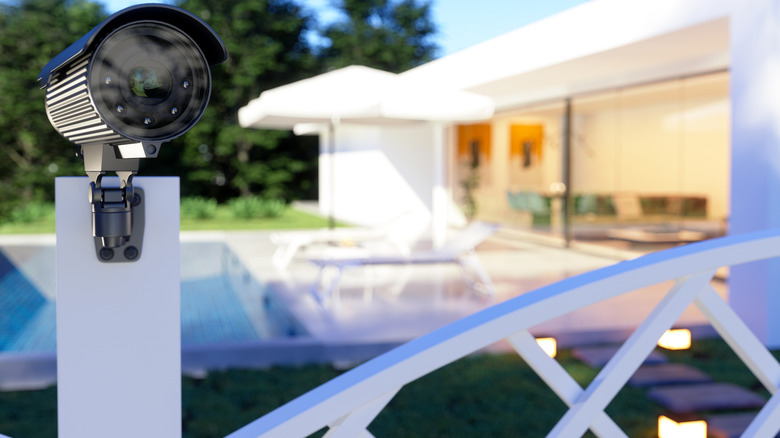
Pointing your security camera at your neighbor's property isn't ideal, and some angles may even violate state laws. If you point your camera at their bedroom, bathroom, or backyard, this can be considered an invasion of privacy. Some states, like California, have laws on the books regarding this violation, such as Penal Code Section 647(j)(1), which explicitly forbids recording anywhere individuals have a clear expectation of privacy. To stay on the side of the law and on your neighbors' good side, keep the camera pointed towards your property, not theirs.
The bedroom
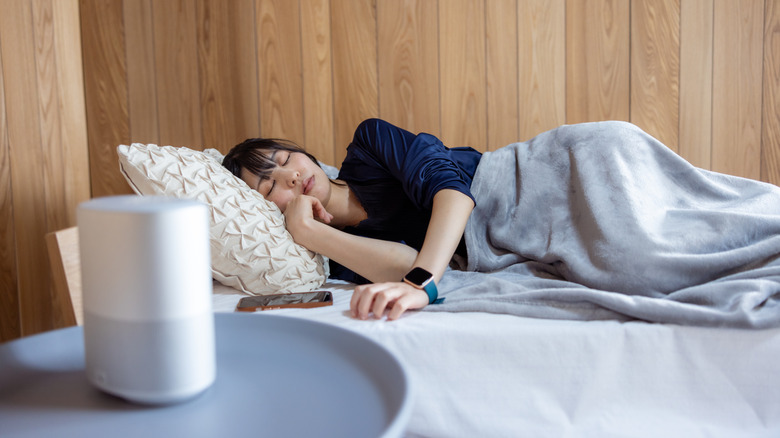
It should go without saying that you shouldn't put a camera in the bedroom. The bedroom is considered a private place, and storing any footage from your bedroom can be a big security risk. If a hacker were to gain access to your sensitive recordings, they might use them to harass or blackmail you or your family. This warning doesn't apply to a nursery or a young child's room, however, as these areas are typically spots for supervision due to safety concerns.
Facing into the sun or sky
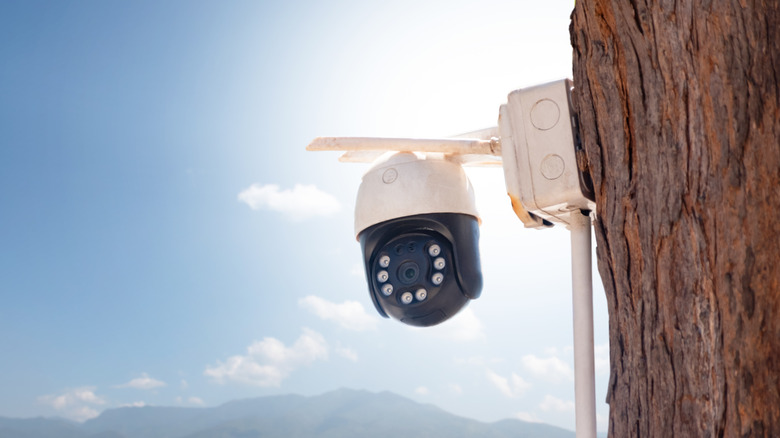
Placing your security camera outside, you might point it slightly upwards to try to capture a good view, but don't let it face directly into the sun or sky. You'll end up with glare issues or a lens flare, making it hard to discern details in the image. Your camera's extended exposure to the hot sun also makes it more susceptible to image sensor damage.
Where it's facing through a window
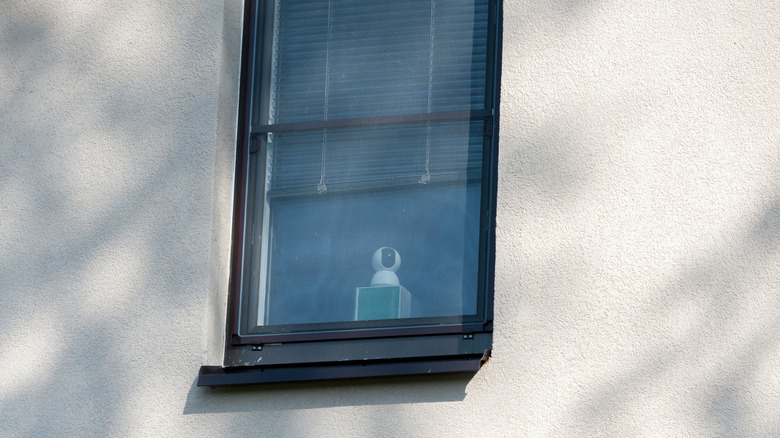
You may not realize it, but aiming your security camera through the window isn't the best idea, for multiple reasons. When behind glass, triggering the motion detection and recording ability can be more difficult. You may also have your image washed out at night, as the camera picks up street lights and car headlights, or simply the glass reflection. Considering that there are backyard lighting choices that are way too harsh, imagine the effect on your camera's image.
Near sources of heat
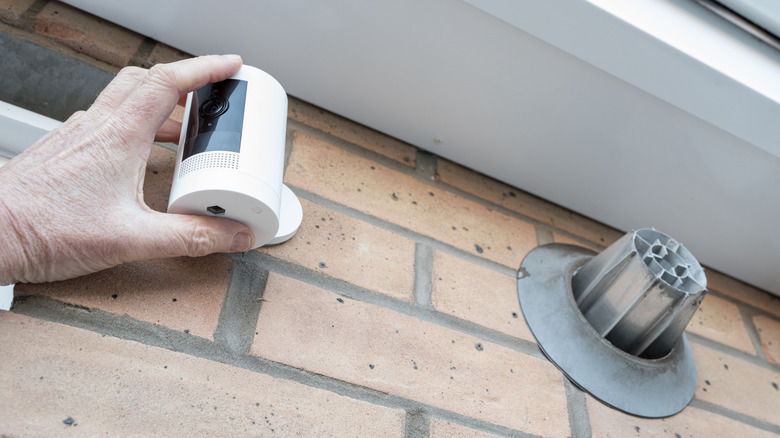
The one place to avoid installing a security camera on your property is near any source of heat, including heating vents. Cameras adjacent to a vent are subject to dust and debris blown onto them by the vent, making it harder to keep your lens clear. The rising heat can also cause image distortion and reduce clarity. Because security cameras are sensitive electronics, excessive heat can easily cause a malfunction or battery issues.
Where they're too well-hidden
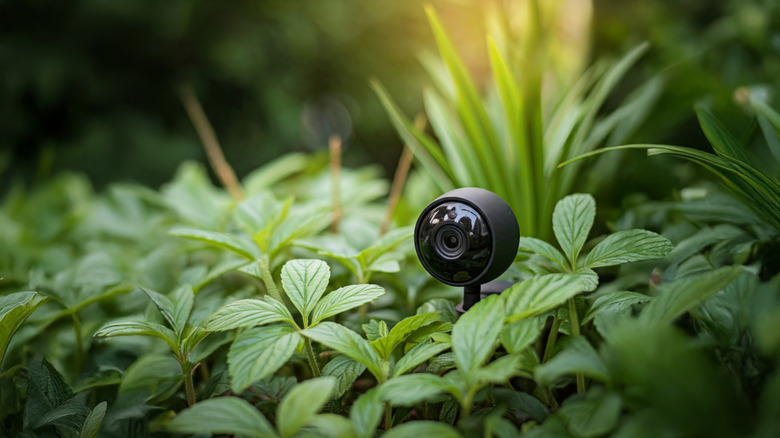
Placing your security camera in a space where it's too obscured isn't advised. Just the sight of security cameras can be a visible deterrent for would-be intruders, and you lose that if your cameras are hidden. In addition, you might pick up poor images with obscured details, or even no images at all, especially in areas with poor lighting.
Too low to the ground
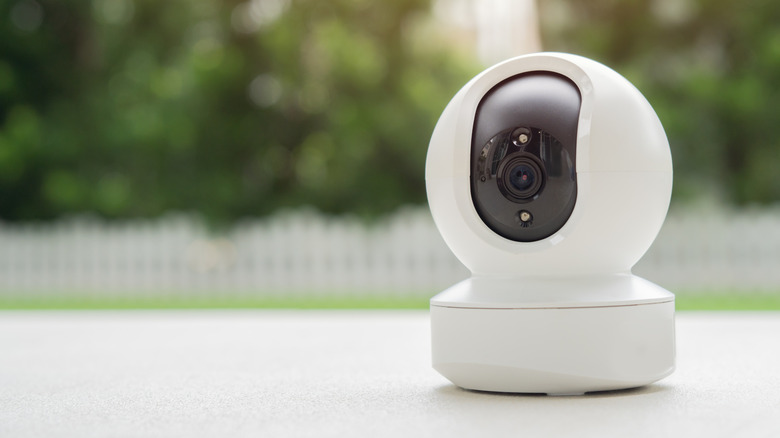
Individuals might tamper with or remove a camera positioned too low to the ground, plus you can create an angle resulting in poor image quality. This is why experts always advise mounting cameras high enough to prevent tampering and better visibility. A camera positioned at a higher angle is also less likely to fall victim to accidental damage or movement from pets or children.
Near areas with possible obstruction from plants
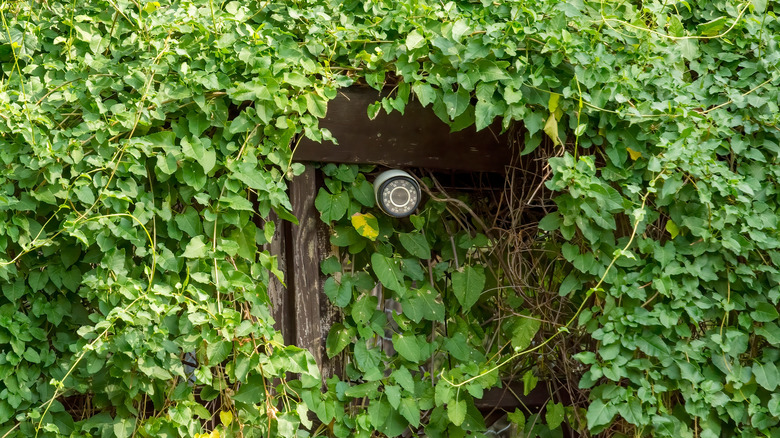
Think carefully about putting cameras near your garden. Trees, bushes, and other plants that grow and sway in the wind can block your security camera. As you assess where to mount it, pay attention to any potential obstructions, as even the slightest movements can compromise your view and result in an obstructed image. The movement of the foliage may also trigger repeated false alerts by the motion detection sensor.
Spots with heavy light
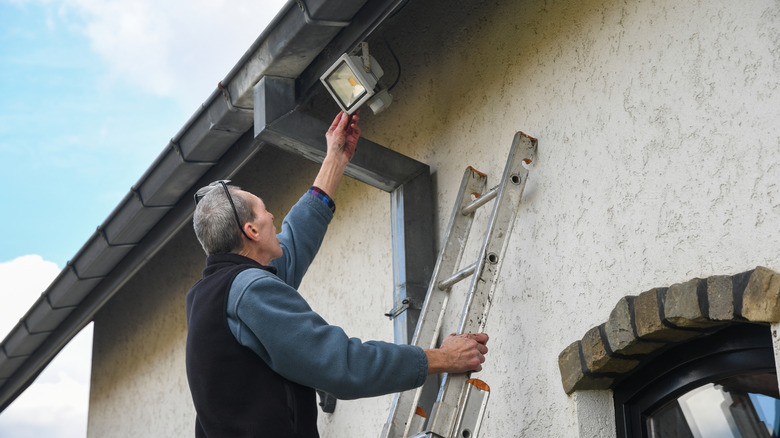
Any bright light shining near your surveillance camera can flood the image, creating the potential for unusable footage. Backlighting and floodlights, especially those with a motion detector, may repeatedly trigger with movement from small animals or a passing car. This activation can then cause you to miss actual security events, such as a burglar breaking into your home.
Exposed areas prone to snow and ice
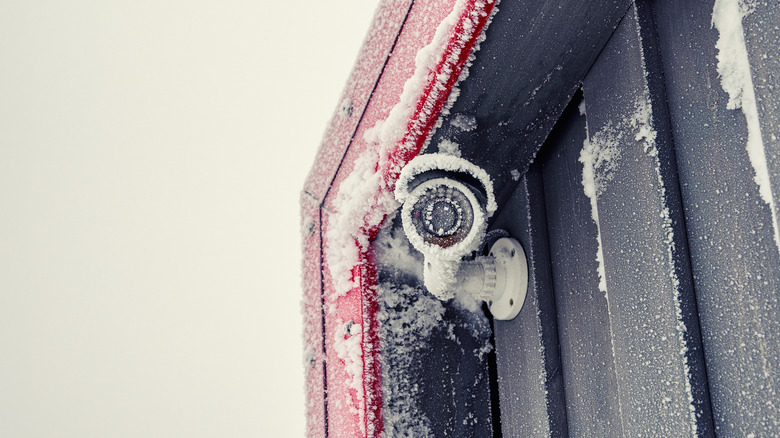
Security cameras can operate in cold weather temperatures down to freezing, but it's another story when they are exposed to snow and ice. If mounting your camera in the spring or summer, consider how it will fare once the winter hits. Make sure your cameras are under an eave or in another protected area to shield them from moisture damage caused by snow and ice. Even the weatherproof cameras aren't invincible to moisture, which can make the image less clear. They may also have a shortened lifespan from prolonged exposure.
Areas with visibility difficulties
It seems counterintuitive, but you really should avoid putting your camera in any area where you can't see, like a blind corner of your yard, especially since most burglars aren't shadowy figures lurking in tight, dark spots. A survey by ADT finds that most intruders are using easy points of entry, with the majority of them (34%) using the front door. Now, you can still add a camera to those small nooks for peace of mind, but only after you've covered the main entry points, such as your doors, windows, and fence.