

9 Most Fragrant Live Christmas Tree Varieties That Smell Like The Holidays
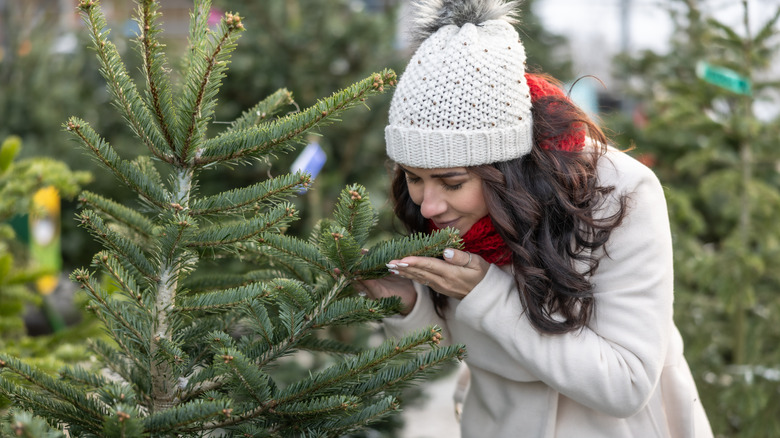
Among the best parts of Christmas is that feeling of comfort and nostalgia as traditions are carried on in the presence of family. From making your Christmas tree look vintage to selecting the variety that smells the most like the holidays, the tree is at the center of these traditions for many families. Of all the senses, smell is the most powerful when it comes to memory connections. So, it's no wonder the smell of a Christmas tree matters so much this time of year.
Generally, people seem to prefer the smell of fir trees during the holidays, which evokes memories of the past with their fragrant needles. The balsam fir, Fraser fir, and Douglas fir are among the most popular varieties of Christmas trees that people associate with the holidays. However, pine and spruce varieties, such as Scotch pine and Colorado blue spruce, are also common choices among consumers at Christmas.
Balsam fir
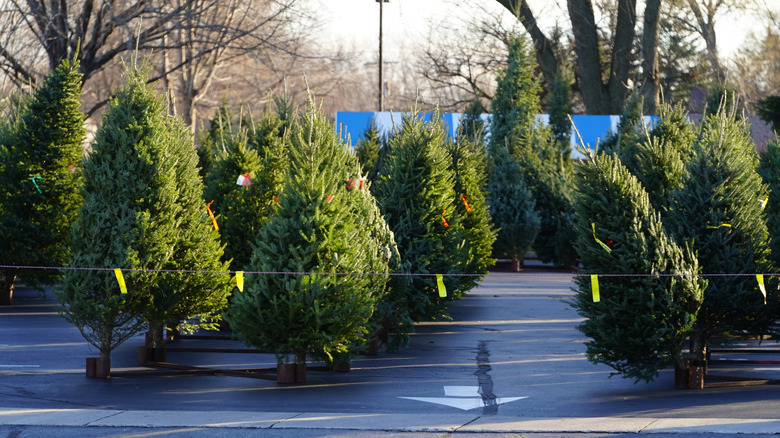
The balsam fir (Abies balsamea) is not only considered the most fragrant Christmas tree on the market, but it is also widely considered the most popular. It is primarily found in colder climates, so it may not be available in every region for Christmas. This variety got its name from the excessive amount of resin it secretes, which shows up as fragrant "blisters" along the trunk. The needles contribute to the holiday scent, and they are known to be long-lasting. It is also the top choice for the upside-down Christmas tree trend because of its durability and longevity.
Canaan fir
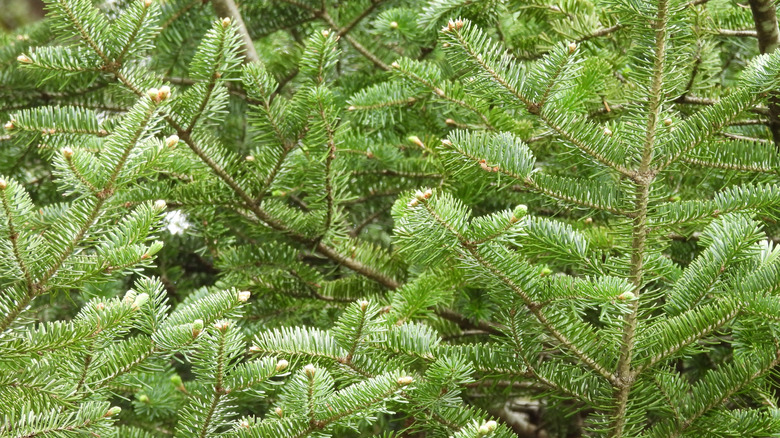
The Canaan fir (Abies balsamea var. phanerolepis) is a relative of the balsam fir and has many of the same features, including a strong, pleasant fragrance. However, it also shares traits with the Fraser fir, which makes it complicated to classify. These similarities are part of the reason it is such a great Christmas tree option. The holiday scent mostly comes from the needles, which grow in a clean, pyramid shape that blends in perfectly with any Christmas decor.
Colorado blue spruce
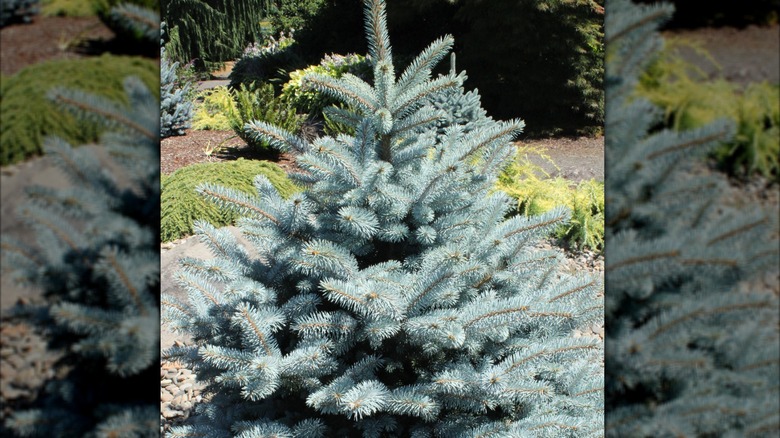
While the Colorado blue spruce (Picea pungens) is a viable Christmas tree option that produces a strong pine scent that will complete your nostalgic holiday setup, it's not the most popular. In general, fir trees are more commonly selected for their fragrance. Still, the Colorado blue spruce is considered pleasantly fragrant, and it is usually selected for the additional ornamental value of the blue needles.
Douglas fir
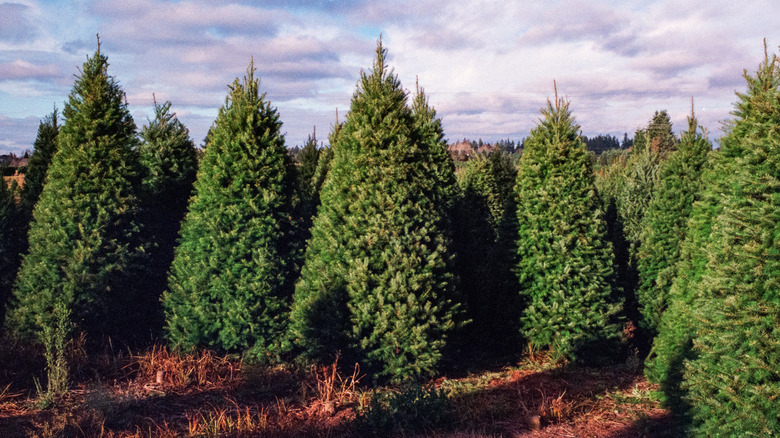
The Douglas fir (Pseudotsuga menziesii) is known for not only smelling like Christmas but also for being one of the most fragrant trees to make your yard smell better than ever. While it has "fir" in the name, it is technically not a true fir tree, which is part of the reason the scent is so distinct. The traditional pine scent is mixed with a sweet, almost citrus aroma that makes the Douglas fir one of the most popular Christmas tree options on the market, especially for those seeking a holiday scent.
Fraser fir
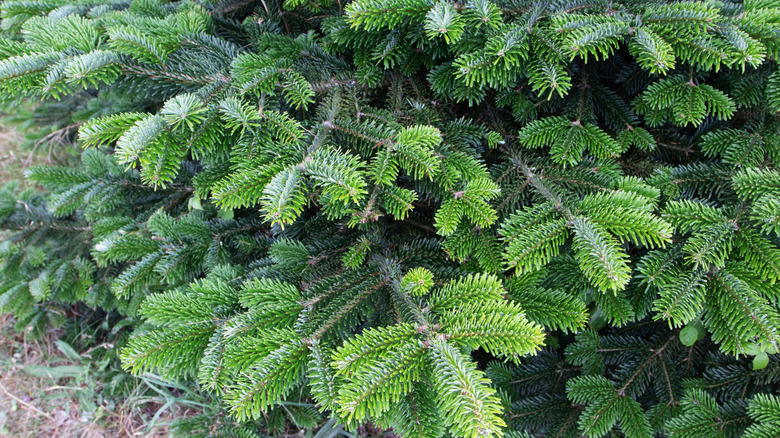
The Fraser fir (Abies fraseri) is very similar to balsam fir and, as such, is considered another top contender for Christmas trees, especially when it comes to fragrance. For example, it also has resin-filled blisters that contribute to the pleasant holiday scent. The main difference between balsam fir and Fraser fir is their growing location. Fraser fir grows mainly in the southeast region of the United States.
Grand fir
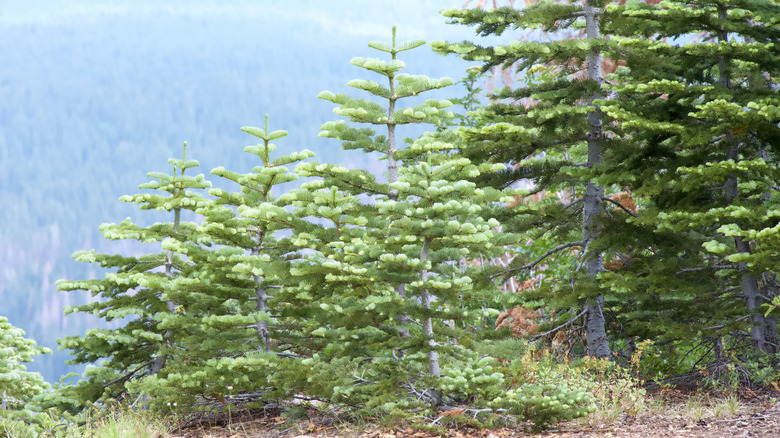
Another citrus-scented tree that still gives off the smell of Christmas is the grand fir (Abies grandis). When undisturbed, the needles give off a strong pine scent, but when crushed, they smell more like oranges. It grows in a dense, pyramid shape that is perfect for Christmas, but it doesn't last as long as other options like the balsam fir. Generally, it is recommended to put up a grand fir for decoration within two weeks of the holiday.
Norway spruce
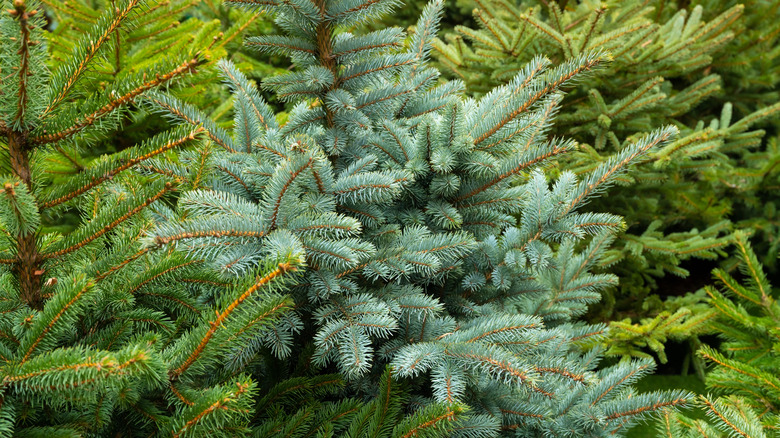
The Norway spruce (Picea abies) is a European tree commonly used as a Christmas tree in other countries, and it has also gained popularity in the United States. The needles produce a strong pine scent as they dry out, or when they are crushed, which is described as traditional. Since the needles do not last long after cutting, it is best to display Norway spruce trees as close to Christmas as possible.
Scotch pine
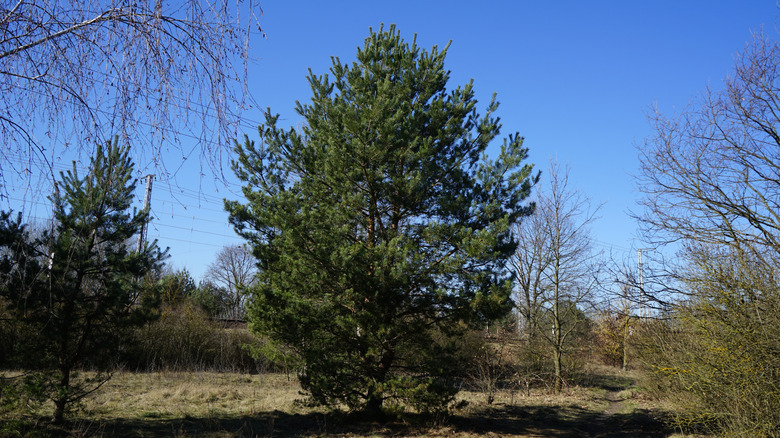
The Scotch pine (Pinus sylvestris) is one of the most common Christmas trees because it is exceptionally durable and long-lasting. It is particularly desirable because the needles do not fall off as readily as those of other varieties, even after they have dried out. Beyond the long display time, though, they are also known for the iconic "holiday" smell that is used in fragrant oils and pine-scented products.
White fir
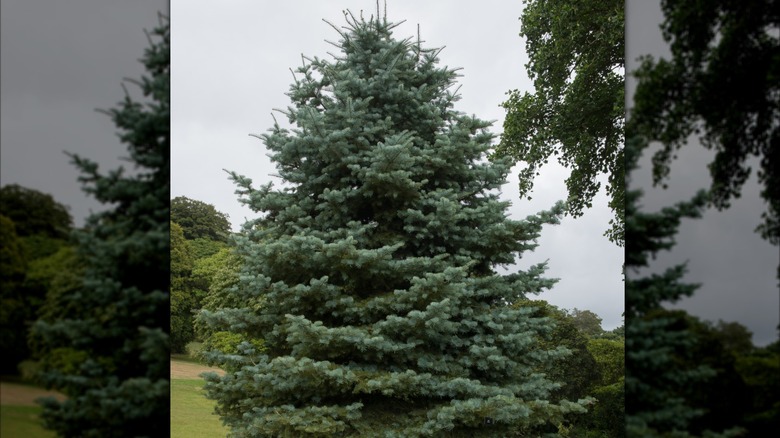
The white fir (Abies concolor), also known as the concolor fir, is usually selected for the ornamental value of its long needles, but it still has a notable scent reminiscent of the holidays for some people. The scent of the white fir tree has been described as citrusy, rather than piney, like more traditional trees, such as the balsam or Fraser fir. The lemon-like scent is used in aromatherapy to create a stabilizing or energetic effect.