

13 Different Types Of Tiny Houses You'll Want To Move Into Immediately
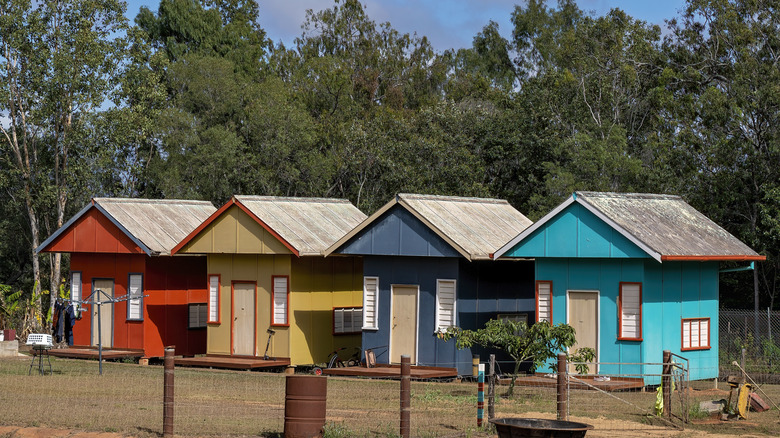
In a time when traditional home ownership may feel out of reach for many young buyers, the tiny house movement — living in dwellings typically under 400 square feet — has exploded in popularity as a feasible pathway to a forever home. Since the Covid-19 pandemic, the tiny home has evolved from a niche way of life to a more accepted, dare we say in-demand, concept. Typically more affordable than traditional homes, the compact size of the house and its traditionally speedy build time offer an expeditious pathway to financial freedom that living in a larger home may not give. While there are some downsides to tiny homes, all in all, folks seeking a permanent space with fewer complications than traditional ownership may strike gold with this tiny living concept.
Efficient and often requiring less maintenance, tiny home styles are plentiful as well. While it's easy to assume that tiny homes all look the same and are constructed the same, there are plenty of different kinds of tiny homes that lend themselves to different lifestyles and needs. A tiny home in an RV or a bus, for example, permits the homeowner to be mobile and flexible in their lifestyle. Other styles, like the Granny flat, offer a close-by, yet separate home for aging parents or close-knit families. Some tiny home styles are driven by what's available to you, like tiny shed homes where you can easily convert an existing accessory building into a proper accessory dwelling unit. No matter your preference, there's a tiny home style that will suit your needs.
Tiny cabins
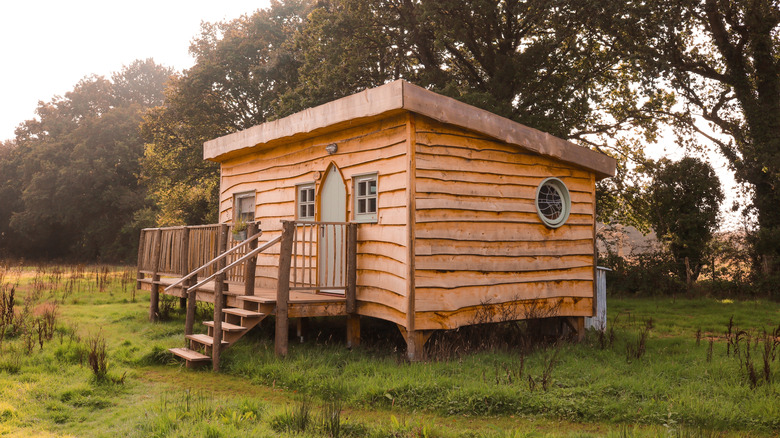
For those who love the outdoors and living in proximity to nature, tiny cabins are the perfect solution. Permanent homes are often built on foundations and designed for a streamlined, simplified, and nature-focused living; tiny cabins are appealing for both their aesthetic and their practical nature. They require less heating and cooling than their larger counterparts, and offer a cozy, tranquil retreat in the woods. A DIY option can run you as low as $13,000 to $100,000 for a kit or materials, while a professional build ranges from $50,000 to $150,000 or more, depending on finishes, location, and utilities.
Granny flats
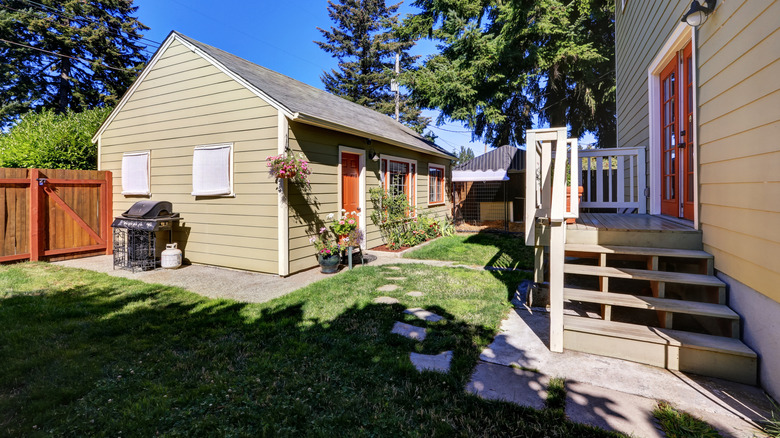
Originally conceived of as an accessory dwelling unit (ADU) for aging relatives in need of care (hence the name), granny flats usually include a bedroom, bathroom, and kitchenette, all the amenities needed for loved ones who want to maintain their autonomy and dignity in their own private spaces. All the while, you're available quickly in case of an emergency. But in today's world, you don't have to wait to age to live in a granny Flat; they now make great small home alternatives for anyone who prefers to be close to family. Generally, the all-in cost for a granny flat falls between $90,000 and $360,000.
#vanlife
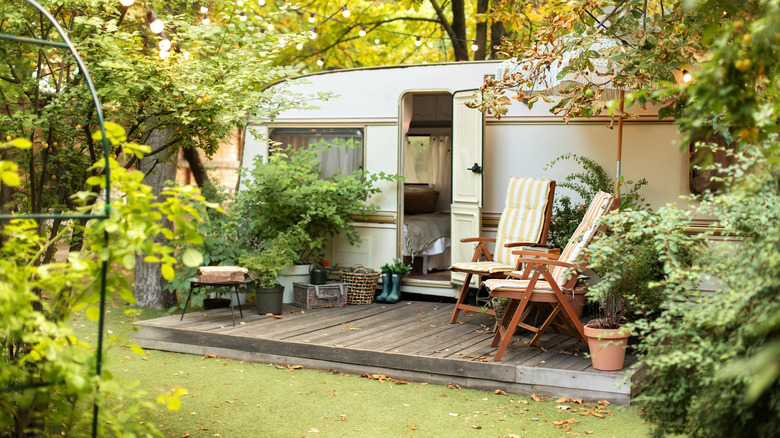
More Americans are living in RVs now than ever before, and it's no wonder. RVs and converted van homes offer the ultimate benefit of tiny home living for many: mobility. Built on wheels, it allows you to move your home with you in the event of a life change, like a move necessitated by work relocation. Freedom is the greatest benefit, enabling a flexible and location-independent lifestyle. While van conversions can cost as little as $10,000 to $20,000, not including the van itself, more professional build-outs can cost $100,000 or more. Still cheaper than many homes around the country!
Shed homes
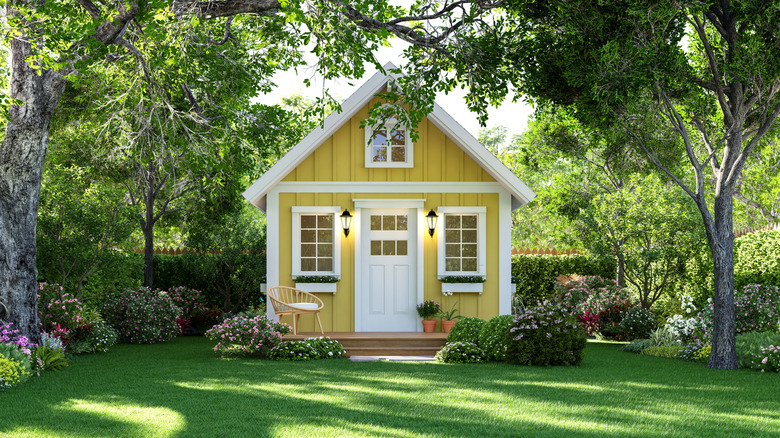
Yes, you read that correctly — a tiny home in a garden shed! There are a few different ways of achieving a tiny shed home, with one of the most convenient being converting an existing shed on your property. This can make such a build extremely cost-effective, with some conversions costing as little as $50,000 for all finishes and utility hookups. A new shed will run you closer to $80,000 or even into the six figures, but then you have the benefit of rapid construction and customization best suited for your needs.
Underground homes
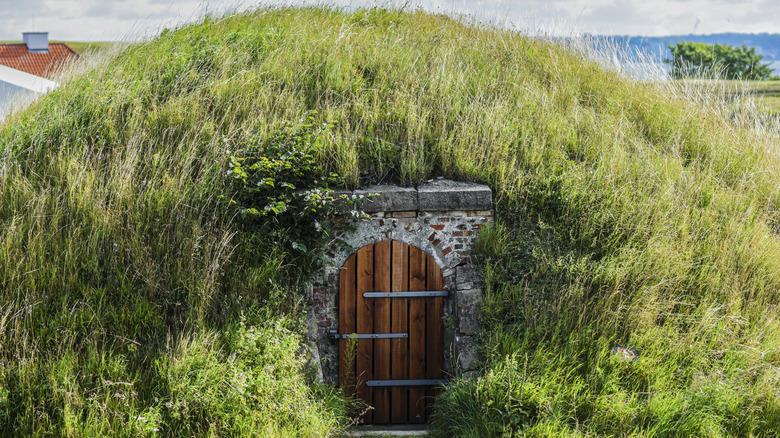
Ever wanted to live in a Hobbit Hole, like in the Shire? The good news is that underground tiny homes are a reality. Underground, or earth-sheltered, tiny homes are built into a hillside and often have soil packed against their walls and roofs. This makes for fantastic energy efficiency, with the surrounding earth acting as a natural insulator — such efficiency leads to great long-term utility savings. It also provides excellent shelter against the weather and noise. Custom earth-sheltered homes typically cost around $95 to $150 per square foot, a great price to pay to live out your Shire dreams.
Modular homes
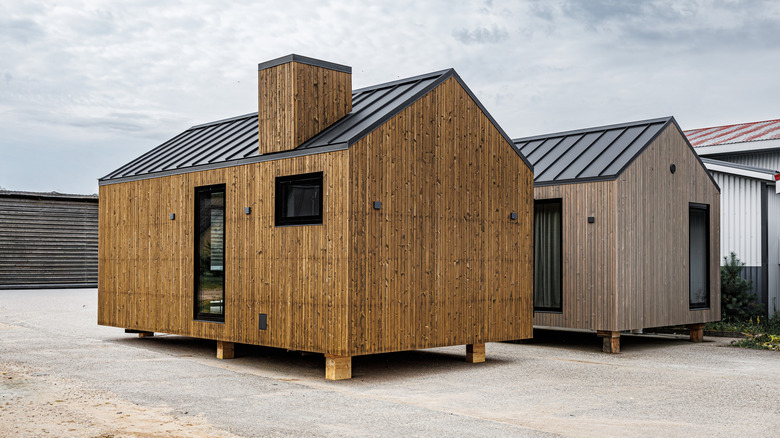
A renewal of the historic Sears catalogue kit house concept, tiny modular homes are fabricated off-site in a factory setting, then transported and assembled on a permanent foundation in their final location. Since these tiny homes are pre-fabricated indoors, it eliminates environmental delays and allows for more control. These structures are designed to be energy-efficient and less wasteful, and they take less time to be move-in ready. For a finished tiny modular home, it typically ranges from $30,000 to $100,000, dependent on the builder. Companies like Mint Tiny House Company offer these modular services, as do other providers throughout the country.
Shipping container homes
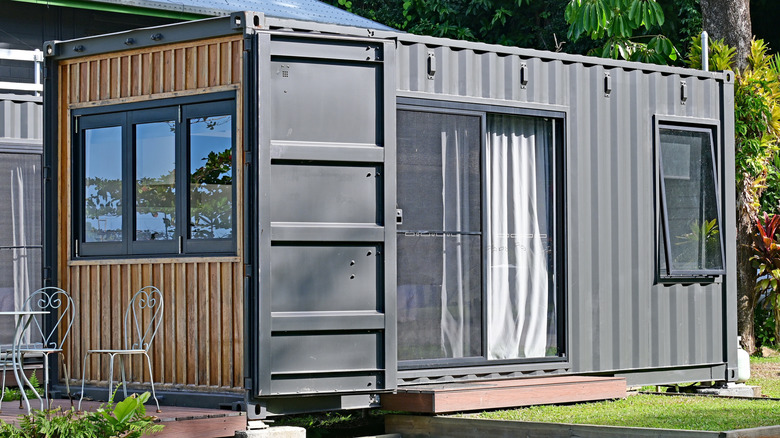
For this concept, shipping containers are repurposed into livable houses. Aside from reusing a resource to make it more sustainable, their benefits include extreme durability and a fast build time since the exterior structure is effectively complete. Containers are also highly resistant to fire, mold, pests, and strong weather. Furthermore, their geometric nature allows for some fun architectural designs, like stacking units to create a multi-level home or combining containers to create larger spaces. A custom container home typically ranges from as low as $25,000 up to $250,000.
Houseboats
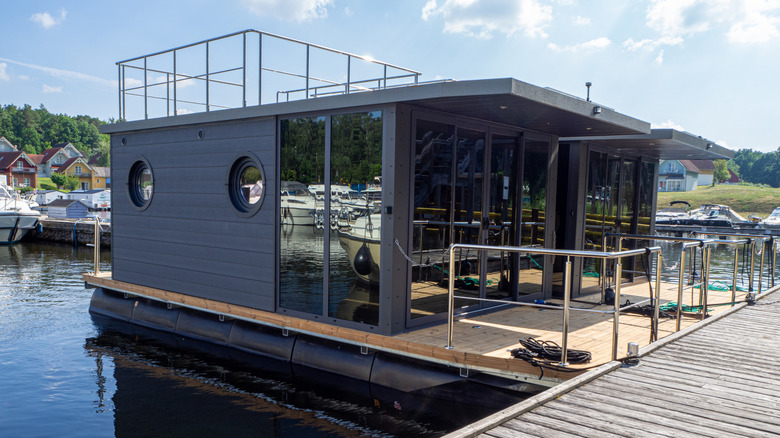
One of the more accessible tiny home styles, a houseboat is designed to float permanently or semi-permanently on water, either docked or capable of self-propulsion. It's a way to have immediate access to water and great marine views, without the massive price tag that comes with other waterfront homes. While docking fees and maintenance will cost more than other tiny homes, you can purchase a houseboat for $50,000 on average, though more competitive markets can be far more expensive depending on desirability. There are a few things to know about living on houseboats, however, like property tax and insurance nuances.
Yurts
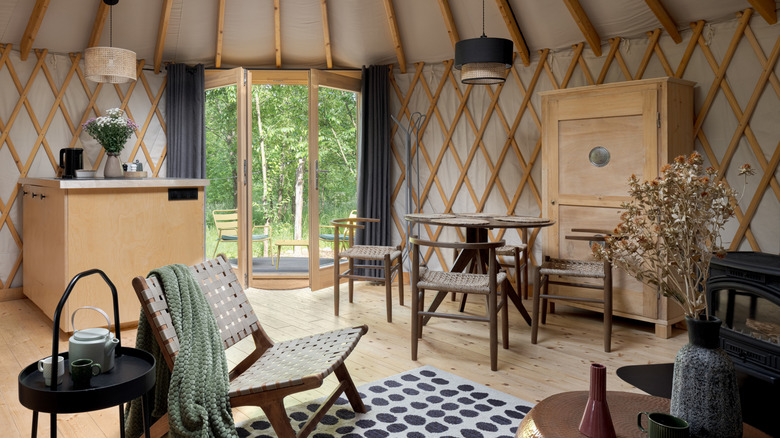
More than just a circular camping option, a yurt is a round portable dwelling composed of a wooden frame covered with weather-resistant fabric. Affordable and capable of easy assembly and build, they provide a unique living experience with an expansive open-concept layout. A high-quality, weather-rated yurt kit generally costs between $11,000 and $35,000 for the structure itself, and with the platform costing as much as $13,000 to build. It's a great choice for off-grid living or as a vacation rental once you've had your fill of earthy, yurt living.
Tiny treehouses
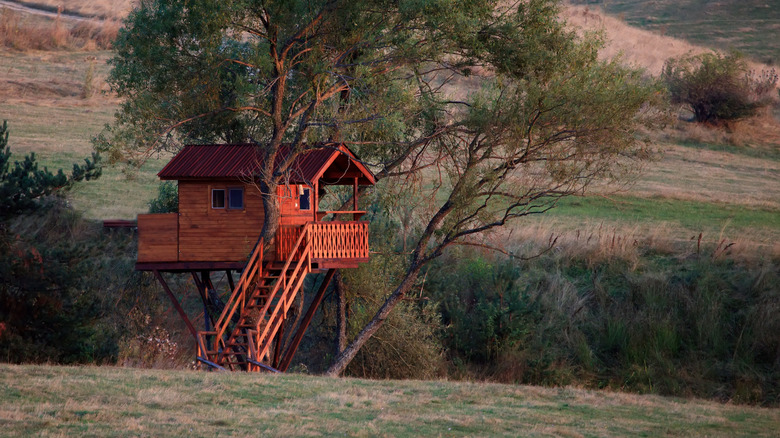
If you're ready for elevated living (literally), then a tiny tree house is the perfect unique structure to choose. Costing as low as $15,000 to build, they promote a sustainable, low-impact, yet immersive lifestyle. It's like living out your childhood dreams, where you wake up every day to beautiful views. However, primary concerns with treehouses, no matter how tiny, include structural integrity and safety since the house may sway with the tree. Furthermore, the health of the tree can be compromised during the building process. However, there are structural solutions to both of these things in modern building, which alleviate concerns.
Cob house
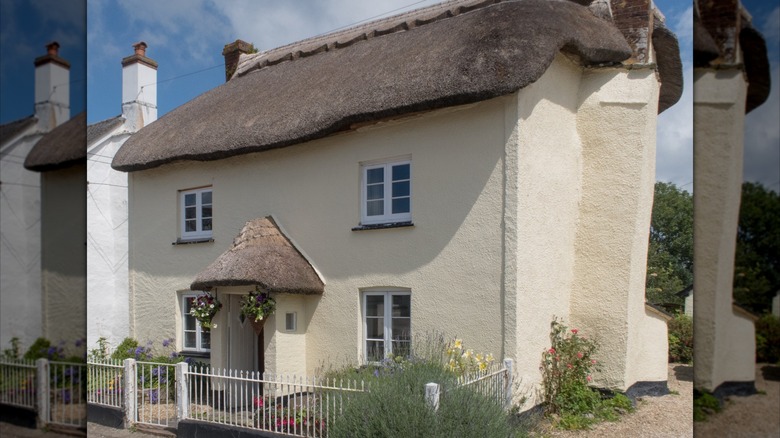
Looking straight out of a "Snow White" production, cob houses are tiny homes constructed from a mixture of clay, water, and a fibrous material like straw. Commonly, they are whimsically designed with thatched roofs, fun curves, and fairytale-like windows, but cob houses are also incredibly eco-friendly since they often bypass the need for synthetic industrial materials. The clay's natural ability to regulate temperatures also helps control the environment, making these structures less reliant on HVAC systems that use up more energy. On average, cob houses cost between $120,000 and $250,000 to build, depending on exact size and location.
Arched cabins
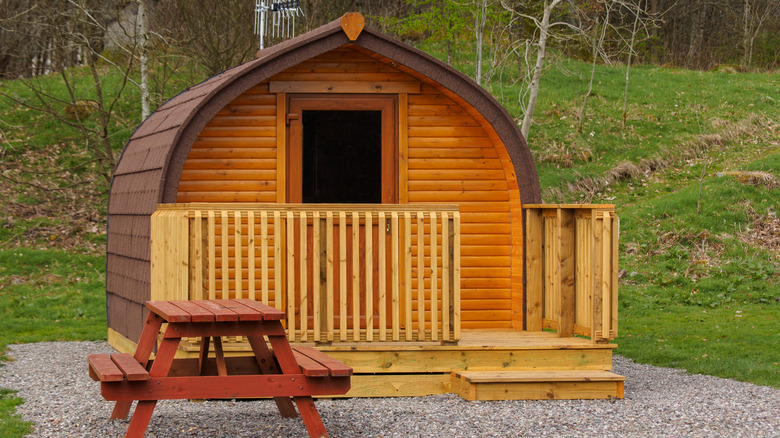
While a tiny cabin in the woods is a great option, a tiny arched cabin offers some unique benefits too. Structurally, the arched design is incredibly strong and provides resistance to heavy snow loads and high winds, making it ideal in places where a regular tiny cabin may not fare well. Economically, companies offer pre-fabricated kits that make this home incredibly affordable to build, with some price tags starting as low as $31,000. With an expansive, open interior with high vaulted ceilings, it offers flexible options like adding a loft for additional livable square footage.
Skoolie conversions
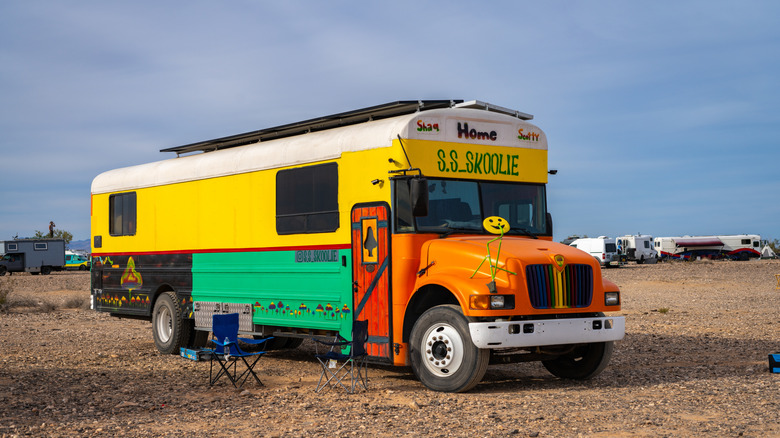
Referred to as a "skoolie," a retired school bus may be the right tiny home for you. These conversions appeal to adventurous folks due partly to their mobility, but also for the massive, durable space inside a school bus. Buses are built on heavy-duty chassis with high safety standards, making them resilient in various conditions. When stripped out, you have the perfect blank slate for customization, like adding kitchens, bathrooms, and living areas. A used, retired bus can be purchased within the $6,000 to $8,000 range, with a basic conversion costing $20,000 to $30,000.