

This Beautiful Ornamental Grass Is A Magnet For Attracting Mice
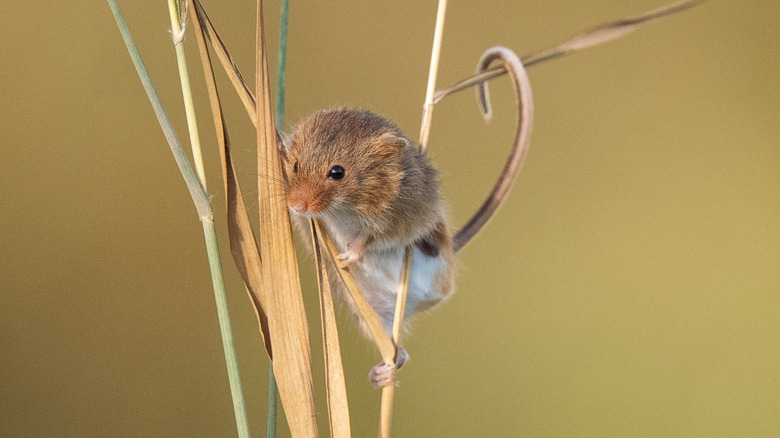
Most homeowners focus on beauty and low maintenance when they are considering what to plant in their yard. Many popular plants may offer the qualities you're looking for, but they can come with drawbacks you may not be aware of. Some plants, like ornamental grasses, grow thick and close together, creating hiding spaces and shelters in your yard that attract the type of wildlife you may not want hanging around. One excellent example of this is pampas grass (Cortaderia selloana), a well-known ornamental grass that can grow to heights of 8 to 10 feet with a spread as wide as 4 to 6 feet. Pampas grass is one of several plants you may want to reconsider if you want to keep mice away. Its dense clumps and great height draw mice by providing plenty of places to hide from predators and even build little nests.
Though it may not seem like it when you're dealing with these furry little creatures inside the house, mice actually live outside before they ever make their way into your home. The condition of your yard and even what you choose to plant can increase rodent problems without meaning to. Even if you keep your pampas grass neat and orderly, its very design can attract mice. Despite all the advantages to growing ornamental grasses in your yard and garden, some are best left growing wild in fields far from your home and garage.
Why pampas grass can lead to mouse problems around your home
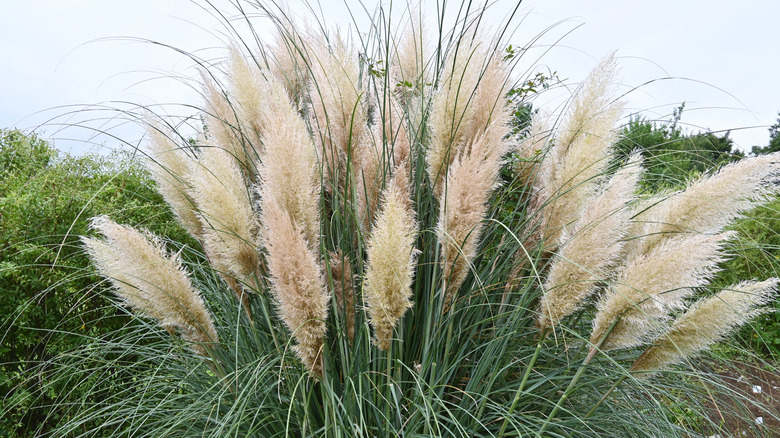
Mice are drawn to pampas grass because of the environment it creates. The thick growth at the base of pampas grass creates sheltered areas where mice can move around unnoticed, so they can use these hidden areas to stay out of sight from most predators. In the winter, mice are shielded from the wind and dropping temperatures by these tall, thick grasses and can burrow in to keep warm. Having shelter and protection needs met can make pampas grass a long-term home for mice rather than just a temporary hiding spot, which isn't ideal near your house. Because pampas grass doesn't need a lot of maintenance once it's established, it's easy for a homeowner to not even notice mice are present until it's too late.
If mice start nesting in your pampas grass, they will more than likely be looking for food. If the pampas grass is close to the house, you'll be at risk for mice visitors. Small holes or spaces around the foundation or garage can become spots for mice to get in that are looking for a good meal. Unfortunately, areas that have frequent activity from mice can also attract snakes looking for easy prey. If you think it's too close to your house, there are several ways to get rid of pampas grass. For homeowners in the planning stages for their yard or garden, you can choose lemon grass (Cymbopogon citratus) instead, which has been known to deter mice due to the scent. You can also plant mint (Mentha spicata) or lavender (Lavandula angustifolia) around your home or ornamental grasses you have planted, which can help repel mice.