

Sorghum Is A Superfood You Can Grow In Your Own Yard. Here's How
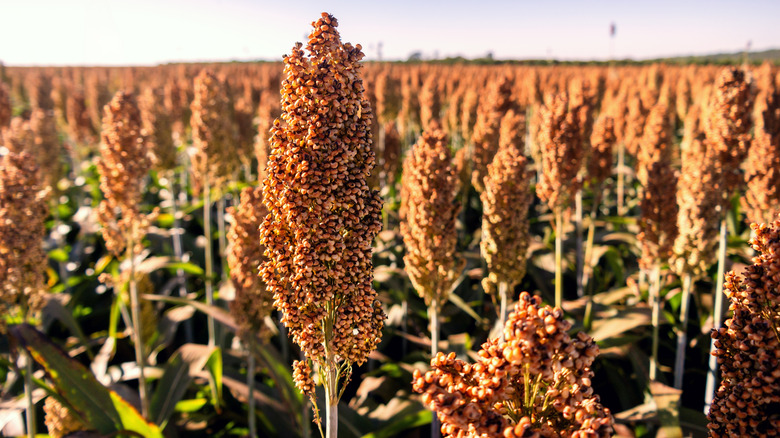
If you're a home gardener, you're more than likely familiar with all the classic backyard crops — tomatoes, lettuce, cucumbers, and so forth. But if you're ready to expand into the world of superfoods, there are plenty of other plants you can grow that exist outside of the realm of conventional gardening. Sorghum (Sorghum bicolor) is an ancient cereal grain originating from Africa. This versatile crop is used for a range of purposes, including animal feed, beer-making, sweetening syrup, and even crafting. While it's not as well-known as other superfoods like quinoa or farro, sorghum is a fantastic option for the health-conscious gardener. Not only is this crop high in fiber, but it's also gluten-free.
Sorghum is a fairly easy plant to grow – especially in hotter regions. This drought-tolerant crop thrives in regions with long, hot summers but is suitable to grow in USDA hardiness zones 2 to 11 as well. Just keep in mind that you'll reap the highest yield in regions where summer temperatures consistently hover around 80 to 90 degrees Fahrenheit. Sorghum grows in long stocks that can reach anywhere from 2 to 5 feet. Around the summer or fall, tightly clustered blooms burst from the long grass and eventually transform into the seeds you'll harvest. Once collected and dried, properly stored sorghum has a shelf life of up to 10 years, making it an essential crop that belongs in every survival garden.
How to grow sorghum at home
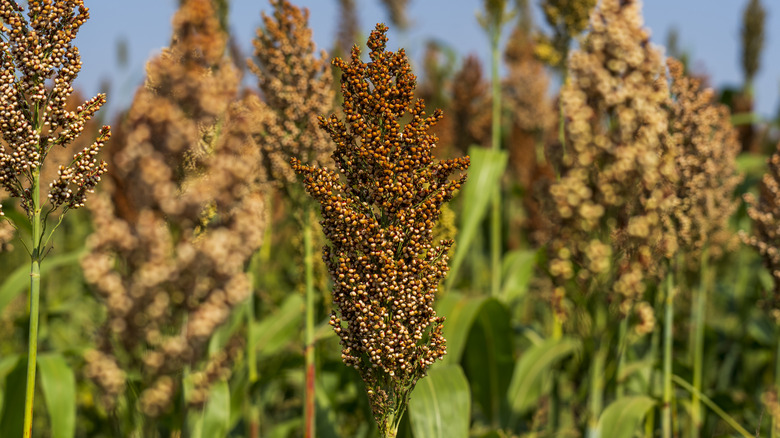
While sorghum seeds aren't as readily available in garden stores as other backyard crops, you should still be able to find a few options at your local nursery. If you don't see a wide enough selection or you're hoping to grow an heirloom variety, your best bet will be to shop online for your seeds. Native Seeds and Thresh Seed Co. both have a wide selection of sorghum varieties.
You'll need to wait until it's regularly warm outside to plant your sorghum. Aim to sow your seeds directly in the earth around May or June. You'll want to plant them about 1 inch deep and 6 inches apart, and opt for a location that will receive 12 to 14 hours of sunlight. Additionally, make sure to use well-drained soil, and amend itwith a nitrogen-heavy fertilizer. Continue to fertilize your sorghum every six weeks throughout the growing season.
As your plant grows, diligently weed the area so competitor plants don't steal the nutrients your sorghum needs to thrive. While this crop is drought-tolerant, it will yield the highest crop when it's moist. As a good rule of thumb, water generously every 10 days. Once your plants are out of their seedling phase, they will be pretty self sufficient. However, be on the lookout for pests like birds, aphids, and sorghum midge.
How to harvest and store sorghum
Harvest methods will depend on what you're using your crop for. If you're making syrup, harvest while the seeds are still soft, right before they reach maturity. First, cut off the seed heads. These can be stored to grow next season. The best places to store seeds are your refrigerator, freezer, or basement. Now pluck the leaves off to avoid the unpleasant taste of their sap. Once you have a bare cane, cut the stock right above the lowest node. From there, you can use a press to extract the sap from the canes. Once you harvest the sap, you'll need to allow the liquid to sit so the starches can settle. Take the liquid from the top and boil it to create your syrup.
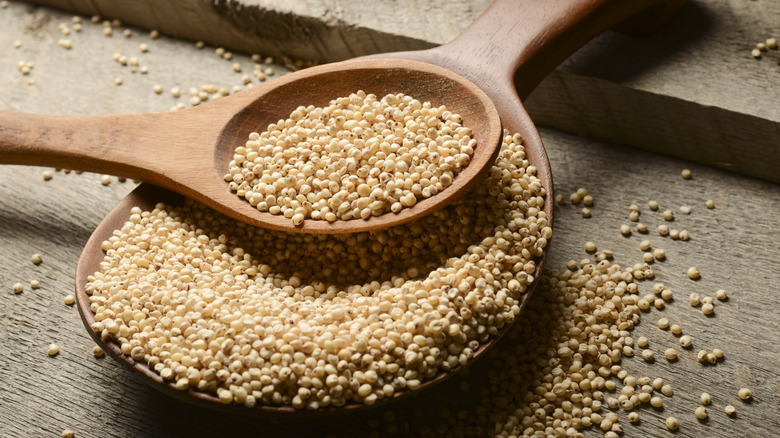
To harvest the grains, wait until the seeds grow hard and glossy. If the seed is mature, you should no longer be able to dent it with your nail. Cut the seed heads and allow them to dry somewhere warm for about a week. If you're going to eat the grains, roll them and store them somewhere cool and dark in an air-tight container. You can also use your harvested seeds to craft with when they're at this phase. The dried seed heads make for great traditional brooms or visual interest in dried flower arrangements. Sorghum truly is a wonderfully versatile backyard crop to grow!