

Gas Vs Oil Radiators: Which One Is Safer To Run During Winter?

Every year, when the snow and cold return, radiators stop feeling optional and turn into a daily need for families at home. Temperatures outside drop, but the conversations about which radiator is safer to run during winter only rise, and everyone asks: is an oil radiator better, or is a gas radiator the safer choice to run indoors during the winter? To answer briefly, oil radiators and heaters are almost always the safer choice when compared to gas radiators and heaters.
You might ask why. Well, the answer lies in how these heating systems operate. Oil radiators use electricity to warm oil sealed inside the unit and radiate the heat to warm the room, whereas gas radiators use combustion to increase the temperature indoors. This not only makes homes prone to fires, but also carries an equally sinister, unseen risk — air poisoning.
That is not to say, though, that the oil radiators are entirely safe. They carry their own risks, and your safety ultimately depends on how well you implement these two different options to heat your home and whether you operate them responsibly, keeping their safety limits and guidelines in mind.
Why Gas Radiators Fall Short on Safety and Efficiency
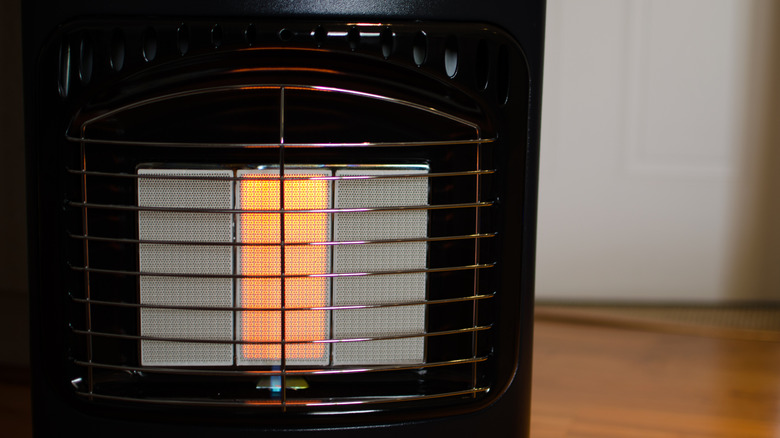
Since gas radiators use combustion, they need oxygen and a lot of it. If there is no ventilation, they could very quickly use up all the oxygen indoors. But that is not even the worst part. The real problem is that gas radiators produce carbon monoxide and other toxic gases that could lead to confusion, dizziness, suffocation, and death. Even experts recommend against using gas heaters or radiators in closed spaces, especially at night when you are going to sleep.
The only fix to this problem is to keep a window or door open to let fresh air in and let toxic gases escape. But this seems to defeat the whole purpose of using a radiator, doesn't it? You see, as soon as you open a window or door for ventilation or air flow, you are also allowing the cold air to rush in, which obviously is not something you would want if you are trying to heat your room.
The other risk associated with gas radiators is that they can raise your home's humidity. The water vapor they introduce indoors not only drives mold growth, which could trigger allergic reactions, but also causes structural damage to buildings.
Oil Radiators Are Generally Safer Indoors (With Some Care)
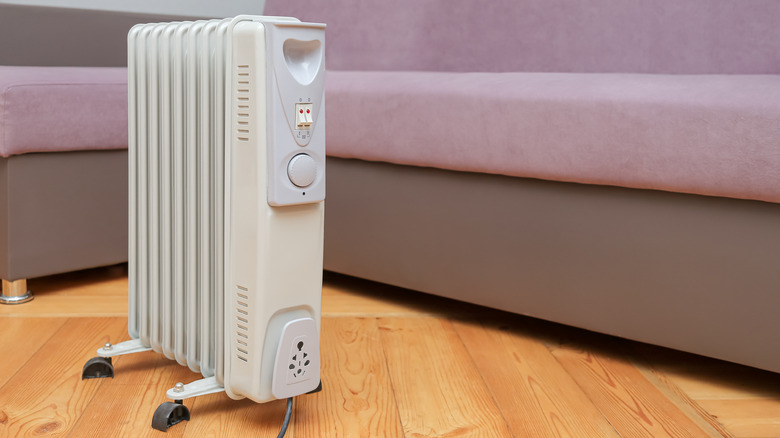
While electric oil-filled radiators are safer for indoor spaces, as they don't use combustion and also don't produce toxic gases, they can still pose burn and fire hazards. You must place and manage them properly in closed indoor spaces. For instance, oil radiators are high-wattage machines, and they use a lot of electricity. This means you should never try to plug them into extension cords or power strips. Those things could get easily overloaded, which could create a spark and ignite a fire. Even when using wall outlets, make sure they have tip-over protection.
Also, since oil radiators give off heat through their surfaces, they can reach extremely high temperatures, around 250 degrees Fahrenheit. This means you can't let pets or children near them. Furthermore, oil radiators should not be positioned near anything that could easily catch fire, like curtains or clothing items. These things are hidden fire hazards in your house, and you need to make sure that your radiator is spaced at least three feet away from any such materials.