

Why Roof Replacement Prices Are Out Of Control In The U.S.
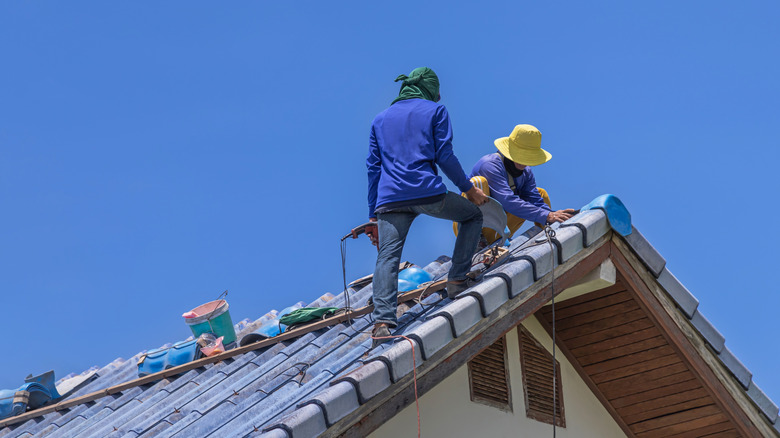
There are so many things to consider when replacing a roof, like how much it costs or whether it's better to have your roof repaired or replaced. Then, when you've finally decided to replace your entire roof, more factors come into play. Above all of them, one aspect that's hard to ignore and important to address early on is costing. While roofing cost has always been one of the bigger household investments, prices have risen significantly in recent years. For a typical 2,000-square-foot home, the cost of roof replacement has jumped from $5,100 to $11,000.And this figure merely covers the materials. For more complex roof structures and designs, and in places where the cost of living is high, the project's cost can climb beyond $40,000.
With the current state of the U.S. economy and given the tariffs imposed on imported materials, like steel, aluminum, and oil, it's easy to see why material costs have gone up. Apart from materials, however, other elements involved in roof repair and installation also contribute to the seemingly out-of-control pricing of roof replacement. Labor shortages and rising wages, as well as unprecedented disruptions in the supply chain, also drive the hike in roof replacement costs. In hurricane- and hailstorm-prone regions, the skyrocketing demand for materials and labor all the more bumps up the financial toll of this home improvement project.
Prices are not expected to go down anytime soon
When you start seeing the signs that your roof needs replacing ASAP, putting this project off for a year or two is no longer an option. You need to address the issue right away, or you could end up dealing with costlier problems caused by your crumbling roof. Besides, it's not like delaying will guarantee cheaper costs later on, especially since manufacturers constantly increase their prices in response to the rising cost of raw materials. Suppliers then do the same, usually on a quarterly basis. These increments are inevitable, considering that the roofing industry is a business that needs profit to survive and continue operating.
Replacing a roof requires more than one material. From roof decking and underlayment to drip edge, ice and water shield, roof flashing, top roofing material, ridge capping, and other miscellaneous parts like roof vents and pipe boots, every layer and component contributes to the total cost. Each of these has already seen some price increases in recent years, so even if economic conditions improve slightly, the overall expenses you will incur from overhauling your roof remain high. It's also worth noting that the U.S. government's global tariffs only started taking effect in August 2025, so price adjustments are likely to trickle in the coming years. All things considered, it's safe to assume that roofing prices will remain high for the foreseeable future.
Acting fast can help you overcome high roof replacement costs
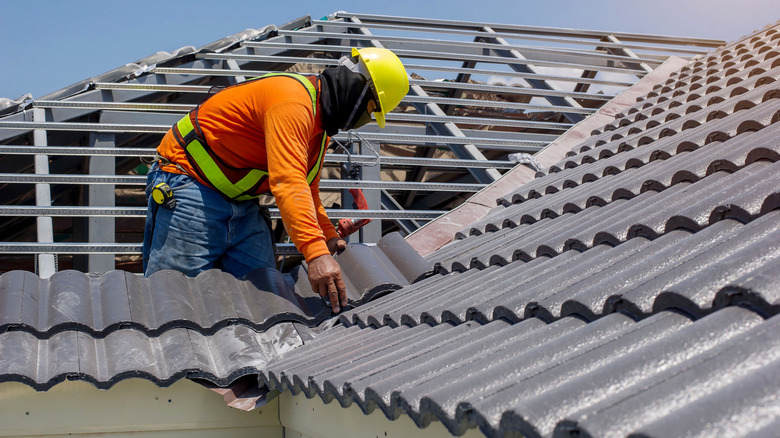
With roof materials and labor costs likely to stay high for years to come, it's best to act quickly if your home urgently needs a roof replacement. By moving forward sooner rather than later, you'll have more time to shop smart, manage your budget, and complete the project before prices climb even higher. As with other structural projects, you shouldn't cut corners when choosing the types of roofing materials for your home and the roofer who will carry out the task. You should also avoid common mistakes many people make when getting a new roof, such as purchasing supplies from different sources, forgetting to remove the old shingles, and neglecting the roof gutters. By being hands-on with the project, you can track where your money is going and avoid serious pitfalls that could lead to unnecessary expenses.
On the whole, a roof replacement can be a wise investment. Based on research, the average lifespan of a roof is nearly two decades. This means you will be spared from spending much on a roof for the next 20 years. Plus, depending on the material of your choice, your roof may even last longer. For example, clay tiles are said to last between 50 and 100 years. Of course, it goes without saying that environmental elements may shorten or lengthen your roof's lifespan. This is where yearly maintenance and patching come in.