

These Varieties Of Grasses Are Like A Mice Magnet In Your Yard
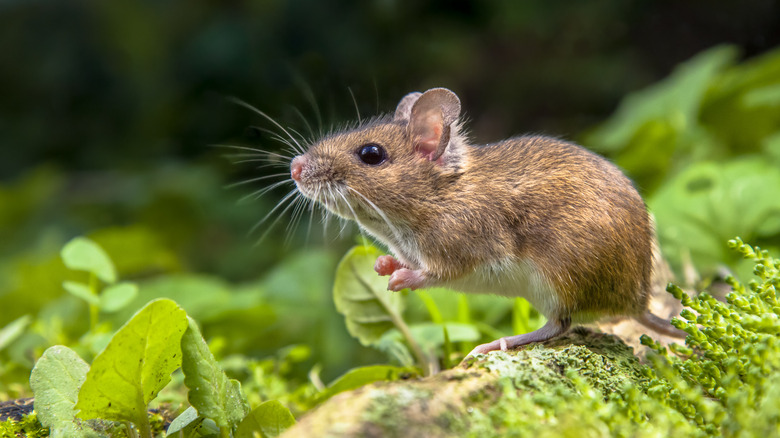
Homeowners often incorporate grasses into their lawns, yards, and gardens to add color, texture, and movement. However, with some varieties of grass, this aesthetic value comes with a pest tradeoff. That's because some grass species also offer food and hiding spots for rodents like mice and rats. Notable examples of such grasses include Kentucky bluegrass, pampas grass, fountain grass, and Muhly grass.
And if you are thinking, "It is just mice. There is nothing too serious about it," you couldn't be more wrong. Mice in grasses can also raise secondary risks. For instance, they could attract snakes. Snakes are also looking for a shelter, and with mice in the grass, they will get their food delivered to the same spot. So, you either need to replace such grasses with less mouse-friendly types or manage them in a way that deters mice.
For instance, it is often not the grass type that is the problem, but rather how it is kept (or unkept) that attracts mice. You don't want to let grass grow in thickets or get too tall, as that is exactly what mice are looking for.
Kentucky Bluegrass
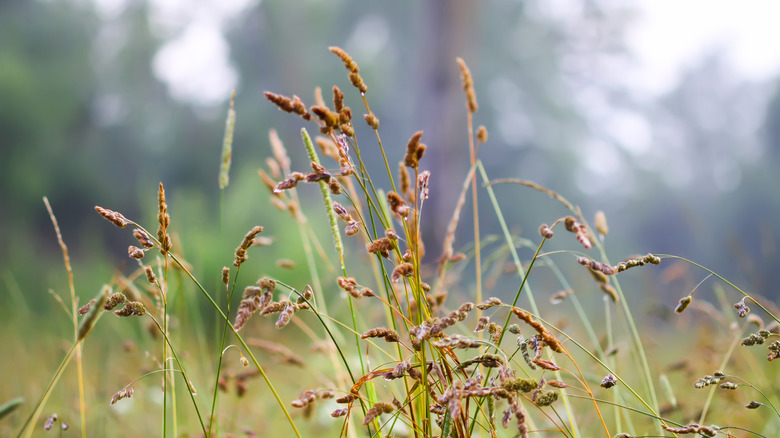
Kentucky bluegrass (Poa pratensis) is an important cool-season grass type in the US. It is used everywhere, from lawns to golf courses and athletic fields to tees, the list goes on. However, despite its many uses, you might want to think twice before planting it in your home. Its seeds attract a wide range of songbirds and rodents, including mice and voles. And the worst part is that these rodents burrow through lawns and ground, which makes it nearly impossible to get rid of them completely.
Pampas Grass
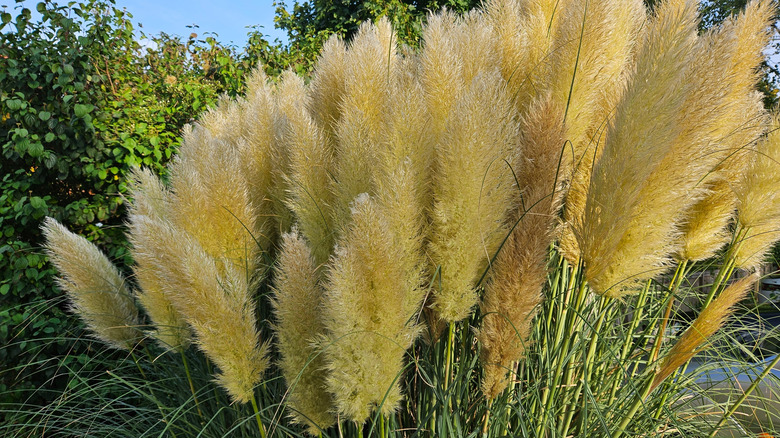
For years, people have decorated their driveways and gardens with pampas grass (Cortaderia selloana). It grows tall, and its slender, drooping blades stretch over a meter long — and we all know what that invites. Mice! The grass essentially forms dense, hard-to-penetrate clumps, making it a perfect shelter for vermin like mice, rats, and other rodents. The worst part? Pampas grass spreads very aggressively by reseeding itself, and the dry debris it produces can be dangerous. It is basically a fire risk in your garden.
Fountain Grass
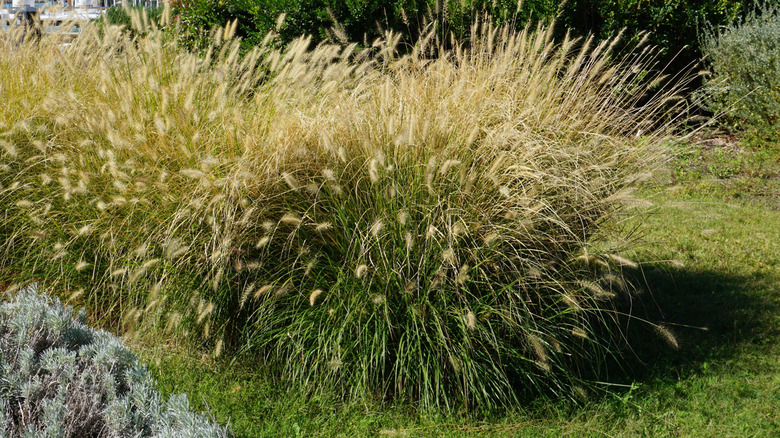
Fountain grass (Pennisetum alopecuroides) is often used as a feature plant or focal highlight in small spaces. However, in large gardens, it is also sometimes used in small groups alongside other plants to create texture and contrast. It grows in tight clumps with strap-like leaves packed closely together. This turns it into a perfect home for small mammals like rodents, which can then also attract snakes. But it doesn't mean you can't use it. Fountain grass is great to look at, and you can grow it in your home as long as you keep its growth under check.
Muhly Grass
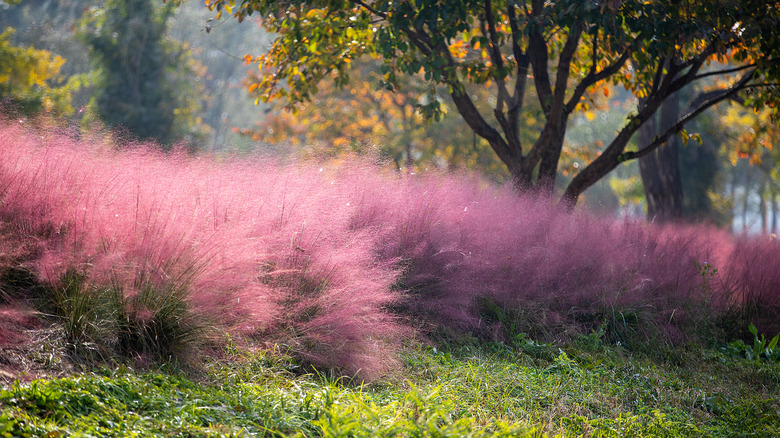
Muhly grass (Muhlenbergia capillaris) is a real showstopper. It fits into almost any garden and provides late-season color, and did you know its blooms are pink? This makes it appealing to many homeowners looking to upgrade their yards. But the downside is that it grows in clumps. This lets it form dense mounds, which then offer a near-year-round shelter with cover and nesting material for wildlife. Also, its seeds can attract small mammals like mice, which is clearly something you wouldn't want if you are trying to keep mice out of your home.
Big Bluestem
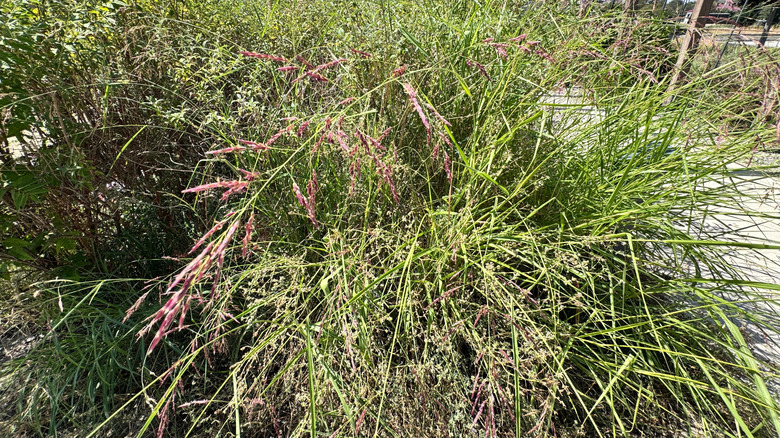
Big bluestem (Andropogon gerardii) is a warm-season grass, often placed at the back of gardens and also used in prairie and wildflower meadow settings to add height and texture to the landscape. But despite its uses and appeal, you might not want it in your home. Thanks to its dense growth habit, many small mammals like mice rely on big bluestem for nesting and shelter. They use it as cover in summer and winter and also feed on its seed. So, you might be better off looking for its alternatives.
Little Bluestem
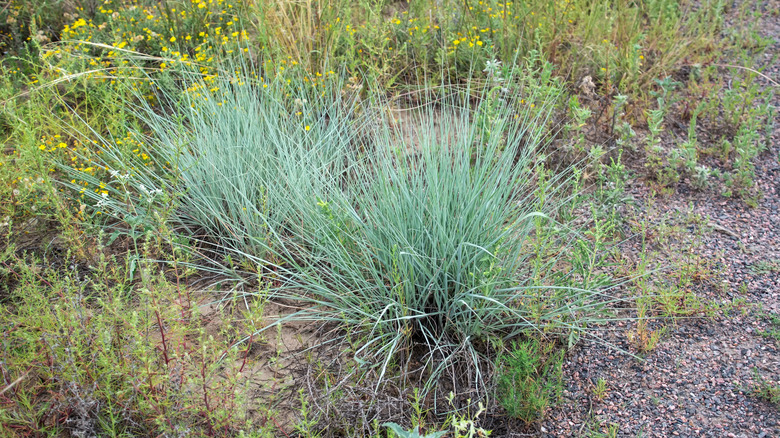
Little bluestem (Schizachyrium scoparium) might sound like the shorter cousin of big bluestem. But it isn't. They both belong to different groups. Nevertheless, little bluestem is becoming increasingly popular in the home landscaping industry because of its easy-to-care-for nature and ornamental appeal. However, you might want to stay away. That is because its bunch-style growth and ability to reseed allow it to form a thick carpet, making it a perfect sanctuary for small mammals like mice, which then also feed on its seeds and use it as a nesting site.
Indian Grass
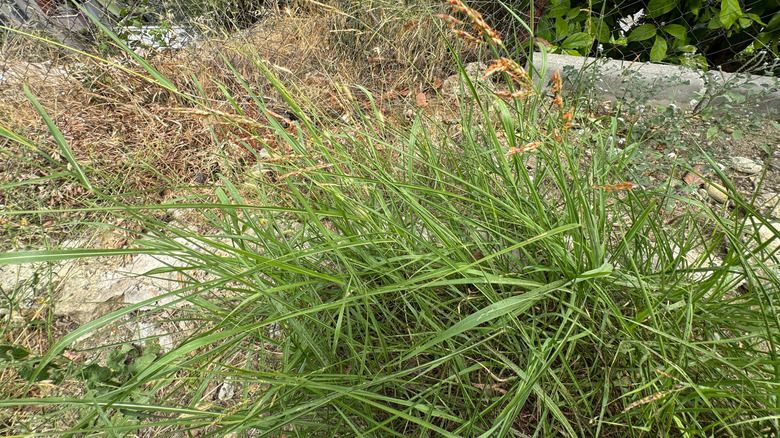
Indian grass (Sorghastrum nutans) is one of those ornamental grasses that also double as stylish natural privacy screens, thanks to its 8-foot-tall height and dense growth habit. But this is also what makes it a mouse magnet. It offers an all-inclusive shelter and cover for small mammals, which then also feed on its seeds. So, obviously, when you put it in your home, mice will likely not go anywhere for a while. If, however, you don't have any other choice, try to keep it from getting too clumpy so it doesn't attract mice.
Prairie Dropseed
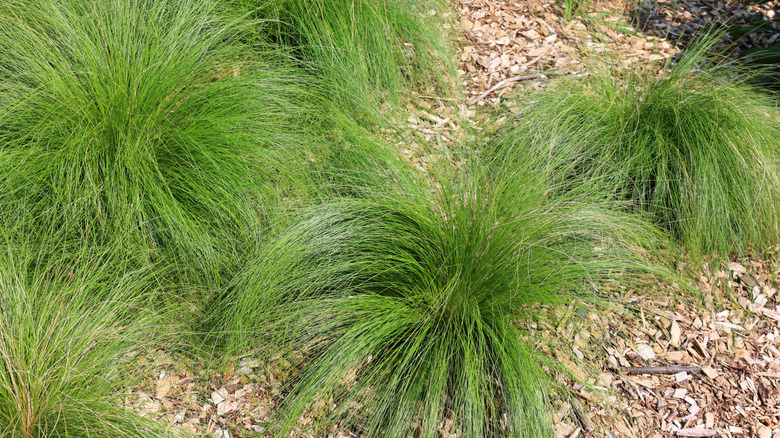
Prairie dropseed (Sporobolus heterolepis) is naturally a key part of the native North American prairie, but it has also become a popular landscape grass nowadays. It is prized for its fine-textured foliage that brings a steady interest across all seasons. But the problem is that, like many other grasses on this list, it also grows in dense tufts with leaves that spread widely. This creates perfect hiding places for rodents like mice. And then there are its seeds, which serve as food for small mammals like rodents.
Pearl Millet
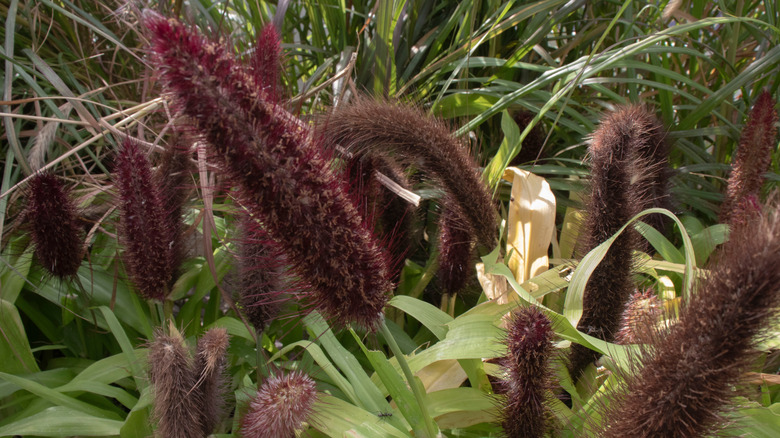
Pearl millet (Cenchrus americanus) is a tall, upright annual ornamental grass. It is popular because it thrives even in poor, dry, or nutrient-light soils. Also, it blooms with pretty flowers that transform into eye-catching seed heads in the fall. But those seed heads are a big problem, too. They have a high nutritional value, and mice and other rodents frequently use them as food. On top of that, millet produces numerous stems from its base, forming thick growth that offers rodents shelter and nesting sites, which will make your garden even more appealing to mice.
Switchgrass
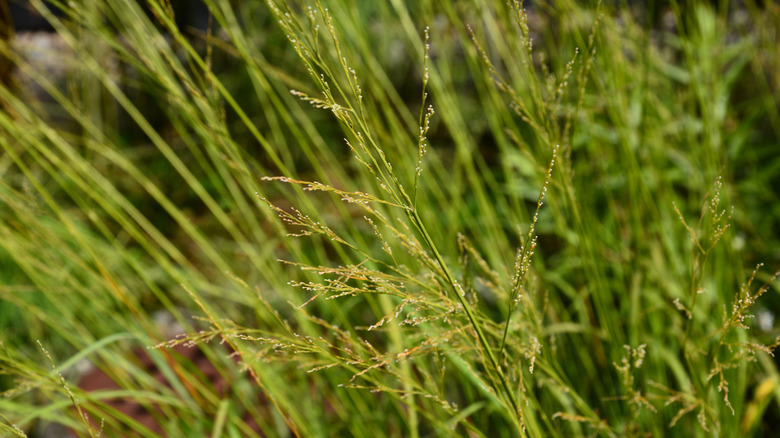
People often use switchgrass (Panicum virgatum) to provide contrast against rounded and spreading plants because of its height, which adds a vertical touch to the landscape. But you might be better off staying away from it. Its foliage, especially when it gets dry, provides a perfect nesting place for birds and rodents. Also, it forms substantial clumps through rhizomes and self-seeding, and when you add that with its seeds, which mice and other rodents love to munch on, you essentially have a perfect critter habitat in your backyard.