

The Steps To Turning A Carriage House Into A Fully Functional Living Space
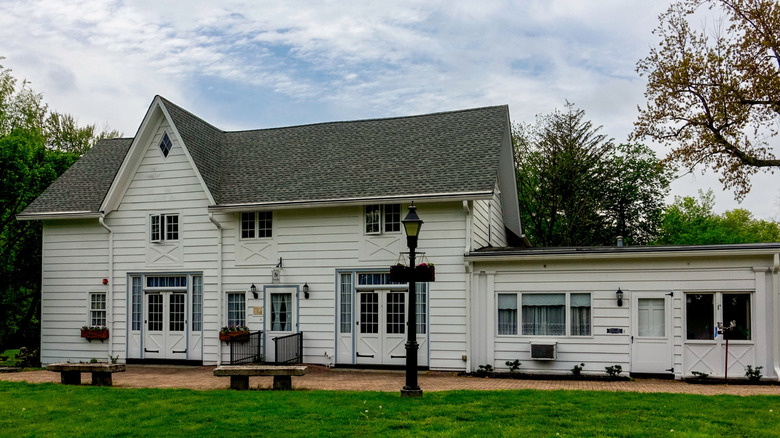
Horse-drawn carriages were the go-to mode of transportation in the late nineteenth century in the U.S. So, wealthy homeowners often built a structure on their property to house their vehicles and related gear. Sometimes, they were big enough to accommodate the coachmen. But since carriages are obsolete now, you can transform the outbuilding on your ancestral property or recently-purchased old house into a functional living space. Turn it into a guest house for short-term renters, an office for your burgeoning business, or give in to the "specialty space" home design trend. But how can you go about this transformation? To find the answer, we sat down for an exclusive chat with Bob Beacham, House Digest's expert carpenter and remodeler. His suggestion? "The first step is to contact local zoning authorities to see if your carriage house qualifies as an Accessory Dwelling Unit (ADU) or similar. In other words, can you add separate accommodation to your plot?" he tells us.
And even if you can, "There may be limits to square footage, distance from the property line, height, etc." Once you get the go-ahead, you'll need two permits. "One to allow development of the building, and another for the actual construction. You'll need to submit plans," says Beacham. While you can do it yourself, it's best to contract an architect if you're not a big fan of tedious paperwork. However, this will add to the already significant cost (approximately between $300,000 and $400,000) of turning your carriage house into a living space. Moreover, he recommends being prepared for random inspection visits and understanding that inspectors can halt your progress if they're unhappy by what they see.
What is the process of turning a carriage house into a functional living space?
After you have your permits, Beacham recommends you get a structural engineer to assess your carriage house. Sharing why in his exclusive chat with House Digest, he says, "You might think the building is sound, but drywall is heavy. You'll be adding a lot of weight to the walls and roof. The existing framework, even if it's brick, may not be strong enough." So, to take the guesswork out of the equation, have a professional look at it. Additionally, you'll need to contact an electrician: "You may need a new breaker box, you might need an uprated supply." And if there's no connection for running water, decide "where will it come from? How will you deal with sewage?"
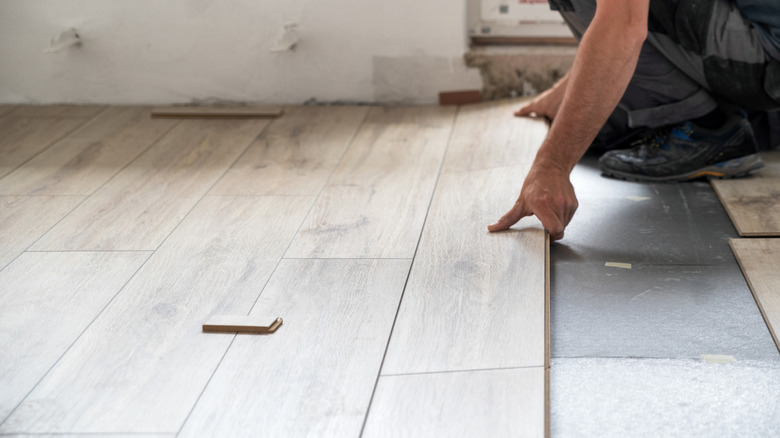
After you figure out the basics, focus on the smaller details, like the floor. Beacham continues, "The existing floor may well need a moisture barrier to prevent damp. Concrete can leach heat out of the floor if you lay directly on top of it. You might choose to go for underfloor heating, which could mean removal of the existing slab." But if you aren't in the mood to spend $2.40 to $4.41 per square foot on removal alone, opt for a floating floor. You can leave it bare, or tile or carpet it. You also want to figure out how you'll heat and cool the space. Further, upgrade the doors if you don't like the rustic charm of the existing ones or don't want to deal with sealing them. Finally, determine whether you need to add more windows for improving natural light.
Common mistakes you should avoid for a smooth conversion
Converting your carriage house into a living space is a big responsibility, with many moving parts. So, don't attempt to do the heavy-lifting yourself since it's not a simple renovation, advises Beacham in his House Digest exclusive. "It's a construction project within an existing shell, and that shell may need to be reinforced," he says. "Few people have the DIY skills for that kind of task. Thinking you and a couple of buddies could get that particular job done would be a serious mistake." But that's not to say that you can't bring down the transformation costs a little if you have the skills for a particular task.
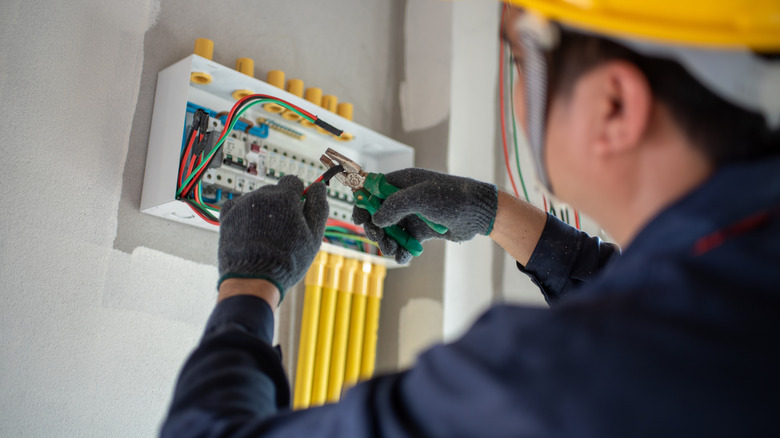
"For example, some people can tackle plumbing but not electrical installations," our expert says. And mistakes here can cost you dearly later on: "Needing to rectify mistakes is frustrating and could ultimately be more expensive than bringing in a pro in the first place." Besides having the right skills, you must also be prepared to put in the work for months on end. Beacham adds, "It's not difficult to build stud walls, insulate the walls and ceilings, and put up drywall, but it can be hard, physical work. It will also take time, which you may not have a lot of if you have a day job." Moreover, doing a below-average job will lead to complications later with the quality inspector. So, ensure everything is on the up and up and meets the set norms. To cut costs without taking shortcuts, try hiring and managing the tradespeople yourself. However, a general contractor will be a better choice if you're already swamped.
Additional tips to help you convert your carriage house into a living space

While following the steps to a T and avoiding the common pitfalls will help you transform your old carriage house into a living space, Beacham has a few additional tips to ensure it all goes swimmingly. "Having a detailed plan is vital. Doing a bit, then wondering how you're going to tackle the next stage is a recipe for disaster," he divulges in his exclusive House Digest interview. In case you have the requisite expertise, have a blueprint at the ready before you start construction. Otherwise, you might unknowingly make mistakes while building an addition to your home. "For example, you'll have finished the drywall, but the plumbing for the bathroom isn't behind it, or you forgot the wiring for the upstairs lights," he says.
"Working with an architect experienced in carriage house conversions is a good idea at the planning stage. Their experience is likely to bring up questions you hadn't thought of," Beacham tells us. Share your hopes and aspirations for the modernized space, so they have a clear picture. It might also allow them to "make suggestions that could result in financial savings, greater efficiency, or improvements in the use of space that are even better than you imagined." In case this all seems like too much work, "There are specialist companies who will tackle the whole project for you, dealing with permits, design, and construction." Some even offer a free chat initially to get the ball rolling. Finally, always budget for the expenses, but don't forget to add a contingency fund. "Large-scale projects like this almost always throw up something unexpected," concludes Beacham.