

3-Thread Rule: What To Know About The Simple Guideline For Using Bolts

Whether you are building something or making repairs, sometimes it is the smallest parts that fail and cause problems. Fasteners like screws and bolts play vital roles, which is why you should follow the must-know advice for keeping bolts and nuts organized. Unfortunately, though, bolts can fail to secure things for a few reasons. Maybe you used the wrong size or strength or installed them improperly. If you are tired of your bolts consistently failing, then it is time to learn about the three-thread rule. The three-thread rule recommends that a bolt should protrude at least three visible full threads from the base of a nut. Although it may sound like the number three was chosen randomly or for some nice alliteration, it was thoughtfully chosen based on the construction of bolts.
The threads on a bolt may extend to the edge, but not all of the threads are effective. Approximately the three threads closest to the edge of the bolt are ineffective, and until the nut clears those threads, the bolt is not properly secured. This results in a weaker hold that can fail or strip over time, especially when conditions are rough on fasteners, such as high-vibration environments. The three-thread rule also helps you avoid too much protrusion. Allowing more than about five threads of protrusion can also cause problems, including stripping of threads and improper looseness. The three-thread rule is a solid guideline to follow to reduce risks of failure, but it is not always applicable. For best results, you should know when and how to apply it.
How and when to use the three-thread rule
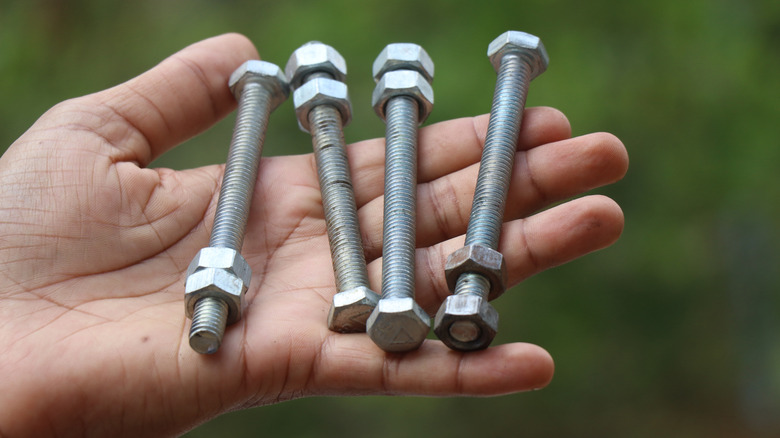
For optimal implementation of the three-thread rule, start by checking the threads of the bolt for any damage or debris. Clean, repair, or replace the bolts until all are in good condition. Lubricate the nut and bolt, choose the right tool from the types of wrenches homeowners should have, and begin tightening the nut. When the bolt begins to extend through the nut, continue to tighten until there are three visible threads that wrap all the way around the bolt without stopping or tapering off. Bolt threads can be fine or thick, so look closely and count carefully. If the bolt cannot protrude enough, or if you need washers, you may want to consider changing sizes. If the bolt will not be vibrating or is in a low-stress area, however, a minimum of two full visible threads may be acceptable.
Specific instructions related to your project should also be kept in mind. Three threads is a safe guideline, but there is a wide variety of recommendations. Some situations require three-quarters of the nut to be engaged, and some only require that the nut and bolt are at least flush at the end. If you have any kind of directions, it is best to follow them and only resort to the three-thread rule when necessary. If you have previously installed bolts with incorrect engagement, it may help to know a mechanic's easy hack for removing a stripped bolt so that you can replace any damaged bolts and apply the three-thread rule.