

12 Places That Super Glue Should Not Be Used (In And Around The Home)
We may receive a commission on purchases made from links.
Most people think of super glue as a catch-all miracle fix for anything that breaks. And it's marketed that way by the brands that sell it, too. Yes, it's incredibly useful for all kinds of things, but there are plenty of places where you shouldn't use super glue. Super glue is a cyanoacrylate adhesive that has very specific limits. Once it cures, it forms a hard, brittle, plastic layer that doesn't cope well with heat, flexing, load-bearing, or constant moisture. Plus, most formulas aren't food-safe.
In spite of the way they market their glues, guidance from popular brands like Gorilla and Loctite specify that their glues are only suitable for making small, rigid repairs, and only for non-food contact uses. So they are not, in fact, a universal repair solution. For example, super glue is not the best glue for bonding metal to wood. Using super glue in the wrong place can damage your materials, and the repairs can fail. If not immediately, then much quicker than you'd like. Burns to your skin and dangerous fumes can also come from improper use of super glues, so always read the package's safety information and check whether what you're buying is actually suitable for the materials you want to bond. There are plenty of other types of glue for use around the home and garden.
Dishes, mugs, and food-contact items
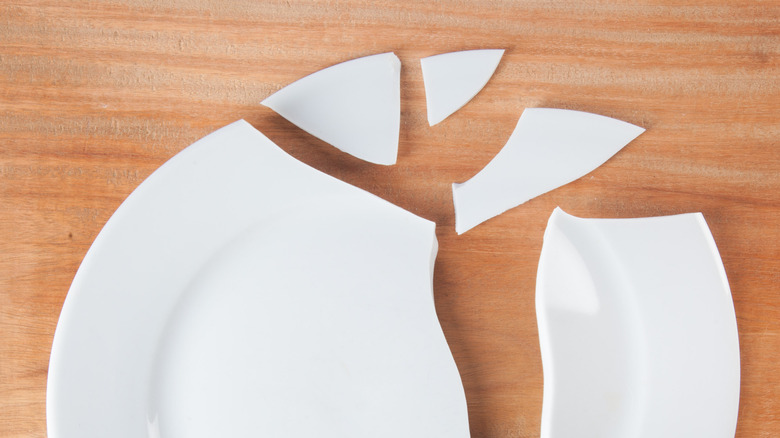
I think, at some point, most of us have super-glued a broken mug, plate, or serving platter. It's one of the most common mistakes people make with super glue, because the majority of readily available super glues are not food-contact safe. Gorilla, for example, specifically warns that its super glue shouldn't be used anywhere that it will have direct or indirect contact with food and drink. Exposure to heat and hot liquids and regular washing can weaken the adhesive bond, which is already brittle, over time. It may also shed tiny plastic fragments as it degrades, and you don't really want to be eating those.
You shouldn't even use it on mug handles. Even though a handle won't have direct contact with food or drink, it'll be washed either by hand or in the dishwasher regularly, and that's enough to cause the bond to fail suddenly and lead to someone getting burned. Plus, if you microwave the mug, on top of the bond weakening, it can release fumes that are potentially harmful in enclosed spaces.
If you really want to repair a food-contact item, use a food-safe, high-heat epoxy or a ceramic repair kit. And only if you carefully follow manufacturer directions and allow the proper curing time. I usually don't bother with a food-safe repair. Instead, if I have an attachment to the broken thing and it's salvageable, I'll glue it and use it elsewhere, like as a pen pot on my desk or in my craft room to hold supplies.
Cookware, ovenware, and anything that gets very hot
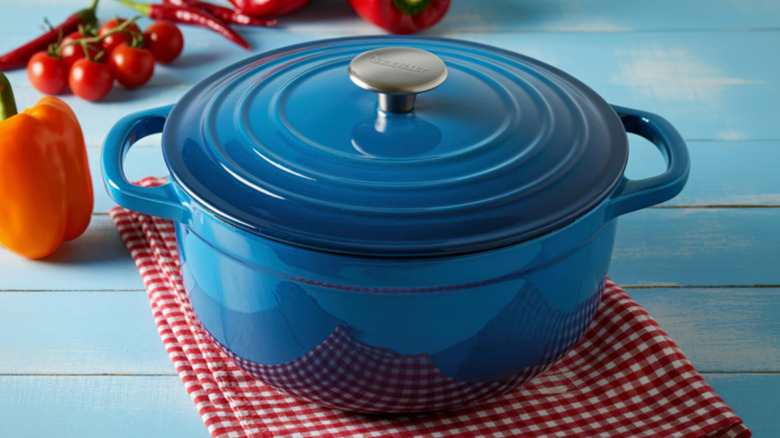
Super glue and high temperatures are not good friends. As the temperature rises, the strength of regular super glue cyanoacrylate formulas drops. The super glue starts to break down under high heat, so the repair can easily fail. Plus, as the glue degrades, it releases irritating and potentially harmful fumes, and these can quickly build up in confined spaces like your oven. It's not smart to inhale those, and they'll also taint your food.
It's not just ovenware. Handles, pan lids, knobs, and door trims all get exposed to high heat and mechanical stress. A heavy pot or pan, for example, when it's loaded with delicious food, is even heavier. You've repaired one of the handles with super glue, and it seems like it's a solid bond. But you're exposing it to high heat and placing a huge amount of stress on the bond every time you lift it. Even ignoring the potential for fumes building up inside the oven, you run the risk of the bond failing while you're carrying this very hot, very heavy pan and getting seriously injured.
For oven-proof repairs, go with something like J-B Weld high heat epoxy or another high-temperature epoxy. It's also worth considering just replacing the handle or broken part if you can find a manufacturer-approved replacement. If you're dealing with badly damaged cookware, I'd honestly recommend just replacing it. You can probably find one the same or very similar for a few bucks at the thrift store.
Plumbing, bathroom seals, and constantly wet areas
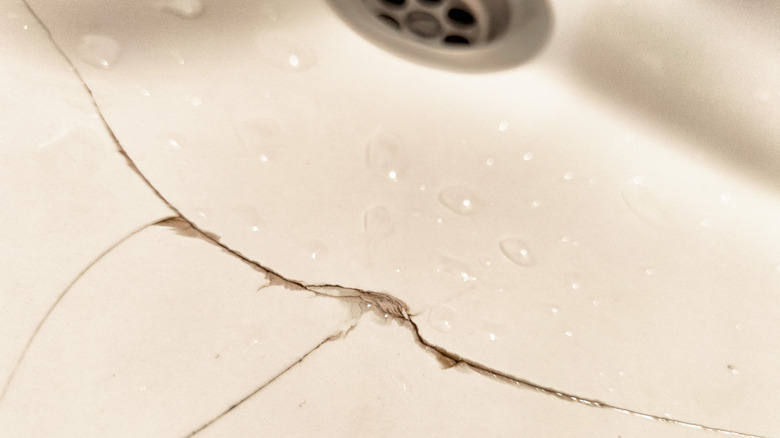
Because super glue packaging often says "water-resistant," a lot of people think that means it's suitable for plumbing repairs. Homeowners may try to fix cracked sinks, leaky shower handles, loose toilet house fittings, and other plumbing problems with a big dollop of super glue. And while cyanoacrylates may well be able to cope with splashing or the occasional dunking, they are not meant for constant immersion and soaking. Remember that cured super glue is brittle and doesn't like heat and constant moisture. It doesn't do well with motion either. So using it for fittings in bathrooms is like a perfect storm for failure.
Super glue is an adhesive. It is not a sealant or flexible caulk, so it shouldn't be used for things like shower surrounds. This type of glue doesn't flex or allow for expansion and contraction with temperature and humidity changes like a caulking product does. When you apply it around tubs, sinks, and toilets, it tends to form a stiff skin that can mask leaks instead of stopping them. The super glue bond breaks away from one surface, and the water slowly leaks behind, resulting in hidden water damage that you don't know about until the damage is extensive or the bond fully breaks down. For sealing around tubs, showers, and sinks, use bathroom-grade silicone caulk like GE Advanced silicone caulk, because it flexes properly. If you need to fix leaking pipes quickly and other plumbing fittings, try plumbing cements or thread sealants.
Load-bearing furniture joints and structural fixes
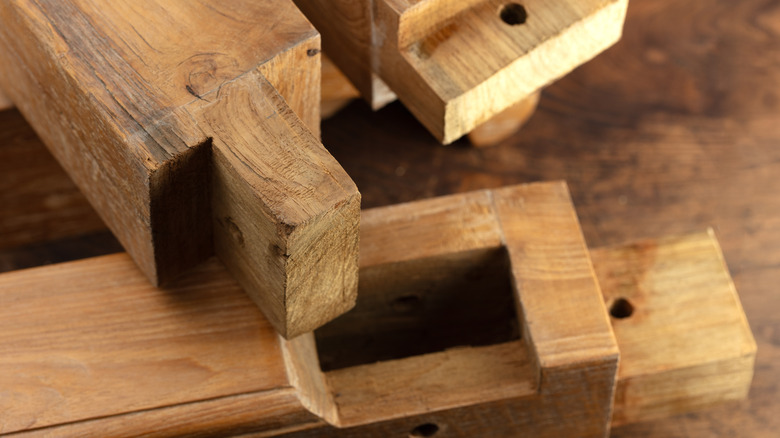
Load-bearing furniture joints and structural fixes include things like chair legs and ladder rungs. These areas all move slightly when in use and get a lot of direct impact. So they are not great candidates for super glue repair. Because cured super glue is brittle, it doesn't provide the right kind of support and can snap unexpectedly. For chairs and ladders, or a loaded dining table, that can cause someone significant injury, so it's a big safety issue.
For wooden furniture, you're much better off using actual wood glue to properly re-glue the joint. You may also need dowels, pins, and clamps. The same for ladder rungs. Use the appropriate glue, and make sure it's properly cured. And, because safety is so important with something like a ladder or indoor furniture, if in doubt, get a professional restorer to have a look or replace the item completely.
Flexible joints and moving parts
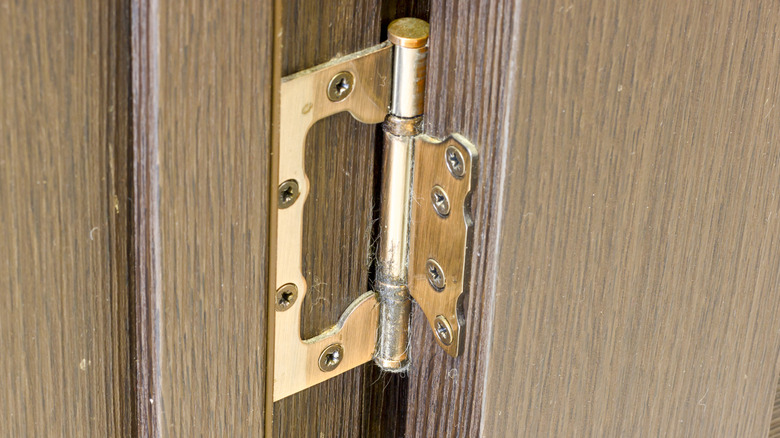
Because dried super glue is so rigid, it's next to useless for anything flexible or that has moving parts. It also doesn't like vibration, twisting, or bending. With springs, hinges, or rubber seals, for example, every time they move even a little, the super glue "skin" that holds the two parts together is being moved in a way it's not designed to, and in short order, that skin will peel apart or shear away. The glue line can also develop micro-cracks, and eventually, the cracking becomes so extensive that the bond essentially falls apart.
Common places people try to use super glue include rubber or plastic gaskets on appliances, silicone seals, rubber feet, spring-loaded latches, and cabinet hinges. But if a part flexes every time you use it, it really most likely needs a flexible glue, not super glue. Instead, try Contact Cement adhesive and flexible construction adhesives. These are better choices that will give a longer-lasting repair. And for rubber seals and gaskets, I recommend replacing them rather than gluing them, although you may be able to use a silicone-based sealant.
Stripped screw holes and gap-filling fixes
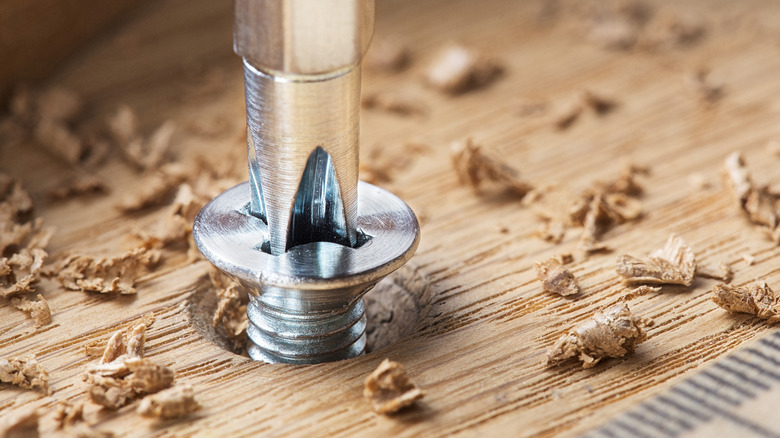
There's a popular social media hack where you stuff cotton, Q-tip heads, or paper into a stripped screw hole, then saturate it with super glue and let it dry to "rebuild" the hole. You're supposed to then be able to drive the screw back into the cured or almost-cured super glue. Just writing it down like this makes it sound like a bad idea. And it is. If that screw is holding anything important or is under load at all, it's not going to hold firm inside a brittle super glue plug. Plus, super glue isn't a gap-filling adhesive; it's designed to bond in a thin, tight layer. There's also the risk of heat and fumes. Cyanoacrylate can react strongly with cotton, wool, and other cellulose fibers, and in a confined space like a screw hole, the reaction can be hot enough to cause smoke and fumes.
If you want to repair a too-big screw hole, use the right stuff. In wood, an old carpenter's trick is to use something like Gorilla Wood Glue plus small wooden dowels or wood shavings to pack the hole. When this mix is dry, you can safely re-drill it, as you're essentially drilling into new, glue-bound wood. If you're trying to fix a hole in a wall, you're probably best using plastic or metal anchors, sized appropriately for the hole and the thing you're trying to hang or secure. You could also try commercial wood fillers or epoxy putties specifically designed to be drilled and screwed into once cured.
Low-surface-energy plastics like polypropylene, polyethylene, and PTFE
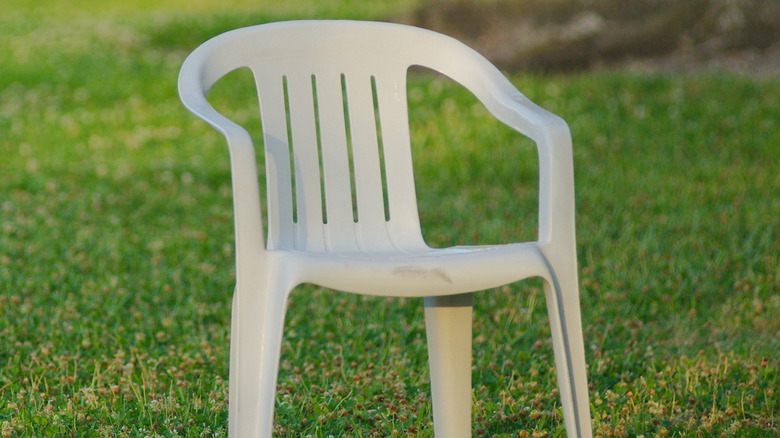
Surfaces with low surface energy are those slippery ones like polypropylene (PP) and polyethylene (PE). Non-stick surfaces like Teflon, made from polytetrafluoroethylene (PTFE), also fall into this category. Low surface energy means that stuff doesn't stick to it easily, as the surface is so smooth, there isn't anything for the glue to adhere to. So in this case, most super glues won't wet and grip these materials well. And if you do get it to stick, you'll find you can actually peel or flick off the glue with barely any effort. The things in your home most likely to be made of these plastics are things like non-stick cooking utensils (but you already know not to use super glue around food-contact items anyway), plastic storage totes, lawn furniture, plastic garbage cans, buckets, and some children's toys.
Trying to fix any of these items is one of the common mistakes people make with Gorilla Glue. But you might be able to fix them with specialist plastic epoxies, as these have a primer. The primer basically allows the adhesive to bond with PP and PE plastics. PTFE is a bit tougher to stick and does best with mechanical fasteners instead, like bolts, clips, or replacement parts. Depending on what it is you're trying to stick, you may be better off replacing the item altogether.
Cotton, wool, paper, and other absorbent materials
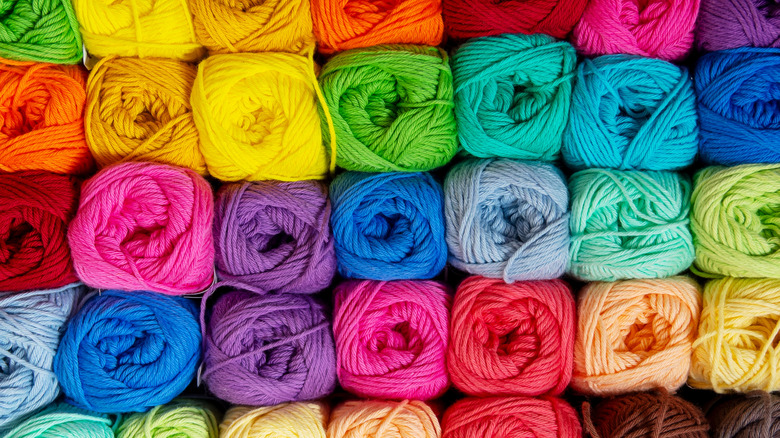
Super glue can react with some porous, cellulose-based fibers like cotton, wool, and paper. The cyanoacrylate, combined with the material you're trying to stick, creates an exothermic reaction. It can generate enough heat to produce smoke and fumes and feel hot on the skin. It can even burn holes in fabric. Plus, if you do use super glue on fabric, it won't bond properly. The glue soaks into the fabric and leaves it brittle instead of flexible. You'll also get a white bloom around the glue spot that looks awful on dark fabrics.
Use the appropriate fix for the material you're working with. Non-toxic, kid-safe PVA glue, like Elmer's, should be fine for most paper needs, and you can always use something like Aleene's Original Tacky Glue for paper crafts that require a tighter, longer-lasting bond. For fabric, learn to sew if you don't know how already or, in a pinch, use fabric glue or fusible webbing.
Plant cuttings and pruning wounds
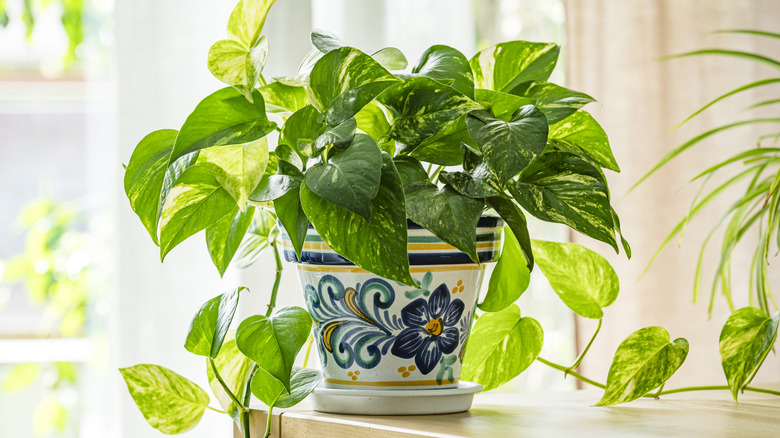
I'm a master gardener, and I've been asked more times than I can remember if it's safe to use super glue on plant cuttings, for grafting, and on wounds. The answer is a resounding "no." There's a lot of misinformation online, and this is one that keeps doing the rounds on social media and some blogs. It's not a smart idea to use a brittle, plastic adhesive on your plants. If you did, you'd trap moisture and potentially pathogens against the cut surface and stop the plant from forming its own callus. And for grafting, it's utterly useless and just as harmful. You can't bond two living things with an impermeable layer of plastic and expect them to actually knit together. You'd actually block the two halves from joining. If you just glue around the edges of the join, you're again limiting the two plants' ability to breathe and grow properly.
Plants don't really need wound dressings. In fact, dressing a wound can slow healing and encourage pathogens. It's better to leave pruning wounds unsealed so they can air-dry and callus over, and can begin their slow natural healing process. If you're trying to graft two plants together, use grafting tape, like Parafilm M grafting tape, clips, or waxes. These products are designed to support the two halves and encourage tissue healing.
Large wood repairs and antique furniture
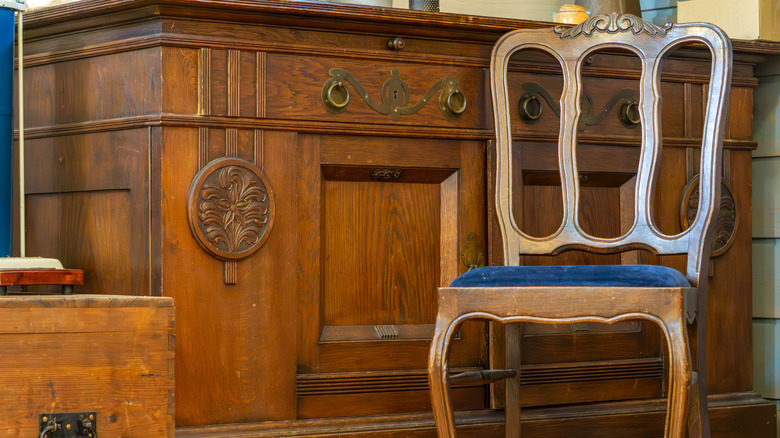
Super glue doesn't permeate deeply into wood like proper wood glue or hide glue. Remember that it doesn't flex well. Wood is a natural product, and it expands and contracts a small amount with humidity. So you can see already that they're not really compatible. Add to that a big repair area, and you're asking for trouble, especially if you're trying to do something like fix a table leg or reattach a drawer runner. The glue will crack and break down quickly, and you'll have to start the repair again. On antique furniture, cyanoacrylate is horrible. It causes damage, darkening, and white bloom that's very difficult for restorers to reverse. And it makes future restoration or repairs to delicate inlays and marquetry much harder. So definitely don't use it on anything of value.
Furniture makers and restorers typically rely on the judicious application of wood glue (you can even use it to make your IKEA furniture last longer), polyurethane glue, and sometimes, traditional hide glue for structural joints. Hide glue, like Titebond liquid hide glue, is commonly used on antique repairs, as it's reversible with heat and moisture, making future conservation easier. For smaller at-home repairs and working with less valuable pieces, you can use wood filler or wax sticks if you don't want to work with wood or hide glues.
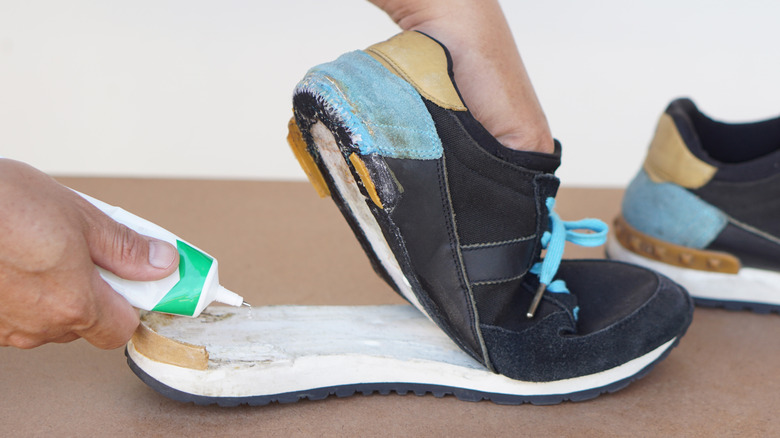
Insoles, boots, and shoes
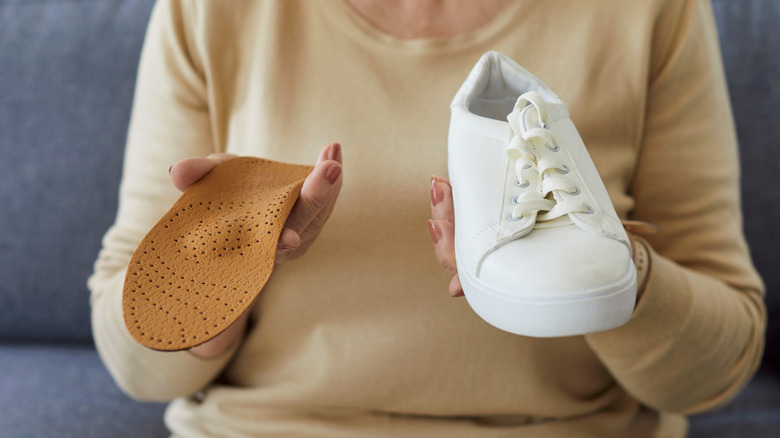
I was in a rush, I had a crack in my rain boots, and I really needed them to last another season, so I grabbed my trusty super glue and some spare rubber I had left over from an old inner tube and made a patch. I was really pleased with the result. For three muddy dog walks. Then the bond started to split, and my foot was, once again, soggy and wet before the end of the walk. It's the bending and flexing of the boot as you walk that pulls against the super glue bond and ends up cracking or shearing it apart. But I still didn't fully learn my lesson. I tried to glue the insoles of my slippers because having them slowly slip out was driving me crazy. The bond only lasted a couple of weeks. Because again, there's lots of movement and pressure on the sole of your foot as you walk around.
Now I use a specific shoe glue (Boot-Fix professional-grade shoe glue) for repairs. It's specifically formulated to bond with rubber, neoprene, and other footwear materials. And the bond is flexible, so it can cope with movement. My galoshes are now patched perfectly, and have held up through another six months of long, muddy, wet dog walks so far.
Electronics, wires, and electrical connections
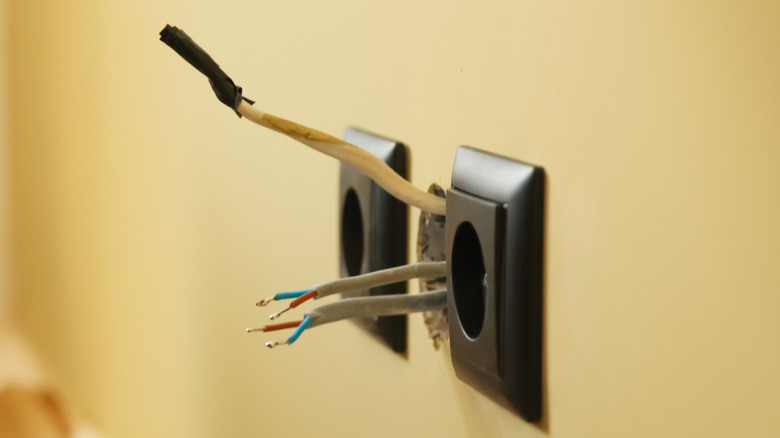
Cyanoacrylates release vapors, known as offgassing, as they cure, and these can condense and settle as white residue, or bloom, on other components that you really don't want to mess with. Electronic components are sensitive, and this foggy bloom can coat lenses, sensors, circuit boards, and other bits and pieces, rendering them ineffective. It can also contribute to corrosion and malfunction of the device you're trying to repair over time. Even if you're only trying to fix the casing or outer housing, the vapor can form inside where it will coat important components, and the plastic used on the exterior could easily be one of the types that doesn't bond with super glue anyway. Super glue is also an electrical insulator, so if it accidentally gets into connectors and switch contacts or charging ports, it'll block contact, potentially completely. Then there's the risk of trying to fix damaged electrical cords. This is risky, as it doesn't fix the fault and leaves potentially dangerous issues underneath.
If a cord is badly damaged, it's smarter to replace it. The same goes for plugs and device casings. DIYing an electrical fix if you don't have the proper knowledge or skill is dangerous. If you do need to make some fixes, use the correct materials, and keep super glue well away from circuitry or really any electronics. Proper, insulated electrical tape, like 3M 700 electrical tape, or heat-shrink tubing, like this 580-piece heat shrink tubing kit from Ginsco, is a better choice for minor cable repairs. For circuit boards, use purpose-made electronic potting compounds, like this thermally conductive epoxy and sealant combo from Wanjao.