

11 Home Goods Retailers We Loved That Are Gone But Not Forgotten

Before today's endless stream of online home stores, there were beloved brick-and-mortar retailers that shaped how we decorated our homes. These home and decor stores became part of our everyday routines, from weekend errands to first-apartment shopping trips and seasonal refreshes that marked the passage of each year. You didn't just shop these places — you wandered through their aisles for inspiration, leaving with more than you planned because something always caught your eye. For many of us, these stores were where we learned how to make building a new house more affordable.
Over time, however, shifting consumer habits, rising costs, and the surge of e-commerce slowly reshaped the retail landscape. One by one, familiar storefronts disappeared from strip malls and shopping centers, leaving behind empty spaces where our reliable favorites once stood. With each loss came the quiet realization that a certain kind of home shopping experience was vanishing too.
These retailers offered more than products. They made style accessible at every budget, and helped define how entire generations approached decorating. Even years after their doors shut, their influence still lingers in the way we shop. From giant home superstores to under-the-radar chains only regulars truly appreciated, these are the home retailers we loved, lost, and still miss dearly.
HomePlace was the early-2000s Bed Bath & Beyond precursor we all relied on
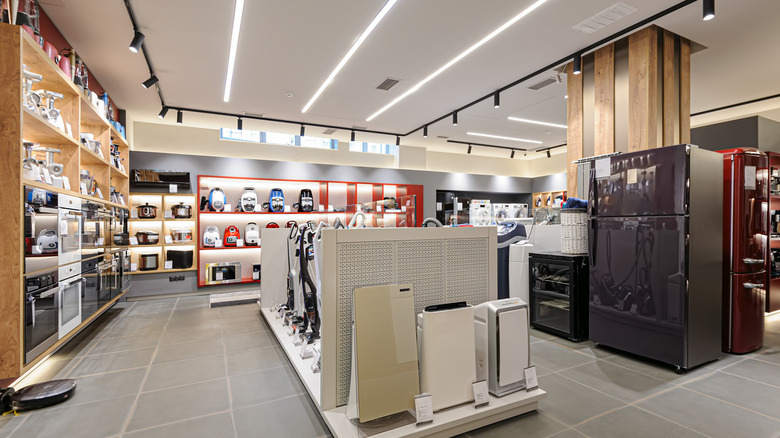
HomePlace earned its following by providing us with budget-friendly home upgrades. Shoppers turned to it for coordinated bedding sets, modern bath accessories, kitchen basics, and seasonal décor that didn't feel dated or overly expensive. It was the kind of store people visited with a loose idea of what they needed and left with a full cart instead. Long before online shopping became the default, HomePlace gave customers the satisfaction of comparing everything in person. The chain had grown significantly after the 1999 merger of Waccamaw Corp. and HomePlace Stores Inc., operating 122 stores across 22 states at its peak, and generating roughly $650 million in revenue.
Despite its loyal customer base, HomePlace struggled as competition increased and the retail landscape shifted. The company filed for bankruptcy protection in early 2001, listing $324.4 million in assets and $255.6 million in debt, and had already shuttered 38 stores in hopes of stabilizing operations. But the recovery never materialized. By mid-2001, HomePlace of America announced it would close its remaining 84 stores and auction off its assets through U.S. Bankruptcy Court, marking the quiet end of the brand. Unlike later high-profile retail collapses, its disappearance happened with little fanfare, making it feel abrupt for shoppers who relied on it. HomePlace ultimately filled the Bed Bath & Beyond role before Bed Bath & Beyond fully took over, offering an early version of the accessible, all-in-one home shopping experience later retailers would build upon.
Linens 'n Things made home basics feel exciting
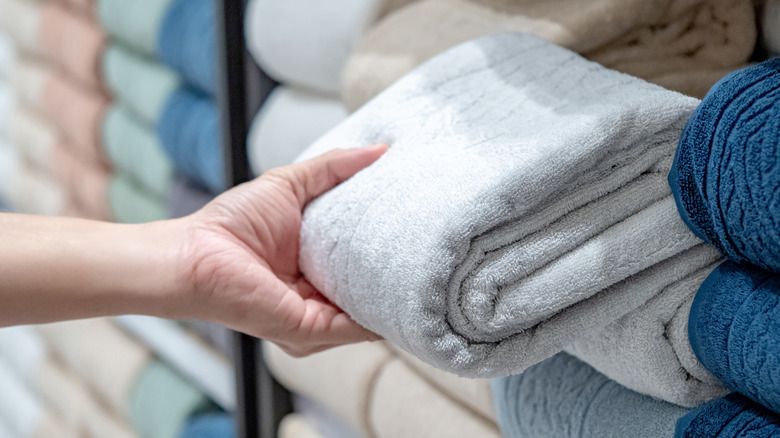
Linens 'n Things wasn't just a place to buy necessities — it turned ordinary home shopping into a full experience, operating more than 500 stores at its peak. Founded in 1975, the retailer became a go-to destination for plush towel sets, crisp bedding, small kitchen appliances, storage solutions, and every home essential imaginable. The aisles felt endless, packed floor to ceiling with practical finds that somehow still felt exciting to browse. It was a rite of passage for milestone moments: furnishing first apartments, building wedding registries, prepping college dorm rooms, and refreshing guest bedrooms. Linens 'n Things made the process of turning a house into a home feel accessible, organized, and oddly joyful, especially for shoppers who loved seeing everything laid out in one sprawling space.
Despite its popularity, the retailer struggled to adapt as the home goods market became more competitive and online shopping gained momentum. In 2008, the company filed for Chapter 11 bankruptcy and began closing its stores, marking the end of an era for loyal customers. Its disappearance left a noticeable gap, especially for shoppers who preferred browsing in person rather than online. Today, Linens 'n Things is remembered as one of the defining home stores of the late '90s and early 2000s, a place where practicality met excitement, and where many people learned how to shop for their homes for the very first time.
Pier 1 Imports brought global-inspired style to the suburbs

Pier 1 Imports occupied a unique space in the home-goods world, offering shoppers an escape into globally inspired design without ever leaving their local shopping center. The store was known for its eclectic mix of imported furniture, handwoven textiles, colorful dinnerware, rattan chairs, lanterns, and rich seasonal décor. Every visit felt immersive, with layered displays that encouraged browsing, rather than quick in-and-out shopping. Pier 1 introduced many suburban shoppers to popular home décor aesthetics long before those styles became mainstream. For people seeking personality and craftsmanship over mass-produced basics, it felt like a rare and inspiring find.
But as consumer habits shifted and operating costs rose, Pier 1 began struggling to keep up with changing retail demands. After filing for bankruptcy, the company made the difficult decision to close all of its brick-and-mortar locations in 2020. Temporary COVID-related store closures, an inability to secure a buyer, and an already challenging retail environment accelerated the company's decline. The news hit longtime fans hard, as Pier 1 had long been a destination for statement pieces and seasonal inspiration. The brand is still remembered for its ability to make global design feel approachable and affordable. Even years later, shoppers still associate Pier 1 with a kind of home décor discovery that few modern retailers truly replicate.
Bed Bath & Beyond defined home shopping for an entire generation — and could be making a comeback
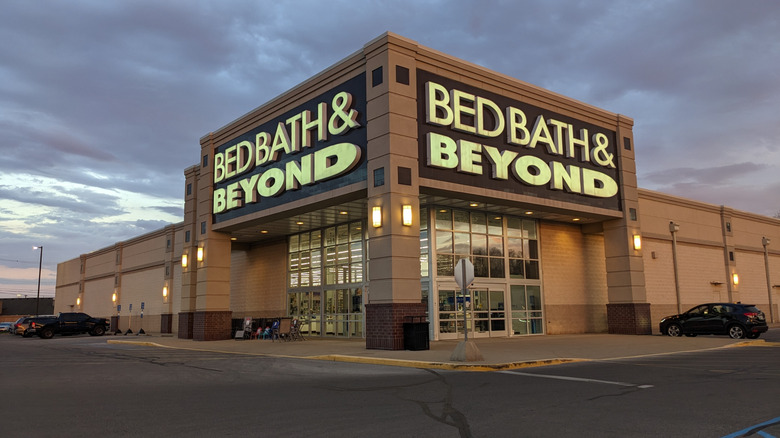
For decades, Bed Bath & Beyond was synonymous with home shopping. It was the place people went for dorm-room checklists, wedding registries, and the satisfying ritual of wandering endless aisles filled with bedding, cookware, storage solutions, and gadgets no one technically needed, but everyone somehow bought. The iconic blue coupons made shoppers feel like they were always getting a deal, and the sheer scale of the stores made it easy to tackle an entire home refresh in a single trip. For many, trips to Bed Bath & Beyond were tied to major life transitions, turning the retailer into a cultural fixture, rather than just a store.
That era came to a close in 2023 when Bed Bath & Beyond filed for bankruptcy and shut down all of its physical locations. Its disappearance left a noticeable gap, especially for shoppers who valued browsing in-person over scrolling online. However, instead of fading quietly, the brand has begun laying the groundwork for an unexpected comeback. In late 2025, the company announced a merger agreement to acquire The Brand House Collective, formerly Kirkland's Inc., in a $26.8 million deal that will convert roughly 250 Kirkland's stores into new Bed Bath & Beyond locations. Executive chairman Marcus Lemonis has positioned the merger as a path toward building a more efficient retailer, with plans to open 300 additional stores over the next two years. Although the future is still unfolding, these moves hint that Bed Bath & Beyond's story isn't over, and fans may soon see the familiar name return in a new, modernized form.
Bombay Company was the place for classic, traditional furniture
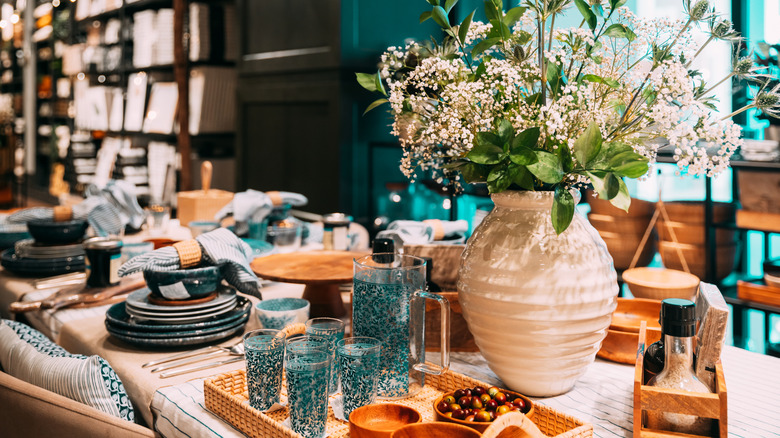
The Bombay Company stood apart in a retail world increasingly driven by fast trends and disposable décor. Known for its warm wood tones, brass accents, and carved detailing, the brand catered to shoppers who valued timeless design and craftsmanship. Its furniture felt substantial and intentional, appealing to homeowners who wanted rooms that looked layered and collected, rather than just trendy. At its height, Bombay operated nearly 400 U.S. and Canadian stores, and built a reputation as a reliable source for classic, well-made furniture.
When the company filed for bankruptcy in the mid-2000s, the future of the chain became uncertain. By late 2007, Bombay announced it would liquidate all of its U.S. stores while keeping its Canadian units open under a separate auction deal requiring approval from courts in both the U.S. and Ontario. Although the retailer continued online operations and maintained its Canadian presence, the closure of nearly 400 American stores marked the end of Bombay's visibility in the U.S. market. Today, the brand is remembered for offering a style seldom found in big-box retailers, and its disappearance left many fans of traditional décor searching for pieces that captured the same warmth, craftsmanship, and timeless appeal.
Garden Ridge was the original home decor warehouse paradise
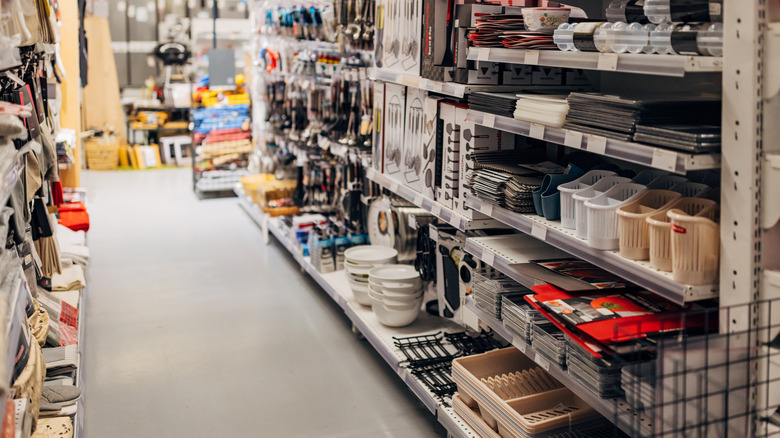
Long before massive home décor warehouses became the norm, Garden Ridge was already offering the experience. Its stores were known for sprawling aisles packed with craft supplies, oversized floral arrangements, frames, baskets, and every kind of decorative accent imaginable. Founded in 1979 outside Houston, Texas, the chain quickly became a destination for decorators and DIY lovers who wanted everything for the home in one place. Its scale was part of the magic: towering artificial trees, huge wicker displays, and endless shelves that made weekend trips feel like events, rather than errands.
But the same size that made Garden Ridge feel iconic also made it vulnerable. By the early 2010s, the brand had been strained by years of rapid expansion. There were also costly real-estate demands and massive inventory needs that were difficult to sustain. After emerging from a 2004 bankruptcy only to face ongoing operational challenges, Garden Ridge eventually underwent a complete reinvention. In 2013, it was acquired by AEA Investors and rebranded as At Home. While many physical locations survived under the new name, the original Garden Ridge identity quietly disappeared. The chain remains a touchstone for shoppers who remember it as one of the first truly massive home décor warehouse.
The Sharper Image stores made futuristic home gadgets feel magical
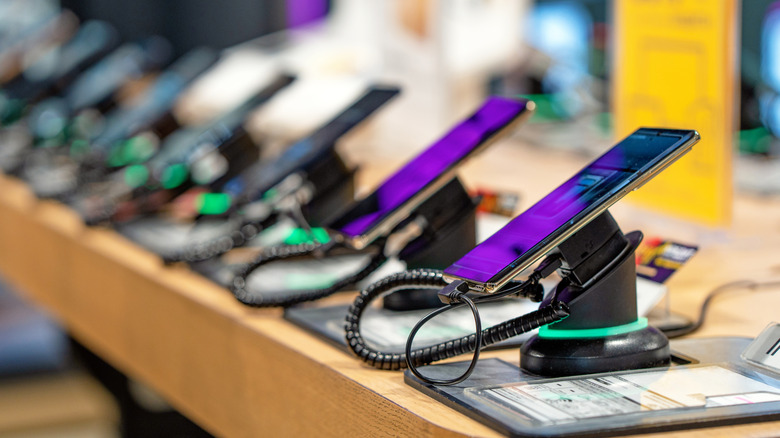
Before online shopping made every gadget instantly accessible, The Sharper Image stores offered an in-person glimpse into what felt like the future of home living. Walking past one in a mall was practically an invitation to step inside and test a vibrating massage chair, inspect an ionic air purifier glowing with mysterious lights, or marvel at a whole host of other gadgets. All of a sudden, you were thinking about the technology upgrades you needed for your home. Founded in 1977 by Richard Thalheimer, the brand built an entire identity around curiosity and high-tech novelty, first through its famous catalogs and later through sleek mall storefronts. By the early 2000s, The Sharper Image was at its peak: 184 stores nationwide, over 2,000 employees, and $760 million in revenue in 2007. For many shoppers, it turned home technology into entertainment, offering a one-of-a-kind experience.
But beneath that appeal, the retail landscape was shifting faster than the company could react. As e-commerce surged, Sharper Image doubled down on expensive mall real estate and premium pricing, while competitors adapted and consumers increasingly researched products online. Mounting debt and declining sales pushed the company into deep financial trouble. In February 2008, it filed for Chapter 11 bankruptcy, and liquidation soon followed, closing all physical stores and leaving thousands of employees affected. Although the brand's intellectual property was eventually revived online, the hands-on, try-everything energy of its mall stores never returned. For many shoppers, The Sharper Image lives on in memory as the place where home tech felt playful and a little bit futuristic.
Mervyn's home section was better than anyone remembered
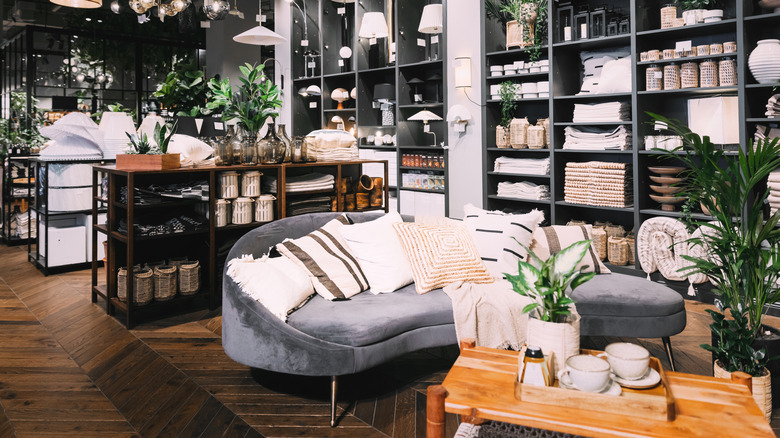
While Mervyn's was best known as a department store for clothing and accessories, its home section quietly built a loyal following of its own. Founded in 1949 by Mervin Morris, the chain grew to nearly 300 stores across the country, and its home aisles became a dependable stop for bedding sets, bath towels, and kitchen basics at prices families could count on. For dorm move-ins, guest room updates, or everyday essentials, the appeal wasn't flash — it was consistency, making Mervyn's home department an underrated staple of the mid-century and early-2000s retail landscape.
That quiet dependability is what made its closure in 2008 feel like such a loss. After changing ownership and struggling through years of shifting strategies, the chain ultimately filed for liquidation, closing the remaining 177 stores and bringing an end to a format many considered a precursor to modern retailers like Kohl's. For longtime customers, it was more than just losing a familiar department store — it meant losing a reliable, budget-friendly source of home goods that fit seamlessly into everyday routines. The brand didn't vanish with drama, but with a gradual fade, which made its absence feel even more bittersweet in hindsight.
Waccamaw Pottery was a home superstore ahead of its time
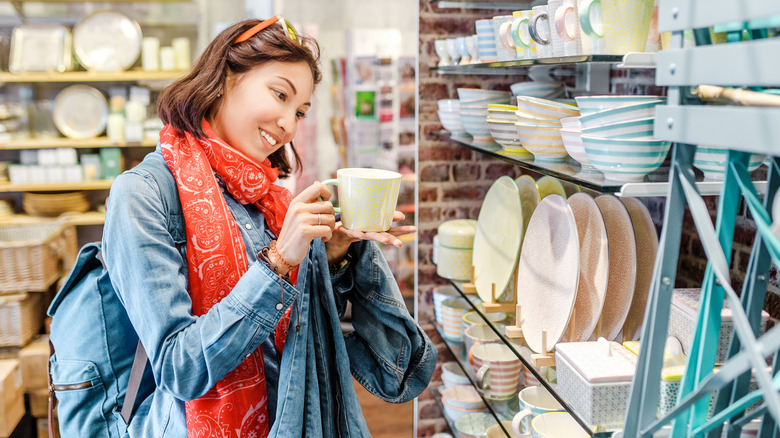
Long before today's warehouse-style home stores became common, Waccamaw Pottery was already delivering the experience on a massive scale, presenting their showrooms packed with housewares, glassware, dinnerware, décor, and seasonal displays that felt almost endless. At its peak in 1983, they attracted six million visitors annually and was even named South Carolina's most outstanding commercial attraction in 1983. For many shoppers, a visit meant wandering for hours, loading carts with affordable finds, and treating the whole experience like a mini road trip. It wasn't just a store; it was a destination that blended outlet pricing with the thrill of discovery.
Despite its popularity, rapid expansion eventually became Waccamaw's downfall. The massive complex struggled to keep pace as competition intensified and consumer habits shifted. In the late 1990s, Waccamaw merged with HomePlace in an attempt to stabilize operations, but the combined company ultimately shuttered in 2001. As tenants left and the one-time shopping mecca emptied out, the site lingered, even hosting short-lived ventures like the Hard Rock Theme Park and its rebranded successor, Freestyle Music Park, both of which closed within a year. By the early 2000s, the Waccamaw name had quietly disappeared, leaving behind only its enormous footprint and a decorated retail history. For many shoppers, it represents a formative era of home retail, when a single store could feel big enough to get lost in, both literally and creatively.
Sears Home & Garden once dominated appliances and home essentials
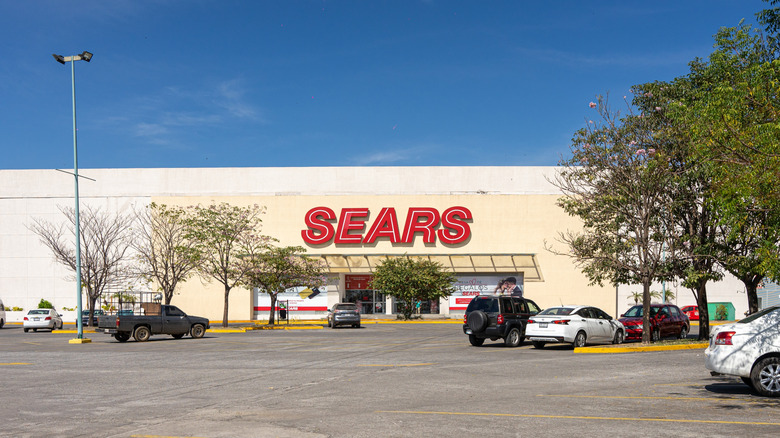
For generations, Sears wasn't just a department store — it was a household authority. Its home and garden sections were trusted destinations for major appliances, tools, patio furniture, bedding, and home improvement supplies. Whether someone was buying their first washer and dryer, replacing a lawn mower, or shopping for outdoor furniture, Sears was often the first stop. The brand built its reputation on reliability and longevity, and shoppers trusted that big purchases made there would last. Sears embodied practicality, offering everything needed to maintain and upgrade a home under one familiar roof.
But as retail habits shifted and competitors grew stronger, Sears began steadily losing ground. After years of financial turmoil, the company spun off its smaller-format Sears Hometown stores in 2012, only for them to be reacquired after Sears' bankruptcy sale in 2019. The chain continued shrinking, with many dealers reporting limited inventory and challenging business conditions. By 2022, more than 70 additional Hometown locations announced liquidation sales, roughly a quarter of the chain's remaining stores. While a pared-down version of Sears still exists today, its once-vast footprint is now only a shadow of what it used to be. What remains is the memory of a retailer that anchored neighborhoods and provided dependable home essentials for decades. For many shoppers, Sears represents an era when buying appliances or home equipment felt solid.
Christmas Tree Shops offered whimsical, affordable home décor all year round

Christmas Tree Shops built a loyal following by making decorating feel fun and accessible all year round. Shoppers flocked to its aisles for seasonal décor, kitchenware, baskets, textiles, and unexpected novelty items that changed constantly. No two visits felt the same, and that unpredictability became part of its charm. Whether someone was hunting for holiday décor items, summer décor, or practical storage solutions, the stores offered a playful mix that encouraged browsing far longer than planned. It wasn't about polished perfection, but rather, about personality and affordable finds.
The store announced in 2023 that it would be closing its remaining locations, which was especially difficult for longtime fans. After filing for Chapter 11 bankruptcy in May of that year, the retailer secured a $45 million loan in hopes of stabilizing operations, but when revenues continued to fall and the company defaulted on loan terms, creditors moved to terminate the financing. By June, Christmas Tree Shops announced it would liquidate all remaining stores, unless a buyer emerged. With no rescue deal in sight, the chain prepared to close roughly 70 locations across 16 states, marking August as its last month. Though its name will always evoke cheerful aisles and seasonal surprises, Christmas Tree Shops now exists only in memory.