

11 Signs You Have A Flea Or Tick Problem And When To Call In The Pros

We may receive a commission on purchases made from links.
If you've started noticing fleas, ticks, or both on your pets after time outdoors, there's a good chance that you'll also find these pests on furniture, wood floors, baseboards, carpets, and even curtains. By knowing how to spot them and where to look, you can determine whether it's time to call in the pest control pros. Once these parasites are in your home, they can cause even more disruption by making unwanted appearances on your sofa, laying eggs in baseboard crevices, and feasting on your pets — and you — causing bites, skin irritation, and even pest-borne disease. Not to mention, infestations can be difficult to remove from upholstery, carpets, area rugs, or curtain fibers without frequent intervention, causing you to have to make hard decisions about beloved furniture and decor.
It's for these reasons that it's crucial to inspect your home, including furnishings, floors, and other spots that are tick or flea magnets (like dog beds). We'll take you through where to look and how to identify things like flea dirt, tick nests, and egg or larvae stages of both, what to do when you discover them, plus when to actually contact an exterminator. Even though these pests are inevitable, that doesn't mean you should have to live with them. Here are the top signs that you should call in a professional for these pests in your home.
You keep finding fleas or ticks on your pets after they go outside

The first sign you might need a professional opinion is if your pets continuously bring fleas or ticks inside the house on their fur. This demonstrates that your outdoor space could be the perfect habitat for them, hence why they keep making an appearance. Your backyard could be a pest hotel if it has overgrown weeds, grasses, or shrubbery (well-loved homes for both fleas and ticks), if it is next to a woodland area (tick central), if it contains leaf piles, water features, or wood stacks (a flea's dream), or if it has frequent visits from deer or other wild critters known to carry pests. If the area is left untreated, more and more pests could find their way into your home and cause an infestation, making it more difficult to get rid of them.
To reduce the potential for them in your outdoor space, (and where your pets hang out) clear any overgrown areas, cut back tree limbs that overhang into your yard, be mindful about compost bins or trash storage as these could attract rodents with pests, consider planting deer-resistant shrubs to limit their presence in your backyard, and make sure you consistently mow your grass to keep it from getting too long. You can also put up temporary pet fences to limit your dog's ability to go near overgrown spots. The Yaheetech Dog Playpen available on Amazon comes in multiple sizes and can be used to keep pets away from certain areas of your yard. Cedar mulch is a natural way to deter fleas from your lawn. Should you still have issues after taking these steps, get in touch with a pro. They can help treat your outdoor area for all sorts of pests, especially fleas and ticks.
You find eggs or larvae while inspecting your hardwood floors and baseboards
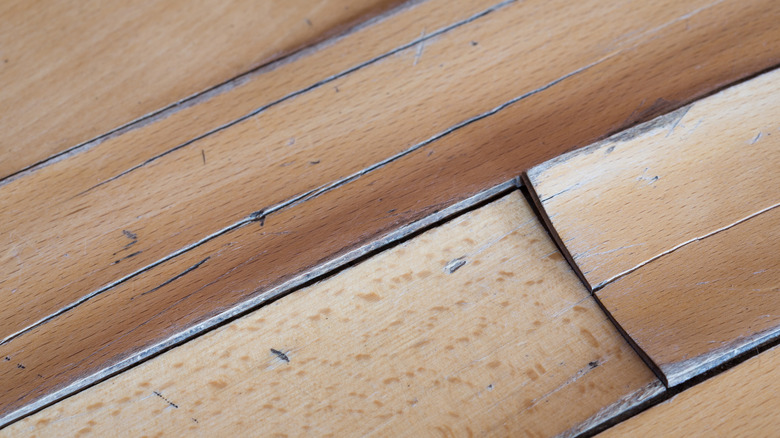
Another sign of a problem is if you spot evidence of ticks or flea eggs and larvae stages in the cracks of wood floors or around baseboards. Flea dirt (poop) looks like black dots but turns a reddish color when put on a wet paper towel. In contrast, their eggs are white, while the larva stage is more clear. Flea pupae are the final stage before adults and tend to accumulate debris from the floor, so they blend in with everyday dirt. Mature fleas are tiny and look orangish-brown up close. As for ticks, the best way to describe their eggs is to picture tiny caviar. They have a slightly clear appearance and range in color but often look reddish orange or brown. The larvae stage are pale and have six legs instead of eight, while nymphs look similar to adults and have eight legs — they're just smaller. Full-grown ticks vary in appearance depending on the type. However, they all have eight legs and a tear-drop or almond-shaped body.
With a better understanding of each stage, you can get to work. Start on hardwood floors and baseboards around pet areas or home entry points. Use your phone flashlight to look in between cracks and crevices. You might even want a magnifying glass for this part. Then, go over the area with a wet paper towel. While most flea stages (except flea dirt) aren't noticeable on a white cloth, you might be able to see tick eggs, larvae, or nymphs — even adult ticks or fleas. If you find any, put them in a rubbing alcohol solution before washing and vacuuming the floors thoroughly. And most importantly, contact an exterminator.
You discover flea or tick eggs or larvae on rugs or carpeted floors
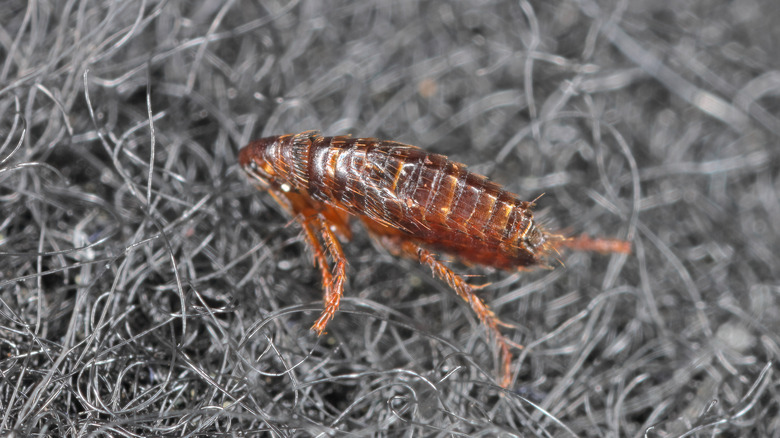
In addition to the cracks in wood floors, carpets and rugs can also hide eggs, larvae, and adult stages of fleas and ticks. Due to the similarities to pet fur and dense grass, carpet fibers are the perfect place for both to nest as well as for eggs and larvae to grow. This happens when pests fall off of your pet's fur and onto the carpet. In some cases, larvae can live off nearby flea dirt (which contains blood) left by the host. Just for reference, flea larvae can live in rugs or carpeted floors for months, and some species of ticks, like the brown dog tick, can live indoors without a problem, so you need to act fast and get professional guidance, even if you believe you've removed the pests.
Before examining your carpet, consider how its color affects how easy it is to spot and identify pest activity. Flea dirt, tick eggs, and adult stages may be easier to see on light carpets, while flea eggs, and flea and tick larvae or nymphs can be more easily spotted on darker ones. Like with hardwood floors, it can be helpful to use a flashlight and even a magnifying glass to closely examine the carpet fibers. You can also use a flea comb to see if it catches any eggs, dirt, larvae, or adult fleas — maybe even some ticks! Also inspect along the edges of carpets or rugs that run up against baseboards, as this is a potential spot for tick eggs. If you do find evidence of these pests, immediately steam clean and vacuum your carpet, then call in the pros to do further treatments.
You observe black dots known as flea dirt on furniture where your pets hang out
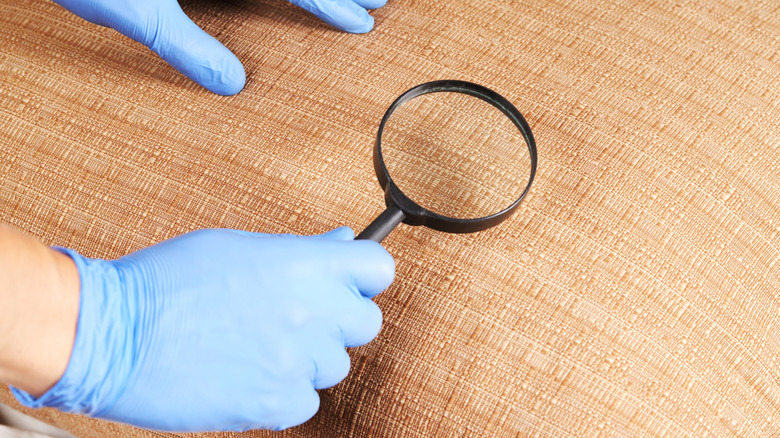
If you notice small black dots on your sofa or chairs where your pets frequently nap, this is likely flea dirt (poop) that's fallen off your pet's fur — an indicator that there are actual fleas around. Since the dirt is made up of blood from the host, it becomes red in color when put on a wet paper towel. If you see it on your furniture, you'll want to set up a pest control appointment and check your pet's fur for additional black dots or mature parasites.
Although flea dirt is small, you can usually see it on furnishings. If you are trying to inspect darker-colored furniture, start by gently sweeping a damp paper towel over the surface and check for black dots. Should you find some, immediately look around and beneath furniture cushions and on the floor underneath for additional dirt, eggs, larvae, or pupae. There are several ways to get rid of fleas in your home once you discover them, including eliminating flea dirt so that larvae can't feed off of them and grow. If furniture cushions have removable covers, toss them in the washer on a hot water cycle (unless specified otherwise on the product care tag), as the heat kills the fleas. If not, steam clean and vacuum the furniture upholstery. This steam mop by Labigo is a great budget-friendly option if you don't already have one. If you notice flea dirt on a dog bed, try to wash it with hot water or just replace the dog bed altogether.
You do the white sock test and find fleas stuck to them

The white sock test is a fool-proof way to determine whether you have adult fleas hanging out on your floors — even if you have the darkest-colored carpet or hardwood. It works by using friction and heat to attract fleas to the socks so you can figure out if you have an infestation. Make sure to wear calf or knee-height white socks to prevent them from biting the skin on your legs.
To get started, shuffle your feet around where your cats or dogs hang out or have their beds or kennels. If there are fleas, you should notice them on your socks. To the naked eye, they might look like little blackish-brown seeds. Doing this test might also help you capture flea dirt, which signals that there could be mature ones nearby. If they are present, remove the socks carefully and place them in a solution of hot, soapy water — this will kill them and give you time to call a pest control specialist. You can also do the white sock test in other areas of your home (using different ones of course) to determine if you have an infestation in more than one room. Make sure to steam clean and vacuum the area as an immediate treatment. Empty the vacuum outside or immediately into the outside trash to keep them from reappearing.
You find ticks crawling on furniture or dog beds
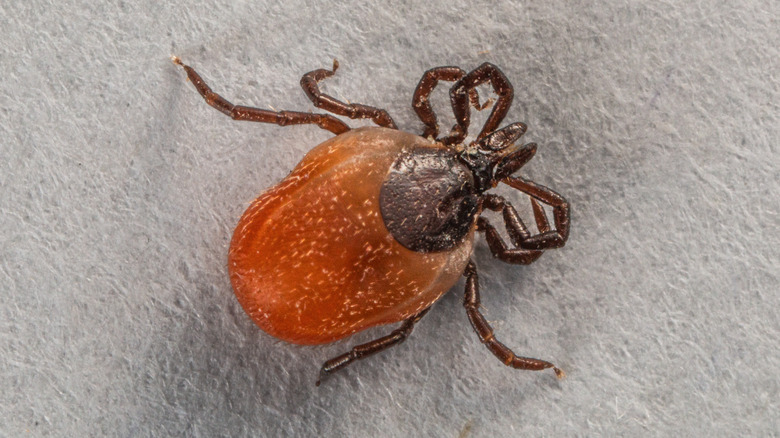
Seeing larvae, nymph, or adult ticks on your furniture that pets frequent or on dog beds (especially the brown dog tick) could signal a pest problem — at the very least, that you or your fur baby brought them in from outside. Since ticks can hide and lay eggs in furniture crevices and seams, it's crucial that you take the time to check for others once you come across one.
Use a flashlight to help distinguish ticks on dark-colored furniture. Carefully remove each cushion and check along the inner and outer frames of chairs or sofas, as well as any cushion seams where they could be burrowed. Do the same for dog or cat beds, including lifting them up to make sure there aren't adult ticks or eggs hiding underneath. Place any that you find in a solution of rubbing alcohol to kill them. You can also apply an upholstery-safe solution like ADAMS Flea & Tick Home Spray to get any you missed. If the problem persists or you see tick eggs on or around furniture during inspection, it's time to get a professional's opinion.
You discover tick nests after inspecting your home

Tick nests are inch-long groupings of tiny red or brown eggs – somewhat like caviar. And yes, they can be found inside your home. The brown dog tick can live and lay eggs indoors, releasing thousands of tiny larvae, which become nymphs and then adults. While other types can't continue to live indoors due to the dryness of the air, this type of tick thrives in indoor conditions. In fact, according to Michigan State University, larvae can stay alive for about eight months — and that's without a food supply.
To determine if you have nests, look in key areas, such as along baseboards or in noticeable cracks, along the edges of carpets or beneath rugs, in and around dog beds or indoor crates, in pet blankets, tucked near window casings, on curtains, and yes, even on your sofa — make sure to also check the back of any furniture that rests against a wall — they can be there too. If your pet sleeps in bed with you, you'll need to check there as well as under mattresses or fitted sheets. If you identify a tick nest in your home, don't panic. Just place it in a cup of rubbing alcohol to kill the eggs and check around the same spot for more. Once you come across a tick nest in your home it should not be ignored. Call an exterminator to inspect and treat your home right away.
You find tick nests in your yard

Aside from the brown dog variant, most ticks prefer (and need) to complete their life cycle outdoors, so if you don't find nests inside the home but ticks still show up on your furniture or pets frequently, you'll need to look outside for the source. If you don't inspect your yard, you're basically inviting ticks inside. Not to mention, their appearance near outdoor seating areas or fire pits could really dampen your enjoyment of the space. Tick nests consist of a cluster of eggs that are about an inch in length, so you might want to have a magnifying glass!
First, observe your dog as they do their daily sweep of the yard. See whether they brush past certain shrubs, pause by a pile of leaves, roll in them, or venture into tall grass. This can be helpful in narrowing down where to start your search. Typically, you'll discover nests on the ground in piles of leaves, grass clippings, loose soil (like in garden beds), in tall grass, or in underbrush along the borders of your yard. Similarly, if you have patio furniture close to these areas or in frequently shaded (moist) spots, you may also want to check the furniture and their cushions for eggs. Like with all sightings, dunk nests in rubbing alcohol to kill them before disposing of them.
When to call a pro: You've tried home flea and tick remedies to no avail
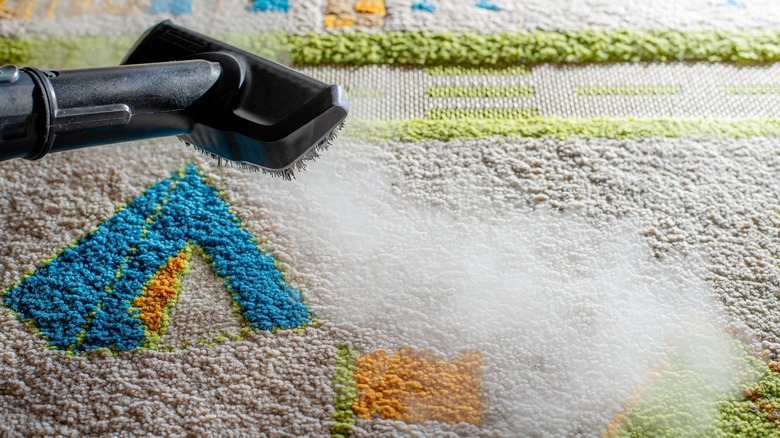
With so many removal methods and products out there, it's okay to try and nip the problem in the bud on your own. However, they can only do so much if you already have an infestation. Whether you try DIY rosemary spray to limit fleas or diatomaceous earth (DE) to keep ticks at bay, sometimes it's just too much to maintain. This is especially true if these pests are in their egg, larvae, or pupae stages, making you think you conquered the pest problem when they're actually just waiting to hatch or take their adult forms.
If you've cut back overgrowth in your yard, used organic pest control methods, given pets flea and tick shampoo bath treatments, taken the time to clean and wash floors, carpets, or furniture, and replaced or thoroughly cleaned dog beds, and you still spot them — it's definitely time to contact a pro. They can help you get a handle on the problem to ensure your home stays safe, clean, and habitable.
When to call a pro: You've found mice or rats -- essentially flea and tick magnets
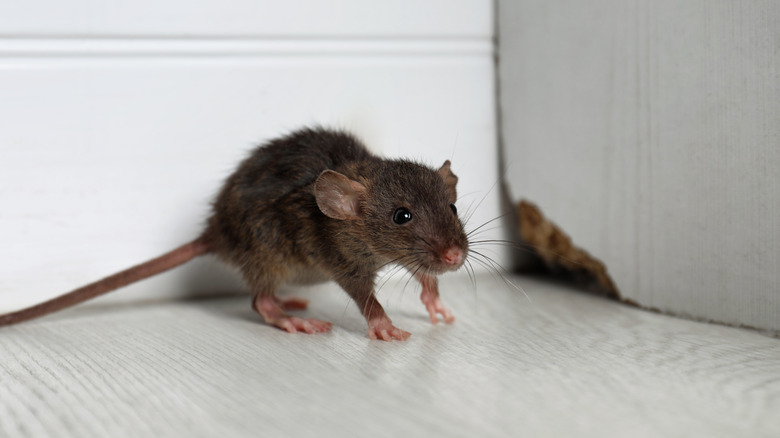
Having rodents in and around your home can also signal the presence of fleas or ticks — and that you need a professional's help — since rats and mice are known to carry these parasites. If the bubonic plague taught society anything, it's that rodents carry pests and disperse them as they travel. If you're unsure whether you have a problem with these vermin, there are several home invasion signs to look for, especially during the winter months. Signs include finding mouse droppings on the floor, in kitchen cabinets, or on household surfaces, observing scratches or chew marks on upholstered or wood furniture (they use these materials to build nests), discovering chew marks or holes on food containers, or hearing unexplainable noises in the walls. If you actually see one, then you can assume there's more, and that they might be carrying pests.
At the first sign of rodents in your home, set traps in kitchens, food pantries, basements, or garages. If you frequently catch mice, this is a good indicator that you need to call a pro. An exterminator can help fumigate your home and identify potential weak spots where they might be getting inside, plus they may be able to suggest ways to reinforce the exterior of your home.
When to call a pro: Your allergies or asthma is flaring up -- or you've been diagnosed with a pest-related illness

If you've found ticks or fleas in your home and start experiencing allergic reactions or breathing problems, it's time to call a pro. Flea dirt can cause allergy flare-ups, while bites can cause a specific form of dermatitis. Ticks can also be harmful to the health of both you and your pets, especially because they may carry a plethora of diseases, one of the most notable being Lyme disease. If you or your loved ones have been diagnosed with one of these conditions or another tick-borne illness, it might be worth inspecting your home and yard to ensure you didn't receive a bite from your everyday environment.
If you think pests in your home are causing allergies, the best thing to do first is to vacuum and wash floors or shampoo carpets. This can help get rid of both ticks and fleas at all stages. Wear a mask in case the vacuum causes flea dirt and other allergens to get into the air. Use a handheld vacuum or vacuum attachment to suck up anything hiding in furniture or baseboard crevices. You may benefit from an air purifier since they can trap dander and flea feces that becomes airborne each time your pet shakes their fur or you get up from infested furniture. Once you've given your space a good clean, call in the pros. It's important to remember that pesticides may also cause asthmatic or allergic reactions, so getting a professional to do the work is essential for your health and safety — don't attempt it yourself.