

14 Vegetables Most Sensitive To Overfertilizing
We may receive a commission on purchases made from links.
I've been growing my own food organically for decades, and I'm a master gardener who specializes in natural and permaculture practices. So I understand the urge to "feed" any plant that looks sad, droopy, or yellowing. But a lack of fertilizer might not be the cause of the issue, and could even make it worse. Plus, some veggies are not heavy feeders and can't cope with overfertilized conditions, even if you use a balanced soil amendment.
Many crops look like they'll benefit from a big nutrient boost, but many are sensitive to overfeeding. Too much nitrogen, for example, and you'll end up with loads of lovely leaves, but no actual crop to harvest, misshapen roots, and loose heads on brassicas. And of course, there's the issue of long-term soil imbalance. Most crops fare better with steady, moderate nutrition and healthy, enriched soil that's full of worms and microorganisms. You'll find you get better yields and healthier, larger crops over a longer season if you work on building your soil health naturally before you plant.
Tomatoes and peppers give lots of leaves, but fruit and flowers fall
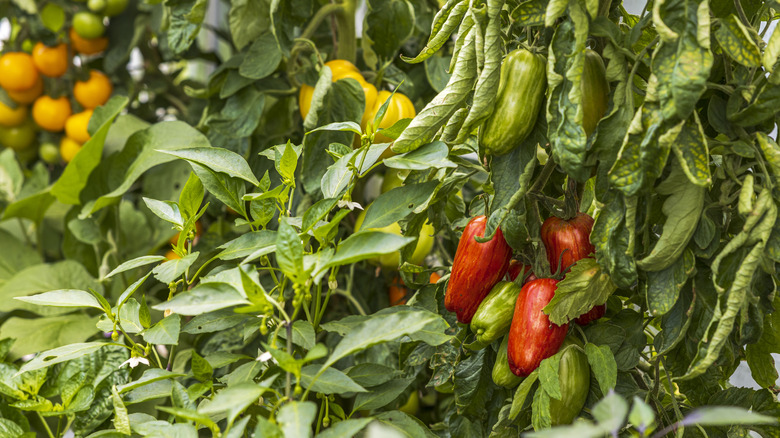
Tomatoes and peppers do like nice, well-draining, nutrient-rich soil. But they don't do well with high nitrogen fertilizers or soil amendments, especially around when they flower and fruit. When you "push" these plants with nitrogen, you'll get loads of lovely leafy green growth. They'll look lush and wonderful. But if this is near flowering or fruit set, you may see blossom drop or even fruits falling from the plant. And in general, you'll see fewer new flowers forming because the nitrogen signals the plant to put its energy into leaf growth instead of fruit. Plus, because you've encouraged lots of dense foliage, your plants are at a higher risk of fungal diseases, because you've created the environment.
A better option for tomatoes is to add some well-rotted manure or nutrient-rich compost to the bottom of their planting hole, along with some powdered eggshells for a little balanced nutrient boost. This gets them off to the best possible start, and they shouldn't need much more feed support through the rest of the season. Especially if you add a slow-release top-dressing or mulch that slowly breaks down and feeds the soil gradually. A little bone meal feed, like Burpee Organic bone meal, might also be helpful after flowering to support the plant while the fruits ripen and swell. I also recommend regular, consistent watering for tomatoes and peppers, because these plants are particularly prone to blossom end rot and nutrient uptake and transportation issues caused by a lack of water and inconsistent moisture levels.
Cucumbers put out long, rambling vines but no fruits
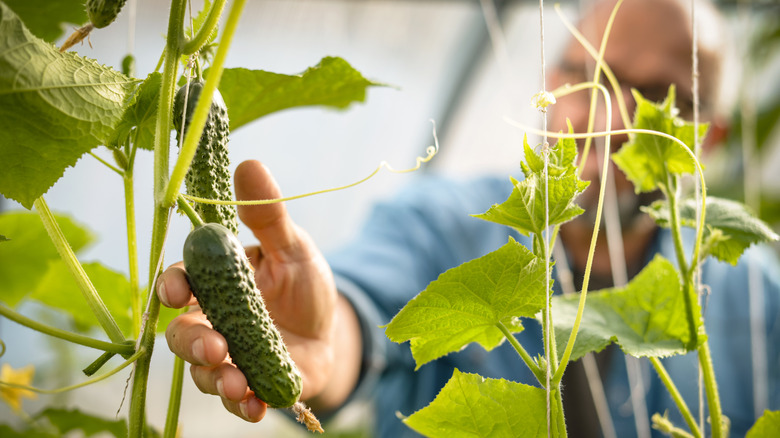
If you overload the soil, especially with nitrogen, cucumbers start to ramble and wander. They'll put out long, trailing vines, but you won't get much, if any, fruit on them. As with tomatoes and peppers, when cucumbers get too much nitrogen, flowering and fruit set is delayed, and the plants can take weeks to recover. Plus, the humidity created by the dense foliage increases the risk of leaf diseases like powdery mildew.
Cucumbers are moderate-to-heavy feeders, so I like to create a rich planting pocket as I do with tomatoes. But these are also good plants to use trench composting with because they only have a small footprint if you give them vertical support. So, between the rows, I dig a trench and add raw vegetable and fruit scraps from my kitchen each time I'm preparing dinner. I add the scraps to the trench, then cover that little section over. And so on until the trench is backfilled. It's my favorite way to compost without a bin. This is effective because the vegetable matter breaks down slowly and releases its nutrients gradually into the soil.
Zucchini and squash become the epitome of style over substance
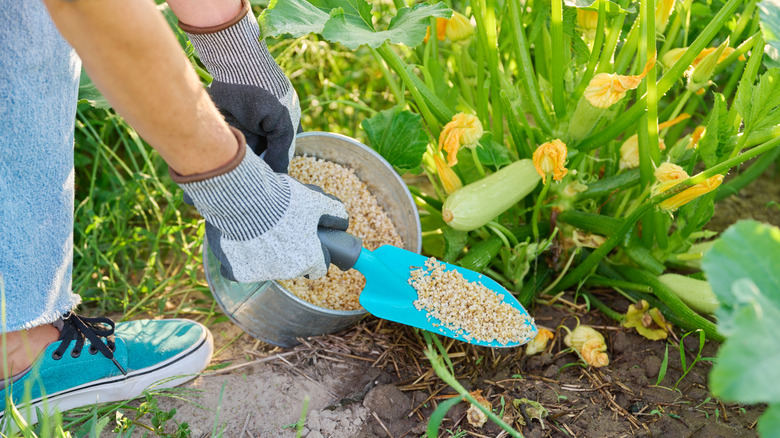
If you overdo nitrogen with zucchini and squash, you will get the most fantastic show of huge, glossy, dark leaves. They really do look fantastic. And you might even get a lot of flowers and think you're going to get oodles of squashes. But they'll most likely be male flowers. Zucchini and squash have male and female flowers, with the fruit forming only on the female flowers, and the male flowers providing the pollen to fertilize the females for the fruit to develop. When these plants get too much nitrogen or get "stressed," they predominantly produce males.
Squashes are heavy feeders, but they need balance, preferably from rich, healthy soil. Fill the bottom of the planting hole with a good layer of compost. Top dress with well-rotted manure or more compost that will slowly break down and release nutrients over time And, if it seems like your plants aren't thriving during the growing season, you can give them a quick boost with either fish meal or fish emulsion, like The Grow Co's organic fish emulsion, which both have a fairly well-balanced nutrient and trace mineral ratio. If you feel like there's a lack of female flowers and fruit setting, you can also amend the soil with something potassium-rich, like shredded comfrey leaves.
Lettuce gets shallow roots and soft, floppy growth
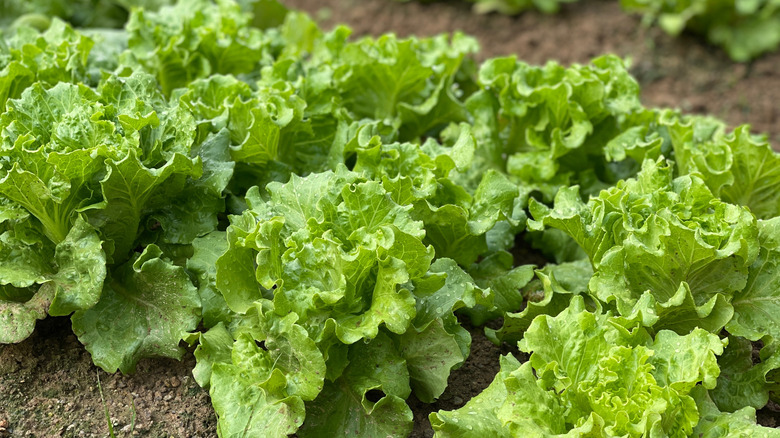
Lettuce of all kinds is sensitive to overfertilization. These plants don't need nutrient-dense soil, and they don't usually need a "top up" feed unless your soil is seriously depleted. If you overfertilize lettuce, you'll end up with loose or no heads on headed varieties and weak, floppy growth on leafy varieties. Lettuces grow quickly anyway, but generally the foliage grows proportionally to the roots. If you overfertilize, you get a lot of top growth without the same amount of root growth, so your plants aren't stable in the soil and are more prone to drought. Soluble salts in commercial fertilizers can also easily "burn" lettuce plants, causing leaf scorch and interfering with nutrient absorption.
Lettuce is super-easy to grow. Whether you choose a headed variety or cut-and-come-again leafy lettuce, you shouldn't really need any extra fertilization other than reasonably healthy soil to start with. But again, if your soil does seem a little help, one of the benefits of composting at home is that you can do trench composting between rows. Lettuce is a great candidate for this because the plants are fairly compact, and it's easy to dig between the rows.
Spinach bolts and burns with over-fertilized soil
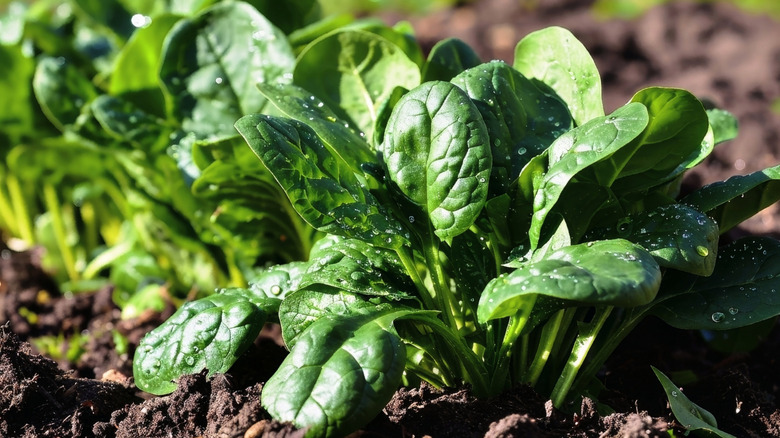
Spinach is very similar to lettuce in that it cannot tolerate high levels of soluble salts. It'll show all the same signs, including scorch and leaf burn. If you've tried to grow spinach before, you already know that it's really easy, but that it also bolts with just the slightest provocation, becoming bitter and running to seed. That's even more likely to happen if the soil is too rich in nutrients.
Spinach is a plant that appreciates moderation in all things. Nutrients, air temperatures (it prefers cooler temps), and watering. Water regularly, but never leave the ground soggy or puddled. If you must use fertilizer, use a balanced product like very dilute fish emulsion and water so the salts don't concentrate close to the spinach roots. Spinach is also another excellent candidate for trench composting. Nip out the growing tip and harvest outer leaves regularly to discourage bolting.
Carrots prefer a little rough treatment
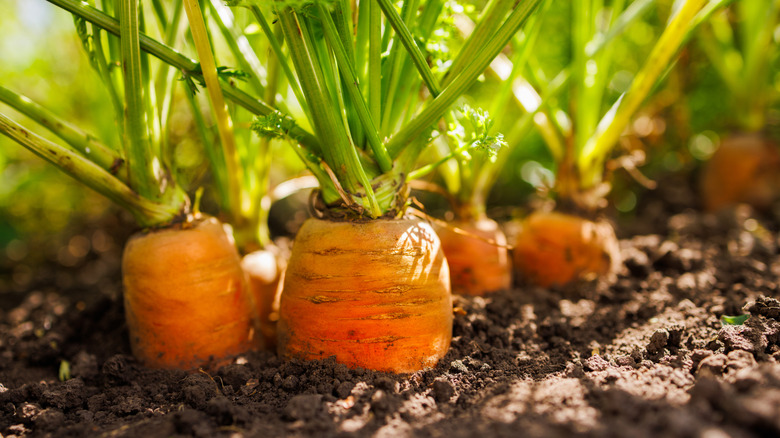
Carrots, like many other root veggies, don't like to be coddled. They really don't like rich soil, and they especially dislike being fertilized. You might think that you're doing the carrots and yourself a favor by feeding them, thinking you'll get longer, fatter, "better" carrots. You won't. What you'll end up with is forked, twisted, hairy carrots that are more prone to disease, and they'll often be stunted and small, too. On the plus side, you will get some cool shapes and get to play the "what does this misshapen carrot look like?" game, which is always fun. But you won't get good-sized carrots.
So just ... leave them alone. Companion planting is incredibly beneficial here. I companion plant my carrots with some onions, garlic, or leeks to repel carrot flies and just let them grow. Don't be tempted to "help" them with a top dressing or a liquid feed. The only things you should do with carrots are keep weeds down between rows and thin them out. And water consistently. Where they're all bunched together, remove every other carrot so the remaining ones have room to swell and grow. When you combine this practice with regular, deep, consistent watering, you'll get the longest, fattest roots. I use even the tiniest "thinned" carrots because I hate waste and they're intensely "carroty."
Beets react to too much fertilizer with smaller roots and bigger tops
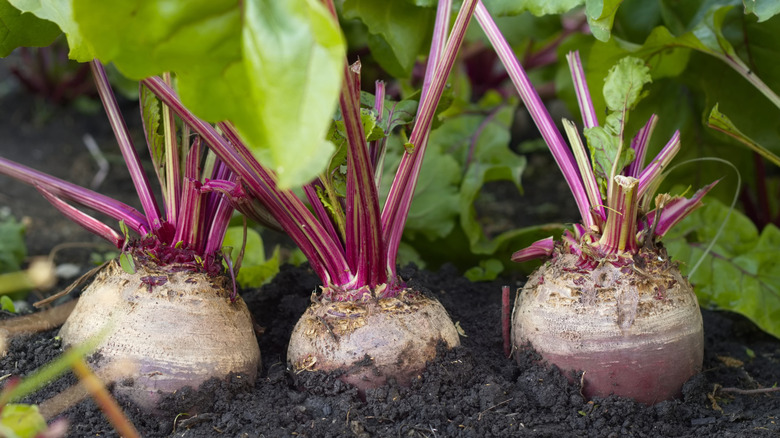
When you give too much fertilizer, especially nitrogen, to beets, you get big, leafy tops and itty-bitty beets. Now, I like beet greens. I use them in salads and stir-frys, but I also want the actual beets to be a decent size. Don't plant beets in soil that's too rich, and avoid feeding, especially with nitrogen. You don't want to encourage too much leafy top growth at the expense of root development.
Make sure the soil is reasonably healthy before you sow your seeds. You can even put a little compost in the base of the trench you're sowing into. That's all the feed beets should need. If necessary, trench compost to slowly release nutrients into the surrounding area without overwhelming the beets.
Radishes are extra sensitive because of their fast growth
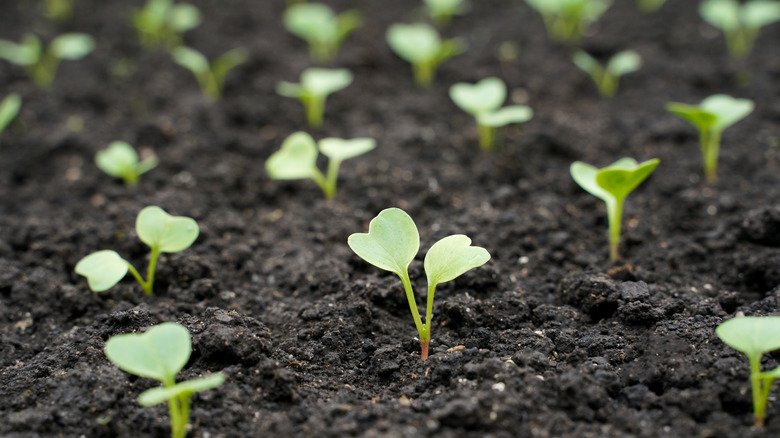
Radishes grow ridiculously fast. And this makes them extra sensitive to overfertilizing. Some radishes go from seed to harvest in as little as four weeks. And they grow well, even in nutrient-poor soil. While they don't object to being planted in nice, moderately rich soil, they react poorly to being fertilized once they're in the ground. They also really shouldn't need it unless you have exceptionally bad soil to begin with. With radishes, if the ground is too rich or you fertilize them, you'll get lots of top growth and hollow, thin, or weedy roots that you just can't eat.
Keep soil lean to moderate or grow radishes in those weak, thin areas of soil that you haven't gotten around to improving yet. Don't fertilize or mulch around them. In fact, because they grow so quickly and take up so little space, you can grow them for quick crops in between larger veggies like brassicas, potatoes, and even other root crops. Basically anything that also doesn't like heavy fertilization.
Potatoes produce fewer or problematic tubers
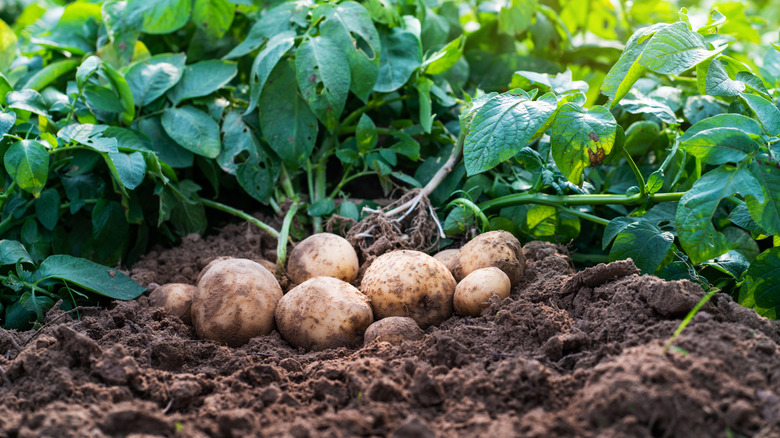
As with most plants, too much nitrogen in potatoes encourages too much leafy growth. The difficulty with potatoes is that they look healthy, bushy, and fantastic, but you can't see what's happening underneath. Excess nitrogen results in fewer tubers overall. But fertility swings are where potatoes develop the most issues. "Boosting" the area with fertilizers or soil amendments causes fertility swings, and potatoes just can't handle that. While the tops may look fabulous, the few tubers that form are usually small. Sometimes they're excessively large and have hollow hearts and other issues. They're also just watery and mushy potatoes that are not even really any good for mash.
With potatoes, you can add a layer of compostable veggie scraps to the bottom of the planting trenches. These break down slowly, releasing their nutrients over time and feeding the seed potatoes gently and steadily. Mound up the potatoes as the tops grow to maximize tuber production and water deeply and regularly.
Onions are sensitive to nitrogen and salts
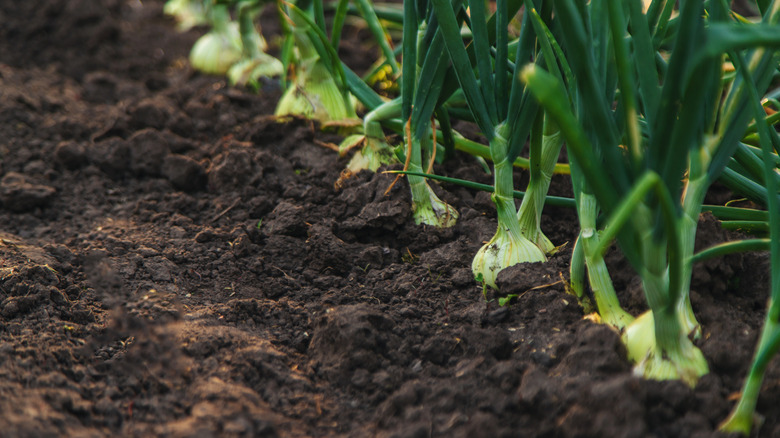
I remember one of my first years growing onions before I really mastered the art-science of growing veg. I'd worked so hard converting this neglected piece of land into a usable space. The previous winter, I'd dug in loads of well-rotted manure and homemade compost and I was so excited and ready for action. Loads of veg did really well. My onions were a colossal flop. I quickly learned that onions don't like lots of nitrogen and soluble salts. It actually slows their growth, so it takes them longer to mature. The necks are thick but floppy and don't dry or cure well, and the bulbs just end up too soft to cure well. The roots also end up shallower and not well-anchored in the soil, so they're at risk of exposure and root desiccation in exposed sites or even with heavy rain and wind.
Compost in place between rows if the soil is in poor health and your onions are struggling, but don't add liquid feeds. Instead, let the soil organisms, weather, and worms turn the veg scraps into slow-release, well-balanced nutrients that slowly permeate the beds. Onions need steady, regular watering and plenty of space to swell. They don't need lots of feeding in later growth stages. If you've planted them a little close together and the bulbs aren't growing to the size you'd like, thin them out by pulling every other onion in the row, giving the others more space to fill out.
Peas produce fewer pods and smaller peas
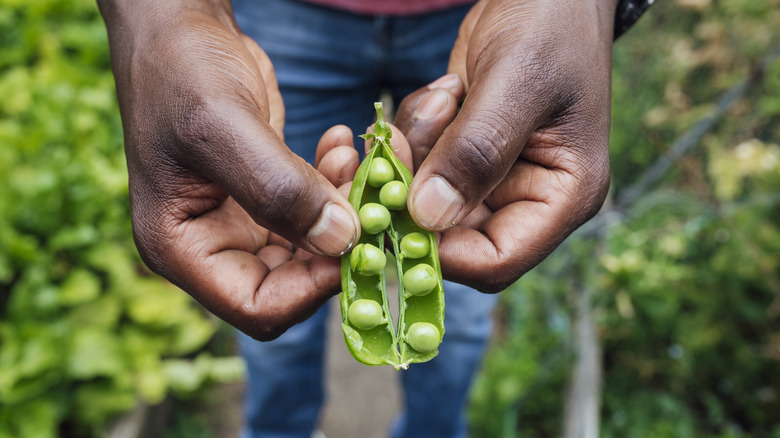
I love growing peas, but they're legumes, and that means they're nitrogen fixers. So you'd think they'd grow better with lots of nitrogen, but they don't. A nitrogen fixer is essentially a plant that has a symbiotic relationship with specific bacteria in the soil. The pea has special root nodules that deliver atmospheric nitrogen from the air to the beneficial bacteria, along with other nutrients. In return, the bacteria convert the atmospheric nitrogen into bioavailable nitrogen. It's fascinating and makes growing peas and other legumes very valuable where you want to boost nitrogen gently and naturally. But this also means that they have access to enough nitrogen without you adding more. Peas also generally don't like overly rich soil, so you don't need to apply feed unless you've done a soil test (I always recommend the Rapitest soil test kit), and there's a significant nutrient deficiency you need to correct. If you overfeed, you'll get loads of leaves and shoots (I adore pea shoots and leaves in salads). But you won't get many peapods, and what you do get will contain small peas that don't really swell.
Let the peas and the bacteria they work with do their thing. Keep the soil loose and well-drained so there's plenty of air in there. Keep the weeds down because peas get choked easily. But otherwise leave them alone. No need for fancy fertilizers or heavy mulches. You can use some light weed-suppressing, soil-protective DIY mulches, though.
Beans have delayed flowering and reduced pod set
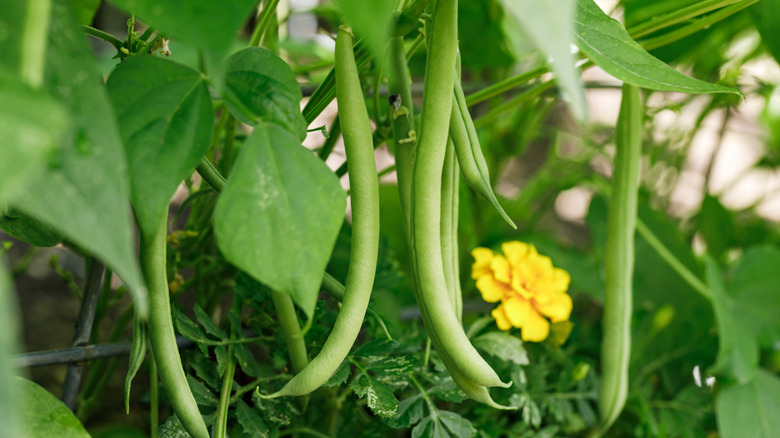
Beans are also legumes, so just like peas, they produce their own nitrogen. And they dislike very rich soil and sudden fluctuations in fertility levels. Legumes like consistency in watering, nutrient level, and soil conditions. An imbalance or a mistimed or unnecessary feed leads to delayed flowering and reduced pod set. Even if you eventually get plenty of flowers, you may find that many don't produce pods or that the tiny pods do form but fall off before they can properly grow.
At most, if your soil is nutrient-deficient, just add a little compost to the planting trench or holes for your bean seedlings. This contains balanced nutrients that will promote healthy leaf and vine growth while also pushing steady root growth. It gives them a good start without overwhelming them and, by the time they're ready for flowering and pod production, those nutrients have mostly been used by the plant and spread around by the soil microbes and worms.
Brussels sprouts blow with too much fertilizer
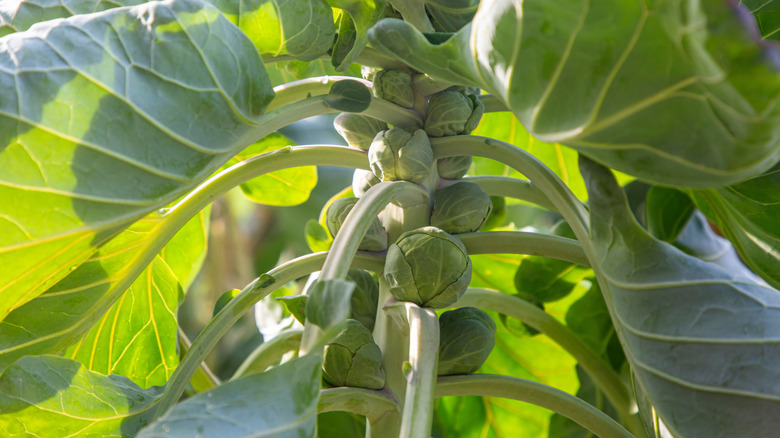
Brussels sprouts are heavy feeders, but when the sprouts start to form, they cannot handle excessive amounts of nitrogen. Overfed sprouts tend to "blow," which is when the central column stands tall and strong, but the little sprouts don't form into tight little heads. Instead, they're just little collections of loose green leaves. They're still delicious, but they're not actual sprouts. The sprouts may also grow to decent sizes, but then split and yellow.
To keep sprouts happy, plant them in moderately fertile soil and apply a balanced top dressing of well-rotted manure (never fresh) or compost, or use a fish emulsion feed occasionally. But pull back when the sprouts start to appear. Avoid areas that stay too wet, or you'll end up with root problems. To anchor in and form those tall columns covered in Brussels sprouts, you also want fairly firm but not compact soil. To avoid your sprouts "blowing," aside from not overfertilizing them, make sure you don't put them in an exposed location, or if you do, use a wind break, even if it's just a burlap screen, like this Buryeah 40-inch by 33-foot roll rigged up between two posts. And if they still blow in spite of all your efforts, don't throw them away! Eat them. Use them like tiny cabbage leaves. Tell your kids they're fairy cabbage leaves. I used to tell my littles that Brussels sprouts were fairy cabbages.
Cauliflowers don't form proper heads
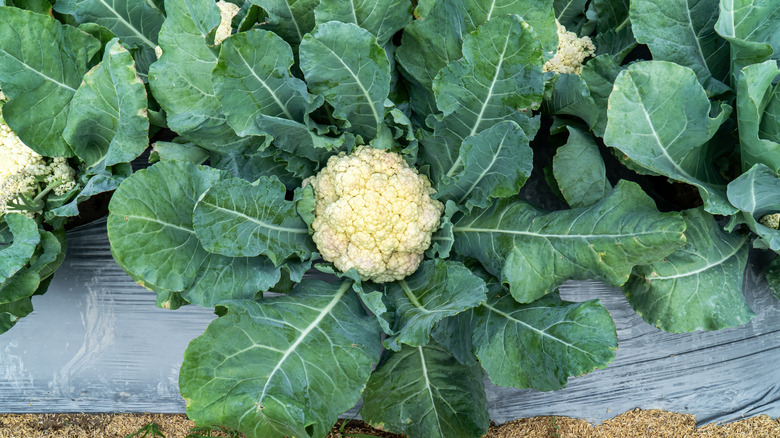
Another member of the brassica family, cauliflowers dislike the same things sprouts do. Soil that's too rich and fertility spikes will mean you end up with loose curds, which is basically a fancy term for loose, open heads instead of those nice, tight cauliflower heads. You may also end up with ricing heads. This is when the curds (the individual little florets that make up the head) are grainy and uneven. Ricing happens most often with repeated feedings, which causes fertility to spike rapidly, then drop, then spike again, and so on.
Cauliflowers appreciate steady, moderately fertile soil. If you need to improve the soil during the growing season, use composting in place or shredded comfrey leaves dug in between the cauliflower rows. This way, you provide small amounts of food slowly and you steadily condition the soil and improve its structure and health without harming your brassicas.