

12 Tools That Are Always Worth Buying At The Thrift Store
We may receive a commission on purchases made from links.
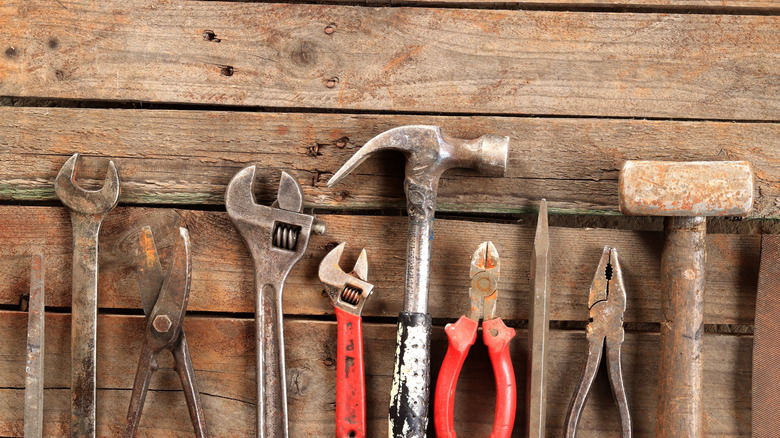
Tools are some of the best finds at thrift stores. You can often find them in great condition for a fraction of the price of regular retail. Plus, you're likely to come across the older, heavier, better-made tools that were built to last. And as long as they're in reasonable condition, they'll usually beat new "budget" models in cost, quality, and longevity. Keep your eyes peeled at estate sales, thrift stores, garage sales, flea markets, and auctions. You never know what will pop up.
I love the thrill of the thrifting treasure hunt, and I'm always on the lookout for tools of all kinds. Many I keep and use, but I'm also a reseller, so I look out for quality tools that I can clean up and flip for a tidy profit. For example, I was super happy with a JCB manual post hole auger that I found. A new JCB post auger goes for upwards of $100, but I snagged it for $10. And I'll always buy Wolf-Garten attachments when I spot them. The heavy bench vise gets plenty of use in the workshop, too. While not every tool you see is worth having, many are. Even if they're a little dirty and beat up, but still function well and are a good price, they're likely worth snagging.
Wolf-Garten modular garden tools and other multi-head systems
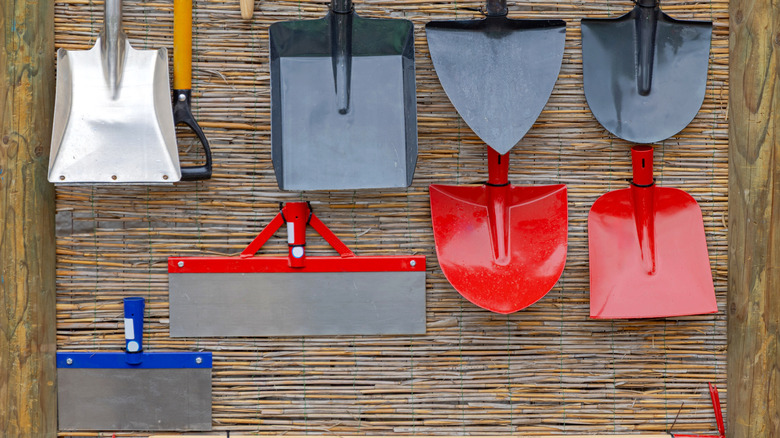
Modular gardening tool systems like Wolf-Garten's Multi-Star/Interlocken lines are brilliant. You can get a big selection of heads that all fit on a single handle, so they save a lot of space. But they're pricey. A single head from Wolf-Garten can cost you $40 or more brand new, and handles can run you northwards of $60. So finding even one handle and a couple of heads can add up to big savings. I scored a box of five different attachments at auction for $12. All of them are in perfect working order and just needed a darn good clean.
The heads are designed for long-term use and are usually powder- or zinc-coated steel. If you spot a little bit of light rust and caked-on dirt, don't worry about it. There are plenty of ways to remove rust from tools. Do check that the heads have good, solid connections and that the spring clip or button clicks in and releases smoothly. If you're buying a handle, check that it's straight, solid, and has no cracks, splits, or rot. If it's a telescoping one, check the extending action, the lock, and how smoothly it retracts. For heads with a working edge, like hoes, cultivators, and rakes, light rust and dullness are fine. Just make sure the piece is solid overall and doesn't have any bent or missing pieces, cracked welds, or severe corrosion.
Forged garden spades and forks were built to last
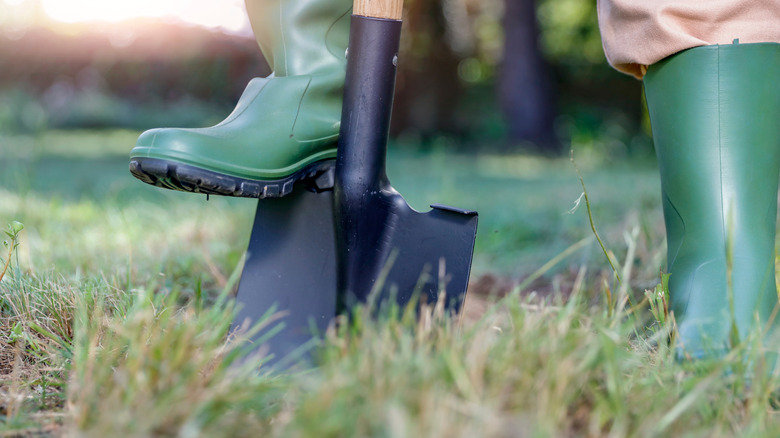
Old-school forged spades and forks are some of the best essential garden tools you can buy secondhand. Look for one-piece forged heads with solid ash or hickory handles. Avoid thin, welded tines and hollow tubular shafts that will snap within just a season or two. When new, forged garden tools are super-expensive, but thrifted, they're usually much cheaper than even the budget models. Good forged tools keep their edge longer and bite into even compacted soil more easily. Plus, they don't twist and snap as easily when you're fighting big gnarly roots in the ground.
Premium brands like Sneeboer, Ames, Stanley, or Fisher Blacksmithing are all ones to look for. They typically hand-forge their tools from hardened steel and add hardwood handles. But even if you find one and the handle is tired or rotting, don't ignore it. Look at the head. If it's still in good (even if dirty) condition, grab it. You can easily replace an old hardwood handle with a new one. It's the head you want. Make sure there are no visible welds, the tines aren't cracked or dented, and there are no missing chunks or paper-thin edges on spade heads. If not, it should last for decades. I've got an old forged fork and have no clue what brand it is, and it's probably getting time to replace the handle again. But that head still has decades left in it.
Craftsman mechanic's hand tool sets
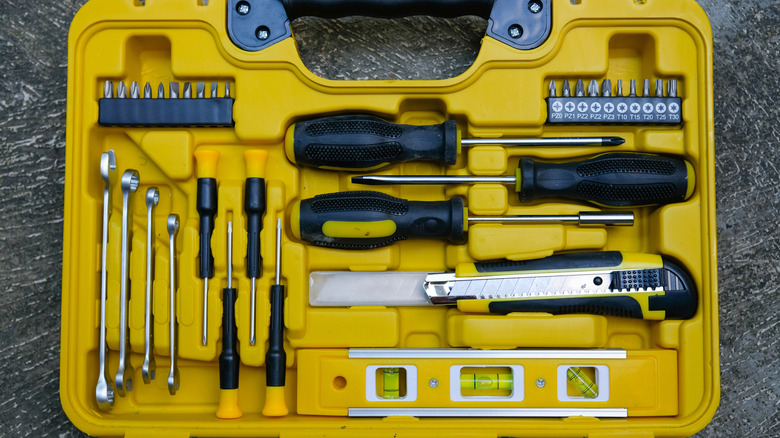
Secondhand Craftsman wrench, socket, and ratchet sets are always popular. The older USA-made sets, particularly, were built to a high standard. The steel sets should last for years. It's difficult to break them. Plus, modern Craftsman still offers a lifetime warranty on many of its everyday tools, which does include wrenches, ratchets, and screwdrivers. So even if some pieces in a set or a random box of tools look a bit worn, they're still a pretty good investment if the price is right. The warranty isn't airtight though. It's changed a bit, so be sure to check the latest info if you're looking at buying something you want to exchange for a new replacement.
Look for full or mostly complete sets. Unless you're looking for a single specific size, at least make sure that most of the common sizes you'll need are still there. With ratchets, make sure that they turn and switch direction smoothly, and that they don't skip or lock up with light hand pressure. For wrenches and sockets, check that the flats are sharp and that the corners aren't rounded off. And obviously avoid any tools that have obvious cracks or sockets that are heavily rust-pitted inside. And then there's the "Franken-sets". They might come in a Craftsman case, and a few will likely be the real deal, but the others will be a mix of random, no-brand or low-budget tools someone's collected over the years.
Snap-on mechanic's hand tools
Snap-on hand tools are another fairly common find when you're thrifting, and they hold their quality and value well. Even used, they usually still have plenty of life left in them, as they're made for daily professional use from premium steel and with fine machining. They do have a good warranty on most products, but the warranty is only technically applicable to the original purchaser, so don't be tempted to buy a defective or end-of-life set just to try and replace it, as their terms require the original purchase receipt.
Brand new, these tools are pricey because they're professional-grade. A ¼ inch breaker bar sells for over $70 new. The fine finish and precise fit, especially on ratchet mechanisms and wrench jaws, make these tools a cut above the budget brands, so if you can find them in reasonable condition at the equivalent of a budget brand price or less, they're a steal. Some cosmetic wear is to be expected and not something to be bothered about, even if you're reselling. When checking these over, make sure they've got the Snap-on branding and legible part numbers. There should also be no obvious grinding or re-stamping, as you don't want to end up buying counterfeits. Check the heft, too. Counterfeits are usually suspiciously light. Make sure the tools are still well-fitting and functional. You don't want anything that's chipped or has cracked drive ends or stripped ratchet mechanisms. And check the jaws, skipping anything that's been very ground down.
DeWalt cordless drills and saws for long-term DIY use
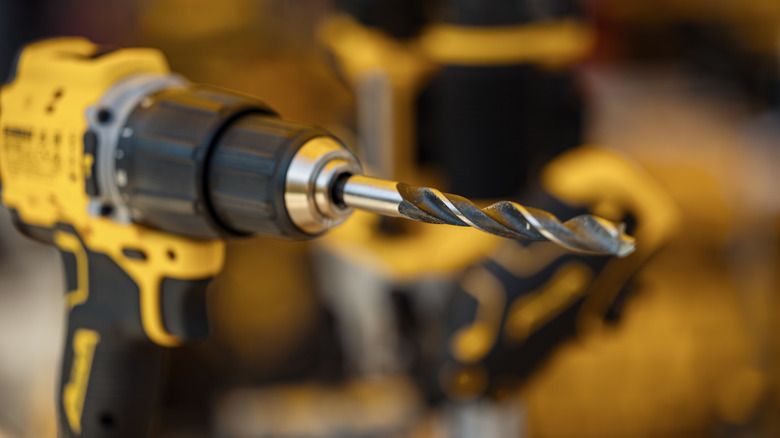
DeWalt's pro-grade cordless tools are expensive, especially when you include extra batteries and chargers. They have a great reputation and a long history of building rugged power tools that can withstand plenty of abuse on the jobsite. I always keep my eye out for their 20V MAX range, as it has an extensive selection of tools that run off the same batteries. You'll often find them at thrift stores and other secondhand sales going cheap because they're missing their batteries. But even one bare tool can be a valuable find if you already have, or can purchase, a battery and charger.
DeWalt products have a pretty long lifespan, as they're designed for professional use. So, providing they're in fair condition, they should have plenty of life left for DIYers. But you do need to give them a once-over. If you can, test the tools powered on. Testing helps you avoid anything that gives off a burning smell, that sounds or feels like it's grinding, or any tool that puts off sparks at the motor vents. Also look at the battery terminals and make sure they're clean and not corroded. The casings and triggers must be intact, and triggers need to respond smoothly. Don't be tempted by the very old NiCad (nickel-cadmium batteries)-based tools. They may be cheaper upfront, but the older batteries are difficult or costly to replace.
Non-powered tool alternatives like rotary eggbeater drills
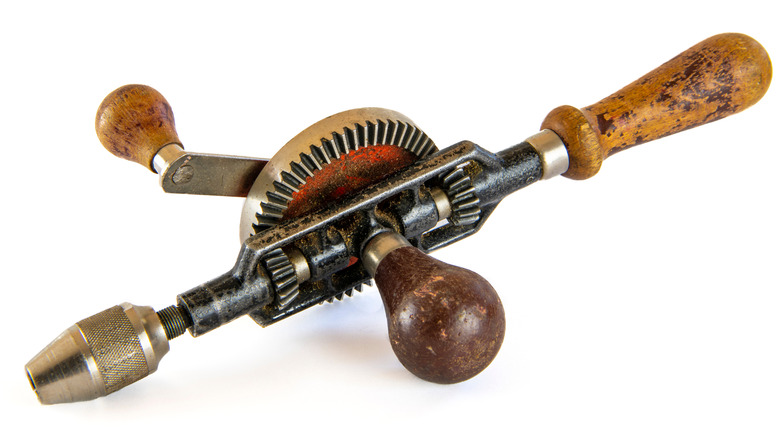
Hand-powered tools like rotary drills, bit-and-brace drills, and hand-crank grinders are solid, affordable alternatives to modern power tools. I have a real passion for vintage and antique tools that still have lots of life left in them. My rotary drill is an antique jeweler's drill that I use for crafting and jewelry making. It only cost me a few bucks, and I love the history behind it. And it works better and with more precision than cheaper modern ones I've tried. Non-powered tool alternatives are a great backup, as they work even if the power goes out. Most have all-metal bodies and smooth gears that may, at most, require a little oiling from time to time. But there are fewer parts that can break or "go wrong" because the tools are so simple (and they're easy to learn how to fix when things do go awry).
When I go for these tools, there are a few things I check. For drills, they need a straight shaft and smooth gears. Although, if the gears are just gummed up and dirty, that's an easy fix. The chuck also needs to open and close sufficiently and shouldn't be excessively pitted inside, or it won't hold the bits securely. If you come across a hand-crank grinder, which is a useful tool for sharpening other tools, and even kitchen knives, you need to make sure that the grinding stone spins true (evenly and consistently, with no obvious wobble). Then look at the base and see if the mounting clamp still tightens securely. Don't be afraid of a little grime and rust. Often, these tools have sat untouched in an attic, basement, or barn for decades, but as long as the foundations are all there, then a little TLC and a simple hack to remove rust can bring them back to life.
Marking and measuring tools like levels and tape measures
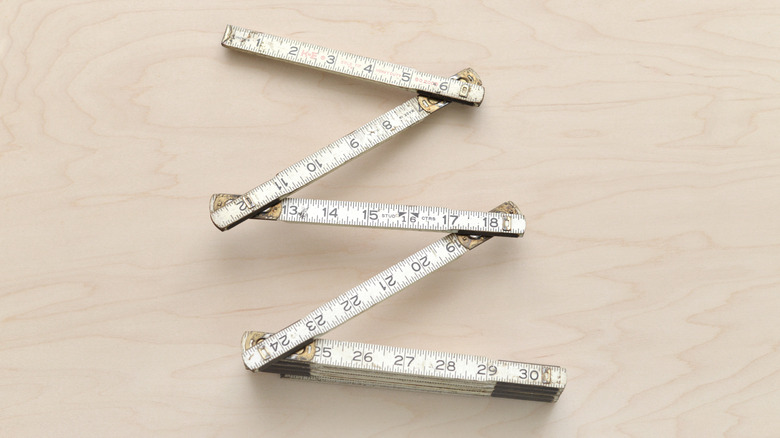
Levels, folding rulers, tape measures, set squares, combination squares, and T-bevel gauges haven't changed much over the years. I've found a few complete vintage architect drafting sets and resold them for $100 or more. Even incomplete sets that have solid resale value. So, firstly, there's potentially money to be made here if you're into flipping or reselling, and secondly, these older implements are usually cheaper and better quality than their budget counterparts from big box retailers. Older measuring tools from brands like Stanley, Starrett, and Lufkin were built to last for years. You'll see they're made from hardwood and brass or steel that holds up well in a busy workshop.
To decide if they're worth buying, look them over. Level vials must be intact with bubbles that move cleanly. Folding rules and slide rules need to open and close smoothly, with nice, tight joints and pins. If you feel it rasping or grinding, look at the joint and see if there's a problem or if it's just a little dirt and grit you can easily clean out. Obviously make sure rules are straight, numbers are legible, and there aren't any chunks missing from the edges. With measuring implements like T-bevels and squares of any kind, make sure they sit dead flat, with no twisting, and that their locking screws tighten firmly so the tool doesn't shift while you're marking or cutting.
Woodworking hand tools like planes and chisels
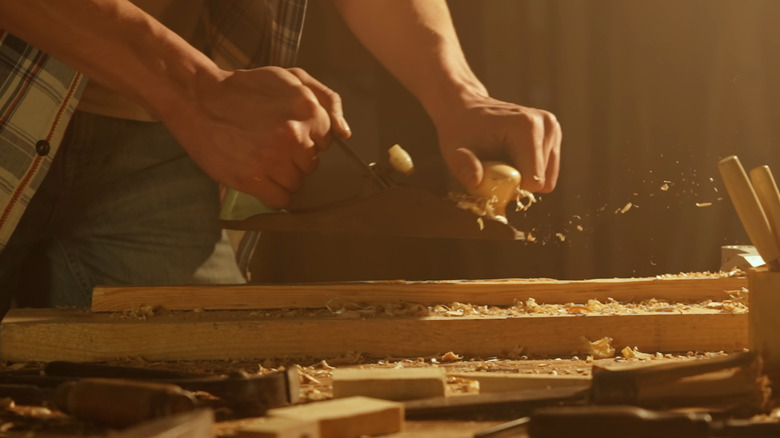
Hand planes, chisels, spokeshaves, and other premium woodworking tools are, in my opinion, some of the best finds at thrift stores and garage sales, especially if they still have plenty of metal left to sharpen. A secondhand set of chisels from an old, reputable brand can dramatically improve the quality and precision of your carpentry projects for a fraction of the cost of similar-quality new tools. Go for brands like Stanley or Record that are known for their durable castings and high-end steel that can hold a fine edge. I inherited a lot of tools from my grandfather that have just the right amount of heft and fit my hand perfectly. I adore my grandfather's old Stanley bench plane. It's decades old, but it still works perfectly, and I'm pretty sure it'd outperform any of the newer budget models you could throw at me. To get a comparable new tool, you'd pay anywhere from $100 up. Some new pro-grade Stanley planes cost over $200. There's also a real collector's market for vintage and antique woodworking tools, and older models can fetch high prices.
When you spot any of these tools while thrifting, ignore dirt, light rust, and grime. Make sure the bodies, blades, and shafts are straight, with no splits, cracks, or deep pitting. Adjustment hardware needs to move freely, and frogs should be tight. In an ideal world, you want handles and knobs to be in good condition; however, on older tools, these are mostly repairable or replaceable. Don't pick up tools with chips right at the cutting edge, and, unless it's a tool with a replaceable blade, don't pay for it if the blade has been ground down to a stub.
Husqvarna chainsaws and outdoor power tools
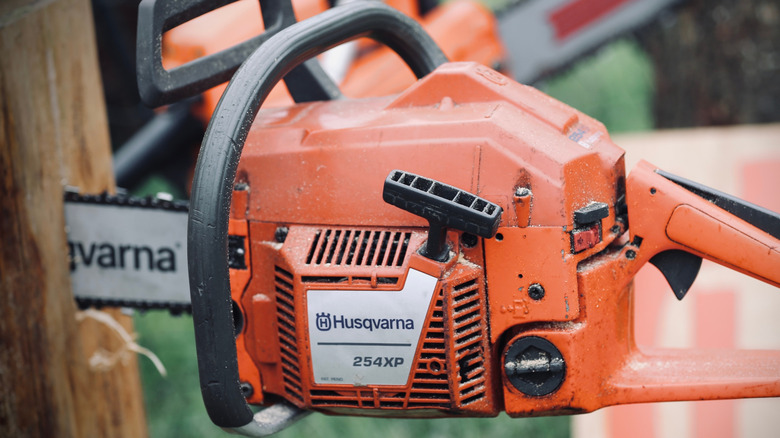
A premium-grade Husqvarna chainsaw can set you back well over $1,000, so if you can thrift one that's still got plenty of life left in it, it's a no-brainer. This brand is prized for its quality and durability and strong focus on ergonomics and usability. If you're lucky, you may also come across a model that's still covered by parts and dealer service, so if it needs refurbishment, it won't cost you that much. A serial number and a quick call to Husqvarna will tell you if it's covered. And honestly, even if you do have to pay for a service, it's still far less costly than a brand new tool.
When shopping, check that the crankcases, guide bar mounts, and the main body is sound, with no obvious cracks, splits, or evidence of repair. Ideally, the tool should turn over and start freely. With a seized chainsaw, for instance, you don't really know what the problem is, so you could be buying a dud. Make sure it's still got all its safety features, like chain brakes and guards, and avoid buying anything that's extremely old or obscure, as it can be tough to source parts.
High-quality vintage hand saws and hacksaws
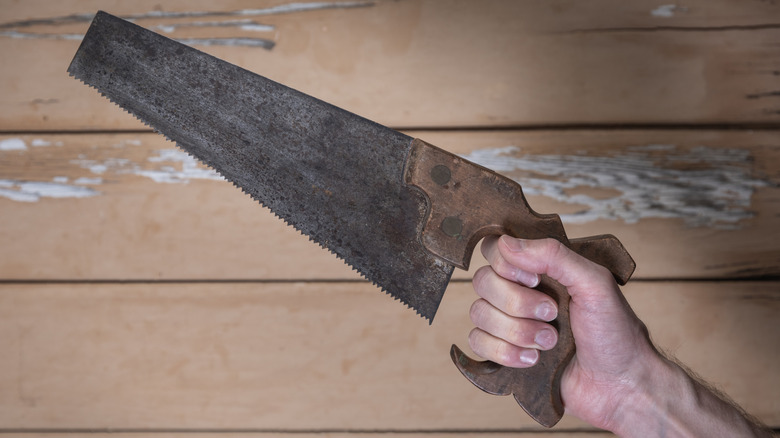
Older hand saws and hacksaws can definitely be worth buying, especially from brands like Disston. Smooth wooden handles that have been well-maintained feel great in the hand, even for long projects. These tools often look pretty rough at first glance, though. But you can safely ignore light rust and dull teeth, as these are fixable issues. But make sure the plate is straight and not deeply pitted, and that the teeth still have enough "meat" on them to allow sharpening.
Oh all the types of saws, hacksaws are something I always look out for, especially vintage or antique models. Firstly, because there's a good collector's market. Secondly, as long as the frame is straight and solid and the tensioning hardware is present and moves well, it makes much more sense to drop a few dollars on a premium-quality vintage tool than it does to pay more for a cheap budget model. After all, whether you buy new or used, you have to replace the blades periodically.
Heavy bench vises and clamps
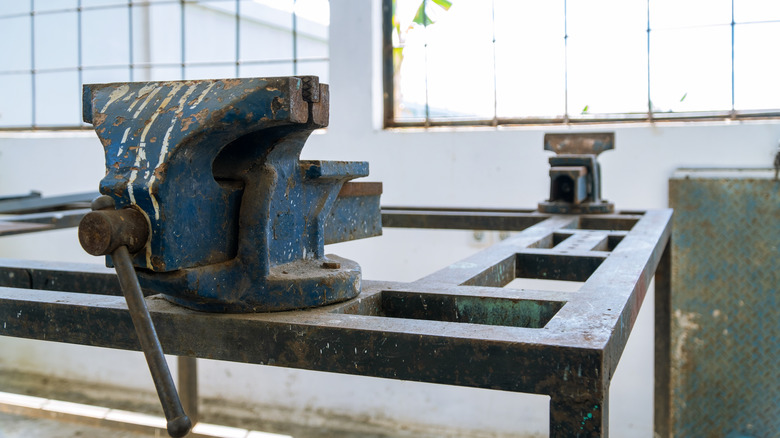
A big, heavy bench vise can easily last several lifetimes. But they can be costly. A Wilton heavy-duty Tradesman bench vise can cost close to $800, for example. So if you can thrift one for under $100, it's definitely worth a closer look. As long as all the parts are intact and there's no excessive pitting, age doesn't matter. Big, heavy-duty beasts from premium American brands like Wilton, Yost, or Conquest are solid workhorses that were built for decades of hard use.
These workshop behemoths will often look rough, but mostly just need degreasing and a good cleanup with a wire brush. Some may also need new jaw inserts. But these are all easy fixes. Test the screw action for smoothness and make sure the jaws close parallel. If it's a model with a swivel base, make sure it still rotates and locks. And, don't forget to check that the mounting on the ears or feet works so it can be bolted to a workbench. I'd pass up anything that has missing components that aren't easy to replace.
Toolboxes and organizers for long-term storage
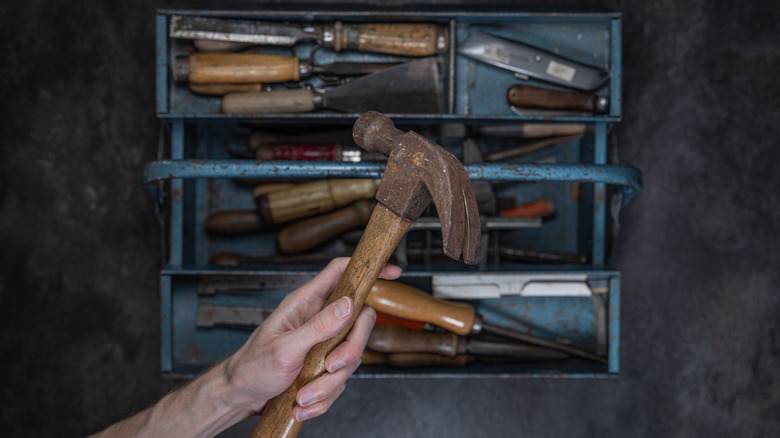
Sturdy toolboxes are always useful, whether that's a full-size model on casters, a smaller cantilever case, or a small-parts organizer. These are more products that tend to be pricey new, but you can usually find super-cheap ones when thrifting. Again, don't worry too much about a few dents, some stray paint splotches, light rust patches, and other cosmetic issues. They don't affect the function of the toolbox, so don't be put off from taking a closer look just because one looks a little beat up. You might even be lucky enough to find a loaded toolbox.
Open every drawer, lid, and compartment. Make sure the hinges move freely and that nothing is seized. Frames should be straight and latches should close securely. Weigh drawers down a little and check they slide in and out smoothly, without sticking or binding. You don't want to see excessive rust inside, missing drawer slides, or missing handles.