

12 Mistakes Everyone Makes When Buying A Rental Property

While a potential rental property could look good in person and perhaps even on paper, it's critical to evaluate the home's potential as an income source. So it's important to avoid some key mistakes when buying a rental property. For example, if you buy a beautiful home in a thriving location, but can't afford to charge competitive rental rates, then it may stay vacant for extended periods. In turn, you may lose money, possibly even the investment property, which could affect your financial future.
To learn more about a home you're interested in, use widely available government and financial resources. Investigate key details about the area, including the local job market and popular amenities that draw qualified applicants. Knowing and addressing the risks associated with the property are also critical. Even a rental home's benefits, like associated tax deductions, may help give you a clearer picture of whether a rental property is a good fit for you. While you cannot guarantee a rental property will be a good investment, you can set yourself up for success with thorough research and careful planning.
Failing to research common disaster risks in the area
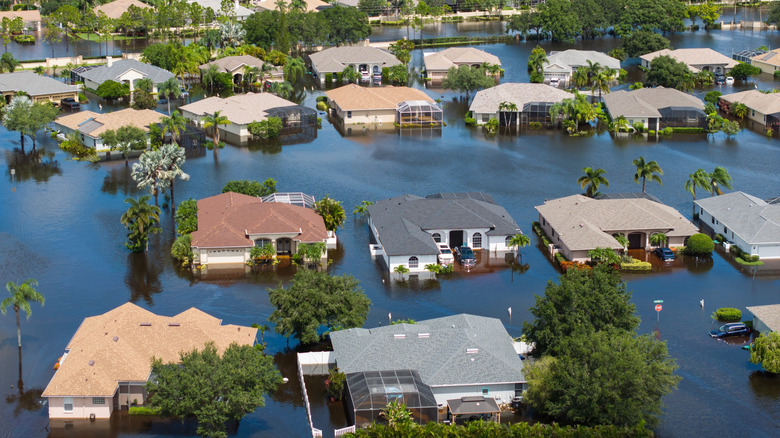
No matter where you plan to buy your rental property, all regions in the U.S. pose some level of risk. That's why failing to research common disaster risks in the area before buying a rental property may be a huge mistake. Your new home could be struck by a catastrophic event, such as inland flooding or a wildfire, during the first high-risk season. There are many ways that a flood can damage your home. Even if you have the proper insurance to cover the damage, you'll still have to pay for deductibles and any repairs that exceed your coverage. Fixing your house can still be costly and prevent you from renting it while it's under construction.
Before buying your rental, use government resources, such as the National Risk Index available on the Federal Emergency Management Agency (FEMA) website. When considering events that may affect your potential property, don't stop at the basics, such as flooding and tornadoes. Also, weigh other factors that could cause premature wear and tear or costly insurance claims, such as heavy winds, thunderstorms, and intense heat. The website also provides users with additional considerations, including the expected annual losses associated with various risks.
Not getting an insurance quote with the right coverages before buying the property
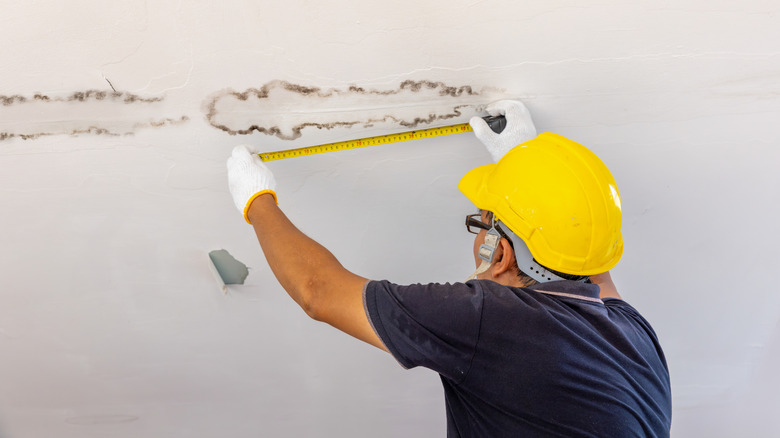
If a rental property is subject to potential events that could cost you your entire livelihood, you should be aware of that risk before committing to it. Getting an insurance quote with the right coverage before buying the property can help ensure your home is protected from natural disasters. It may also give you a better picture of the rental property's viability. For example, flood insurance is rarely included in a standard home policy. If you learn that your potential rental property is located on a high-risk floodplain, it's vital to ensure that it qualifies for coverage. Otherwise, if the property floods from any event not explicitly listed in your policy, you will be required to pay for repairs out of pocket. For many, that's not worth the gamble. Plus, it's a good idea to get quotes for any additional policies that you may need. That way, you can factor it in when you calculate the potential expenses.
Another essential consideration is the type of insurance policy you need. Because you plan to rent it out, a standard homeowners insurance policy may not fully protect you or your assets. Instead, you must have an insurance policy for landlords, which might be more expensive than a standard home policy. Only after you learn the costs of protecting your potential rental house will you be able to determine if it's even a worthy investment.
Forgetting to budget for maintenance costs
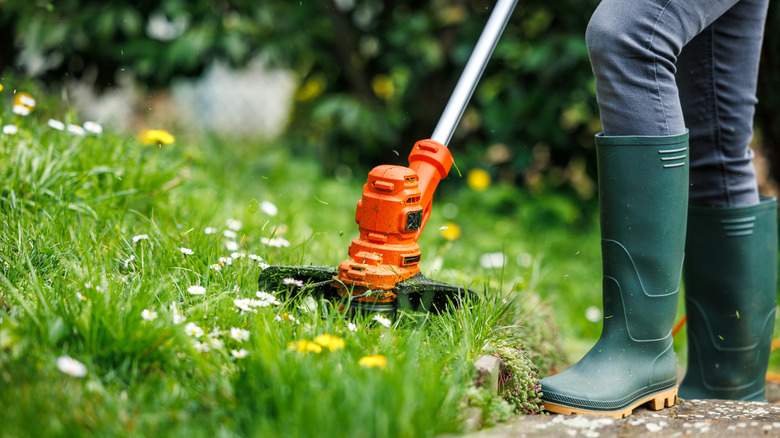
Maintenance is often considered a hidden cost of owning a home. When buying a rental property, forgetting to budget for maintenance expenses could put you in financial trouble down the line. So, consider both the rental's fixed and variable expenses. Fixed costs are regular, recurring expenses such as lawn care, pest control, and waste management. Variable costs are expenses that do not occur monthly. Examples include appliance or plumbing repairs, and seasonal tasks like paying someone to clean the home's gutters.
In general, property management experts commonly suggest three strategies while you're in the buying and planning process. The 1% rule suggests setting aside 1% of the home's purchasing price for annual maintenance. So, if you're buying a $250,000 home, set aside about $2,500 for yearly maintenance. The 50% rule suggests setting aside half of your monthly rental income for annual maintenance. If the rent is $2,500, that would be about $1,250 each year. The last strategy uses the home's size to calculate the annual maintenance budget and sets aside $1 per square foot.
Foregoing a rental property code inspection before buying the house
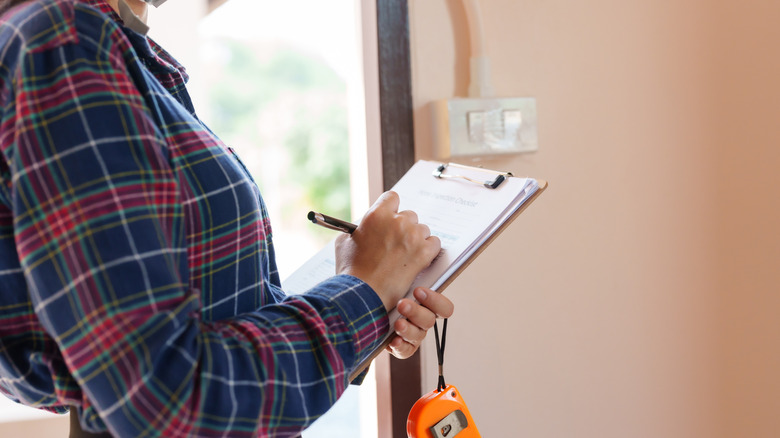
A home may pass a private inspection with flying colors. However, that doesn't mean it will pass the required federal, state, and local licensing and code inspections. Getting a rental property inspection before buying a house may help ensure it passes government-mandated requirements without requiring expensive upgrades. While many code violations are easy to fix, some aren't. Therefore, it can be very beneficial to know what you're committing to before buying a property.
You may be able to go to the local municipality and ask for an inspection, specifying that you would like to turn a private property into a rental. If your local government doesn't offer the service, hire a certified home inspector. Before hiring anyone, ensure they specialize in the area's rental licensing and code requirements. After the inspection is complete, they will provide you with a detailed report of any code violations and repairs that will need to be made. This ensures that the property is up to par. And it will also give you a list of what needs to be fixed so you can decide if the investment is worth it.
Not learning your state's landlord-tenant laws
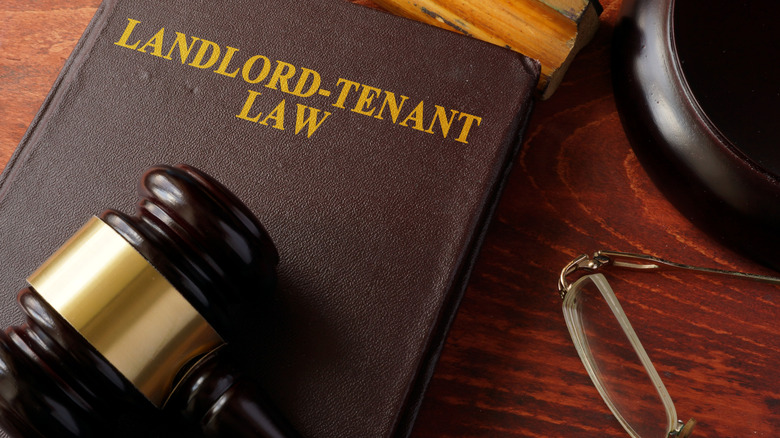
Failing to learn your state's landlord-tenant laws could cost you more time and money than you are willing to invest. Committing to a rental property is a significant investment for many. If you can't comply with local regulations, then you may want to reconsider the purchase. Violating these laws may result in costly legal fees.
Search your local government websites, such as your state's Department of Housing or Bar Association, to locate applicable landlord-tenant laws. Pay careful attention to requisite timelines and deadlines. For example, you may have 24 hours to provide water, heat, or electricity to your tenants in the event of an unexpected outage. With plumbing issues, you may have up to 72 hours to address the problem. If you're a busy person without the ability to meet those requisites, you may want to consider waiting until you can.
Failing to set a competitive rental price
If you price your rental too low, then you may not make a profit. Price it too high, and then you might not fill it. So, set a competitive rental price for your property by using online tools to calculate a range. There are several common strategies, such as using the 1% rule, evaluating local rental trends, and researching the prices of similar rentals in your area.
Start by looking up the home's value online using a real estate website like Redfin. Once the value is determined, use the 1% rule as a general guideline to set your rental's monthly price. It's also important to consider the local market and its typical rate fluctuations. You can use a real estate website like Zillow's Rental Market Trends for details specific to your property's area. Type your ZIP code into the search feature to learn how many rentals are available on the local market, how much they cost, when prices fluctuate, and the average rental price.
You can also use a real estate comparison website like Trulia to research comparable rental homes in your area with similar features, such as the square footage and the number of bedrooms. Pay careful attention to the age and condition of the home. Those factors can significantly impact your rate as well.
Not investing in a thriving area
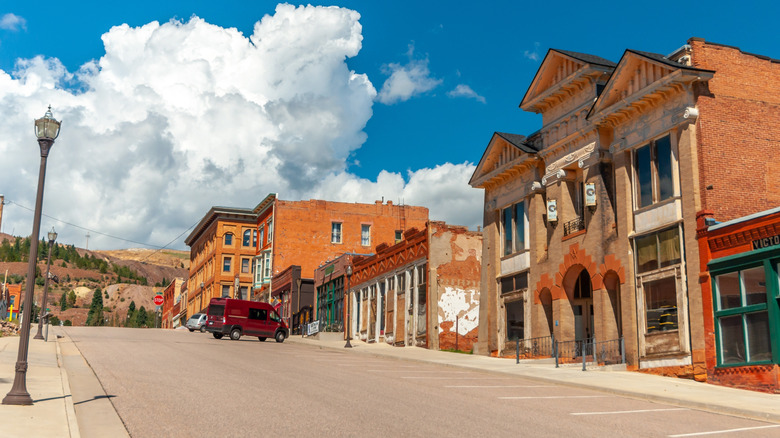
No one can guarantee the housing market in the area you invest in will remain stable over time. Towns and cities naturally evolve. However, you may set yourself up to win by buying in a thriving area, one of the most important tips for investing in rental properties. With a little due diligence, such as researching the local job market and monitoring the housing prices, you may help ensure the area is growing. It may also be helpful to review the local population statistics. Otherwise, you could risk investing in a home with habitual vacancies or underqualified applicants.
The U.S. Census Bureau's database provides local unemployment rates, the percentage of residents with a four-year degree or higher, and the number of residents with health care. It also provides valuable information on average income and total population. You can also get a good idea of the quality of education in the area from sites like GreatSchools.org. The Federal Housing Finance Agency House Price Index (FHFA HPI) tool can give you an idea of whether housing prices are steadily increasing over time, which is an excellent indicator of a thriving area.
Failing to pull the rental property's loss history report

Your real estate agent may provide valuable information about prior damage to your potential rental property. However, they may not even be aware of the home's full insurance claim history. Pulling the property's loss history report helps deliver several years of detailed insurance claim data. That way, you may get a clearer picture of the home's prior damages.
Identifying your potential rental property's past losses may help you predict and avoid future events. For example, a history of frequent flood-related claims can be a strong indicator of future events. Flooding can be dangerous to your tenants, difficult to financially recover from, and costly to insure. Moreover, there are many ways a flood can damage your home for the life of the property. To find a property's loss history report, visit the Consumer Financial Protection Bureau website. The LexisNexis Comprehensive Loss Underwriting Exchange (C.L.U.E.) delivers up to seven years of home insurance and personal property claims.
Opting for a rental property you can't afford
Buying a rental property that you can't afford may put your financial future at risk. If you plan to finance the house, mortgage lenders typically require a 20% to 30% down payment plus closing costs for investment properties. This is higher than what is often needed for private residences, because it's a riskier loan. You should also factor in a lump sum of 5% to 10% of the yearly rent to cover vacancies out of pocket. Those are just the initial costs.
Tally your total monthly expenses, which include taxes, marketing, maintenance, mortgage, and insurance. You may even need to hire a property management company to collect rent and handle the leasing process for you. Next, consider your potential rental income and current financial situation. Take the rental's potential monthly income and then subtract its estimated monthly costs to help you decide if you can afford the property with vacancies, maintenance emergencies, and other unexpected expenses considered.
Overlooking the tax benefits

While your rental income is taxable, it would be a mistake to overlook other tax benefits of owning a rental property. Rental-related expenses, including mortgage interest, upkeep costs, and property taxes, may also be deductible. That means you may be able to minimize the impact of regular expenses, such as maintenance and management costs, and optimize your profits.
While the majority of your tax benefits kick in after you purchase the property, you can also begin to accumulate deductions during the buying process. Some of those deductible purchases may be legal fees, insurance, and supplies. You may even want to open a dedicated bank account before buying the rental property. Using a separate account for all of your rental-related income and expenses can help you track your tax-related details. The earlier you get organized with a detailed financial log and recordkeeping process, the easier it will be for you to reap optimal tax benefits from your investment.
Forgetting to research the area's amenities

Amenities can help your new tenants plant roots and build a community. That's why many prospective renters look for them when shopping for a home. Some residents prefer access to conveniences that reduce commute times, such as shuttles and buses. Many also want a home in a location near amenities like shopping, parks, and dining. While the area may not need a local community theatre, a movie theater can add value to renters' lives. Nearby services, such as rec centers, libraries, and post offices, are also important features to look for when buying a rental property.
To help ensure your future tenants will have easy access to your town's amenities, visit the state's Department of Transportation website. There, you can learn more about nearby bus stops, trains, and shuttle services. Also consider the area's walkability scores for convenient access to shopping, dining, and green spaces. Buying a rental property in an area with many amenities may help you keep it occupied regularly.
Neglecting to evaluate the rental property's features
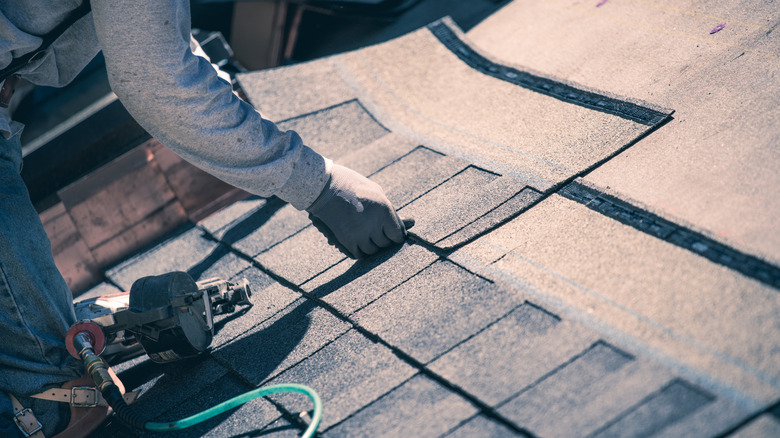
When determining the perfect rental property's features, your mind may immediately land on the number of bedrooms, bathrooms, and the age of the home. However, you should also be aware of elements that will impact the home's long-term costs. For example, if a property is made from materials that break down faster than others, you may face unexpected and expensive repairs down the line.
When you're interested in a property, research the lifespan of its building materials to help ensure the rental you purchase is built to last. For example, aluminum siding typically lasts about 25 to 40 years, whereas stucco siding lasts around 50 years, and stone can last about 100 years. Because home siding is costly to replace, those materials can significantly affect your bottom line. The same is true with your roofing materials. Asphalt shingles last about 20 years, whereas slate and concrete may last up to 100 years or more.