

The Best Advice On When You Should & Shouldn't Leave Outdoor Lights On
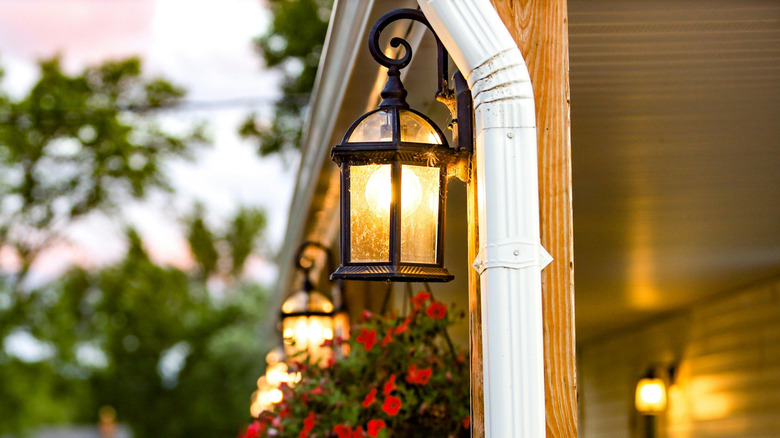
Outdoor lighting at home is crucial for nighttime visibility, safety, and boosting curb appeal, but you don't want to leave your lights on all the time. Most of the time, you only want to leave your outdoor lights on when you have motion sensor lights or when you need visibility, like when guests are coming over, you're expecting a delivery, or you're spending time outside. Otherwise, you'll want to consider shutting them off to save energy, avoid disturbing the neighbors, prevent shadows, or avoid highlighting certain areas of your home. That's why having a strategy behind when the outdoor lights should be on or off can make a difference.
You want your outdoor lighting to elevate your space, but even more than that, it should serve a purpose that works for your lifestyle. It involves understanding when darkness is the better option over leaving the light on. From deterring intruders to illuminating pathways for guests and saving energy, knowing the times when you should and shouldn't leave outdoor lights on could do you a lot of good.
When you should leave your outdoor lights on
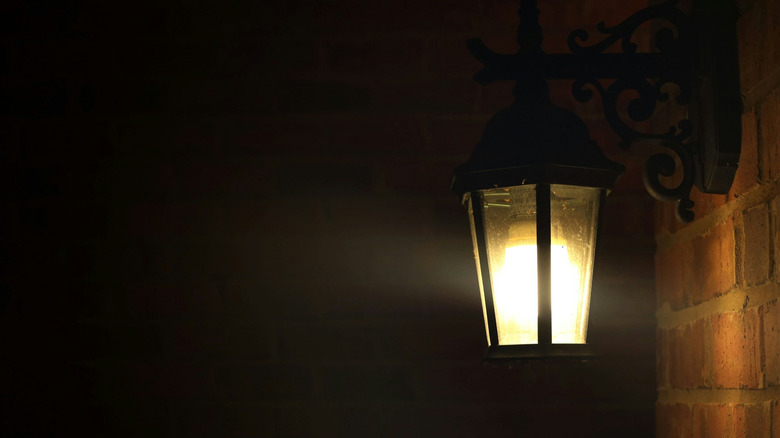
When used intentionally, your outdoor lighting works best in specific situations rather than being left on all the time. Motion-activated lights are often recommended because they provide a smart balance for when the area is illuminated. This means the areas around your home aren't lit up when you don't need them to be, and the sudden illumination from sensed movement can deter unwanted activity. Alternatives to motion-sensing lights include lights with timers, which let you preset when they come on and turn off, and smart bulbs, which you can control remotely or by voice.
If you don't have motion lights or the alternative options, you'll want to be strategic about your outdoor lighting. Leave your outdoor lights on if you're expecting guests, having something delivered, spending time outside, or leaving for a short time but planning to be back after dark. Keep your porch and pathways lit so the house number is visible, to prevent tripping on uneven walkways or steps, and to make it easier to unlock the door when you get home. You may even consider adding DIY outdoor step lights to your yard to enhance safety on stairs. In some cases, you'll also want to leave the lights on if you have outdoor cameras that require lighting for clarity and facial recognition.
When you should turn your outdoor lights off
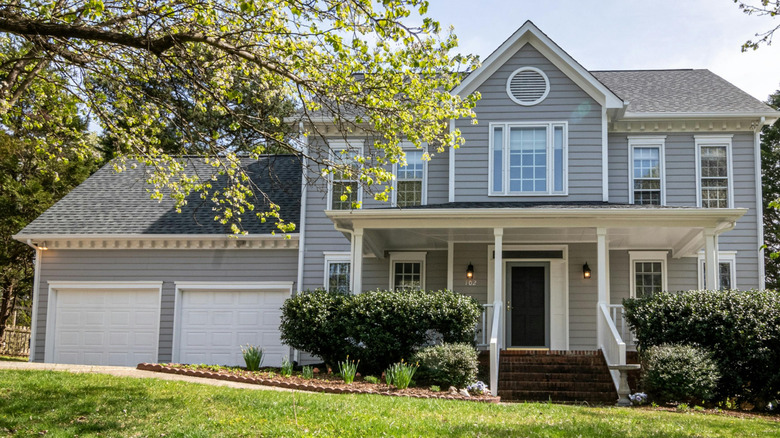
Unless you have motion-detection lights, it's not a good idea to leave them on overnight or when you're going on vacation. Leaving them on can actually help potential intruders learn your routine and make entrances stand out. It's best to turn them off once you're no longer expecting anyone and don't plan on leaving your home.
Additionally, when outdoor lighting creates dark corners, often due to shadows around doorways, landscaping, or walkways, it's best not to leave them on. These darker areas provide potential intruders with places to hide. If you want to eliminate dark corners, choose the right size outdoor light and consider the best placement to prevent shadows.
Household efficiency and consideration for neighbors are important to think about, as well. Leaving outdoor lights on for long periods of time can increase energy costs and create unnecessary light pollution. Consider solar lighting to save energy, so you have light whenever you want without affecting your bill. Also consider using LED bulbs to save money over using other types.