

How To Container Garden Indoors In The Winter
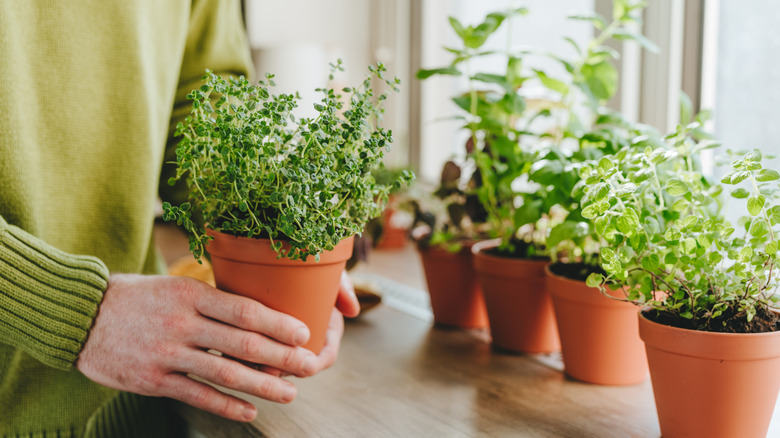
Once the fall harvest is in, it seems like there's little for us gardeners to do but peruse seed catalogs and make plans for spring. But if you want to keep growing food throughout the winter, there's no reason to stop. An indoor container garden can give you the means of cultivating more fresh food within the cozy walls of your home. Choose the right types of easy-to-grow vegetables, provide bright sun, and use the right type of soil for a successful project this winter.
There are numerous benefits to growing container gardens year-round. Cultivating plants in pots and planters provides us the flexibility to move them around, allows us to use different soil types than that in the ground, and permits us to move food crops indoors or outdoors as needed. If you start growing food inside your home during winter with this method, providing the right conditions and selecting the best vegetable and herb crops, not only will you have a source of local food during the cold months, you can also move the containers outdoors when the weather warms back up.
Light and soil are key for winter gardening indoors

The biggest limitation to growing any plant indoors is light. Most garden veggies require full sun so not all homes have enough luminosity to produce crops. Those with sunrooms are exceptions, as are dwellings with large windows or sliding glass doors oriented to the south. In winter the sun is at a lower angle, so you may actually have more direct sun entering your home during the cold months than during the rest of the year, depending where you live. In addition to relying on windows for container gardens, another option is to use grow lights – or you may want to use a combination of the two. Indoors, food producing plants will need 12 to 16 hours of exposure if you're relying on artificial lighting.
In addition to light, the other two factors that are super important to be aware of when growing food in containers at any time of the year are soil and drainage. Although it may seem like a cost-effective choice, don't use soil from the ground to grow your container garden in your home, or you might end up with disease issues or pest problems. Instead, use well-draining potting soil to fill your pots and planters. Speaking of pots and planters, did you check them to make sure they have holes in the bottoms? To prevent your plants' roots from rotting, those holes are essential. You'll also want to put saucers under the pots to prevent water damage to your home. Just make sure to empty the saucers after watering.
What to sow and plant for an indoor container garden
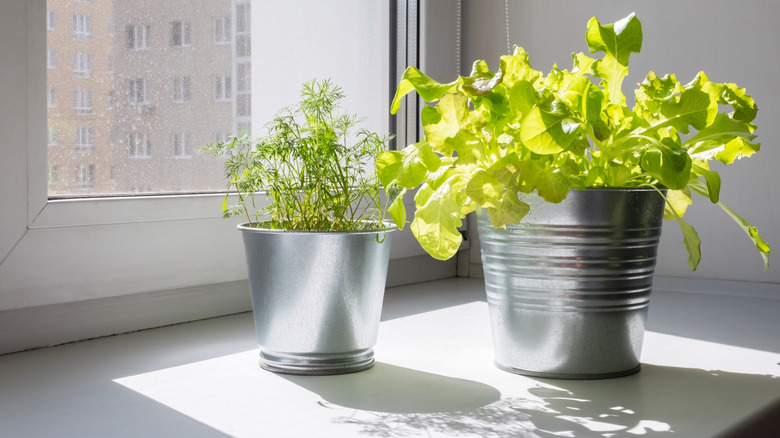
There are many garden vegetables that grow beautifully indoors throughout the winter – and you can sow them from seed, so you won't have to worry about buying transplants. Cool season greens like lettuce and arugula grow well inside the home. So do garden peas. If you're thinking of cultivating warm season crops like tomatoes, peppers, cucumbers, and beans in your home, you can plant them, too, but choose compact varieties for the best results.
For extra flavor for your winter meals, you might consider adding herbs to your indoor container garden. There are a wide range of aromatic plants you can grow inside during the cold months, including annuals like basil and cilantro, and perennials like chives, oregano, mint, sage, and thyme. All of these can be started from seed, or you can check at plant nurseries for seedlings. Once you have your garden planted, water the veggies thoroughly when the soil is dry to the touch. For herbs, water as recommended for each type.