

Remove Butter Stains Using These 8 Household Staples

We have all had the unfortunate experience of spilling grease on ourselves at some point or another, whether it's from bike gears or melted butter. While grease stains may seem like some of the toughest types to remove from your clothes, linens, or upholstered furniture, there are a few DIY tricks you can try before taking your item to the professionals at your local dry cleaners. These marks, while stubborn, can disappear as long as you treat the stains quickly and with the right ingredients, most of which can be found right in your kitchen or pantry. You'll either need to grab a dry powder, such as baking soda, cornstarch, or baby powder, to soak up the grease, or a detergent that specifically tackles tough grease stains before they set into your fabric. Vinegar and ammonia are also helpful options.
Butter makes such a seemingly permanent mark on fabric thanks to its water-insolubility, making it difficult to dissolve in water and detach from the fabric. Depending on the severity of the stain you're dealing with, you may need to try a few tactics before you find the one that works best. That could mean starting with a powder to soak up the excess butter and then scrubbing in a soapy detergent to finish it off. If you're dealing with a large amount, always scrape off the extra product using a butter knife first before adding in any type of cleaner. It's also typically recommended to pre-treat the stain with a strong degreaser first, letting it sit for a few minutes before tossing it in the washing machine. Do not put your item into the dryer until the stain is completely gone, as adding heat to the mix will most likely set the stain permanently.
Baking soda
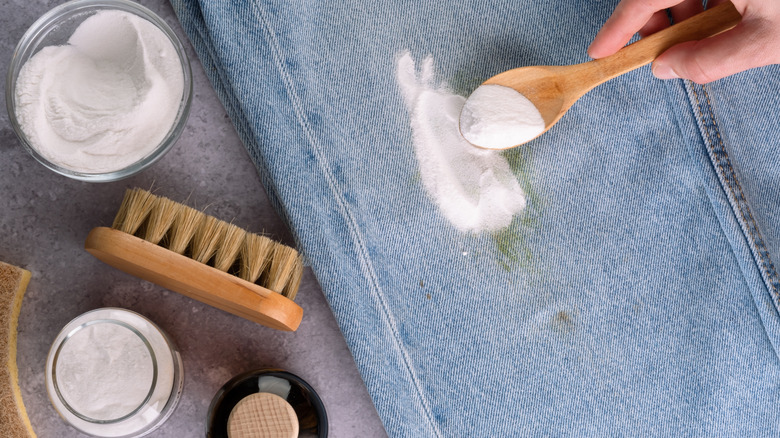
The tried-and-true household wonder product, baking soda, is a go-to when it comes to removing pesky butter stains from fabric. Thanks to its absorbent properties, the baking soda can help soak up the excess oils and make it easier to fully remove the stain. Add a few sprinkles of the powder to the affected area and allow it to sit for a few hours, if not overnight, and ideally until the baking powder turns brown. Then you can easily scrape it off and toss the item into the washing machine.
Dish soap
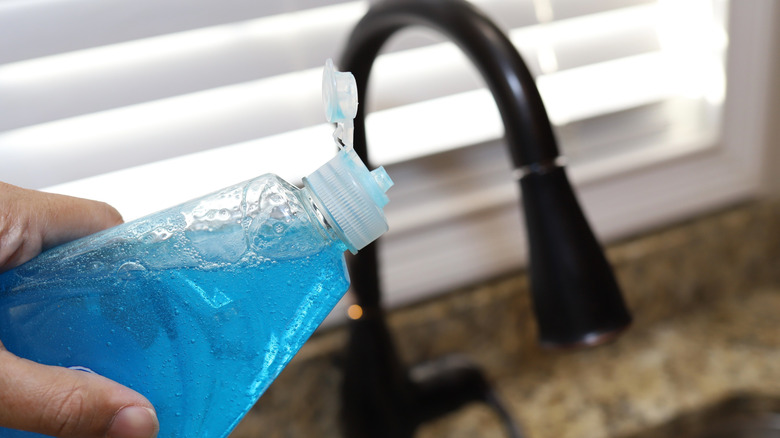
If you're dealing with a buttery stain that has soaked into the fabric, you may want to pretreat the area to remove the stubborn grease stain before tossing it into the washing machine. After first blotting the stain with a paper towel to soak up as much oil as possible, grab your go-to dish soap and add a few drops to the stain. Using your finger or a soft brush, gently rub the soap into the fabric and allow it to sit for about five to ten minutes before rinsing off with warm water.
Cornstarch
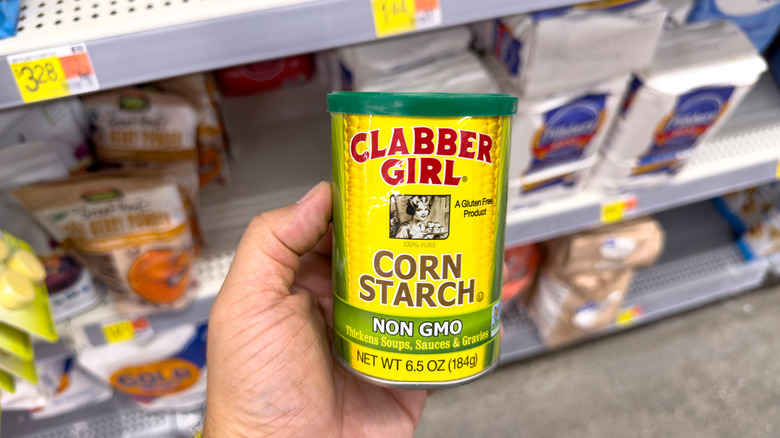
Similar to the baking soda trick, cornstarch can also work wonders in removing any accidental butter spills on your clothing, linens, or furniture. Once you've scraped off any excess butter with a butter knife, you can sprinkle a large amount of the absorbent powder onto the stain to fully soak up the oils. Using your hand or an old toothbrush, you can gently rub the starch into the stain. Allow it to sit until the powder has turned brown, scrape it off, and reapply. After a few tries, the stain should be gone.
Ammonia
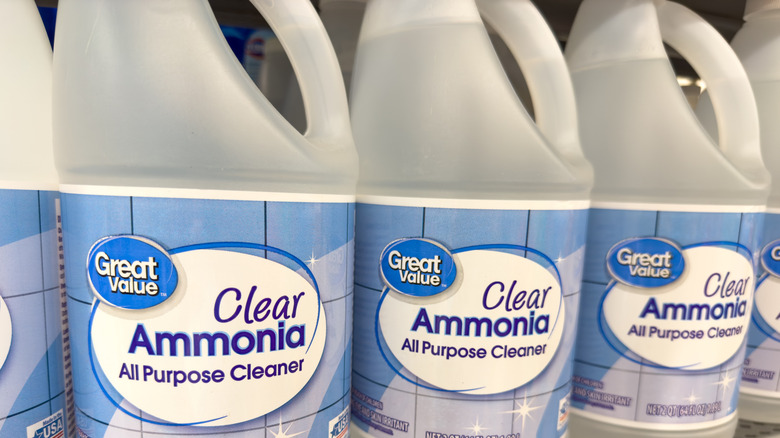
Most glass, oven, and multi-purpose cleaners have ammonia as an ingredient because it works to cut through grease. You can also purchase it separately in stores, but remember to dilute it before using. Mix a half cup of water with one tablespoon of ammonia and add to an empty spray bottle. To create an even more powerful combo, pretreat the stain with your favorite grease-cutting dish soap. Add the dish soap first to the dry fabric, and then add the ammonia in place of warm water. (Note: you should avoid the dangerous mistake of mixing ammonia with bleach.)
Baby powder
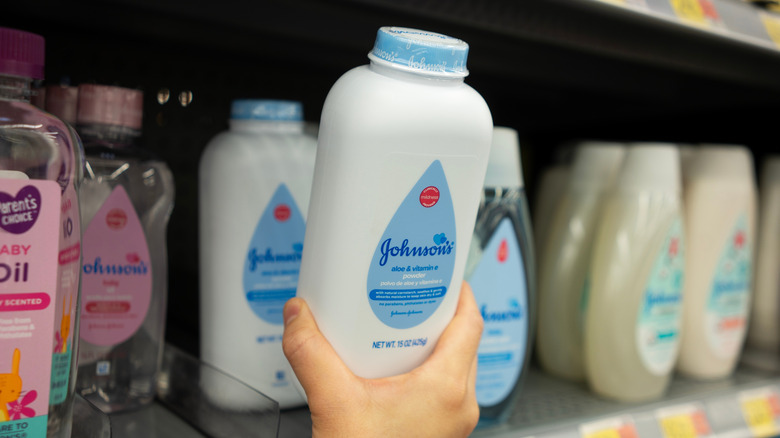
No cornstarch or baking soda on hand? No problem. Grab that bottle of baby powder from your bathroom and pour a small amount onto the area to easily remove buttery, greasy stains from your clothes or fabric furniture. Rub the powder into the stain using your fingers or an old toothbrush and then remove, repeating the process until the stain is gone. To strengthen this method, you can add a few drops of dish soap to the mix.
Vinegar
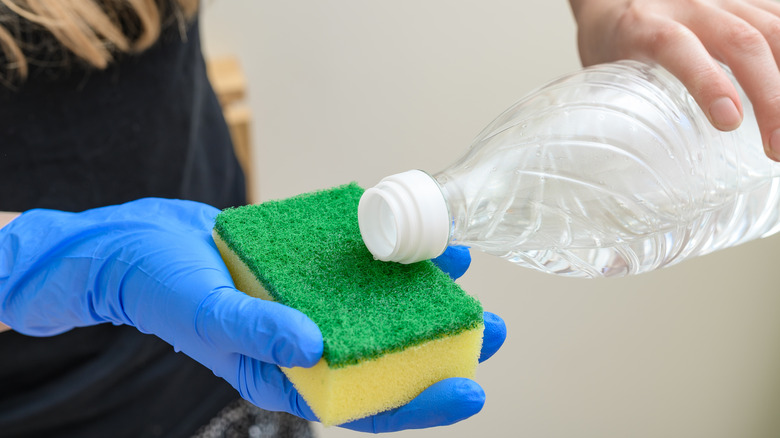
You can also use vinegar as a way to fight the buttery stains on your clothes or furniture. Combine two parts water with one part vinegar, and either soak the fabric in a container of the mixture or apply the solution via a spray bottle and let it sit. Don't forget to rinse out the vinegar to reduce the risk of a remaining smell. If you do choose to use vinegar as your main choice of stain remover, it's not recommended to use it with detergents, cleaners, or soaps. This is because vinegar can decrease their alkalinity.
Talcum powder
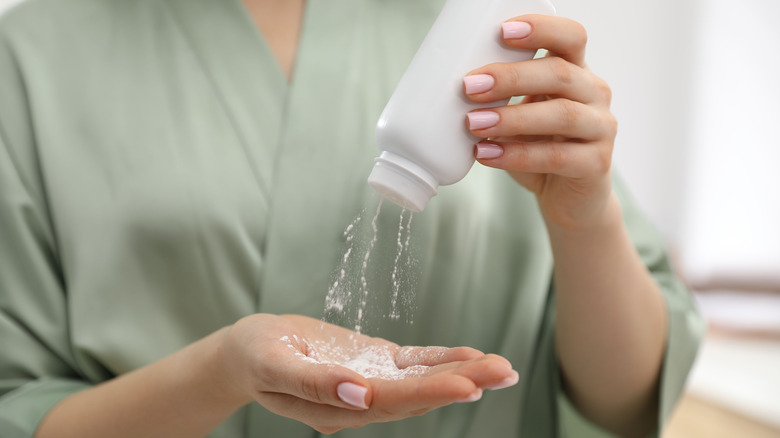
When you've run out of baking soda or don't have any baby powder on hand, you can always grab a bottle of talcum powder to start treating a stubborn butter stain. Once you've removed any excess butter, add a generous amount of talc powder to the area to help absorb the oils. Allow the powder to sit for about 30 minutes before wiping it off gently with a cloth or brush. If the stain is still visible, add a few drops of dish soap to the area and toss it in your washing machine.
Enzyme-based stain remover

If pantry supplies like baking soda and vinegar aren't working to remove the stain, then it may be time to turn to a grease-fighting product, specifically, an enzyme-based stain remover. These types of products contain lipase that helps to break down oils and fats. Apply this as a pre-treatment to the affected area and let it sit on the fabric for about five minutes before adding it to a warm cycle in your washing machine (if your type of fabric can handle warm water).