

The Fragrant Fruit Tree That Will Attract Pollinators To Your Yard In Spring
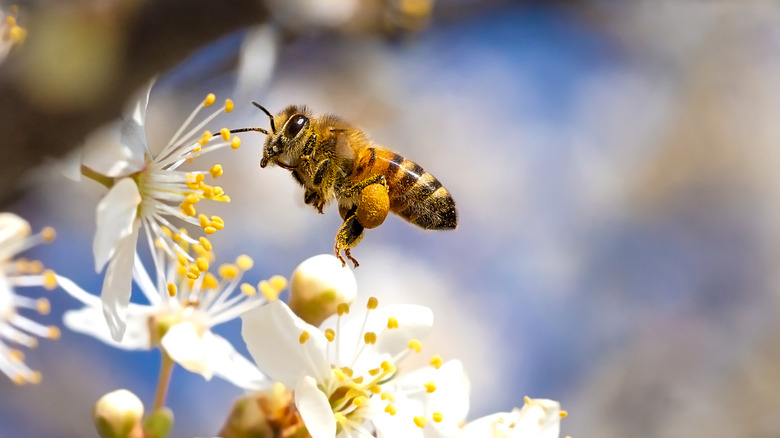
When trying to figure out the best plants for your pollinator garden, most gardeners think about flowers. Milkweed, goldenrods, coneflowers — they're all vibrant flowering plants that also act like a big welcome sign for bees, butterflies, birds, and other pollinators that will help your garden thrive. But trees can play an even bigger role, especially in spring. Part of the reason is supply, as one tree may produce thousands of blooms that attract flying little friends. Trees also often bloom earlier than other flowering plants, providing both food and shelter during a time where these resources are scarce.
There's one tree in particular that's underrated when it comes to helping pollinate your garden — Prunus armeniaca, or the apricot tree. It checks all the boxes that you want to see in a pollinator tree, both for the gardener and for the bees. It's one of the earliest trees to bloom, letting pollinators know they've got a place to go even while temps are still chilly.
Apricot trees are also typically more compact than apple or citrus trees, making them a good option if you're looking for small backyard landscaping ideas. Some can start producing fruit as early as two years into growth, making it a fast-growing tree that will make your yard a pollinator haven. And we can't leave out the obvious — fresh apricots are super tasty, as long as you can snag a few before pollinators and other wildlife stake their claim, of course.
Using apricot trees to help pollinate your garden
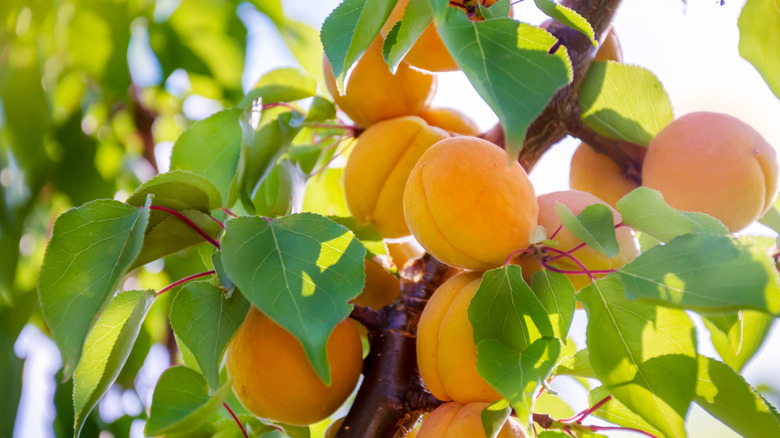
Another big benefit to apricot trees is that it can survive in a pretty wide range of grow areas. The trees will thrive in UDSA Hardiness Zones 4 through 9, with some varieties available that will do well in zone 10. They're also relatively tough, as they're fairly tolerant against drought and only need a small amount of water and a good amount of sunlight to thrive.
While apricot trees' early blooms are a pro for many pollinators that are searching for food and shelter during the colder months, they can also be to their detriment in certain climates. Because apricot trees can flower as early as February or even before, they may face some of those late hard frosts. Since these can be detrimental to buds, it's a good idea to cover or spray your tree if you know a chilly front is on the way.
Once your apricot tree is thriving, it can produce a solid supply of flowers and fruit — yet another reason it's great for pollinators. But this characteristic can also make the tree susceptible to disease and rot. Regular pruning and thinning of the trees can help maintain healthy growth and prevent disease taking over. With the right care for your tree, you'll be supporting local wildlife while also getting some delicious fruit to enjoy as your reward.