

HVAC Expert Heating Tips For Winter To Help You Stay Warm
We may receive a commission on purchases made from links.
If your heating bills are through the roof and you keep nervously eyeing the thermostat, wondering how you'll keep your home warm this winter, you're not alone. Many of us are asking whether we should crank up the heat, wear a couple more layers, or invest in a fancy new HVAC system. It can feel like a guessing game, and truthfully, there's no one-size-fits-all answer. Fortunately, there are smart and practical steps anyone can take to keep their home comfortable all season long. House Digest talked to three HVAC experts who spend every day solving winter heating challenges. From maintenance tasks to scheduling annual checkups, they've given us a blueprint that will keep you safe and warm without leaving you sweating over your utility bills.
During his exclusive interview with House Digest, Matt Gorbacz, owner of Clean Air Technologies, said there's one task you should tackle as soon as possible. "The first thing I suggest is that you change your air filter regularly. Homeowners tend to forget about it, but air filter replacement makes a lot of difference." Gorbacz attributed this to blocked airflow that makes your HVAC system work harder, resulting in higher utility bills each month and costly repairs over time.
While you're changing your air filters, the HVAC expert also recommended tackling another simple and cost-effective task. "People accidentally block their vents, and they don't even realize," he explained. Take a quick walk around your house to make sure you don't have furniture or rugs directly in front of your returns. According to Gorbacz, the goal is to "make sure the vents are clear and the air is circulating evenly."
Seal cracks and get your HVAC unit serviced before winter arrives
Richie Drew, licensed HVAC technician and vice president of operations for One Hour Heating & Air Conditioning, agreed that changing air filters to maintain strong airflow and ensuring warm air is circulating freely are important starting points. During his exclusive interview with House Digest, the expert emphasized that keeping warm air inside is just as important. "Gaps around windows and doors lead to warm air escaping," he cautioned. "Even small leaks can cause noticeable heat loss and force your furnace to run longer." Drew suggested sealing cracks with weather stripping or caulking. UpInFun Gray Self-Adhesive Soundproofing Weather Stripping from Amazon is a highly rated option.
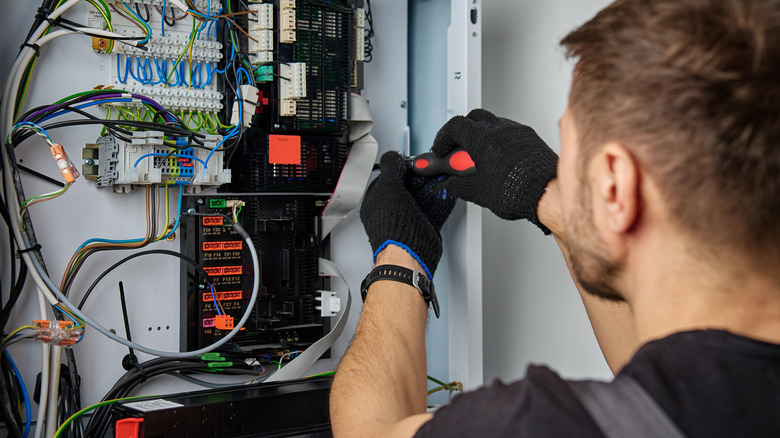
Since there are plenty of HVAC unit components the average homeowner won't necessarily understand how to maintain, like the condensate drain, heat exchanger, and burners, Drew advises that having your HVAC unit checked by a professional before bitter temperatures arrive is a good idea. "A thorough inspection is the best way to reveal hidden problems and boost your system's efficiency, not to mention preventing the dreaded unexpected breakdown," he explained. "Plan to have your heating system serviced at least once a year ahead of cold weather ... If you rely on a heat pump throughout the year, aim for maintenance every six months."
Last but not least, the HVAC expert cautioned that homeowners should be alert to unusual noises, strange odors, and visible dust. "These can be early signs of a problem that needs professional attention," Drew said. "Doing a 'first-start check' can head off small issues that have a tendency to grow and may even become safety hazards."
Prepare your furnace and replace the batteries in your CO detectors
Preparing ahead is one of the tips all of our HVAC experts recommended, including Jeff Ault, a virtual HVAC expert with American Home Shield. "Make sure you keep up with routine maintenance before winter begins," he told House Digest during his exclusive interview. "Having a professional test and clean your HVAC system before it's in use every single day will help reduce the chance of it failing on the coldest days and make sure it's working to the best of its ability."
Ault offered a few other pro tips that can also help you stay warm. There are several dos and don'ts of prepping your furnace for the chilly winter season, but according to the expert, keeping your furnace's flame sensor clean is one of the most important. "A dirty flame sensor will cause the unit to not stay lit, as it will not know whether the furnace has ignited properly or not," he explained. The process is surprisingly easy. You'll simply turn off the power, remove the flame sensor, and clean it with steel wool or fine sandpaper. While you're at it, Ault added "if your furnace is in the basement, ensure that the intake and exhaust pipes aren't blocked."
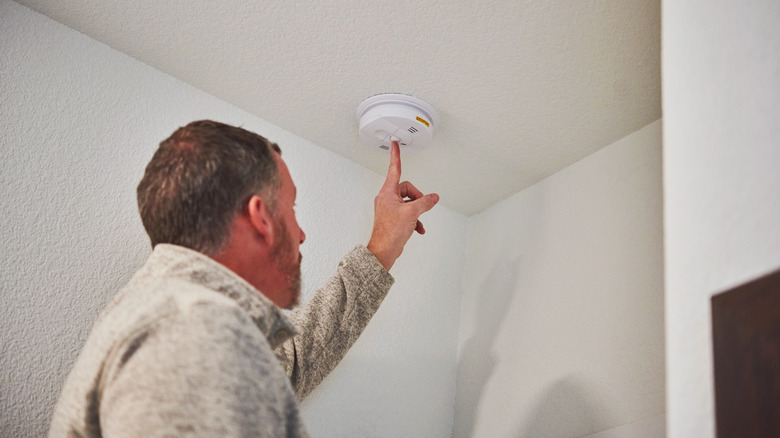
Finally, the HVAC expert reminded House Digest readers about an incredibly important safety step they shouldn't overlook. "Make sure your CO [carbon monoxide] detectors are working properly," Ault urged. A fresh set of batteries can make the difference between life and death when you've got every door and window sealed, the heat cranked up, and you're down for a long winter's nap.