

The Fast-Growing Fruit Tree That Thrives In Cold Climates (& Has Gorgeous Color)
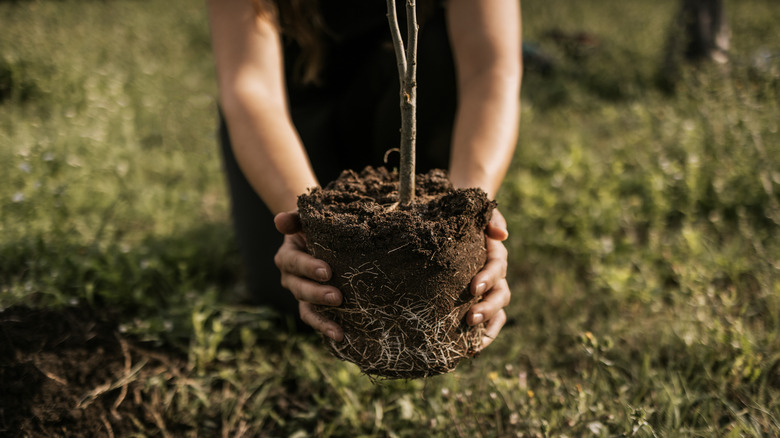
Most plants slow their growth in cold temperatures, lose their leaves, and look dull and lifeless. So, it's not exactly easy to find a fruit tree that thrives in cold climates, grows quickly, and stays attractive during the winter. But this is where mulberry trees come in. They grow fast; some varieties can add as much as 10 feet to their height annually under favorable conditions. Also, they produce a lot of tasty berries that you can eat fresh or save to make jams and jellies.
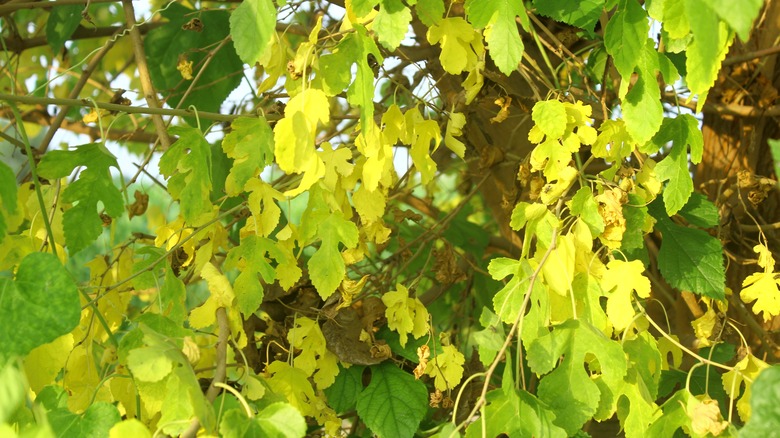
And if that is not enough to win your heart, mulberry trees also put on a brilliant color display. Their leaves turn bright yellow and gold as autumn arrives, and even when the leaves drop, some varieties keep the landscape looking interesting with their unique branch architecture. Mulberry trees really are a dream come true for people living up north. They don't have many pest problems and thrive across a range of soil types, making them even more appealing to plant around the property. Just keep in mind that mulberry trees aren't a single type of plant. They are actually a group of about a dozen small to medium-sized tree species in the genus Morus, and if you really want to help your fruit tree grow and produce faster, you must choose the right one.
Mulberry Tree Varieties To Plant (And Some To Avoid)
Different mulberry varieties have different characteristics and attributes. For instance, their cold hardiness varies, and some are even invasive in parts of the United States. So, make sure you do your research. Take, for instance, the Russian mulberry (Morus alba var. tatarica). It is the most frost-tolerant of all mulberry varieties and can easily survive in USDA Hardiness Zone 4 and is borderline hardy in Zone 3. Similarly, Illinois Everbearing (Morus alba × rubra) is another cold-hardy mulberry variety. It can be grown in zones 4 to 9 and is an excellent choice for anyone looking to get a heavy fruit yield. But those heavy yields can also be a problem as they create a big mess, especially if you plant your trees near hard-scape elements. That is where some tough fruitless white mulberry cultivars can come in handy. Take Morus alba Pendula and Chaparral, for instance. These fruitless varieties feature elegant weeping branches that create a beautiful, eye-catching effect in the garden.
Red mulberry (Morus rubra) is another good option for cold zones, especially for gardeners who want to attract native wildlife. However, if you live in a cooler region, avoid black mulberry (Morus nigra) and Pakistan mulberry (Morus macroura). They don't thrive in winter weather and are only hardy to zones 8 and 7, respectively.
Caring for Mulberries, Particularly in Winter
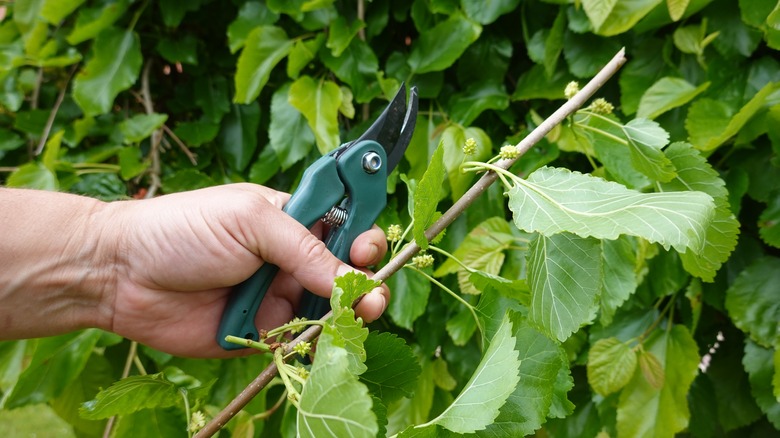
Every mulberry variety has its own quirks, but the basic care fundamentals remain the same across the board. For example, all mulberry trees need full sun, though they can tolerate some shade. Likewise, mulberry plants don't need much water and fertilization, especially once they are mature. But be sure to keep them hydrated and well-fed during establishment. Pruning is another critical care task that will help your young mulberry trees build a sturdy branch structure and network. Mature trees need to be pruned, too, but they only require conservative cuts to remove dead, damaged, or crossed limbs.
To protect your cold-hardy mulberry fruit tree, cover the base of newly planted trees with about three to four inches of shredded wood mulch. This will help reduce frost-related root injury during winter and keep competing weeds at bay. Also, when winter is at hand, start building the soil moisture before the ground freezes. To accomplish this, water your mulberry plants deeply and regularly as moist soil buffers temperature swings better than dry soil. And finally, prune your mulberry trees during late fall or winter to prevent excessive sap bleeding. Cutting back at the wrong time is a common mistake people make when pruning fruit trees.