

How To Keep Indoor Lemon Balm Alive (The Best Growing Tips)
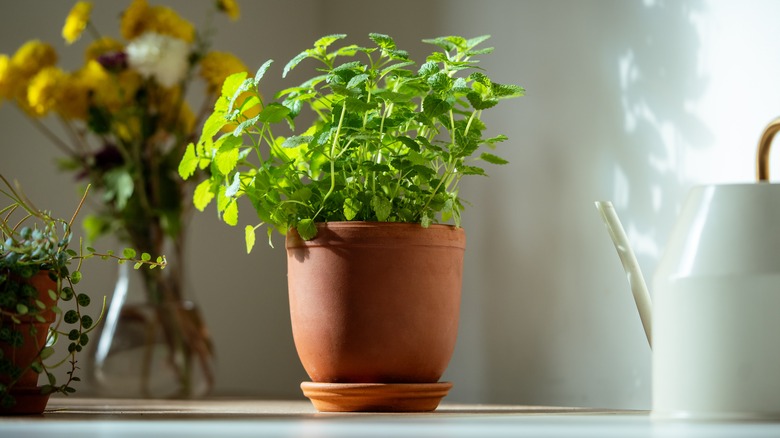
A close cousin of mint, lemon balm (Melissa officinalis) has soft, slightly fuzzy leaves and a bright citrus scent that will make your home smell amazing and even repel mosquitos. Its leaves even make a refreshing addition to salads and cocktails, and they can also be used to make homemade tea that helps aid sleep and digestion. As a plant categorized in USDA hardiness zones 3 through 7, lemon balm is famously easy to grow outdoors. However, growing and caring for lemon balm inside requires a few adjustments. Indoors, the biggest priority is light. Lemon balm needs at least five to six hours of direct sunlight per day to stay lush and flavorful, so place it near a bright south- or west-facing window. If the leaves begin to brown or scorch, rotate the pot periodically to prevent uneven sun exposure.
Another important factor is its soil and drainage. Lemon balm prefers well-drained soil and is prone to root rot if it stays wet. Standard potting mix is a solid option, but if you notice it holding moisture too long, blend in coarse sand or a cactus-style mix to improve drainage. When watering, err on the side of caution. Lemon balm tolerates brief dryness far better than soggy soil, and overwatering can cause the plant to decline quickly or bolt. (Bolting occurs when the plant shifts its energy from leaf production to flowering, sending up small buds on tall stems.) While flowering isn't directly harmful to your plant's health, it's a sign your lemon balm is not being maintained properly. Worse, bolting affects flavor, causing the once-sweet lemon balm leaves to turn bitter.
Tips to get lemon balm thriving indoors
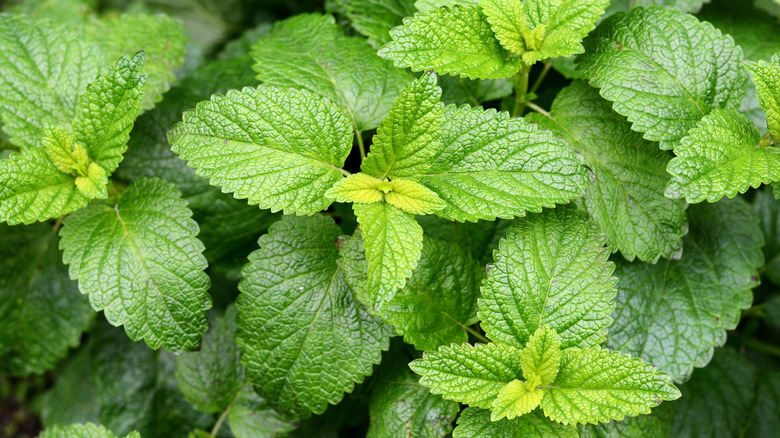
To prevent bolting and keep your plant productive, pinch off any flower buds as soon as they appear and harvest your lemon balm regularly. While a light liquid fertilizer will indeed encourage growth, the nutrition already in the soil is likely good enough for your lemon balm to thrive. Plus, fertilizing herbs can diminish their scent and/or flavor, which isn't ideal if you're planning to use your lemon balm for cooking. Once the plant is established and producing steady new leaves, you can begin harvesting as needed, taking care to remove no more than ⅓ of the plant per harvest. Snipping stems just above a leaf node helps promote new growth, allowing you to enjoy fresh leaves while keeping the plant healthy and long-lived indoors.
Beyond pruning and harvesting, the indoor placement of your lemon balm plays a major role in how well it grows. Choose a container with ample drainage holes and avoid letting the pot sit in standing water. A semi-porous ceramic could be a good option because it self-regulates and helps keep moisture levels consistent.
Also keep in mind that lemon balm prefers a stable environment and should be kept away from cold drafts, air conditioners, and heat sources like radiators, all of which can stress the plant and cause browning leaves. While lemon balm enjoys fresh air, it doesn't require high humidity to thrive, so there's no need to mist the plant or run a humidifier. With consistent bright light, controlled watering, and regular pruning, lemon balm can remain vigorous and fragrant indoors throughout the year.