

Winter Significantly Increases Carbon Monoxide Risk - Here's How To Stay Safe
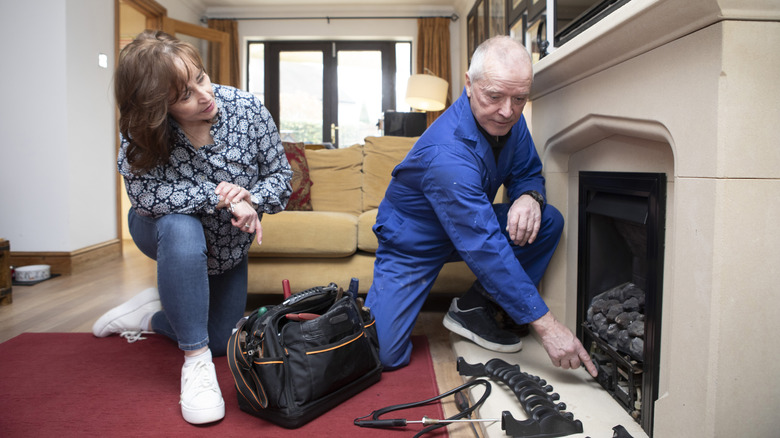
Carbon monoxide (CO) is called the silent killer for a reason. This colorless, odorless gas can go unnoticed unless there are carbon monoxide detectors in the home to alert you to its presence. Because it's produced whenever a fuel is burned, homes with gas, kerosene, or wood-burning heating systems or appliances that aren't properly vented are at risk of carbon monoxide poisoning. Portable generators can also produce dangerously high levels of this gas, making it crucial to learn the right way to hook a portable generator up to your house during winter power outages. Fortunately, a couple of proactive steps, such as installing CO detectors and ensuring the safe use of generators and heating systems, can help keep your home safe and bring you peace of mind.
According to the Centers for Disease Control (CDC), over 400 Americans die each year from carbon monoxide poisoning unrelated to fires, and more than 100,000 visit emergency rooms due to the ill effects of this gas. Signs of poisoning can include flu-like symptoms, such as dizziness, fatigue, stomach upset, general weakness, confusion, and even vomiting. If poisoning is suspected, it's vital to turn off any fuel-burning systems, seek fresh air immediately, and visit a local emergency room.
How to protect your home from carbon monoxide poisoning this winter
There are many reasons you should have your HVAC systems checked regularly, and reducing the risk of CO poisoning is high on the list. All fuel-burning appliances and heating systems should be inspected by a professional at the start of each heating season, according to the Environmental Protection Agency (EPA). This includes wood-burning stoves, chimneys, gas stoves, gas appliances, and fireplaces to ensure proper ventilation and that there are no blockages, cracks, or leaks that would allow CO to build up in the home. Other sneaky sources of CO poisoning can include idling cars left in enclosed or attached garages, using gas or charcoal-powered grills indoors, running an unvented gas or kerosene heater, or trying to heat a home with a gas oven.
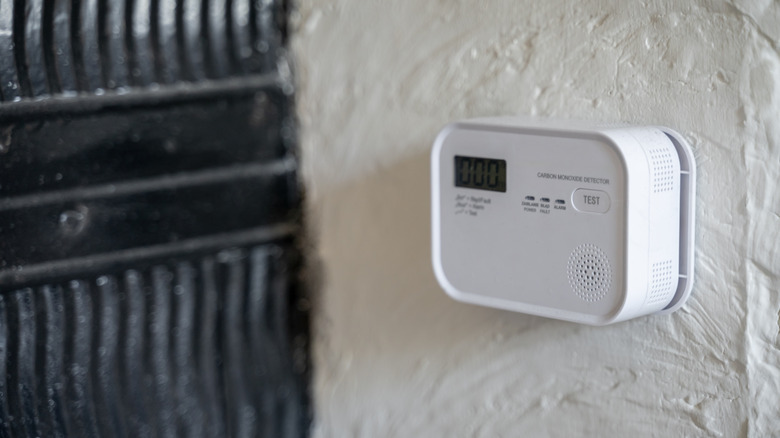
While prevention is key, detection is of utmost importance since CO can't be seen or smelled. One question you should ask yourself is whether or not you have enough carbon monoxide sensors in your home. The US Consumer Product Safety Commission (CPSC) recommends that every home have at least one carbon monoxide detector. However, for even greater protection, place one on each level of the house and near sleeping areas. You should replace these detectors every five years, or according to the manufacturer's instructions. It's also important to perform monthly tests to ensure CO alarms are working correctly, and to replace batteries in battery-powered units every six months.