

13 Popular Ground Cover Plants That Attract Slithering Pests
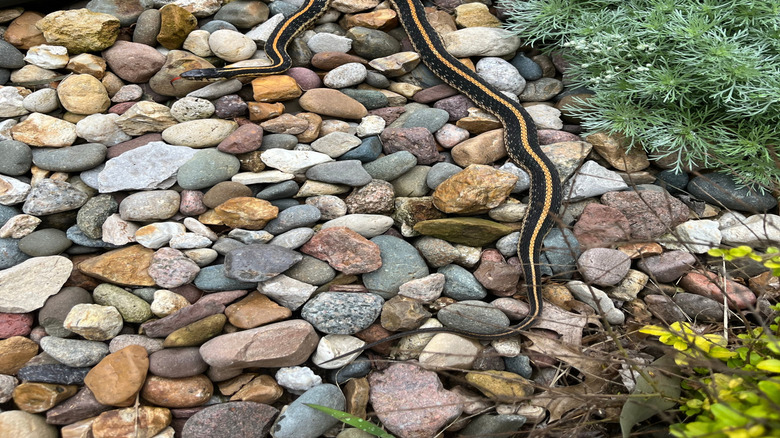
Have you ever heard a deceptive person referred to as a snake in the grass? The ancient idiom's origins are highly debated, but the meaning remains clear to this day. In fact, snakes do like to sneak through tall grass — it hides them from predators. Cutting down overgrown vegetation is common practice for snake deterrence, so you could be forgiven for thinking a well-maintained ground cover plant wouldn't attract these reptiles. But like many things in gardening, it isn't quite that simple. Short (or trimmed short) ornamental grasses, for example, attract the insects that snakes — and other reptiles — find delicious. If your goal is keeping snakes away, it's also wise to reconsider planting popular ground cover plants like creeping juniper, clover, blue fescue, among many others.
It's worth noting that many of the snakes that visit our lawns and gardens aren't venomous. And, in fact, they instinctively avoid interactions with people, which is why they hide in dense ground cover. If you choose to plant any type of ground cover, frequent upkeep — like pruning, mowing, and dividing — can stop them from becoming a haven for scaly pests and their prey. Make sure you remove piles of old timber, branches, leaves, and other yard debris from around areas of dense ground cover. Snakes are known to hide in these spots. Also, make sure you wear closed-toe footwear and gloves when working in the garden, just in case you have a surprise snake encounter.
Buffalo grass
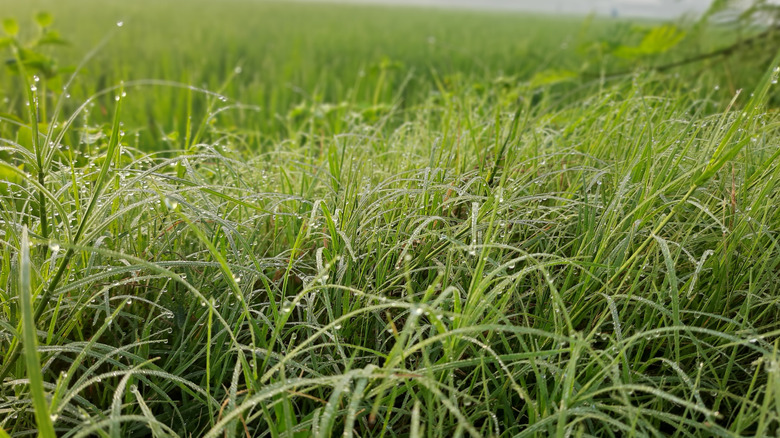
Gardeners often turn to native buffalo grass (Bouteloua dactyloides) as a ground cover for good reason: it's a rare drought-tolerant turf grass alternative. However, this resilient perennial is also a plant in your garden that could be attracting unwanted snakes. Without regular mowing, it will grow tall — up to 12 inches — and create the perfect cover for slithering reptiles. The grass, with its open canopy, is prone to weed invasion while dormant. Areas of weedy growth are attractive to snakes.
Clover
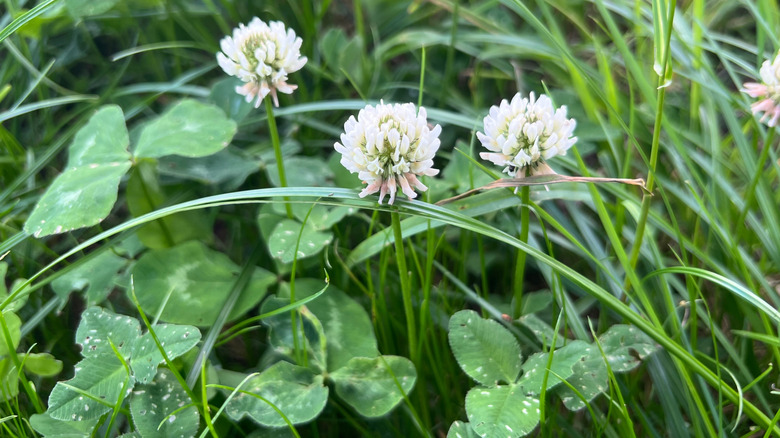
Snakes don't just favor grassy ground covers; they also gravitate toward dense vegetation that gives them cover. Clover (Trifolium repens) is a popular alternative to turf grass lawns, but unfortunately, it also fits the bill as a snake attractant. It's a fast-growing ground cover that forms dense mats, making it challenging to maintain. The overgrown foliage is a welcome retreat for snakes and the insects and animals they eat. What's more, clover thrives in cool, moist soil, something snakes also gravitate toward.
Japanese spurge
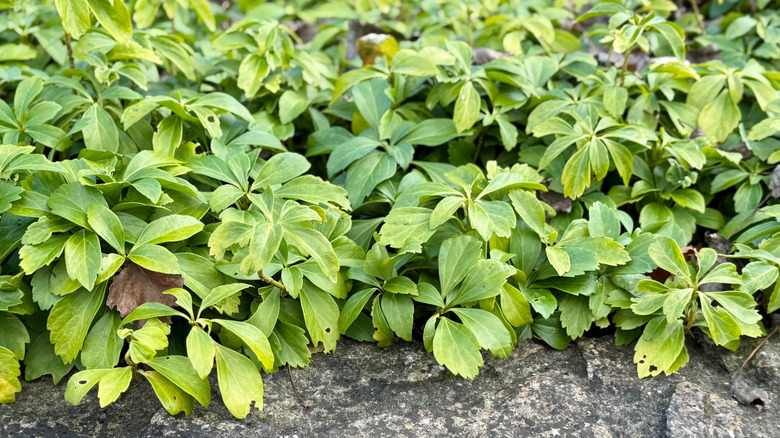
Many gardeners looking for an attractive, evergreen ground cover opt for Japanese spurge (Pachysandra terminalis). Before you join them, consider that the plant sprawls out in a thick blanket, which can harbor snakes looking for protection. Also, the plant grows best in the same shaded areas that snakes may retreat to when regulating their body temperature in hot weather. If you like the look of this plant, consider the slower-growing Allegheny spurge (Pachysandra procumbens) as an alternative. This pretty ground cover provides the splash of green you're seeking without taking over.
Creeping juniper
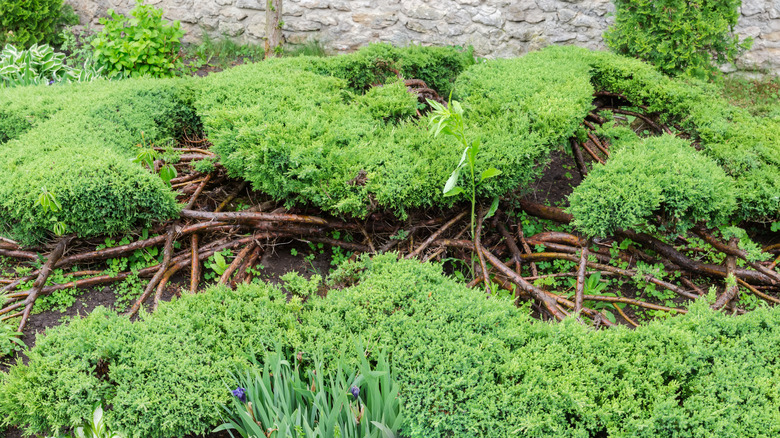
Creeping juniper (Juniperus horizontalis) is a ground cover prized for its blue-green color, scaly evergreen leaves, and even its help controlling erosion. However, it's also a hardy shrub you don't want in your yard if you're trying to keep snakes away. It grows to 1½ feet tall and forms a dense mat that the slithering critters love for shelter. In addition to providing safe harbor, a snake living in your creeping juniper gets to snack on a buffet of prey, including insects like caterpillars, which feed on creeping juniper.
English ivy
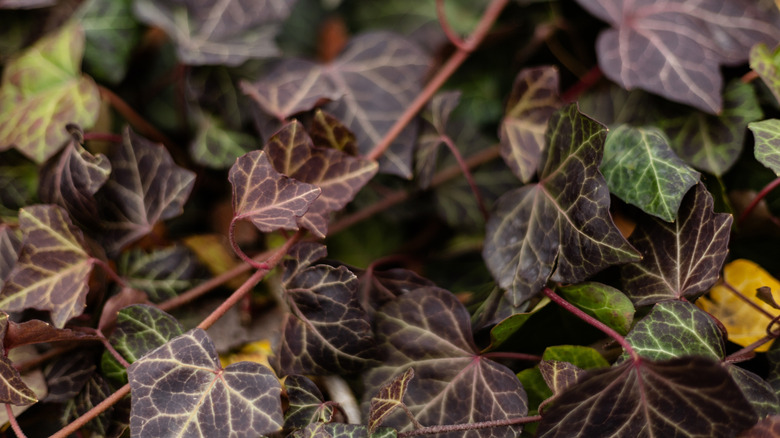
You shouldn't plant English ivy (Hedera helix) on purpose. If you've moved into a space where it has taken over, it can be hard to remove. To keep your yard snake-free (and to avoid spreading a noxious weed), it's worth trying to eradicate. This evergreen vine is invasive throughout much of the U.S. It grows thickly, crowding out native plants, and the dense foliage offers cover to snakes and their prey. English ivy favors shady spots in a garden and can block out light, creating a dark space for snakes to keep cool.
Blue fescue
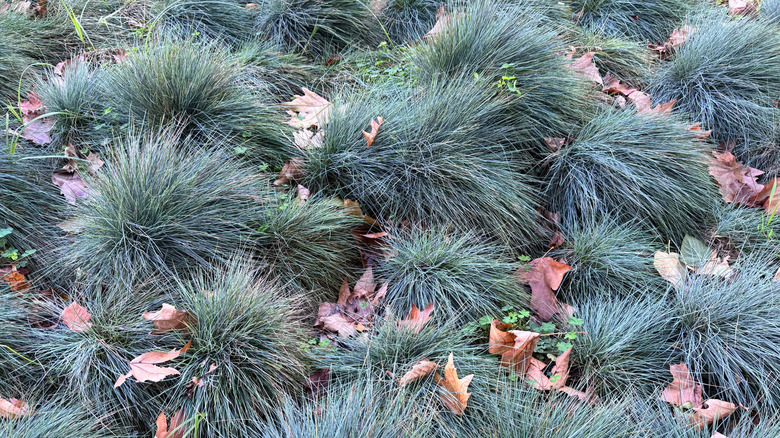
The density and height of the ornamental grass blue fescue (Festuca glauca) can make it welcoming to snakes. This clumping plant typically grows 1 to 2 feet tall. Snakes may take shelter under the tall blades, especially when fescue is used as a ground cover, where several plants are grouped together. If you do grow blue fescue, it's important to clean out old leaves in the spring. You don't want them lingering and creating cover for snakes. For best results, cut the plants down to 3 to 4 inches tall — it's good for plant health and snake deterrence.
Bugleweed
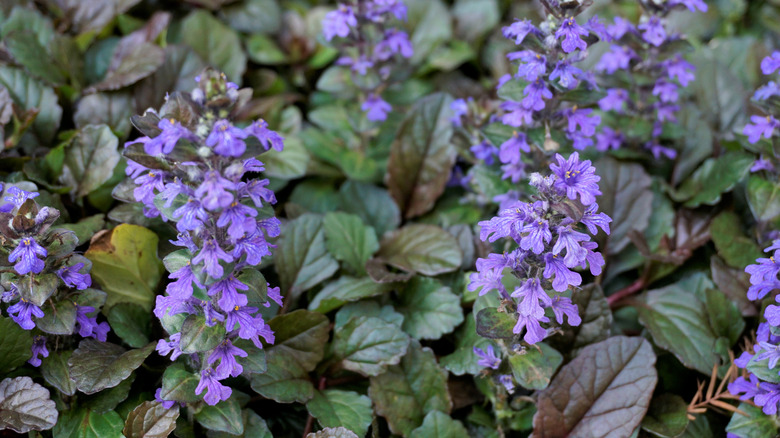
Many gardeners grow bugleweed (Ajuga reptans) as a ground cover in places where there's not enough light for grass to thrive. This tough evergreen even produces pretty purple blooms. However, bugleweed forms a thick, dense coat over the soil, which also happens to be the kind of environment snakes favor. Not convinced you should avoid this plant? There's another big reason you should reconsider growing Ajuga as a ground cover: It's invasive in many states, where it poses a threat to local vegetation if it spreads past its boundaries.
Little bluestem
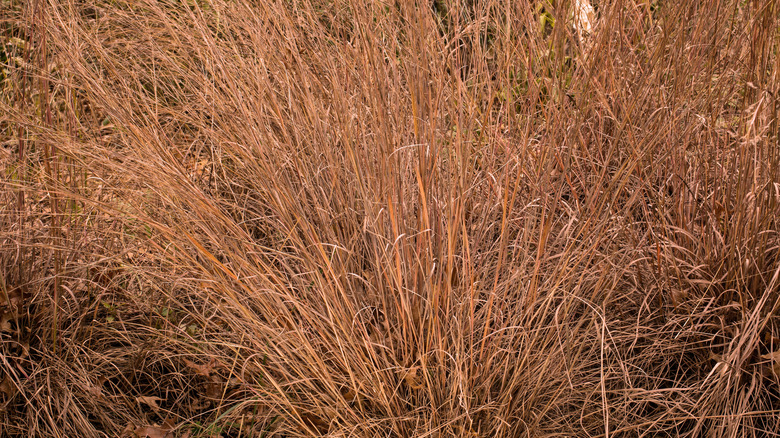
Little bluestem (Schizachyrium scoparium) is a tall grass sometimes grown as a ground cover. Its foliage undertakes stunning color transformations, from blue-green in warm weather to shades of copper and bronze in fall and winter. It hosts many forms of wildlife, from butterflies that lay eggs on the leaves to seed-eating small mammals and songbirds. All of this animal activity attracts hungry snakes. For example, little bluestem is one of the plants you should keep out of your yard if you want to keep mice away. It follows that snakes, which eat mice, won't be far behind.
Periwinkle
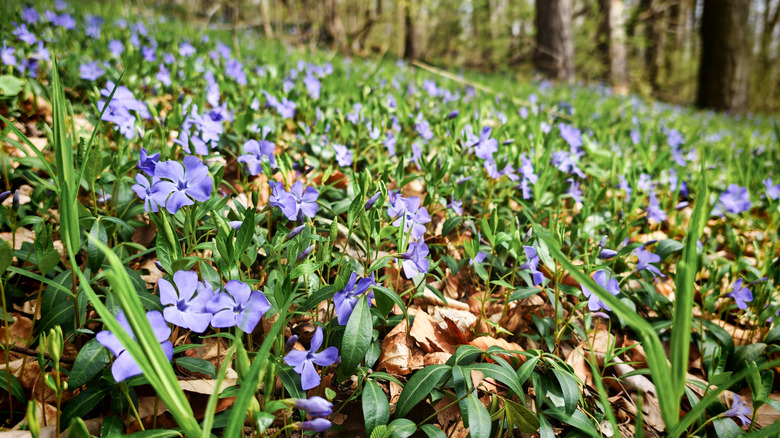
Periwinkle (Vinca minor) is a popular ground cover choice because of its dainty blue, purple, or white flowers, depending on the cultivar. Even though it doesn't grow very tall, it quickly forms large, dense mats that snakes can use as cover from predators or for hunting. It's classified as invasive in many eastern and a few western states due to its rapid growth — it smothers native species. In places where periwinkle isn't restricted, it needs a lot of maintenance, since it grows like a weed and harbors rats, which some snakes like to feed on.
Ground ivy
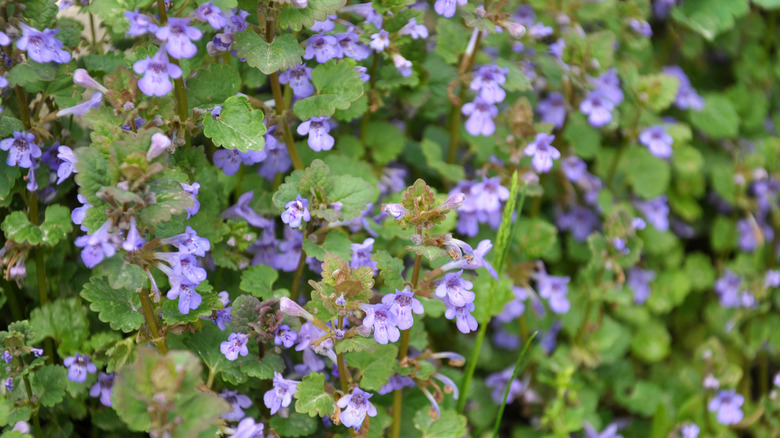
Ground ivy's (Glechoma hederacea) common name, creeping Charlie, could be taken as a sign that pests like to hide in its foliage. However, it's more likely that it refers to the way this ornamental ground cover spreads quickly over the soil, creating a thick mat. It's this growth habit that may attract snakes. If ground ivy has sprung up in your lawn without you noticing, as it's prone to do, you can pull out the runners and roots by hand. Make sure you wear gardening gloves and boots to protect yourself from any snakes taking shelter in its stems.
Fountain grass
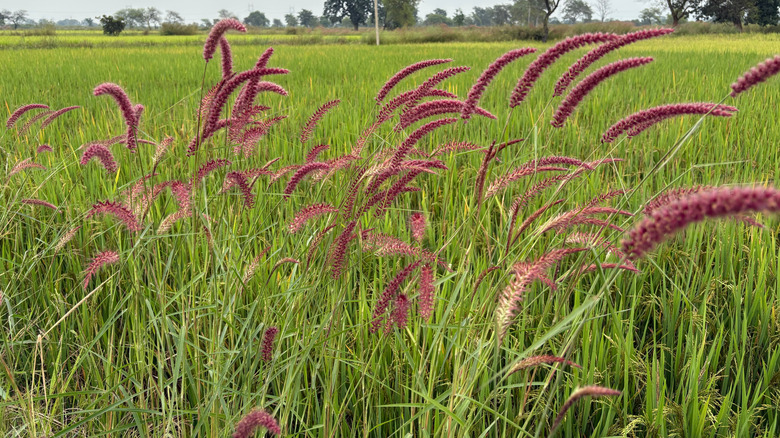
If you're growing fountain grass (Cenchrus setaceus) as a ground cover, it's important to trim it often. This grass grows in clumps of up to 5 feet tall with showy flower spikes atop green blades. When allowed to reach its mature height, it can become shelter for snakes looking for a hiding place. In some locations, like Florida, Nevada, and Hawaii, fountain grass shouldn't be planted at all because it's invasive. If fountain grass is posing a threat in your garden or you don't want to risk a snake sighting, eradicate it using a targeted herbicide containing quinclorac.
Star jasmine
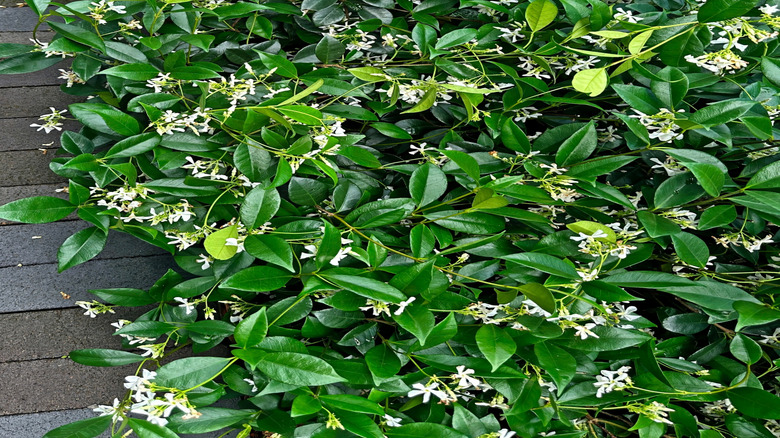
Fans of flowering ground covers often choose to plant star jasmine (Trachelospermum jasminoides), a white-flowering evergreen, because it likes to sprawl across a garden bed. One downside, however, is that it can quickly become a habitat for rodents and other critters that snakes eat. Another risk lies in the way star jasmine trails across the ground. The plant offers snakes safety from predators and a place to cool off on hot days. It's vital to keep star jasmine pruned to prevent it from becoming an overgrown safe harbor.
Maiden grass
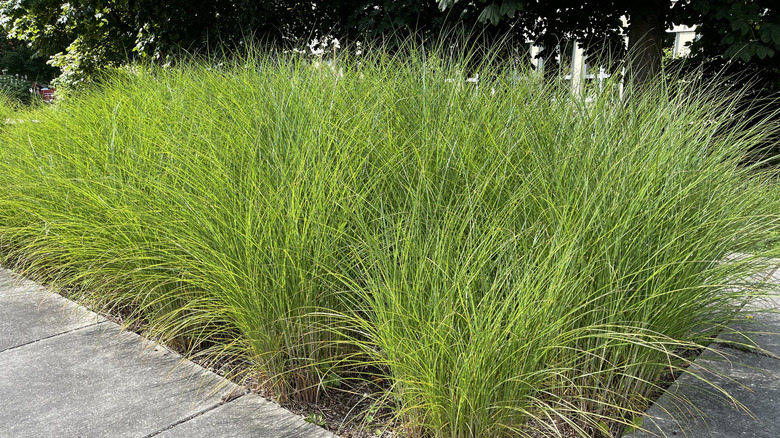
Maiden grass (Miscanthus sinensis) is a hard-to-control ornamental grass that can get so dense that it becomes an attractive hideaway for snakes. You may have this grass in your garden against your will because its seeds spread easily by wind. In fact, it's considered invasive up and down the eastern United States. Some gardeners still choose to plant sterile cultivars, like 'Scout,' to minimize the risk to native plants. If you're growing a non-invasive variety of maiden grass, you still need to cut it back every year to prevent snakes moving in. Use shears or hedge trimmers.