

The Cold-Hardy Pear Tree Variety That Produces Large, Juicy Fruit
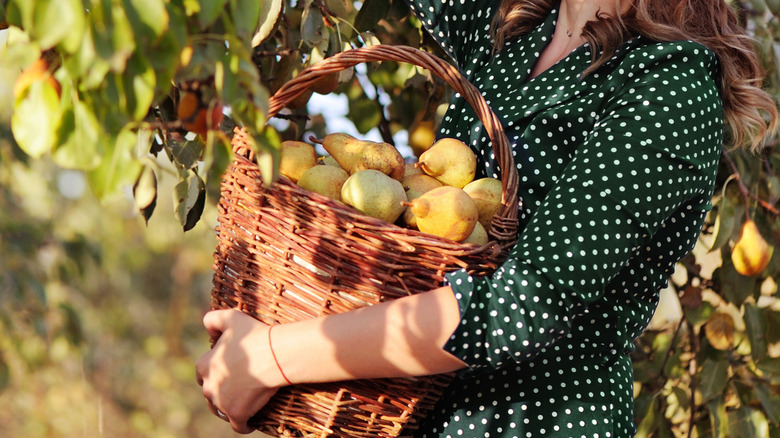
Filling your yard with edible plants is a no-brainer. It's always nice to have backup food sources in case you lose your income or there are emergency food shortages. But choosing abundant producers that are well-adapted to your climate can be a little trickier to work out. We have good news for you — the Nova is the cold-hardy pear tree you can grow that bears lovely, large, juicy fruit you can use to fill your larder.
A pear tree is a delight to include in a food-producing yard. But if your winters are frigid, you may think that the apple's curvier cousin isn't an option. Or maybe you don't think growing one of these fruit trees is worth the garden real estate. The Nova will change your mind on both accounts. This European-type variety was discovered in a cold region of upstate New York, and was named by nurseryman Bill MacKentley from St. Lawrence Nurseries in honor of his daughter, Nova. These large dessert pears are produced abundantly.
Why Nova pear trees stand out from other varieties
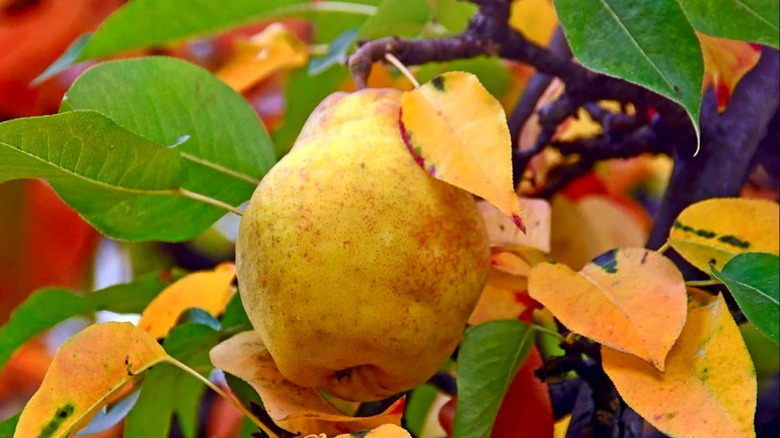
Nova pears aren't just big, they're also delectable and versatile. This variety produces fruit that's juicy with a silky texture, and has a rare quality — you won't have to test if the pears are ripe, because they're delicious both ripe and unripe. The fruits are large, tending toward round, with thin yellow skin, and they're perfect for both fresh eating and canning. If you choose to transform them into glorious desserts, you can be sure they won't fall apart, but will keep their shapes beautifully.
Most pear tree varieties are cold-hardy to the U.S. Department of Agriculture's Hardiness Zone 5, but the Nova can handle the cold down to minus 40 degrees Fahrenheit, making it accessible to gardeners in Zone 4, or even Zone 3 for some growers. This self-fertile variety produces reliably and is the kind of fruit tree you can plant for a bountiful harvest. Ready to harvest in mid-September, the pears hold onto the branches well, making the variety desirable for those with unpredictable schedules.
The Nova is semi-dwarf, growing to just 35 feet tall at maturity, and has an open growth habit. As a bonus, it is resistant to two orchard diseases — fire blight and scab.