

Ever Wonder Why Your Caulk Sometimes Cracks In The Winter?
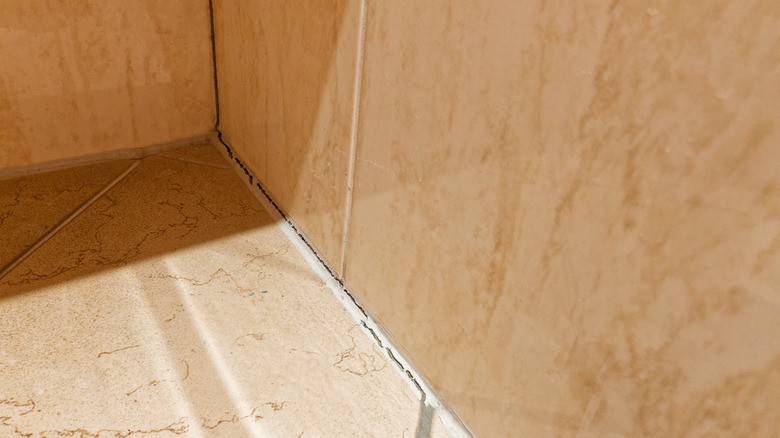
If you've lived in old houses, you may have witnessed the wood of doors and walls shrinking in the winter. Wood naturally absorbs moisture from the air, and in the drier air of winter with the heating turned up, there's simply not as much for it to take in. You may not have realized that caulk (the flexible sealant squeezed from a tube to keep air from escaping gaps or joints in the wood) also changes with the seasons. It tends to crack, which is not only unsightly, but can make you worry that your work to save energy in the winter will be undone.
The way wood responds to winter air (and expands again when there's more humidity on a given day) can actually put stress on the caulking and cause it to crack, but that's not the only reason. Caulk can crack over the winter months because of pressure from ice, snow, or wind, in addition to stress from the wood around it contracting. Winter is also a less-than-ideal time to apply caulk. Below 40 degrees Fahrenheit, some types of caulk don't adhere or cure well. If you must use some in winter, choose types made from silicone or rubber, or use weather stripping as a temporary fix until it's warm enough to caulk the area.
Outside of seasonal conditions, a problem with adhesion could be the culprit instead, which can happen if the caulk was applied to a dusty surface. It could also be a mismatch between the type of caulk and the place it was applied. Gaps around windows, for example, require weather-resistant caulk that's made for outdoor use that can stand up to tough winter conditions.
Different types of cracks in caulk and how to fix them
The look of the crack may give you some clues as to why your caulking is breaking apart in the winter. A thin crack right down the middle of a line of caulk can indicate that the nearby wood has shrunk or shifted. The presence of mildew, or a discolored appearance, probably means water, such as from harsh winter rain or snow, has infiltrated the caulk. Where there's a gap between the caulk and the wall, which looks like a crack, it could be from water-based caulk shrinking due to a lack of humidity.
There are a few ways to deal with cracking caulk, depending on its location and the materials you have handy. For cracks near wooden walls or spaces where the caulk itself shrinks, some homeowners have had luck with turning on a humidifier to replace the missing moisture. However, leaving the cracks that are near a window or exterior door alone throughout the winter comes with the risk of water seeping in or bugs crawling through the tiny spaces. You can fix these cracks with the appropriate caulk, or try weather stripping your windows and other vulnerable spaces with vinyl, felt, foam, or other materials.
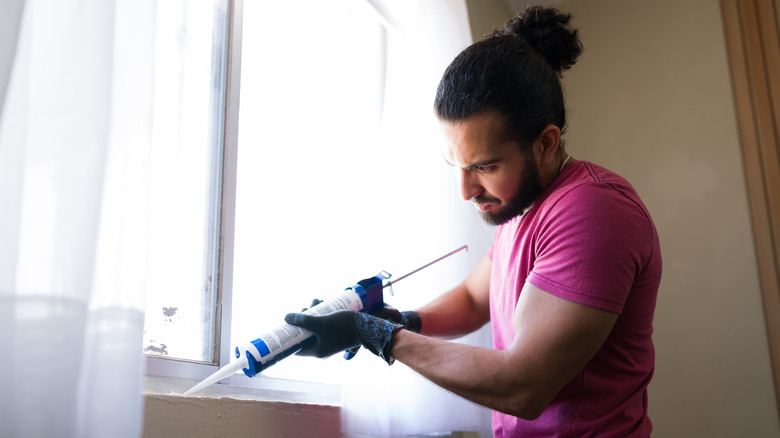
If you're up for fixing them, first make sure you choose the right caulk for the job. Remove the old caulk from the crevice with a putty knife, clean the surface thoroughly, and apply new caulk to it. Finish it off by running a caulking tool over the newly applied sealer, or even smoothing it over with your finger and a paint scraper, an easy trick which works for caulking baseboards and trim.